Commercial Subpanel Upgrade Benefits for Capacity
Commercial subpanel upgrade benefits that protect capacity and keep power steady
Kord Electric steps in early when a facility shows signs of strain, because our Commercial subpanel upgrade benefits are not just about “more space in the panel.” We help commercial and industrial buildings maintain capacity, reduce nuisance trips, and support cleaner power distribution for the loads that keep a property running. When our team replaces aging equipment or expands capability, we also help teams follow the National Electrical Code direction covered in our guidance on NFPA 70 for 2026 updates, including the detailed article Understanding NFPA 70: The National Electrical Code Explained for 2026.
Here is the calm truth: electrical systems do not “wear out” like shoes. They fail like schedules. Quietly at first, then all at once, and the whole building acts surprised, like a sitcom character who forgot they left the stove on. If your commercial facility feels closer to that plot line than you like, this guide explains what to look for and how to plan a proper upgrade with Kord Electric.
Capacity starts to slip: early signals we watch for
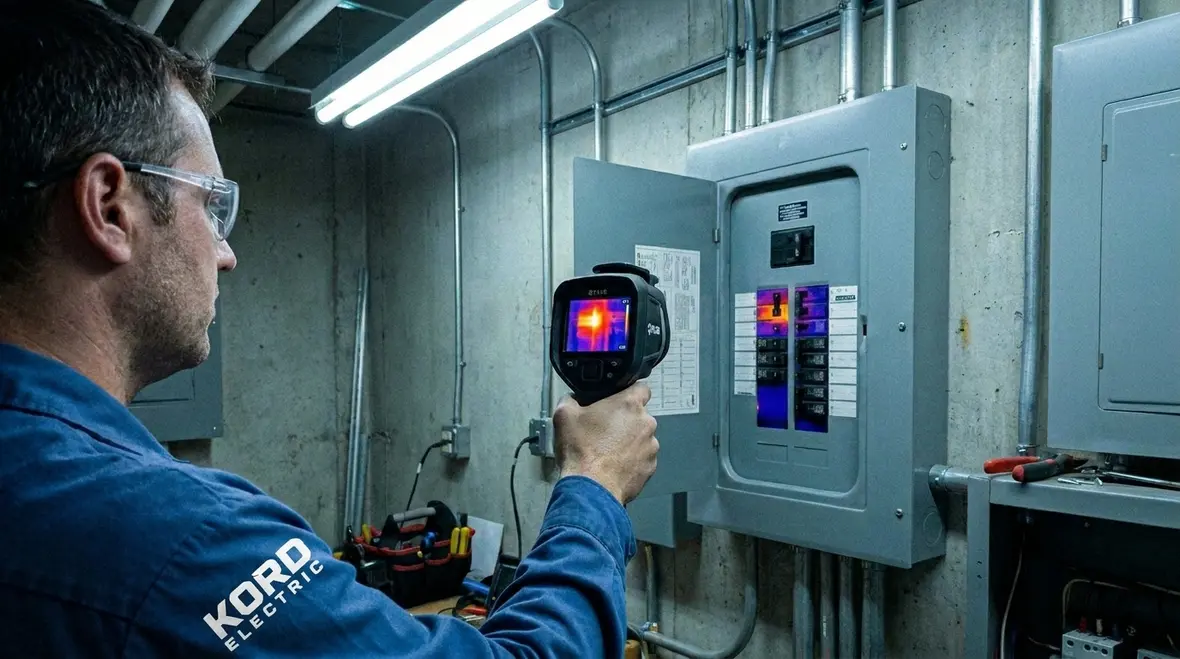
In the field, we see the same pattern again and again. First, power demands rise because of new equipment, renovated spaces, or growing tenant loads. Then the distribution system begins to struggle, even if everything looks “fine” from the outside. We treat this as a capacity planning issue, not a guesswork exercise.
Common early signs include breakers that feel warm more often than they used to, frequent breaker trips, or a noticeable change in performance for large equipment like HVAC systems, elevators, pumps, and production machinery. Additionally, if building staff report that lighting flickers during heavy loads, it can signal voltage drop or imbalance. That is not a minor annoyance for a commercial operation. It can lead to downtime, call backs, and equipment stress.
Also, pay attention to how crews talk about the electrical room. If they say things like “We’re always resetting something,” or “That panel is getting full,” we already know the system has less margin than it should. And yes, we hear the joke too. People want more outlets, not more electrical planning. But the panel does not care about jokes. It cares about load, heat, and safe connections.
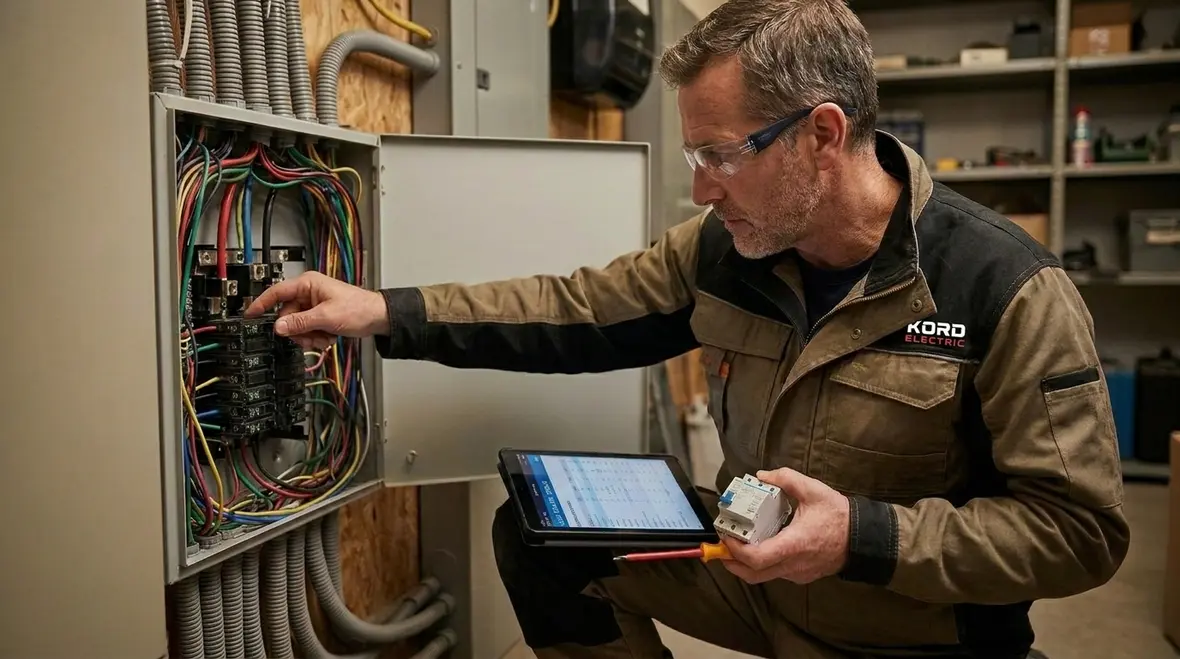
When panels run hot, you feel it before you measure it
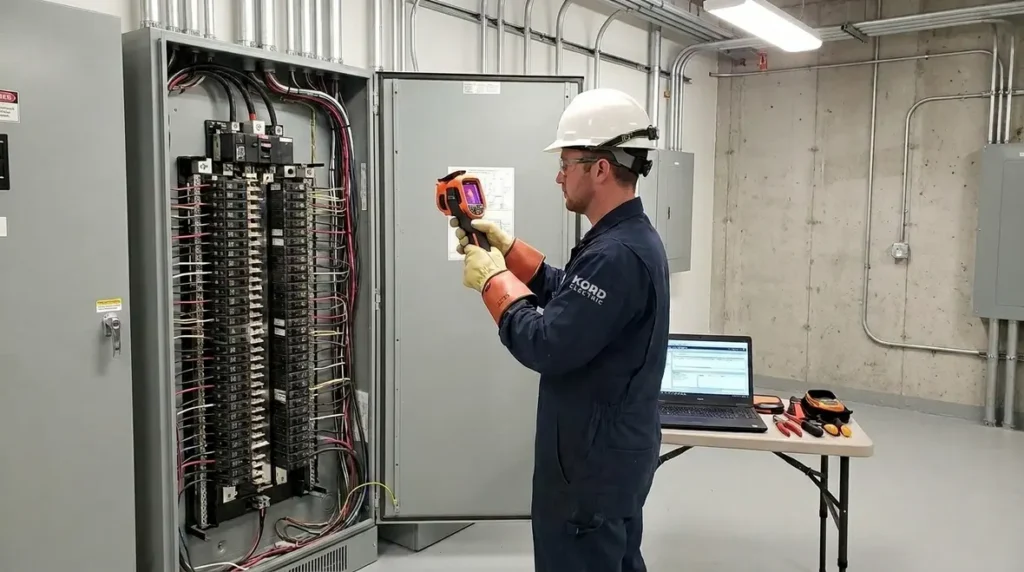
Thermal problems usually show up in two ways. First, people notice heat near bus bars, breaker compartments, or cable terminations. Second, sensors and breaker ratings start telling a consistent story. Over time, loose connections, aging insulation, and corrosion raise resistance. Higher resistance creates more heat. Then the circuit behaves like it is one bad day away from a bigger problem.
During our service calls, we often see that the “worst” location gets worse because it already runs hotter. As a result, components age faster and fail sooner. That is how small issues become expensive ones. Next, electrical noise or intermittent faults appear, especially with motor loads and variable frequency drives. These are not always obvious, and that is why our technicians explain what we see before we touch anything.
If your facility has older panels with mixed components, questionable terminations, or repeated “quick fixes,” it helps to treat that as a warning. In commercial and industrial sites, we expect a stable electrical environment. The code requirements and best practices we follow under NFPA 70 help ensure the system stays safe under typical and peak demand conditions.
Expansion looks simple until the load math tells the real story
It is tempting to add breakers and move on. However, a commercial facility needs more than spare space. It needs a system that can handle future loads without forcing crews to overwork conductors or exceed ratings. We start by reviewing the existing capacity and the load profile. Then we model how new equipment changes demand across peak hours.
Specifically, we check feeder sizing, breaker coordination, and overall panel capacity. We also evaluate whether additional circuits can be supported without creating unacceptable heat or voltage drop. This matters most in buildings where tenants add loads over time, or where major propertie buildings add equipment for renovations, EV charging, data rooms, or new production lines.
When capacity is limited, the facility may require a subpanel upgrade rather than an endless series of band aid additions. In plain terms, we help you stop “working around” the panel and start building a distribution plan that matches your actual needs. Our expert service staff will walk your team through the numbers in a way that makes sense for operations leaders, facility managers, and owners who need results, not jargon.
Breakers trip, lights flicker, and equipment suffers: what it means
If your facility experiences nuisance trips, it is often a sign of deeper issues. Sometimes the circuit experiences overload or poor load balancing. Other times, it comes from problems at the termination point, degraded insulation, or a panelboard that can no longer perform within its safe operating range. Regardless of the cause, frequent trips interrupt operations and create uncertainty for maintenance teams.
We also see the lighting symptom. Flicker during HVAC startup or during elevator cycles can point to voltage drop or imbalance that gets worse under heavy demand. In industrial settings, motor starting surges can stress circuits that were never intended for how the system runs today. Then equipment controllers, drives, and power supplies may behave inconsistently.
Now, here is the calm part. Upgrades solve these issues when we match the design to the real load behavior. Instead of adding more guesswork, we align distribution capacity with the facility’s operating pattern. And when we reference code guidance tied to NFPA 70 and the 2026 direction, we focus on practical compliance and safe performance, not paper exercises.
Compliance and code thinking that keeps facilities protected
Commercial and industrial buildings should expect safe, repeatable electrical performance. That is exactly why our team takes code requirements seriously. Under NFPA 70 guidance, we focus on proper sizing, safe conductor installation, safe overcurrent protection, and correct wiring methods that support long term reliability. When we plan a subpanel upgrade, we ensure the expanded distribution system stays within safe limits and supports proper protection for connected loads.
Our technicians do more than swap parts. They explain how each step protects your facility. We confirm that the new configuration supports the existing system and the loads you plan to add next. Then we help ensure the installation and labeling support clear operation and maintenance.
Some folks treat electrical work like plumbing. Turn the wrench, hope for the best, and let the future deal with the mess. We do not do that. Our expert service staff supports facilities that must stay open and productive. So, we plan the upgrade path carefully and coordinate execution in a way that limits disruption.
How Kord Electric executes a Commercial subpanel upgrade benefits driven plan
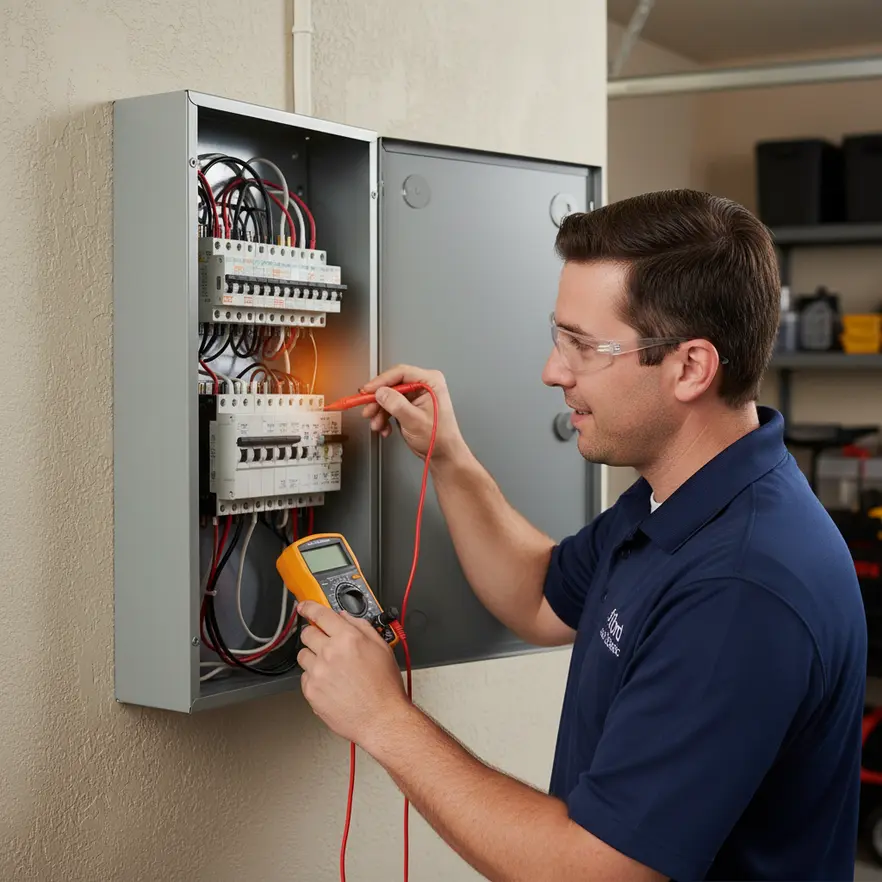
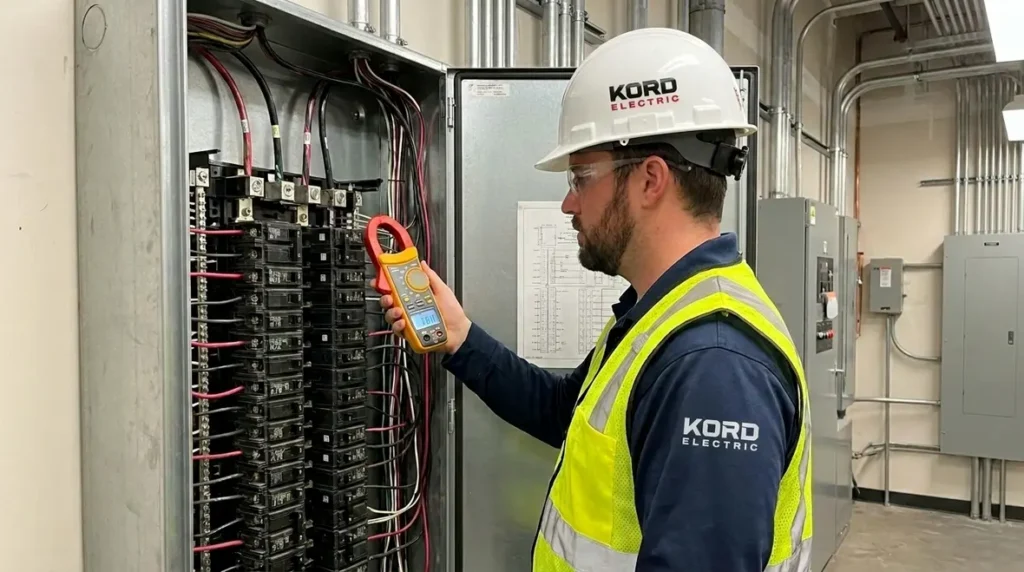
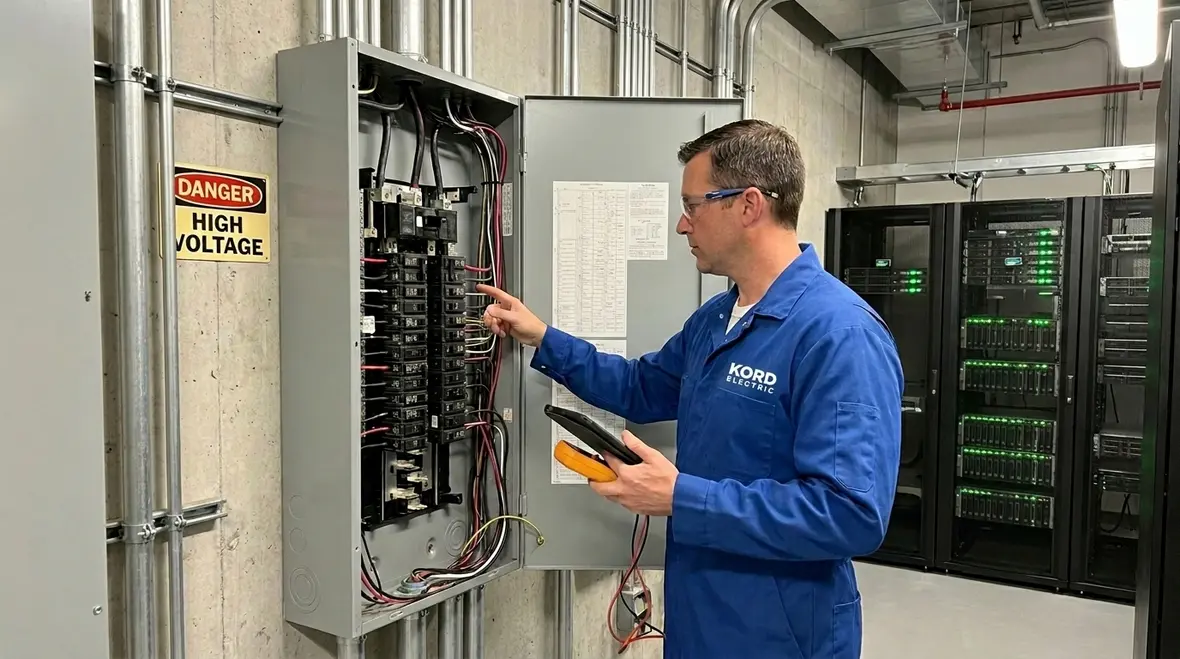
At Kord Electric, we approach upgrades like a controlled improvement, not a panic response. First, our team inspects the electrical room, panel conditions, terminations, and load behavior. Next, we review equipment changes and future plans that affect demand. Then we prepare an upgrade path that increases capacity while maintaining safe protection and clean distribution.
During the work, we focus on dependable installation practices. We also follow thorough testing and verification steps so that your facility does not step into a new problem after a “successful” install. Because in commercial settings, success means steady power for the long run, not just turning the lights back on.
Finally, we explain what we did and what it means for building operations. We share practical maintenance guidance so your team knows what to monitor. And yes, we include the boring stuff too, because boring is how professionals prevent exciting outages. Our goal stays simple: keep the building running, protect capacity, and support a stable electrical system that fits commercial and industrial needs.
For facilities planning deeper changes to their infrastructure, resources like the Rewiring Cost Guide for Commercial Electrical Systems and Commercial and Industrial Electrical Maintenance Plans provide additional context on how panel upgrades, capacity planning, and preventive maintenance all work together.
FAQ
Ready for a safer, capacity ready distribution plan?
If your commercial facility shows heat, trips, flicker, or capacity limits, Kord Electric is ready to help. Our technicians inspect, explain the findings clearly, and design a solution that supports your current operation and your next equipment expansion. We serve commercial and industrial buildings and major property owners who need stable power with less downtime.
For organizations across the region, our Los Angeles County electrical services support everything from panel upgrades and emergency troubleshooting to EV charging infrastructure and strategic rewiring projects. When you are planning a Commercial subpanel upgrade benefits driven project, tying it into a broader service relationship keeps your system consistent, documented, and easier to expand in the future.
Call Kord Electric today to schedule an assessment and get a plan that protects your system, your uptime, and your peace of mind.