
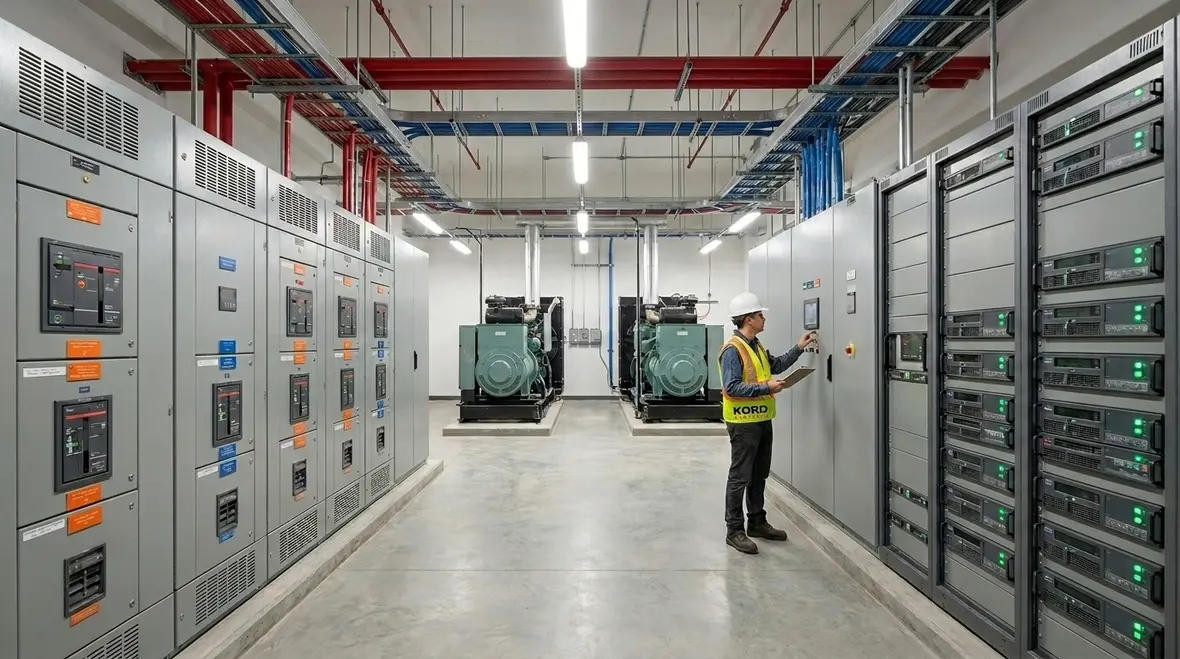
Critical Load Redundancy for Commercial Power
Critical Load Redundancy Strategies for Commercial Power That Doesn’t Blink
In commercial and industrial facilities, we plan for one thing above all: when a system fails, operations must keep moving. At Kord Electric, we use critical load redundancy strategies early in the design and later in every maintenance decision, so essential circuits never go dark. That means we account for generator capacity, transfer equipment, protective device coordination, and the right bypass and isolation options. In other words, we build a power story with fewer plot twists.
And yes, we also know downtime feels like a villain monologue. So, we help facility teams stay calm, because a reliable electrical system should behave more like a steady metronome and less like a sitcom character who “just needs five more minutes.”
What Reliability Looks Like in Real Commercial Electrical Systems
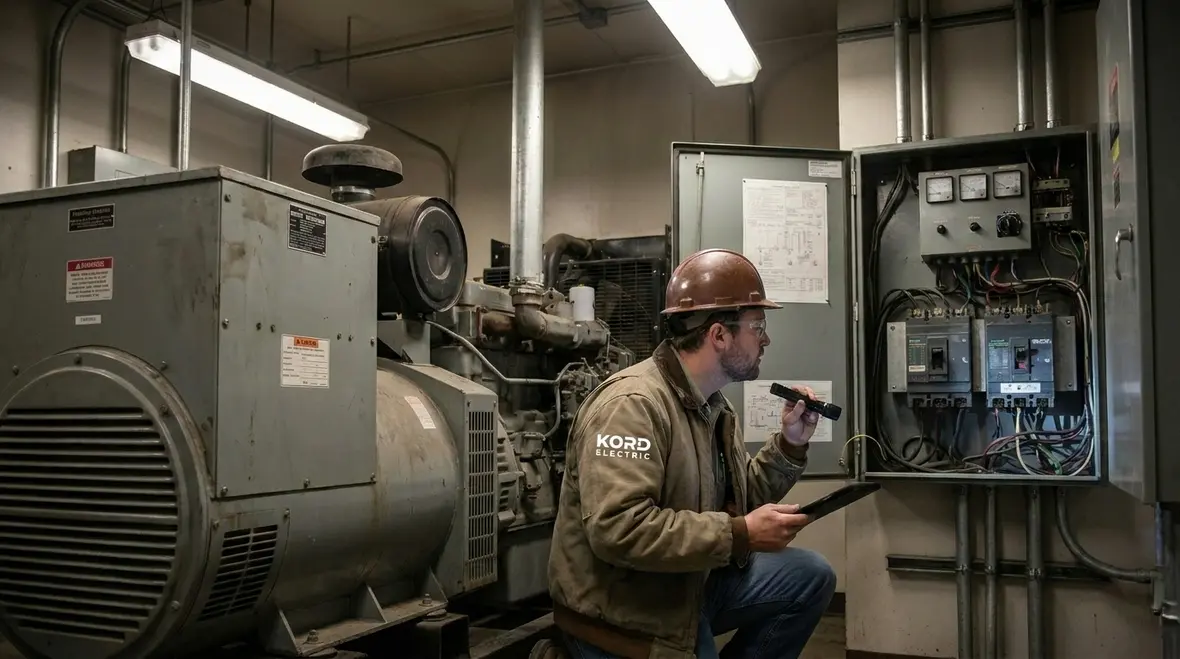
Others can talk about “reliability” all day. We focus on what reliability means when your production line, campus load, or facility controls start relying on electricity that must arrive on time, every time. Reliability in our world does not mean “nothing ever fails.” Instead, it means the impact of a failure stays small, controlled, and fast to recover.
We guide owners and electrical engineers to treat critical systems as a chain where every link matters. Then we strengthen the weakest links with proven redundancy approaches and clear switching logic. After that, our technicians verify the plan using tests and documented results. We do not just assume the system will work. We confirm it.
How Redundancy Prevents Downtime When a Component Goes Silent
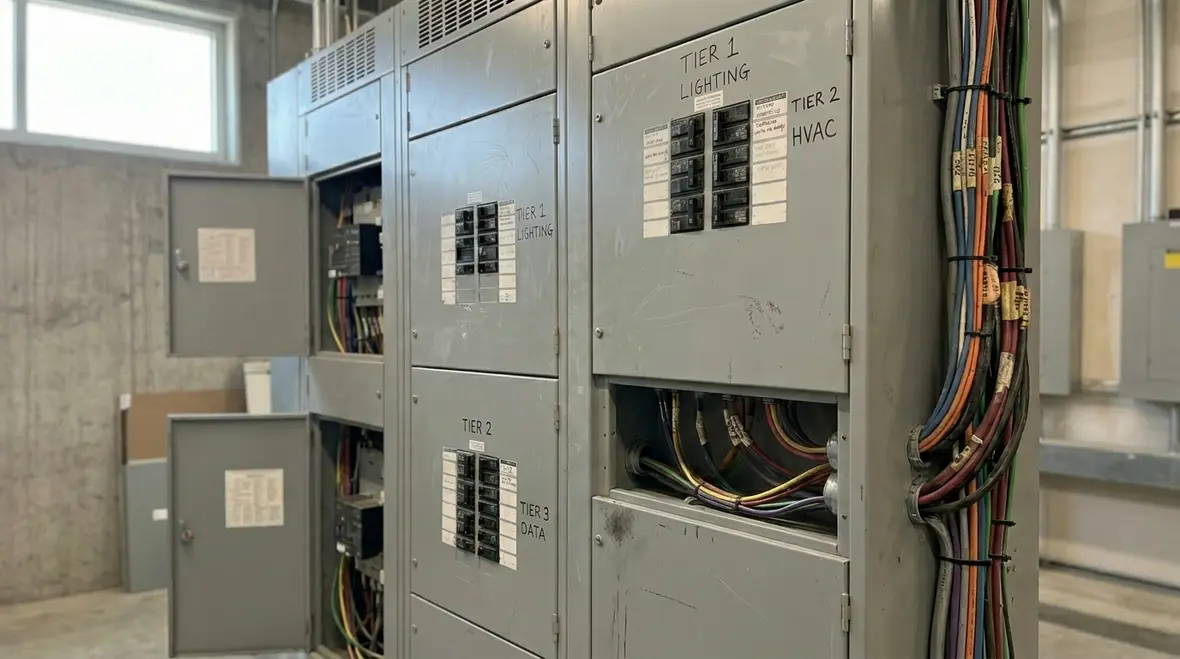
Redundancy does not only mean adding equipment. It means designing the electrical system so a failure in one path does not stop the mission. First, we identify what truly counts as “critical.” Then we separate loads into tiers, so essential circuits stay powered while nonessential areas can ride through or shed.
Next, we implement parallel feeding options for key panels and switchboards. We also coordinate protective devices so faults clear in the correct time window. If a breaker trips, it should clear the fault without taking down the entire facility. Meanwhile, transfer schemes help move load from one source to another, with smooth transitions that reduce the risk to sensitive controls and drives.
Finally, we confirm the redundancy with commissioning steps. Our expert service staff explains what they find in plain language, because the only thing worse than a power failure is a power failure paired with confusion.
Designing for Stable Power: Capacity, Voltage, and Transfer Timing
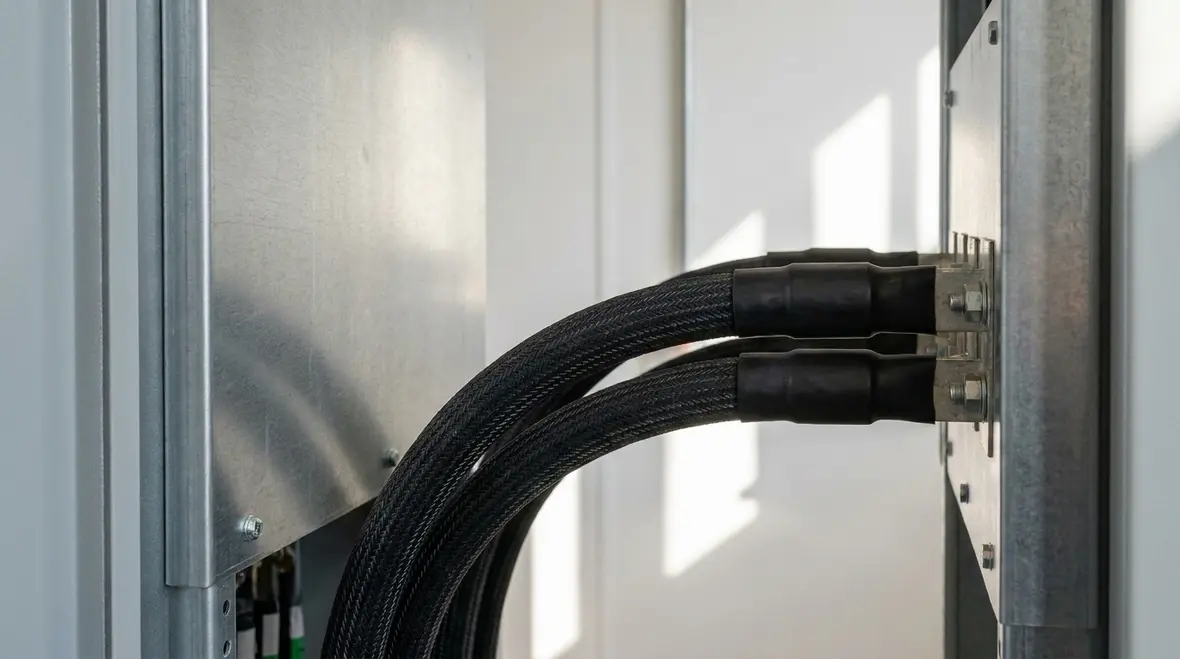
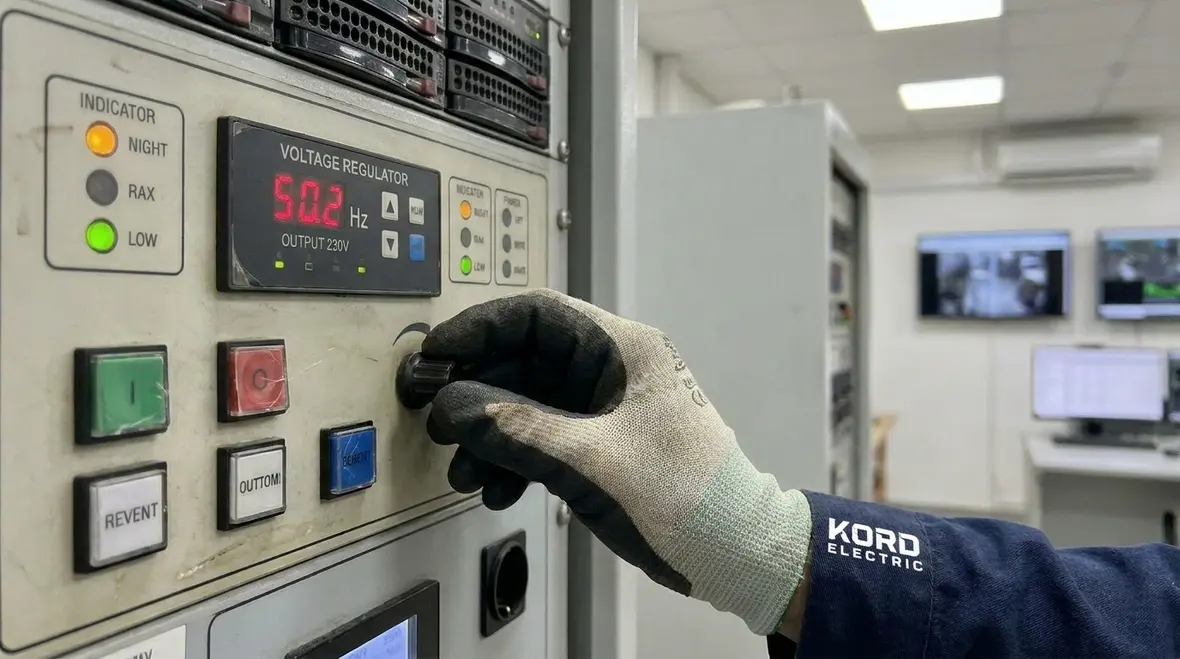
Even when redundancy exists, poor sizing or slow transfer timing can still cause trouble. That is why we address the full electrical behavior, not just the presence of backup power. For example, we evaluate standby generator sizing, starting current, and load diversity. Then we plan for voltage regulation so critical loads receive stable power during source changes.
We also pay attention to transfer equipment performance, including contact ratings and interlock logic. As a result, load does not bounce between sources. Instead, the system transitions in a controlled sequence, which protects motors, controls, and power supplies.
Our technicians review the facility’s operating profile and help teams avoid the classic mistake of “oversizing just to feel safe.” Oversizing can cost too much, while undersizing causes real issues. We aim for balanced capacity that matches actual needs and worst case scenarios.
Maintenance Plans That Keep Redundancy Effective
Redundancy only works when components stay dependable. Therefore, we align our approach with the maintenance mindset found in our commercial and industrial electrical maintenance plans. In short, we treat maintenance like prevention, not paperwork.
We build maintenance plans that include inspections, testing, and corrective actions tied to equipment type and risk level. For instance, we schedule torque checks for terminations, verify breaker operation, and confirm that transfer systems perform as designed. Additionally, we test protective coordination and review historical trip data so we can spot patterns early.
And when our expert service staff explains the plan, they do it in a way that managers and operators can use immediately. We tell you what matters, what it costs, and what happens if it gets ignored. That way, decisions stay grounded, not guessed. Because “let’s see what happens” is a strategy best left to fantasy leagues, not life safety and critical operations.
For facilities already working through nuisance trips or unstable voltage, pairing critical load redundancy strategies with structured preventive work and diagnostics can be powerful. Resources like Kord Electric’s guides on voltage fluctuations in commercial and industrial facilities and their dedicated electrical preventive maintenance services help facility teams line up daily operations with long term reliability.
Dual Feed Meets Real Life: Coordination, Selectivity, and Controls
Many facilities add backup gear, yet they still experience broad outages. Usually, the problem is not the concept of redundancy. It is the execution, especially coordination between protective devices and how control systems react during disturbances.
At Kord Electric, we emphasize selectivity. We want upstream devices to protect downstream equipment without clearing the entire system for every small event. So, we coordinate breaker settings, relays, and fuses. Then we validate that fault clearing occurs where it should.
We also help clients integrate control logic with operating needs. For example, critical loads may include process controls, refrigeration systems, security networks, and essential building automation. When these loads react unpredictably during power events, the system can appear “reliable” on paper but not in practice. Therefore, we review sequences of operation and confirm that automatic transfer, load priority, and shutdown logic align with real workflows.
In one recent style of project, we used a two-column planning approach to align maintenance tasks with system risk, so teams could see what moved the needle most. Our technicians then confirmed each item through testing, because a spreadsheet alone cannot stop a malfunction. (If spreadsheets could, we would all be millionaires by now.)
FAQ: Redundant Electrical Systems for Commercial Buildings
Call Kord Electric for Reliability Planning and Maintenance
Commercial and industrial facilities deserve electrical systems that stay steady under pressure. If you want redundancy that performs during real faults, we help you design for reliability, coordinate protections, and maintain every critical component with clear testing and documentation. Reach out to Kord Electric to review your critical loads, validate transfer logic, and build a maintenance plan your team can trust. Let us handle the boring parts, so your business stays on time. Contact us today.
If your facility is already thinking about long term reliability, consider pairing your redundancy plan with Kord Electric’s dedicated electrical preventive maintenance services. Coordinated planning, testing, and documentation keep critical load redundancy strategies aligned with real world conditions, not just original design intent.
When unplanned events do happen, having a partner who understands your system also matters. Kord Electric’s 24/7 emergency electrical services help stabilize faults, restore power, and protect sensitive equipment across commercial and industrial facilities. Combined with a thoughtful redundancy design, that support gives your operations a safety net from planning through response.


