
Data Center Electrical Reliability Best Practices
In commercial and industrial facilities, outages do not just interrupt work. They quietly erode trust, revenue, and schedules. That is why Data Center Electrical Reliability matters, and it starts before the first rack ever lights up. At Kord Electric, we focus on keeping electrical systems stable, so mission critical loads stay powered when they should. And yes, we know reliability sounds like a buzzword that shows up on a PowerPoint slide and then disappears. Still, our technicians and expert service staff treat it like a craft, not a slogan. In this guide, we share best practices for maintaining high availability across data center electrical systems, from power paths and protection to maintenance planning and testing.
How high availability is actually built into electrical design
When others talk about “high availability,” they often point to backups. However, the real work begins with design choices that reduce failure risk and keep power moving. We recommend data center operators align electrical architecture with the loads they serve and the tolerance they have for downtime. Then we plan redundancy in a way that avoids single points of failure.
First, utilities and onsite generation should feed the facility through reliable switching and distribution. Next, the internal power paths must be arranged so a maintenance activity does not force a full shutdown. For example, we help teams design distribution that allows selective isolation of circuits, because nobody wants an entire bus to go dark when a single feeder needs service.
In addition, we factor in short circuit performance, load growth, and future expansions. As a result, the system you install today can handle what you add next year, without turning upgrades into emergency work. That is the calm, deliberate approach we bring, because power systems prefer steady decisions.
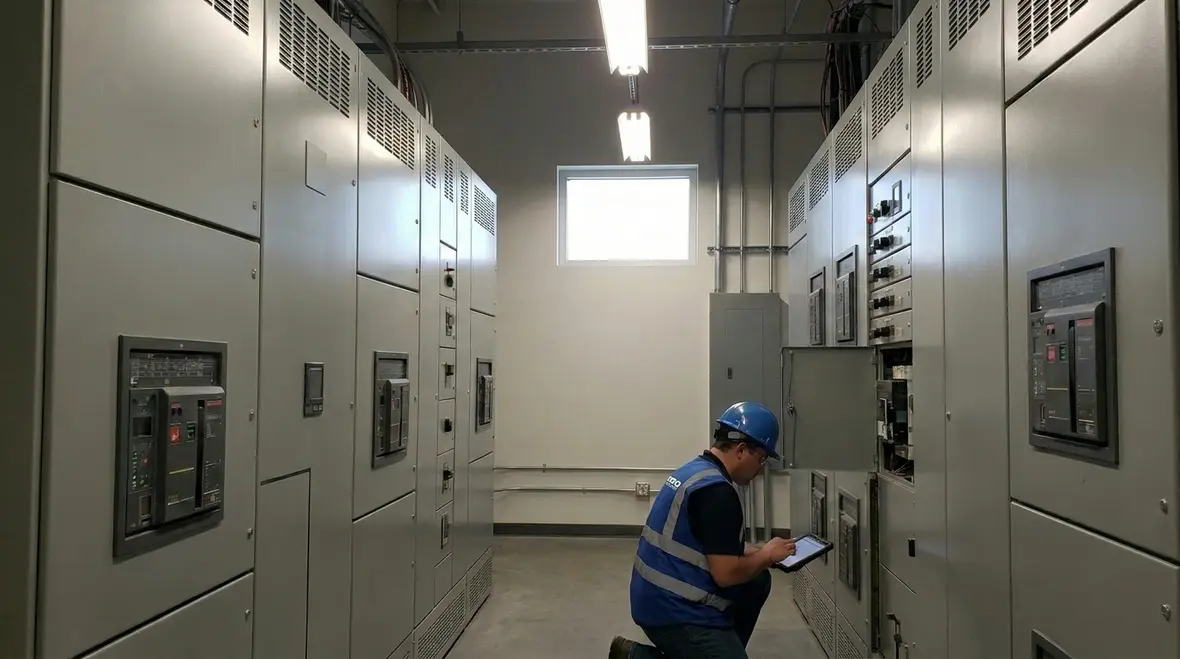
Thoughtful electrical design also sets the tone for everything that follows. When the one-line diagram is clear, selective coordination is achievable, and capacity is planned with intent, it becomes much easier to maintain uptime without improvising under pressure.
Know your power path and protect it like it matters
Data center electrical systems live or die by protection. So we treat relays, breakers, fuses, and coordination studies as core assets, not paperwork. Our expert service staff reviews the entire power path, from incoming utility gear to downstream distribution, then verifies the protection scheme matches actual equipment ratings and operating modes.
Why does this matter for availability? Because correct coordination keeps faults localized. If protection operates properly, one problem becomes a controlled event instead of a cascading blackout. Conversely, weak coordination can cause nuisance trips, delayed clearing, or worst case, failed switching when it is needed most.
We also emphasize clean, consistent documentation. Then we update it when designs change, when firmware updates land, and when test results show new patterns. After all, a system cannot be protected if the protection engineer and the field technician are reading different stories.
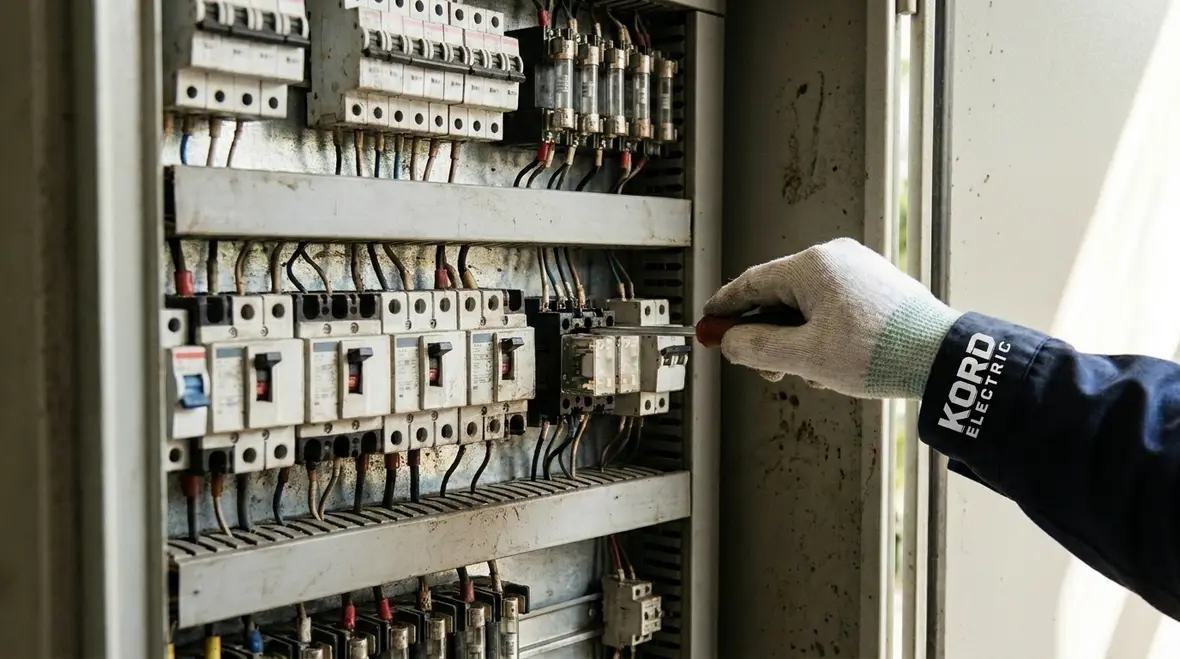
Over time, that documentation becomes the roadmap for safe switching, upgrades, and troubleshooting. When everyone trusts the drawings and settings, they can act faster and more confidently during events.
Maintenance that reduces downtime, not creates it
Preventive maintenance sounds simple, but it fails when it follows a generic checklist. We design maintenance around risk, criticality, and actual component wear. In other words, our plan targets what is most likely to fail, and what most impacts uptime.
Then we schedule work to protect uptime windows. If a component can be serviced while keeping critical loads energized, we build the outage plan that way. We also verify bypass capability and ensure switching sequences align with how the facility actually operates during events.
Just as important, we handle maintenance quality. Our technicians use proper lockout and test procedures, and we verify readings after any adjustment. We do not “set and forget” equipment, because reliability is not a one time purchase. It is a continuous practice.
And yes, we have heard the joke: “We will test it later.” Later always arrives, and it rarely arrives politely. So we encourage teams to test on schedule, log results, and adjust intervals when the data shows it is necessary. For facilities that want a deeper, structured approach beyond the data center, pairing this mindset with formal commercial and industrial electrical maintenance plans can turn maintenance from a chore into a strategic advantage.
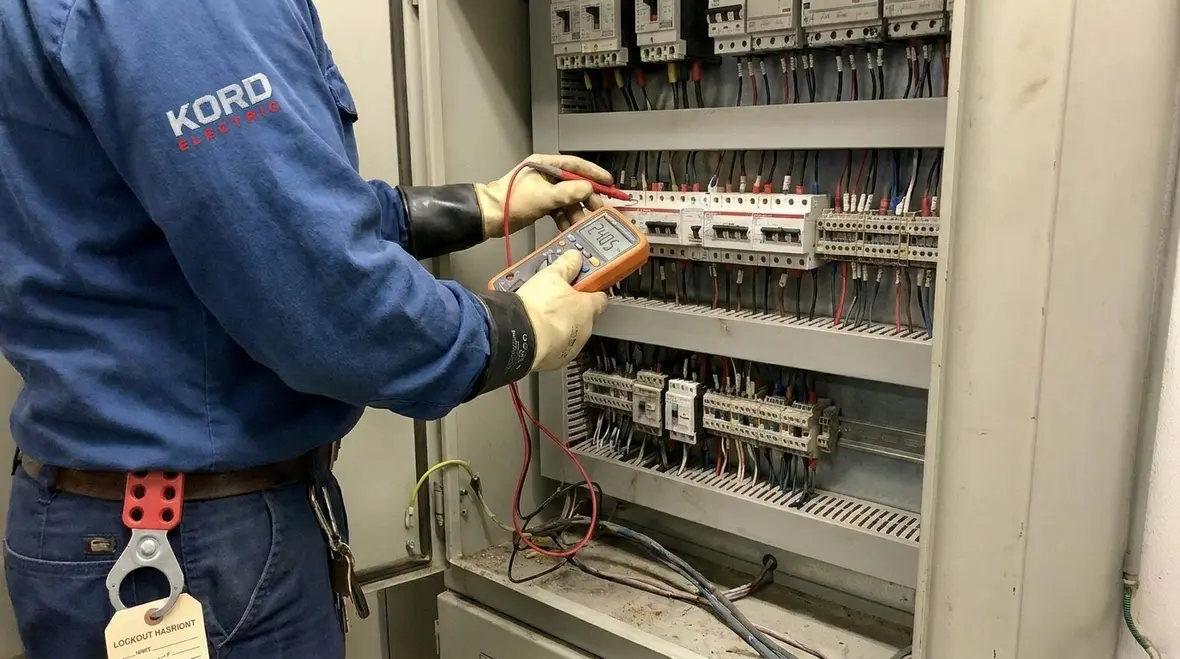
When maintenance is designed this way, it stops being the reason for unplanned downtime and instead becomes the reason unexpected downtime does not show up.
Thermal and electrical monitoring that catches problems early
High availability improves when issues get detected before they become events. Therefore, we push for monitoring that goes beyond basic alarms. We recommend measuring key parameters like load, temperature rise, contact health, and power quality. Then we connect those signals to maintenance decisions.
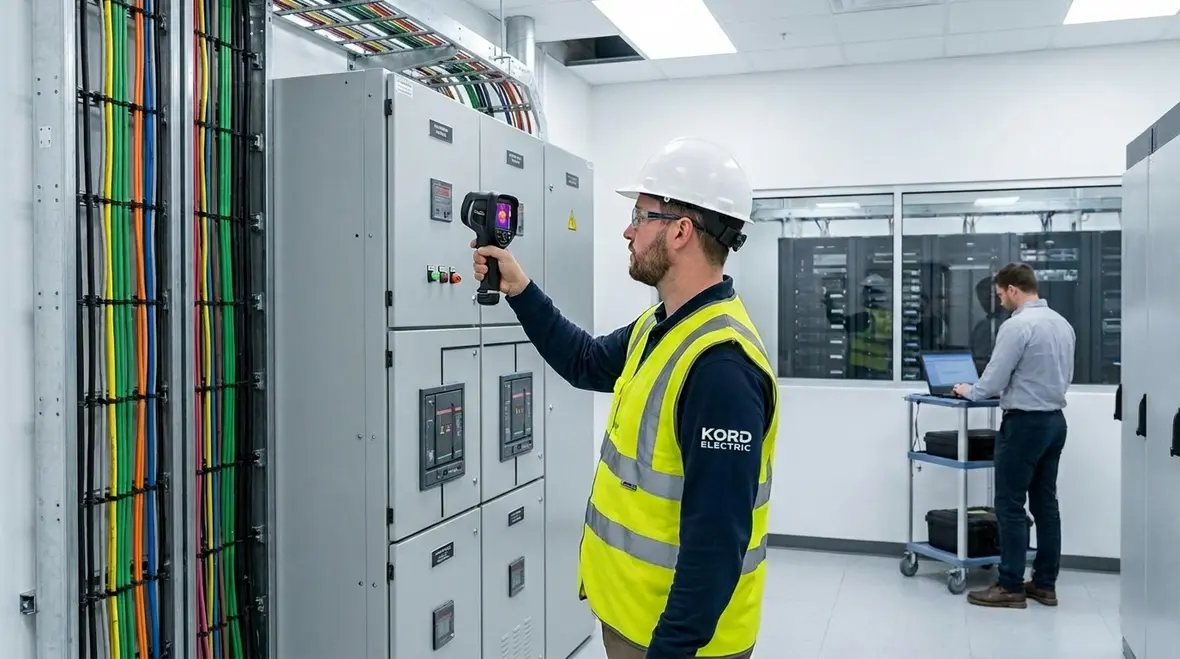
In practice, we help facilities use infrared scans, thermographic trending, and inspections that focus on connections and busbar systems. Loose terminations, degraded insulation, and abnormal heat patterns can appear long before a breaker trips. When we catch that early, we replace parts before they fail under load.
Power quality also matters. Harmonics, voltage sags, and unstable frequency can stress UPS systems, generators, and sensitive IT loads. So we verify that upstream power conditioning supports the downstream equipment. When the facility runs smoother, the whole electrical chain acts calmer, and that is what operational teams notice first.
Modern monitoring platforms can also support Data Center Electrical Reliability by feeding real-time analytics into dashboards for operations and facility leadership. Instead of reacting to alarms at 2 a.m., teams can spot patterns during the workday and plan interventions before anyone gets a late-night call.
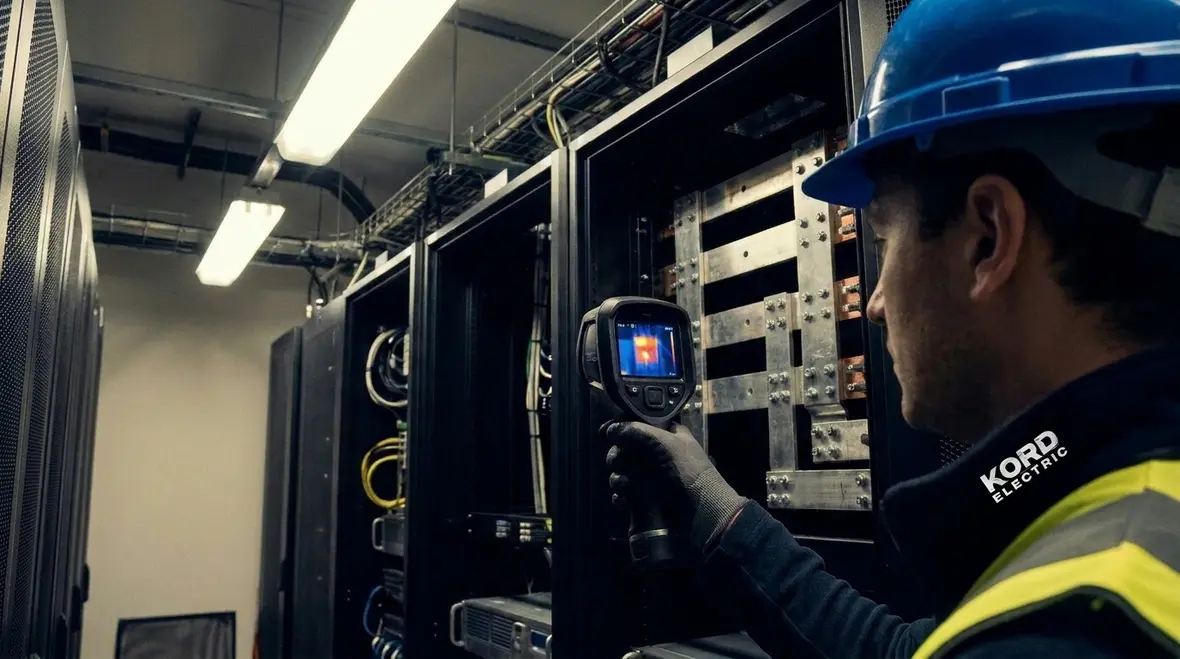
When monitoring is paired with clear action thresholds and responsibilities, it becomes a quiet, always-on teammate for both facilities and IT leaders.
Reliability testing and commissioning for real-world conditions
Commissioning is not a paperwork stamp. It is a way to confirm that protection, switching, and controls behave correctly under expected scenarios. That is why we support data centers with staged testing that mirrors operational reality. We verify transfer schemes, check sequence logic, and test alarms so the right people get the right information fast.
We also test under load where feasible, because empty tests can hide issues. For example, a control scheme can appear fine with no meaningful load current, then behave differently once real demand flows. We structure tests with safety steps, coordination with site teams, and clear acceptance criteria.
Finally, we review test outcomes and adjust settings where needed. Then we track results over time so teams can see trends. This is how Data Center Electrical Reliability holds up, not just during a first commissioning, but through the years.
Thoughtful commissioning also lays the foundation for future changes. When you know how the system behaves, adding new loads, integrating additional UPS capacity, or revising generator controls becomes a controlled project instead of a leap of faith.
Do not ignore connections, and yes, even the small stuff
In high availability systems, small problems become big problems. A degraded connection, a worn contact, or an overlooked installation detail can raise resistance, increase heat, and trigger unexpected trips. That is why we pay attention to how components get installed, how they get labeled, and how they get maintained.
We recently shared installation guidance for other building electrical work, including recessed lighting installation. The lesson transfers directly to data center quality. When a professional follows correct steps, uses the right materials, and verifies fit and alignment, the system performs longer and more reliably. In the field, we see the same pattern: careful installation reduces callbacks, and callbacks are expensive in dollars and reputation.
So we apply that same discipline to industrial gear, distribution panels, cable terminations, and support systems. Then we verify workmanship during inspections, not after failures. That approach keeps availability high and the team calmer than a Saturday morning sitcom.
Paying attention to these details also protects future projects. When circuits are labeled clearly, conduits are installed with room for growth, and panel schedules stay accurate, expansion work becomes far less risky.
Emergency readiness, switching plans, and staffing that holds up
Even the best design needs a strong response plan. Therefore, we help commercial and industrial facilities build emergency readiness around actual switching methods and clear responsibilities. We ensure teams understand how to operate in power transfer events, maintenance modes, and generator scenarios. Then we train them before something goes wrong.
Our technicians and expert service staff play a key role here. We explain procedures in plain language and we walk teams through the “why,” not just the “what.” When people understand the purpose, they make better decisions under stress. And in an emergency, stress always shows up wearing a hoodie that says “I’m fine.” It is not fine.
Additionally, we review spares strategy and repair timelines. Availability depends on how quickly you can restore service. So we help facilities define stocking plans for critical items, and we align vendors and service contacts so parts arrive without turning a fix into a waiting game.
When emergency procedures, staffing, and inventory are aligned with the electrical design, a “worst day” becomes something the team can handle methodically instead of chaotically.
FAQ
Conclusion: Let us help you keep power steady
High availability is not luck. It is a disciplined system of design, protection, maintenance, monitoring, and testing that stays true over time. Kord Electric supports commercial and industrial data centers and major property buildings with expert service staff who explain the plan, verify the results, and help reduce downtime risk. If you want Data Center Electrical Reliability built into your daily operations, contact us for a reliability assessment and a practical maintenance roadmap. We will bring calm expertise, not guesswork.
For facilities planning broader upgrades beyond the white space, coordinating reliability improvements with services like lighting installation for large-scale commercial and industrial properties can further support safety, visibility, and long-term performance across the entire site.
Whether you are building a new data center, modernizing an existing electrical backbone, or aligning multiple buildings around a common reliability standard, our team is ready to help you turn uptime from a wish into a well-documented system.


