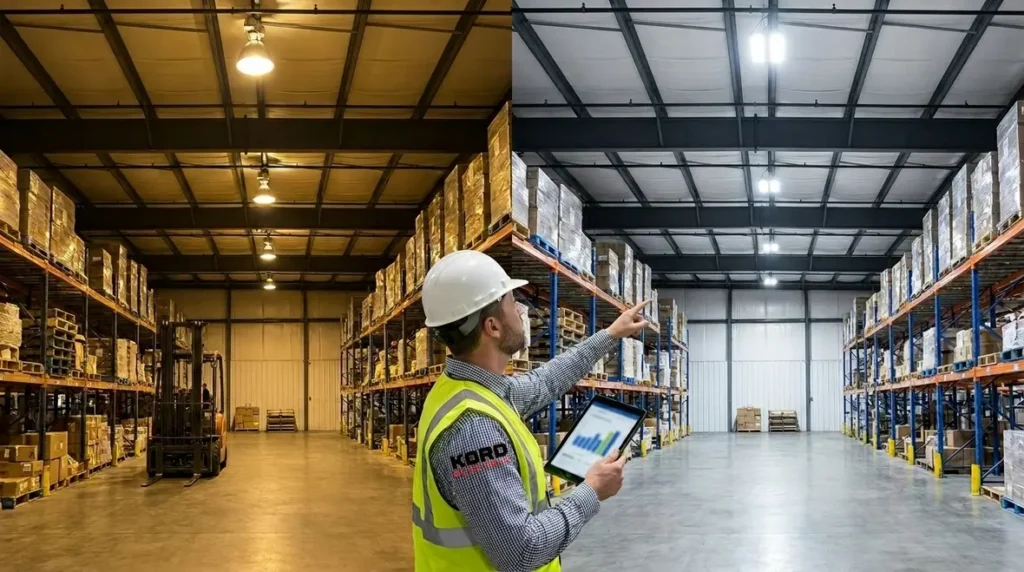
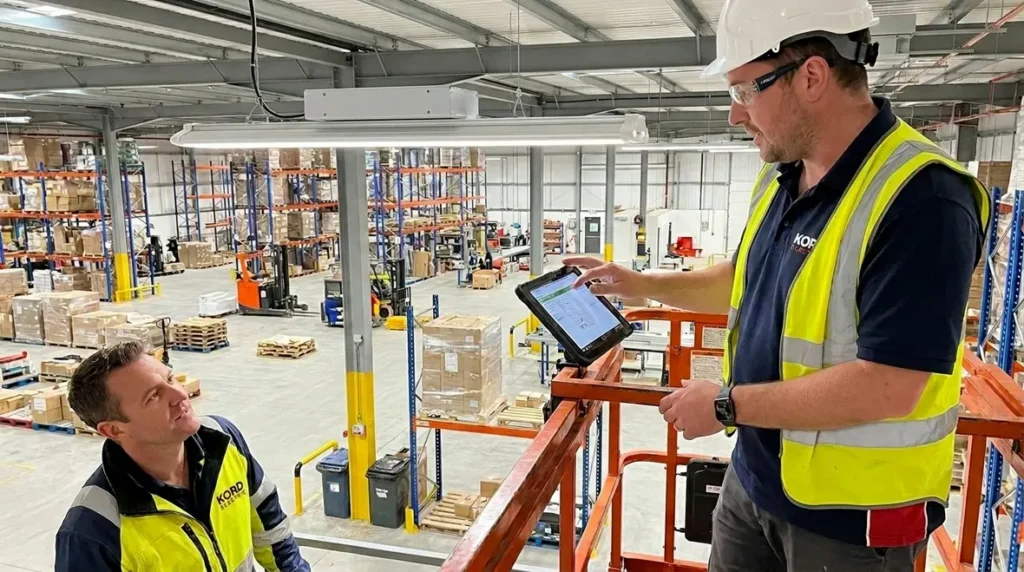
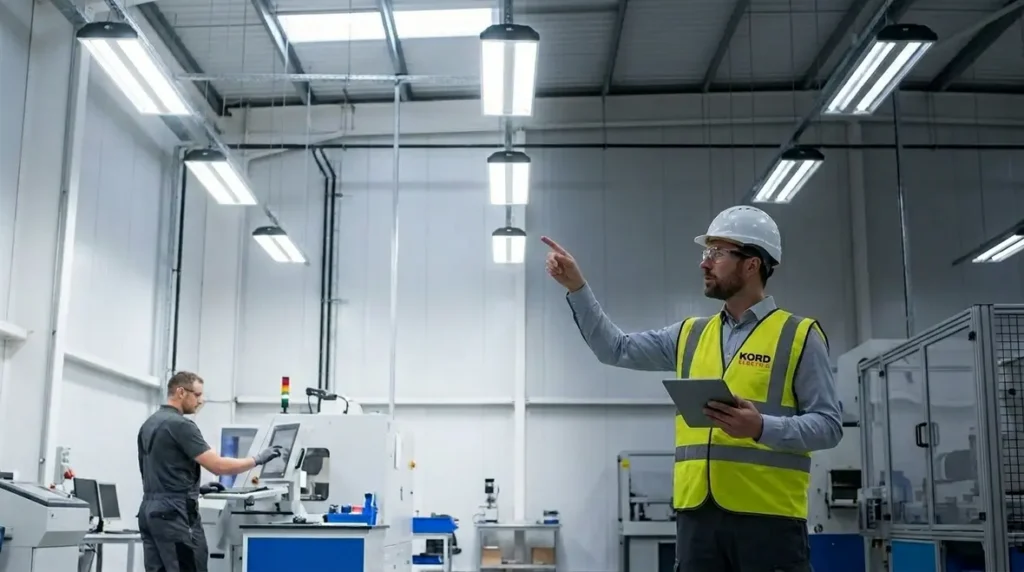
Industrial Lighting Layouts for Safety and Productivity
At Kord Electric, we build Industrial Lighting Layouts that keep people safe and help teams work faster, without turning your facility into a disco or a shadowy cave. We focus on commercial and industrial spaces, as well as major property buildings, because those environments have real risks and real output goals. In this article, we explain how our approach to planning Industrial Lighting Layouts supports worker safety, improves visibility, and reduces downtime. And yes, we also make sure the lighting plan makes sense to the humans who actually use it. Our technicians, and our expert service staff, walk clients through the choices step by step, because “trust us” is not a safety strategy.
Why worker visibility drives productivity in industrial spaces
In most facilities, productivity does not stall because people lack effort. It stalls because they lack clear vision. When lighting falls short, workers slow down to avoid mistakes. Then they adjust their routes, pause for extra checks, and wait for someone else to confirm what they are seeing. However, when the light is planned correctly, people move with confidence. They read labels faster, spot hazards sooner, and follow procedures without guessing.
Safety and output are linked, and we treat them as one system. For example, a well planned layout reduces harsh glare near machinery while still keeping the work zone bright enough to spot spills, damaged hoses, or loose parts. Meanwhile, the surrounding areas stay bright enough for safe walking and staging. And when we hear someone say, “The lights feel fine,” our technicians respond politely, then measure it anyway, because “fine” is how problems sneak into budgets.
Step by step: mapping tasks to light where people actually stand

Most lighting mistakes come from guessing. Instead, Kord Electric starts by mapping tasks to the exact locations where people stand, reach, lift, walk, or pause. Then we connect those points to a layout that supports the work. In the same way an architect plans doorways around foot traffic, we plan light around human movement.
First, we identify the work areas and the activity levels. Next, we review the surfaces involved, like dark floors, reflective machinery, or dusty walls. Then we choose mounting heights and aiming angles that keep the task area bright while preventing glare for operators and drivers. After that, we verify the layout through calculations and field checks during commissioning.
Our expert service staff explains what we are doing and why, in plain language. For instance, we do not hide behind spreadsheets. We walk facility managers through outcomes like uniformity, spill light control, and sight line improvements. In other words, you see the logic, not just the final fixture count.
How we design for safe walking paths, aisles, and staging zones

Even in high performing plants, people do not live in the workstations only. They move through aisles, cross marked lanes, carry materials, and stage pallets. If the Industrial Lighting Layout ignores those routes, then the facility becomes a risk map written in shadows.
So we design lighting that supports safe movement in all traffic areas. That means consistent illumination across floor planes, reduced flicker effects, and controlled brightness transitions from one zone to another. When light drops sharply near corners or at dock entrances, the eyes struggle, and the chances of missteps rise. Therefore, we aim for smoother transitions and better visibility at decision points like intersections, gate areas, stairways, and loading zones.
We also consider line of sight. Drivers of forklifts, movers using carts, and staff moving between departments need clear cues. Then, as part of our service approach, we help clients review the practical flow of people and vehicles. Our technicians do not just look at building drawings. They look at movement patterns, and they adjust the plan so the light follows the real path, not the one on paper.
If you want a deeper dive into how lighting affects traffic routes and risk, our post on workplace lighting safety hazards that hurt productivity walks through common issues our technicians see in large facilities and how better Industrial Lighting Layouts prevent them.
Glare control and surface reflectance: making sure light helps, not harms
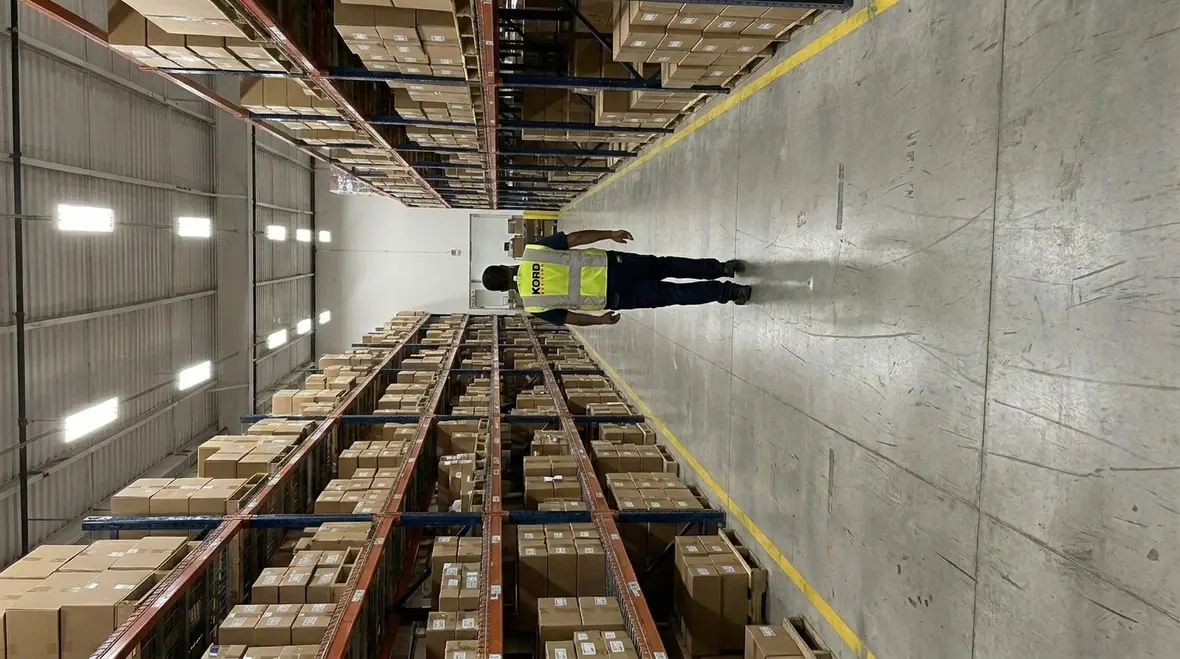
Glare can be as dangerous as dim light. When workers face high brightness from a wrong angle, they squint, lose contrast, or ignore details they should see. In industrial environments, glare becomes even more complicated because of polished metals, glossy floors, glass panels, and reflective machine covers.
That is why we treat glare as a design constraint from the beginning. First, we select fixture types that control beam spread. Next, we position and aim them to reduce direct views into eyes from typical working positions. Then we evaluate how surfaces reflect and scatter light. Dust, smoke residue, and normal grime also change how the space performs over time, so we plan for real conditions, not just day one.
Our expert service staff explains the approach in a calm, no drama way. We might compare it to trying to read a label in a car with the sun blasting through the windshield. You can technically see the label, sure, but you will also hate your life while doing it. Proper Industrial Lighting Layouts remove that frustration by keeping contrast stable and by reducing “hot spots” that cause visual fatigue.
Glare control also connects to compliance. If you are managing facilities in California or other tightly regulated regions, our guide on commercial lighting compliance in California explains how layout, fixture choice, and control strategies work together to satisfy inspectors and keep workers comfortable.
Planning maintenance for real uptime, not pretend uptime
Lighting that looks perfect during installation can still fail the next year if maintenance plans are missing. Lamps age, optics collect dust, and drivers hit fixtures. Therefore, we design for ongoing performance and we encourage maintenance strategies that preserve illumination levels.
Kord Electric supports uptime with practical choices like appropriate fixture housings, easy access for service, and schedules aligned with the environment. For example, heavy dust areas often need different maintenance intervals than clean offices inside the same building. As we work, our technicians document the as built setup so future adjustments remain consistent with the original intent.
Then we help facility teams plan the next steps. We explain when cleaning makes sense, when parts should be replaced, and how controls affect long term performance. Instead of vague guidance, we provide clear direction that helps your team keep lighting reliable without turning maintenance into a recurring mystery.
If your facility already runs structured electrical maintenance, our electrical preventive maintenance services can integrate Industrial Lighting Layouts into broader inspection and testing routines, so lighting performance does not become the weak link.
Controls and daylight strategy for energy savings without performance drop
Energy savings matter, but not if they cost safety. That means we plan controls so they reduce power where it is safe to do so, while keeping task visibility steady during operations. We also balance daylight because daylight can help, but it can also create glare and uneven brightness if handled poorly.
So we coordinate lighting levels with occupancy patterns, shift schedules, and natural light entering the space. Then we set control logic that avoids sudden dimming during critical work. In warehouses and production halls, where forklifts and moving staff rely on stable visibility, we design dimming and switching that protects the working environment.
Our technicians and expert service staff make the system understandable. We help clients learn what triggers control changes and what settings apply in each zone. In other words, you do not need a degree in electrical theory to operate your own lighting strategy. You just need a plan that works, and we help you get one.
For property teams evaluating upgrades, the commercial lighting upgrade cost guide walks through how controls, sensors, and Industrial Lighting Layouts affect both budget and long term savings.
Commissioning and measurement: proving the Industrial Lighting Layout meets the goal
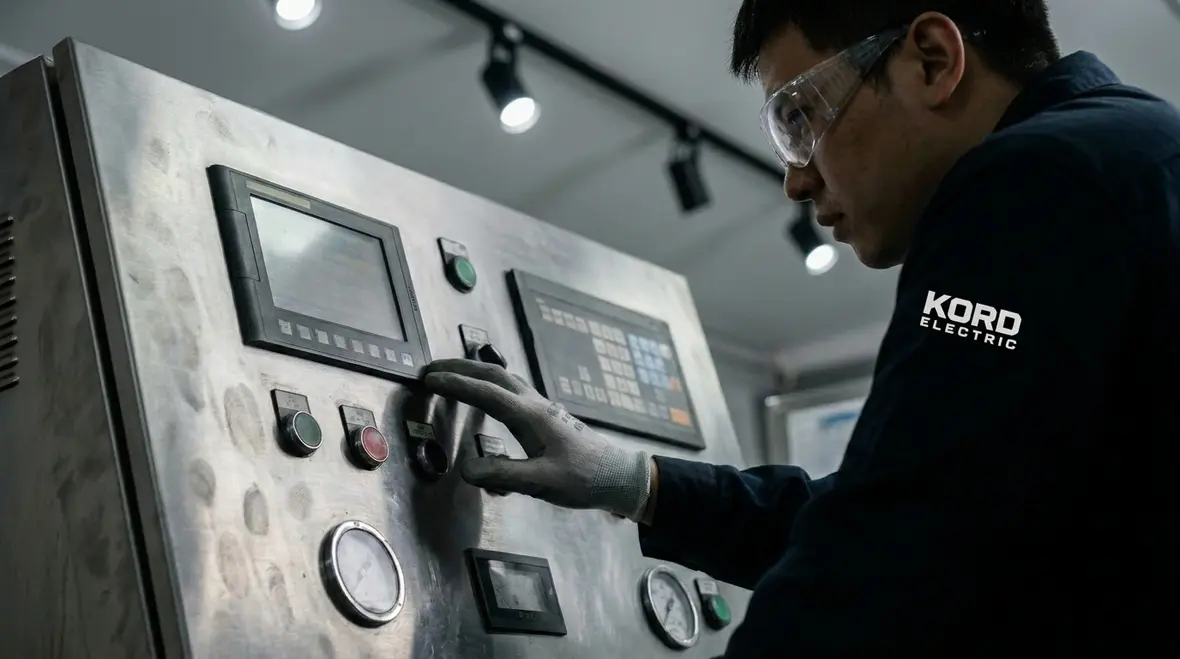
We do not stop at installation. Commissioning confirms that the lighting plan performs the way it was designed to perform. We measure illumination levels at key task points, check uniformity across aisles and walkways, and verify that glare control stays within safe expectations from typical viewing angles.
In addition, we validate lighting behavior under real conditions like normal shift use, door openings, and temporary obstructions. That matters because industrial spaces rarely stay perfectly static. Also, controls are tested so they respond as expected. Then we adjust if we find a mismatch between predicted results and field performance.
Our expert service staff keeps the process transparent. They explain what measurements mean in practical terms, what changes were made, and how the facility benefits. This is where the boring stuff becomes valuable. The end result is not just “lights on.” The result is confidence for workers and clarity for managers.
If your facility is planning a broader lighting install or retrofit, the process we use here aligns closely with our lighting installation services, which cover evaluation, design, installation, and commissioning for large commercial and industrial properties.
Is a lighting plan only about brightness?
No. Brightness alone can create glare and uneven contrast. We plan illumination, uniformity, beam control, and transitions between zones so workers see clearly and consistently. Industrial Lighting Layouts are about what people actually see and do, not just how many lumens show up on a spec sheet.
When we design a layout, we also consider color temperature, fixture optics, spacing, aiming, and how light interacts with finishes, equipment, and stored materials. A bright but patchy aisle can feel more dangerous than a slightly dimmer but perfectly uniform one. A task station with intense overhead brightness and dark surroundings can be more fatiguing than a balanced, well distributed scene. That is why we start with tasks, traffic, and risk, then build the lighting around them.
For facilities navigating strict codes, our resources on lighting installation code compliance and California commercial lighting code show how “not just brightness” becomes a compliance advantage as well as a safety advantage.
FAQ
Final word: let us light your facility the right way
We at Kord Electric design Industrial Lighting Layouts for commercial and industrial facilities, and major property buildings that demand real safety and real productivity. If you want workers to move with confidence, reduce missed hazards, and keep visibility stable across shifts, contact us. Our technicians and expert service staff will review your spaces, map tasks to light, and deliver a practical plan you can understand and maintain. Call Kord Electric today, and let’s turn your lighting from “it’s on” into “it’s working.”
If you are planning a new project or considering an upgrade, our lighting installation services bring this entire approach together for large commercial and industrial properties. From code compliance and safety to energy performance and long term maintenance planning, we help you implement Industrial Lighting Layouts that match the way your facility really operates.
And if lighting is only one part of your reliability strategy, pairing your layout project with structured electrical preventive maintenance makes sure the rest of your electrical system supports the visibility and uptime your teams rely on every day.