Industrial Arc Flash Protection and Safety
Commercial and Industrial Arc Flash Safety: How Kord Electric Helps Protect People
In industrial plants and major commercial properties, industrial electrical system arc flash protection is not a “nice to have.” It is the line between normal operations and a catastrophic event. Kord Electric helps facility teams reduce risk by applying practical arc flash safety practices that match real switchgear, real cables, and real operating habits. And we do it with technicians who explain things in plain terms, because safety plans should not feel like a cryptogram. To be clear, we treat arc flash like a serious engineering problem, not a team-building exercise where everyone “just stays calm.”
As we walk through the steps, we also keep a steady focus on what matters most: protecting your staff, keeping your equipment working, and helping others understand what to do during both daily tasks and abnormal conditions.
How arc flash risk forms inside real industrial setups
Arc flash risk grows from the way electricity behaves when it finds a fault path. For example, when someone opens a panel with energized conductors, when insulation breaks down over time, or when a tool or part creates an unintended short, the energy can release as an arc. Even short interruptions can create enough heat and pressure to injure workers and damage equipment.
Therefore, industrial leaders should not treat arc flash as a single moment. Instead, they should see it as a chain: system configuration, fault current, protection device settings, and how fast breakers clear faults. Each piece matters, and when those pieces do not align, the risk rises.
At Kord Electric, our experienced service staff often starts by mapping how power flows through the facility, then correlating that with typical work tasks. That is where many plants quietly stumble. People follow procedures, but the procedures do not match the actual hazard levels at that specific location. In other words, the plant has safety documents, but the field has reality.
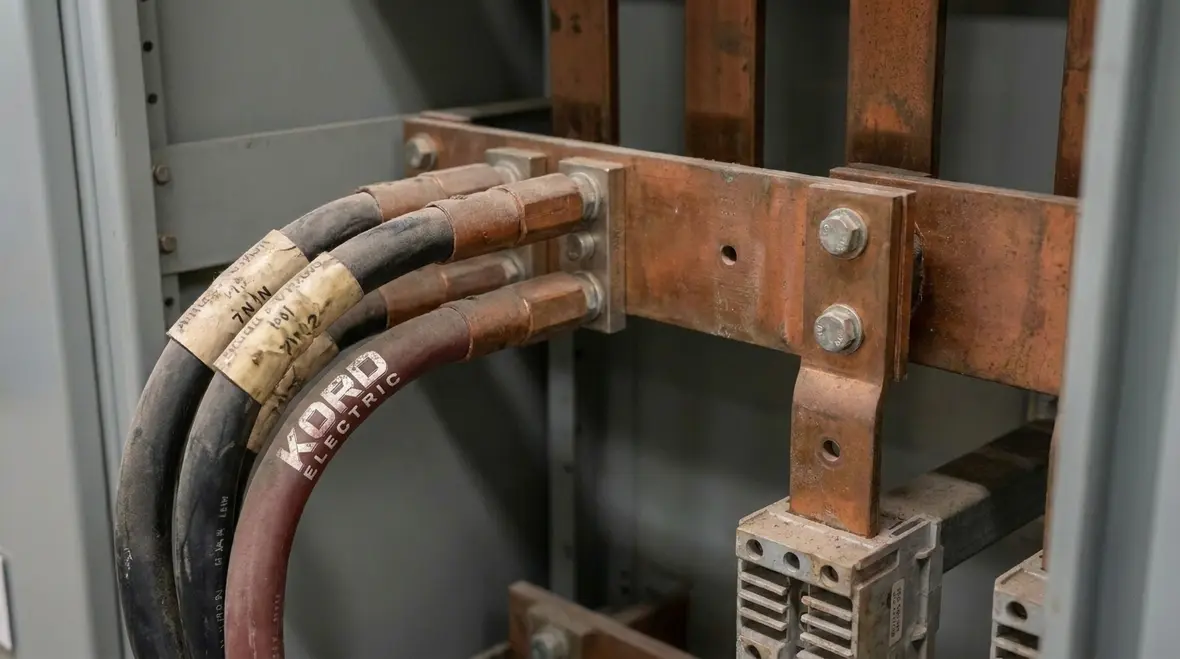
Arc flash hazard analysis: the part that turns guesses into proof
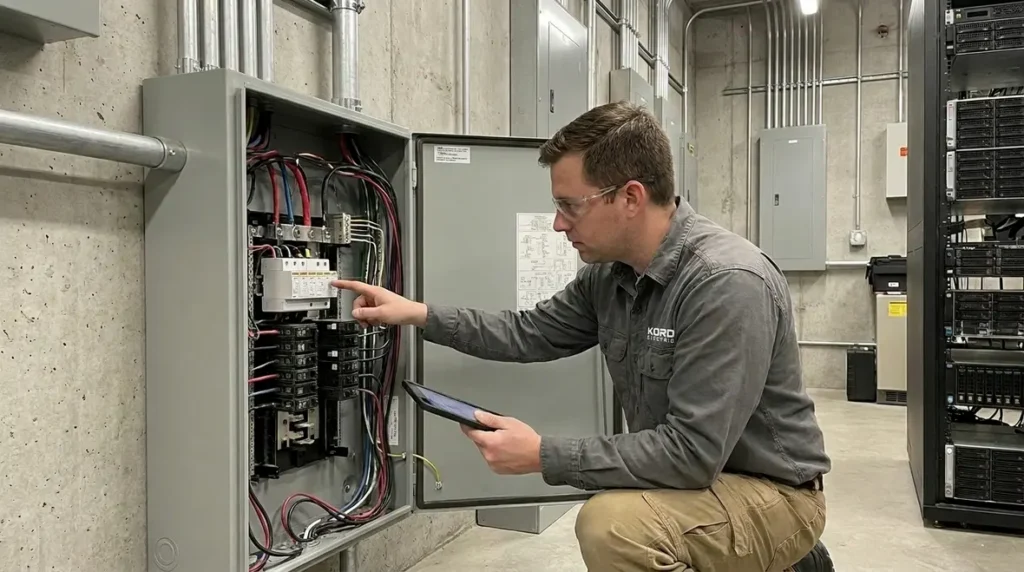
Next, the facility needs a proper arc flash hazard analysis. This is the work that replaces assumptions with calculations. It looks at fault currents, conductor types, equipment ratings, and the protective device behavior. Then it estimates incident energy at likely work distances so you can assign correct protective measures.
Because the analysis depends on the as built system, outdated one line diagrams and “we think it’s like that” wiring can sabotage the entire result. As a result, Kord Electric verifies documentation and, when needed, updates records so the analysis reflects the actual industrial electrical system arc flash protection needs.
We also help teams connect the analysis to day to day actions. That means labels, operating instructions, and training that reflect real switchgear compartments and real MCC or distribution sections. When workers understand where the hazard exists and why, you usually see better compliance, fewer “temporary shortcuts,” and faster decisions during routine maintenance.
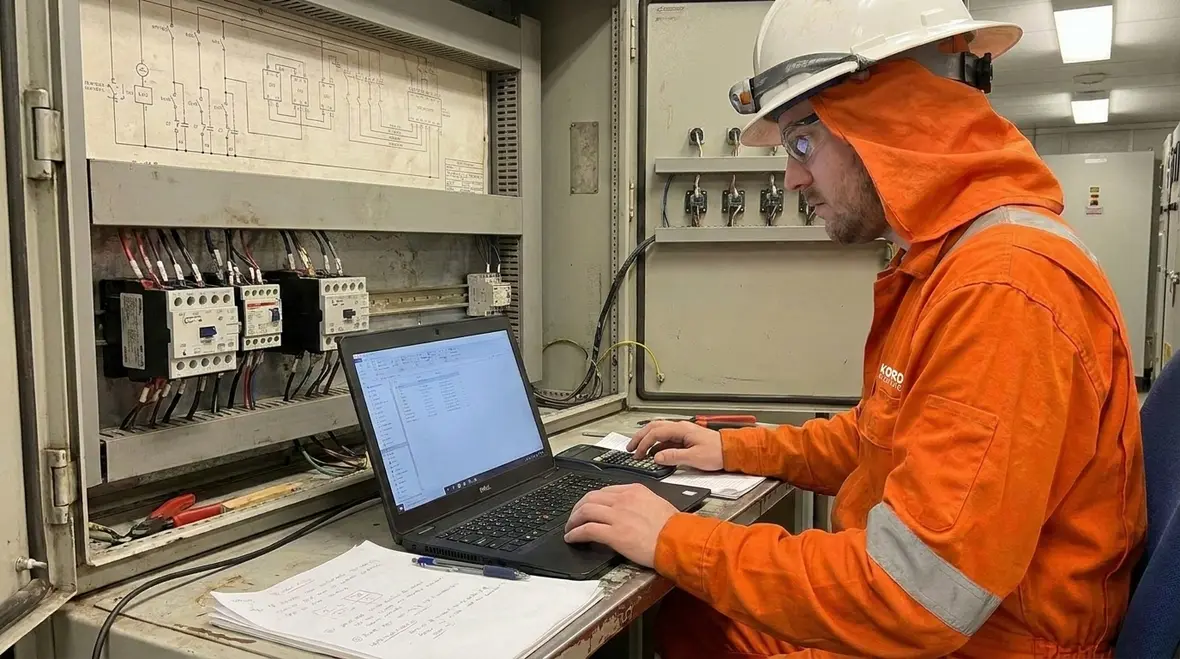
Work practices that protect staff during switching, testing, and maintenance
Even the best analysis cannot protect a facility if work practices do not match the hazard. Therefore, Kord Electric emphasizes arc flash safety practices that staff can follow during switching and troubleshooting.
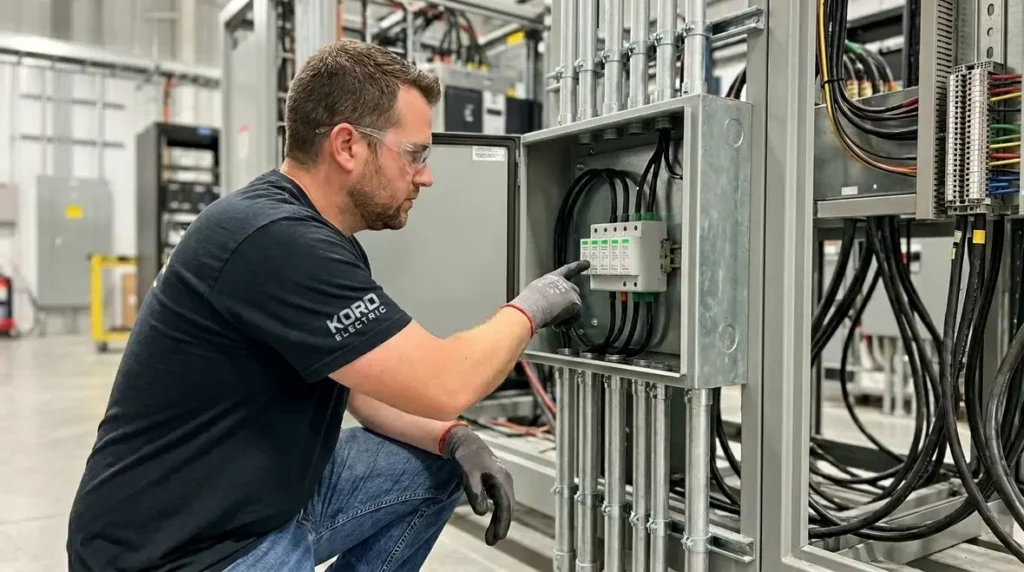
Common high risk moments include opening energized doors, working near live bus, clearing faults without proper lockout, and performing test procedures under time pressure. We help customers reduce these exposures by improving the method, not just the paperwork. Here is how the best practices typically show up on site:
- Clear boundaries around energized equipment and define approach limits so workers know when to stop and escalate.
- Lockout and verify steps that confirm de energization before hands go near conductors.
- Use correct test equipment and ensure testing procedures match the equipment category and rating.
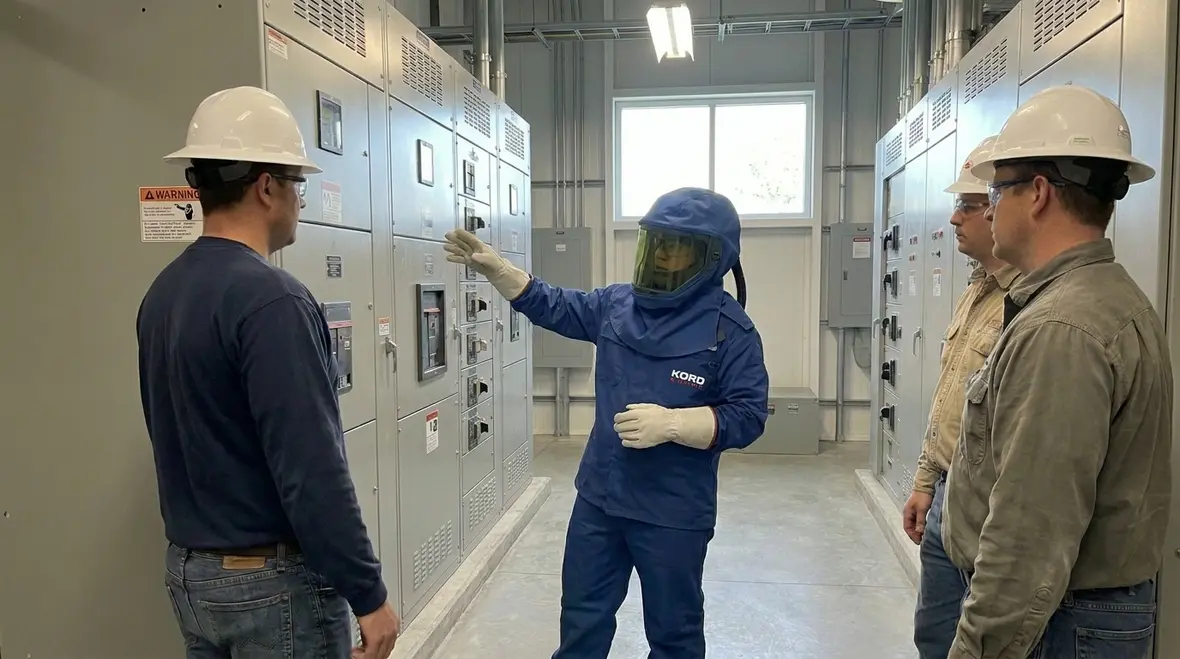
- Right PPE based on incident energy rather than “the closest label” or whatever someone wore last year.
- Controlled switching routines with documented steps and supervision when hazards increase.
And yes, we sometimes hear the classic line, “We’ve done it this way for years.” In industrial electrical safety, years can add up, but not always in the way you want. We aim to replace habit with evidence.
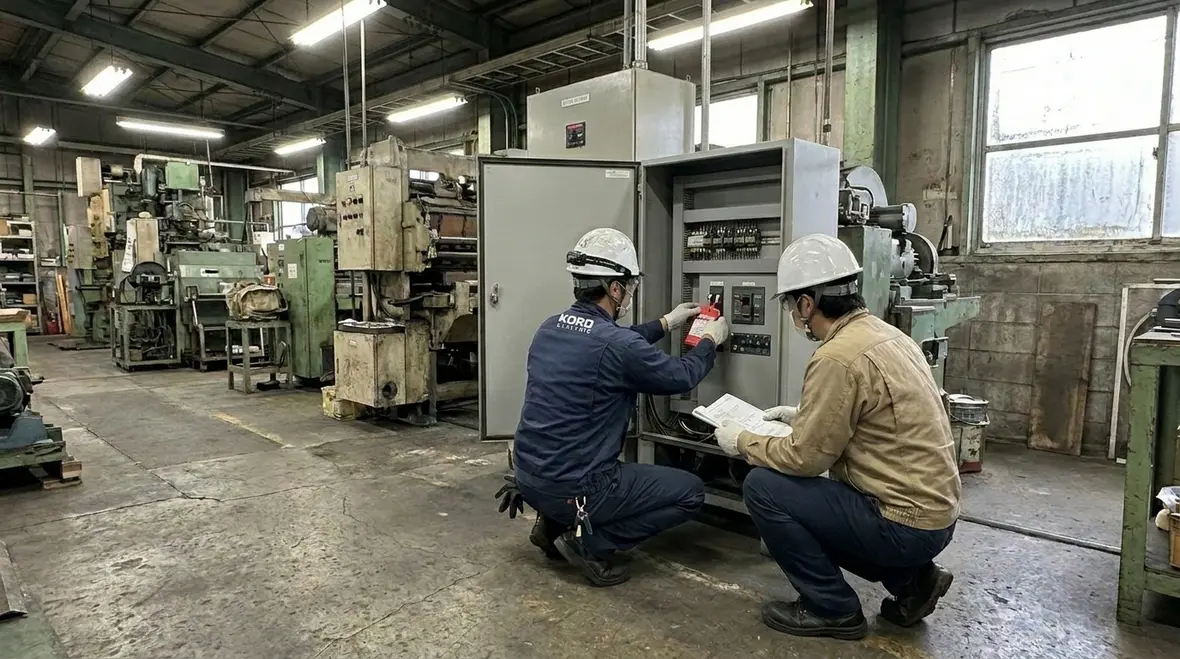
Coordination of protection: when breakers and relays must act fast
Now we move from safety behavior to engineering coordination. Arc flash events often become worse when protective devices clear faults slowly or inconsistently. Therefore, industrial plants must coordinate breakers, fuses, and protective relays so that faults clear within expected time frames.
For many facilities, the issue is not one broken component. It is coordination drift. Maintenance changes, equipment upgrades, and relay setting adjustments can shift the behavior of the system. Also, panel swaps and cable reroutes can alter fault current and affect clearing time.
Kord Electric works with facility teams to review protection settings and coordination margins. We also help clarify how industrial electrical system arc flash protection interacts with operational goals like selectivity and minimizing downtime. In business terms, you want your protection to trip the right equipment quickly, not to “teach the entire plant a lesson” by shutting down everything.
When coordination improves, workers benefit directly. Faster clearing time typically reduces incident energy at the work location. That means better alignment between the hazard analysis and the real world response of the system.
Voltage fluctuations and arc flash: the hidden stress on equipment
Sometimes the arc flash story gets told without mentioning power quality. However, fluctuations can stress insulation systems, motors, and protective components. The result can include nuisance behavior, overheating, and degraded performance that creates new failure paths over time.
Kord Electric often references our guidance on voltage fluctuations in commercial and industrial systems, because plants do not exist in a vacuum. When voltage swings become common, electrical equipment sees additional stress, and that stress can influence how faults develop and how protective devices behave. If you want the deeper background, you can review our resource on voltage fluctuations in commercial and industrial facilities.
Furthermore, when voltage quality issues show up, they can also mask underlying problems. A plant might chase symptoms like repeated trips while ignoring insulation deterioration or loose connections. Over time, that can turn minor defects into major incidents. Therefore, arc flash readiness should include power quality monitoring and maintenance planning, so the facility addresses root causes, not just alarms.
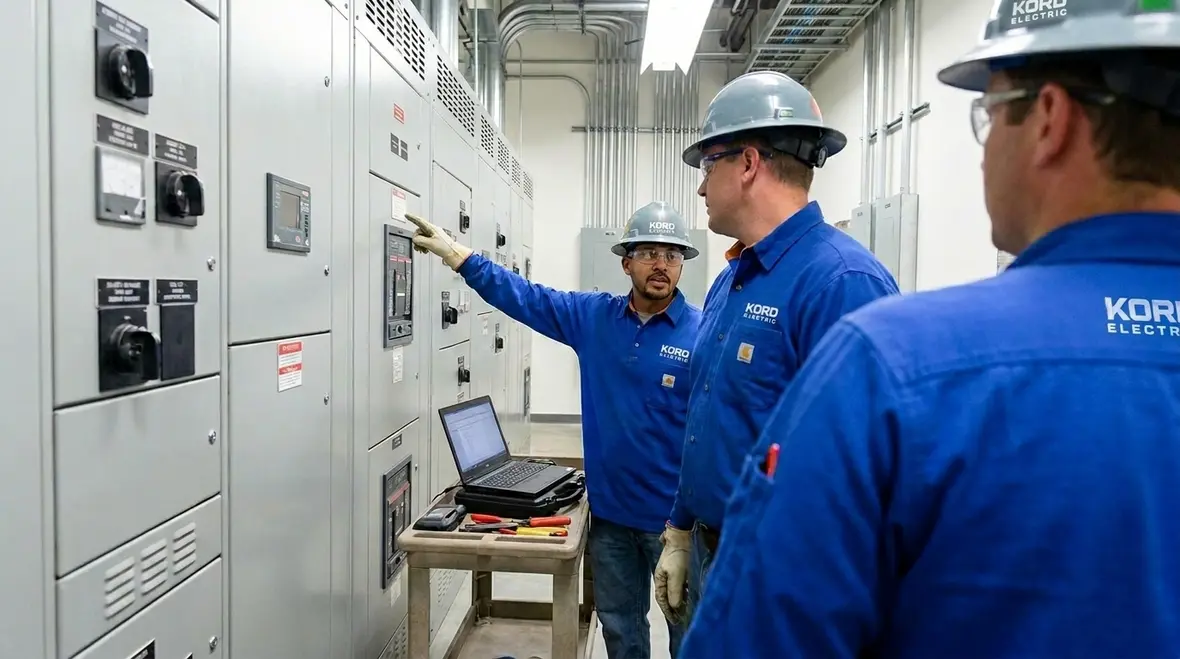
Our technicians and expert service staff explain these relationships without making it feel like a lecture. We connect the dots between what operators see on the floor and what engineers calculate in the control room.
If your facility team is also thinking ahead about reliability, Kord Electric can align arc flash studies with broader commercial and industrial electrical maintenance plans, so inspections, testing, and corrective work all support a safer, more stable system.
Training, labeling, and readiness that staff actually use
Finally, the human side matters just as much as the equipment side. Arc flash hazard labels and training must lead to correct actions under pressure. If workers cannot interpret labels quickly, or if the training does not match how tasks occur in that specific facility, the system will fail when it is needed most.
Kord Electric helps customers build a practical training approach for commercial and industrial facilities, including major property buildings. We focus on what matters for supervisors and technicians: how to identify PPE requirements, how to apply boundaries during energized work, and how to follow the facility switching plan. We also support the update cycle after modifications, because equipment changes can make older labels wrong.
We make time for questions, too. If a worker asks, “What do I do if the schedule changes and we need to open that section sooner?” our service staff helps craft the safest response, not a vague suggestion. That is how training becomes usable. And it is also how you avoid the safety version of a sitcom rerun where nobody learned the lesson.
In many cases, training and labeling go hand in hand with structured electrical preventive maintenance, so the same crews who understand the hazards are the ones maintaining breakers, testing protective relays, and confirming that labels and settings still match reality.
FAQ
Choose Kord Electric for calm, competent electrical safety
If your commercial or industrial facility wants arc flash safety that holds up in the field, Kord Electric is ready. We help your team with hazard analysis support, practical arc flash safety practices, coordination-focused reviews, and technician driven explanations that your staff can actually use. Then we help you keep things current when changes happen, because the plant never stands still. Contact Kord Electric today and let us build a safer electrical environment, the kind where people go home with their hands where they started.
For facilities that are also planning broader upgrades, our team can integrate arc flash and protection coordination work with large scale commercial electrical rewiring projects or targeted service work, so each project moves you toward a safer, more reliable system instead of creating new blind spots.
Whether you are focused on critical production lines, data centers, or campus-wide distribution, Kord Electric’s commercial and industrial services help align real-world work practices, protective settings, and power quality so industrial electrical system arc flash protection becomes part of everyday operations—not just a binder on a shelf.
If you are ready to take the next step toward a safer, more resilient facility, explore our dedicated electrical preventive maintenance services and see how ongoing inspections, testing, and reporting can support your long-term arc flash safety and reliability goals.