Data Center Power Quality Analysis for Uptime
Preventing Downtime With Data Center Power Quality Analysis
At Kord Electric, we focus on commercial and industrial facilities, including major property buildings, because downtime does not hit just one device. In a data center, it ripples through servers, storage, cooling controls, and the people on the other end of the login screen. That is why we rely on our Data center power quality analysis to spot electrical problems before they become outages. We do not guess. We measure. And then, we help the facility team turn those measurements into a clear action plan.
Our technicians and expert service staff explain what they see in plain language, so decisions move faster. After all, nobody wants to troubleshoot like they are hunting a ghost in a server room. Not even the ghosts seem to like that job.
If you are also considering how electrical design and redundancy support uptime, you can connect this analysis with broader strategies described in Kord Electric’s data center electrical requirements for uptime, which walks through mapping critical loads, transfer behavior, and power quality across the entire chain from utility to rack.
What power quality issues quietly break uptime
When people talk about power, they often picture a simple switch: on or off. However, power quality problems are usually subtler, and they build stress over time. For example, a facility can keep running through small issues, yet the equipment gets more wear than it should. As a result, components fail early, contactors chatter, and controls behave like they are caffeinated at the wrong time.
Our team looks for common categories that hurt reliability in high demand environments:
- Voltage sags and swells that push power outside safe operating windows
- Harmonics from drives, rectifiers, and UPS systems that heat equipment and distort waveforms
- Unbalanced loads that strain transformers and increase losses
- Frequency drift and transient events that can disturb sensitive electronics
- Neutral issues that show up as overheating and unexpected trip behavior
Then, once we find patterns, we map them to real operating periods like maintenance windows, generator transfers, and HVAC cycles. This helps others understand the “why,” not just the “what.” And yes, once you connect the dots, it stops feeling like a mystery novel and starts feeling like engineering.
In many facilities, these same patterns show up when designing distribution. That is why our data center electrical distribution design for reliability content emphasizes harmonics, thermal effects, and grounding as part of a single reliability story, rather than separate checkboxes.
How we measure and interpret electrical health
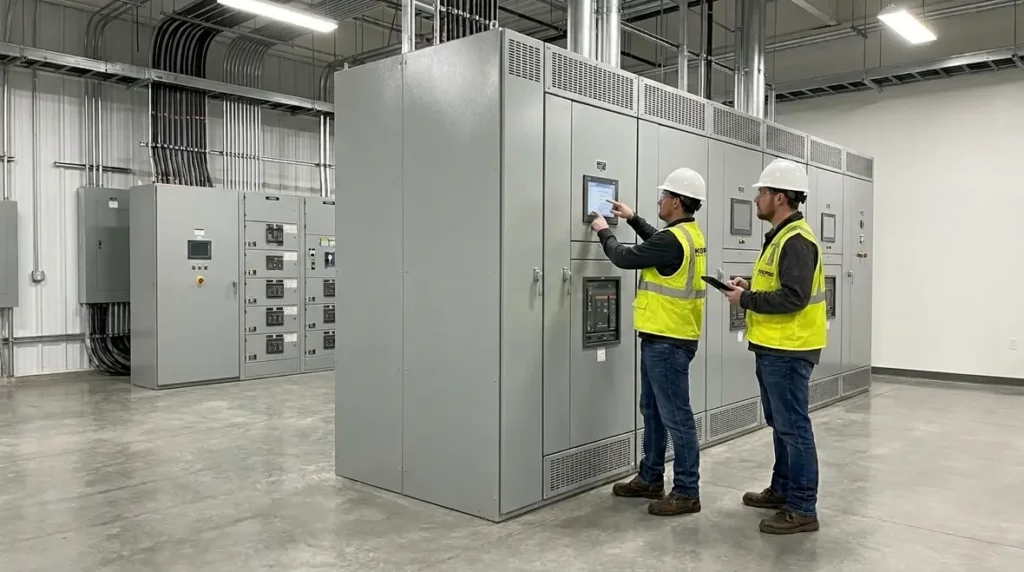
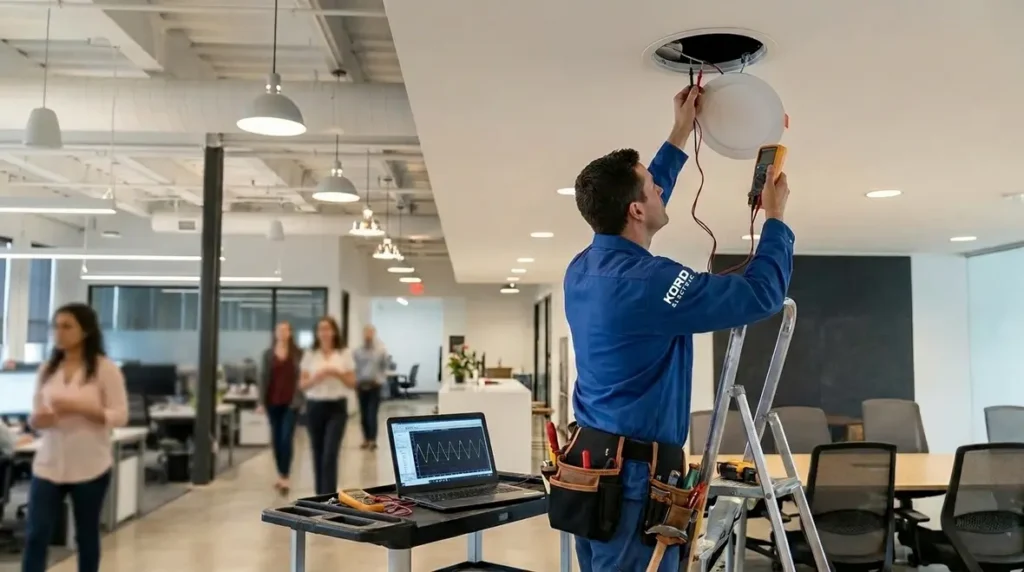
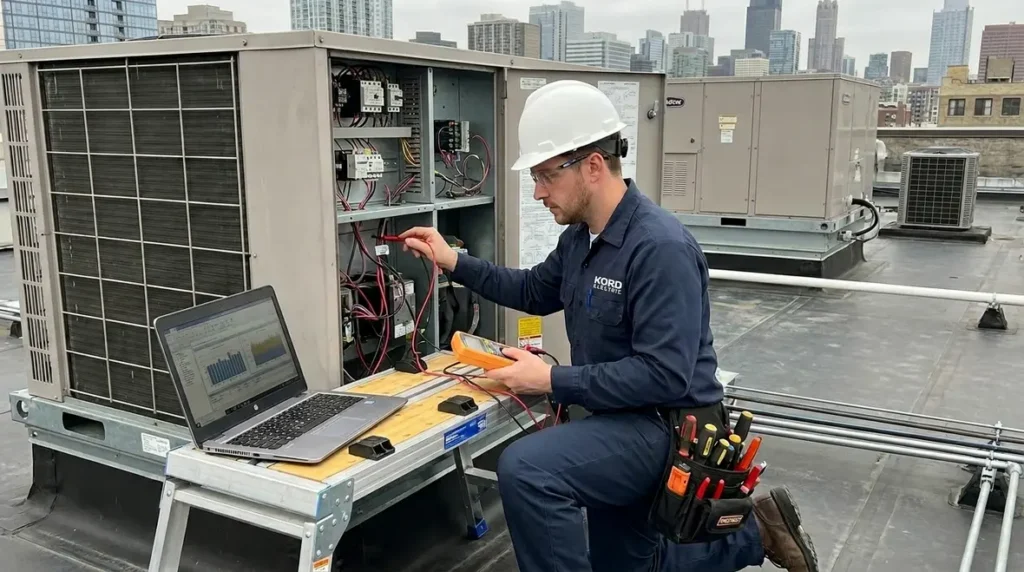
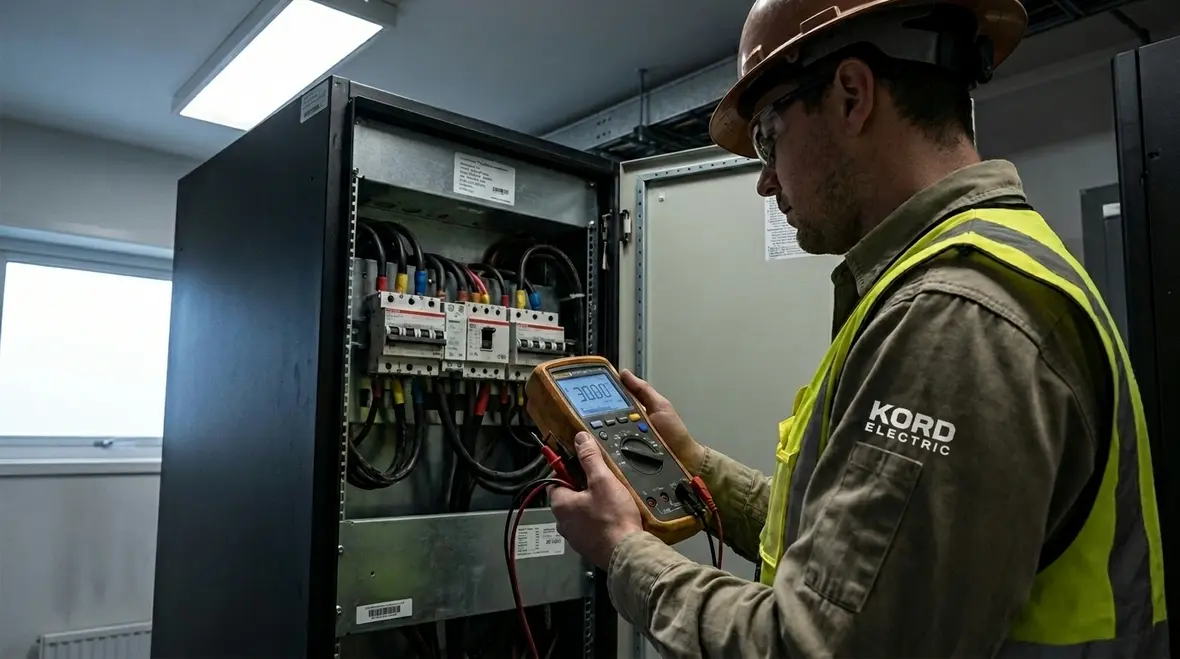
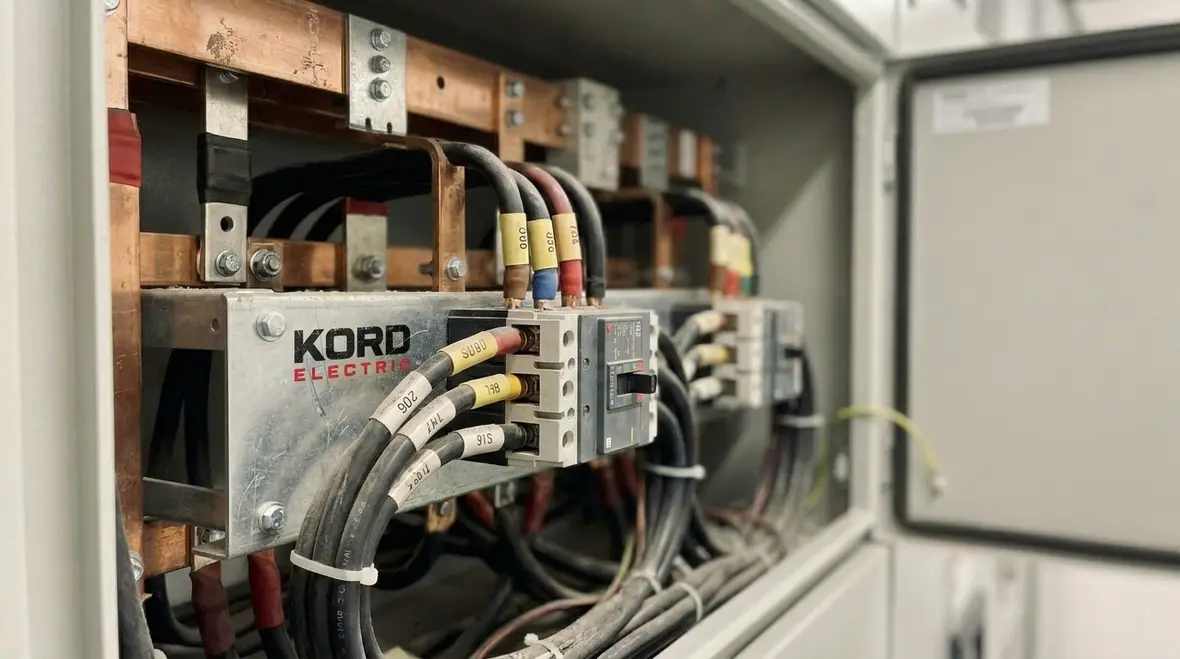
In the real world, readings matter. Our technicians bring the right instruments to capture voltage, current, harmonics, and event logs at the points where risk lives. During Data center power quality analysis, we focus on where the power actually feeds the load, including switchgear, UPS input and output, and critical distribution paths.
Instead of grabbing a few numbers and moving on, we measure long enough to capture both steady state conditions and short events. Then we interpret the data against equipment tolerances and good design practices. This is also where our expert service staff earns their paycheck, because the reports can look intimidating if you have not lived in this world.
To keep it practical, we usually translate findings into action language such as these:
- Which loads produce harmonic distortion, and when
- Whether the UPS is masking a problem or exposing it
- How grounding and bonding behave under load
- Where neutral currents create overheating risk
- Whether corrective steps reduce stress on downstream equipment
Afterward, we share what the data means for uptime. Furthermore, we help the facility manager understand what to fix first so the schedule stays realistic.
This same mindset shows up in how Kord Electric approaches data center electrical requirements for uptime: we align test results with redundancy, transfer schemes, and coordination so power quality is treated as a measurable outcome, not just a buzzword.
Why downtime starts long before the lights go out
Downtime rarely begins with a dramatic failure. Instead, it often starts with wear. For example, harmonic distortion can overheat transformers and cables. As heat builds, insulation life shortens. Meanwhile, voltage variations can stress power supplies and fan controllers. Over months, these stressors reduce reliability until the next event pushes the system past its limit.
Additionally, control systems and monitoring gear can misread signals when the waveform is distorted. Then operators see warnings that are confusing or inconsistent, and that delay costs money. We help reduce that confusion by showing correlations between electrical conditions and operational alerts.
Here is how we approach the “long before” phase in a structured way:
- We identify the critical path loads and protective devices that affect uptime
- We isolate the electrical signatures that align with events like load changes
- We confirm whether protective settings match actual power behavior
- We prioritize fixes that protect the most sensitive equipment first
And yes, we sometimes hear a joke like, “Our power is fine, because everything is still running.” That is true in the same way a car still runs while the check engine light screams in Morse code. It runs until it does not.
Turning analysis into corrective actions that fit operations
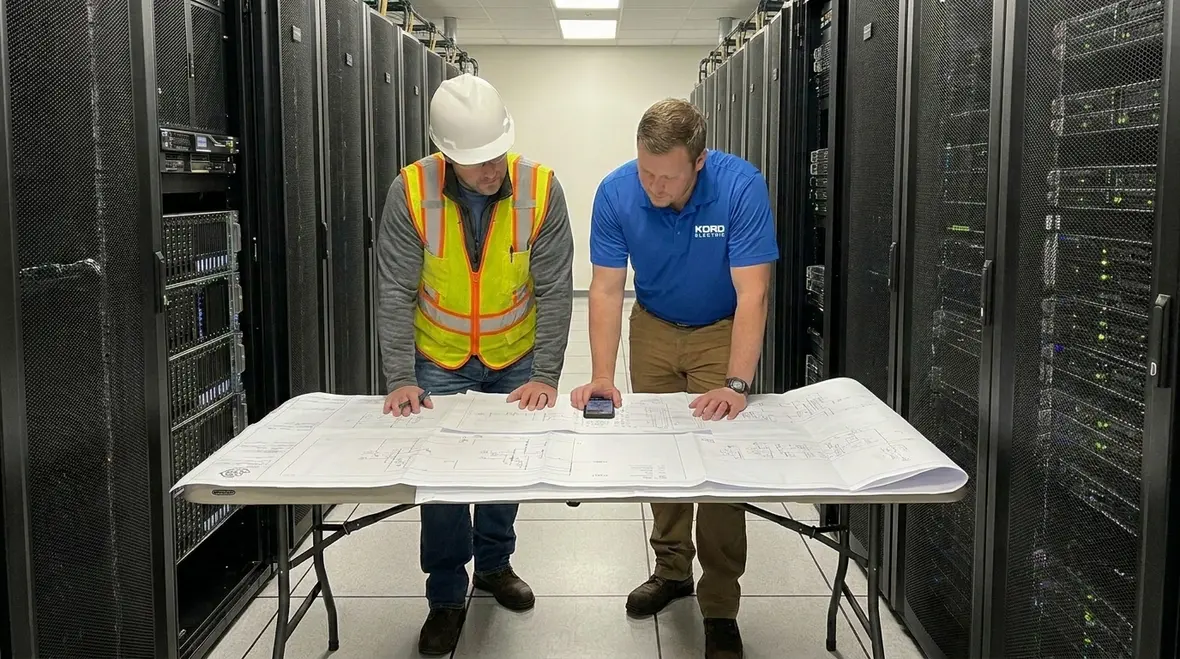
Measurement is the start, not the finish. Kord Electric builds a plan that fits how commercial and industrial facilities actually operate, especially when critical systems cannot simply pause for a week. Therefore, our technicians propose corrections in steps, often beginning with the lowest disruption options.
Corrective actions often include a mix of design, maintenance, and tuning. Depending on what our analysis reveals, we may recommend:
- Harmonic mitigation such as filtering strategies that match the measured spectrum
- Load balancing improvements to reduce phase stress and neutral overload
- UPS and transfer configuration checks to ensure proper behavior during transitions
- Breaker settings verification so protective devices operate within real conditions
- Grounding and bonding review to reduce noise and improve stability
We also help teams coordinate with other trades and building operations. For example, if the issue spikes during cooling compressor cycles, we align the electrical recommendations with the mechanical schedule. Then the facility team sees fewer surprises, and the project stays on track.
Importantly, our expert service staff documents assumptions and explains tradeoffs. That way, others can make decisions with confidence rather than with hope.
Case style insights from the field for major buildings
We serve data centers and major property buildings where reliability is not optional. In real installs, we often see patterns that repeat across sites, and those patterns help clients move faster. Consider a common scenario: the facility reports “random” alarms. However, after we perform Data center power quality analysis, the “randomness” aligns with specific load steps or UPS mode changes.
In another example, a team notices elevated cable temperature near distribution points. At first, they suspect an installation problem. Then our measurements show unbalanced phase loading and neutral current stress that the thermal camera alone could not explain. After we recommend balancing actions and targeted corrective adjustments, temperatures stabilize and nuisance trips drop.
And sometimes, the facility thinks the generator is the villain. Yet the data shows that the waveform distortion increases during certain switching events, not during generator run time. As a result, the team focuses on transfer behavior and device tuning rather than replacing hardware.
These outcomes happen because our technicians do not stop at “it looks bad.” Instead, we connect electrical behavior to operational reality. Then our clients get clarity they can act on.
For many operators, these insights pair well with Kord Fire Protection resources on specialized fire protection for data centers with sensitive data, where electrical reliability and suppression strategy work together to keep uptime from turning into a headline for the wrong reasons.
FAQ: Data center power quality analysis for uptime protection
FAQ: quick answers others ask before scheduling
Related reliability and protection services
Power quality is one layer in the uptime stack. For data centers and major property buildings, it connects directly to fire protection and suppression strategy. If you are reviewing risk holistically, Kord Fire Protection’s data center fire protection and NFPA 75 guide and data center clean agent fire suppression resources show how detection, clean agents, and pre action systems support the same uptime goals that Data center power quality analysis is designed to protect.
When you combine stable electrical performance with the right suppression system for data center operations, you reduce the chances that a single fault, arc, or overheating event turns into something that tests both your power infrastructure and your fire protection at the same time.
Explore pre action fire suppression for data centers to see how controlled water release, detection logic, and clean agent systems can be coordinated with the same mindset you bring to Data center power quality analysis and electrical reliability.
Conclusion: schedule your next reliability check with Kord Electric
Power quality does not improve by accident, and uptime does not protect itself. At Kord Electric, we deliver Data center power quality analysis with a measured approach that helps commercial and industrial teams prevent stress, reduce nuisance alarms, and lower the odds of real downtime. Our technicians and expert service staff explain findings clearly and recommend actions that fit how your facility runs. If you want fewer surprises in your switchgear, UPS, and critical loads, contact us today to schedule an assessment.
For operators who want to align electrical reliability with fire protection and code compliance, pairing this service with Kord Fire Protection’s data center fire code compliance and specialized data center fire protection offerings creates a unified strategy: measure, mitigate, and maintain before small issues grow into outages.