

Data Center Power Quality Audit for Uptime
Data Center Power Quality is not a buzzword for us at Kord Electric. It is a daily factor that can decide whether your servers hum along or your uptime starts acting like a broken Wi Fi router. When voltage dips, harmonic noise climbs, or surges slip through, the impact often shows up later as unexpected reboots, slow backups, or alarms that arrive too late. That is why we improve data center uptime through a power quality audit that focuses on what the electrical system is doing right now, not what it did “back when everything was installed.”
What power quality audit means for a data center that cannot afford surprises
In a commercial or industrial data center, the power system is the quiet backbone. Yet it rarely stays “quiet” once the building load changes, a switchgear component ages, or a new UPS cycle behavior appears. Kord Electric treats a power quality audit as a practical investigation. First, our team measures key electrical signals across the facility, including at panels, critical loads, and at the path your UPS and transfer equipment rely on.
Next, we compare the data to the real operating conditions of your rooms. Then, we map what we found to likely causes. This approach helps others avoid the classic mistake: replacing equipment based on assumptions and hoping it fixes the issue. Like a TV detective who never checked the camera footage, that method costs money and time. We do better. We document, we explain, and we align the findings to the risks your operation cannot tolerate.

How our technicians track the real causes of downtime
Others sometimes assume downtime comes from the IT layer alone. However, our experienced service staff at Kord Electric knows that electrical problems often imitate IT problems. A tiny power irregularity can cause a power supply to switch modes or force a protective shutdown. As a result, the data center sees a failure event without clear electrical context.
Our technicians use measurements that look beyond simple on off power. They evaluate voltage stability, frequency variation, transient events, and harmonic patterns. Additionally, we check how loads behave during peak demand and during maintenance states. That matters because a data center does not run the same way at 2 p.m. on Tuesday as it does during a planned change window.
When we perform the audit, we also review the system design and past service history. Then, we ask the questions that matter: how often do alarms occur, what loads stack together, and where does the event trace point electrically? After that, we explain the story in plain terms. We do not hide behind jargon. We help your facilities and operations teams understand what the data means and what to do next.
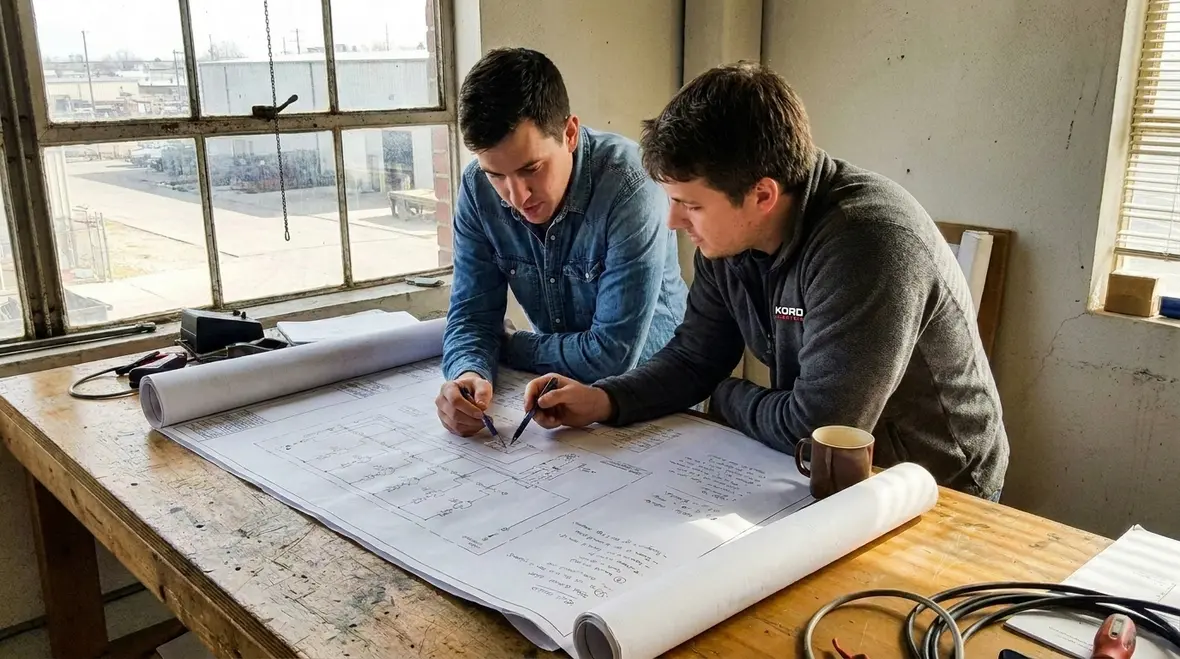
Key data points we measure to strengthen Data Center Power Quality
To improve uptime, we focus on the measurements that most often connect to real failures. First, we check voltage sags and swells at the points that serve critical gear. If your UPS is doing more work than it should, it can still deliver an output that masks deeper issues upstream. Then, we evaluate harmonic distortion, because nonlinear loads can heat conductors, strain transformers, and confuse protective devices.
Next, we examine transient conditions, such as switching events, lightning induced surges, and load step changes. Even when energy is limited, these events can stress sensitive power supplies. In addition, we verify grounding and bonding practices because poor connections can turn normal operation into a persistent fault chase.
Finally, we verify the behavior during transfers and ride through moments. This is where Data Center Power Quality can either support your uptime goals or quietly work against them. Our staff records the findings, then we translate them into a clear risk view for your environment.
From findings to actions: audit results that reduce outages
Once the audit data is collected, we do not stop at a report that sits on a shelf. We move into an action plan that fits the reality of a commercial and industrial facility. First, we prioritize the findings by risk and impact on critical loads. Then, we identify fixes that you can schedule without disrupting operations.
Common improvements include targeted corrective maintenance on switchgear components, adjustments to overcurrent protection settings, and steps to reduce harmonic impact through proper system balancing and filtering where needed. If your UPS system shows strain during certain load conditions, we support follow up checks so your power chain behaves as intended. Also, when we detect unstable voltage behavior, we can recommend corrective steps that address upstream conditions.
Just as importantly, we help others plan the order of operations. That means we align electrical work with operational windows, safety requirements, and your uptime targets. In other words, we treat your power system like a living network, not like a museum exhibit.
How routine maintenance plans support uptime after the audit
Electrical reliability does not come from one audit alone. It comes from repeatable discipline. Kord Electric supports commercial and industrial electrical maintenance plans that keep the system healthy between major projects. For example, the approach we outline in our maintenance plan guidance emphasizes scheduled inspections, testing, and documentation that track system health over time. You can see how this connects to our broader recommendations in our commercial and industrial electrical maintenance plans article, which expands on how structured maintenance supports long term reliability.
Here is the key idea: after we improve the Data Center Power Quality baseline through corrective work, ongoing maintenance prevents a slow drift back into trouble. Over time, components wear, connections loosen, and loads change. Meanwhile, your data center keeps running, often with upgrades that modify how power flows.
Therefore, we help you maintain control. Our service technicians coordinate inspections at the right intervals, test the right items, and document what changed. Then, when a future issue shows up, you can trace it back to a measured trend rather than guessing in the dark. And yes, guessing is fun when you do it on game shows, not when your uptime depends on it.
Design checks that keep future upgrades from breaking reliability
Data centers evolve. New racks, new airflow rules, new tenant loads, and periodic equipment refreshes all shift demand. For that reason, we evaluate how power changes interact with your existing architecture. When others add capacity, they often focus on load totals. Yet the electrical system responds to both total load and the way that load behaves electrically.
Our team reviews how upgrades can affect harmonics, transfer behavior, and voltage stability. Then, we look at panel distribution, feeder design, and the points where sensitive gear ties into the power path. Additionally, we consider how protective devices coordinate under real conditions, not ideal ones.
As a result, new projects align with uptime goals from the start. That can prevent the “we added equipment and now the alarms started” scenario that nobody enjoys. We make sure your electrical foundation can handle growth without turning reliability into a guessing game.
Dual column view: what we do now and what you gain
| What Kord Electric delivers during an audit | What your teams gain for uptime |
| Measured power quality data at key points across critical loads | Clear evidence that connects events to electrical conditions |
| Root cause mapping based on operating conditions and load behavior | Prioritized fixes that match your outage risk level |
| Action plan tied to scheduling, safety, and operational windows | Fewer surprises during maintenance and upgrades |
| Follow up guidance and maintenance alignment after corrective work | Ongoing control that protects Data Center Power Quality over time |
FAQ about power quality audits for commercial and industrial buildings
Ready to reduce downtime with a measured plan from Kord Electric
If you want uptime you can trust, we recommend starting with a power quality audit designed for commercial and industrial power systems. At Kord Electric, our technicians measure the electrical reality, explain the findings in plain language, and guide the next steps so your team can act with confidence. We then align corrective work with ongoing maintenance plans to protect reliability as your facility grows.
For data centers in Los Angeles County and nearby regions, that strategy fits naturally alongside our broader Los Angeles County electrical services for commercial and industrial facilities, where power quality, maintenance, and project upgrades all support the same uptime goals.
Whether you are refining your Data Center Power Quality baseline, building a new facility, or updating an existing power chain, our team can help you connect measurements to practical actions. If you are also building a long term maintenance strategy, consider pairing your audit with our dedicated electrical preventive maintenance services so your system stays healthy long after the first round of corrective work is complete.
Contact us today and let us map the electrical fixes that keep your critical operations running, from core switchgear and UPS systems to the distribution paths that quietly support every server, storage array, and network device in your environment.


