
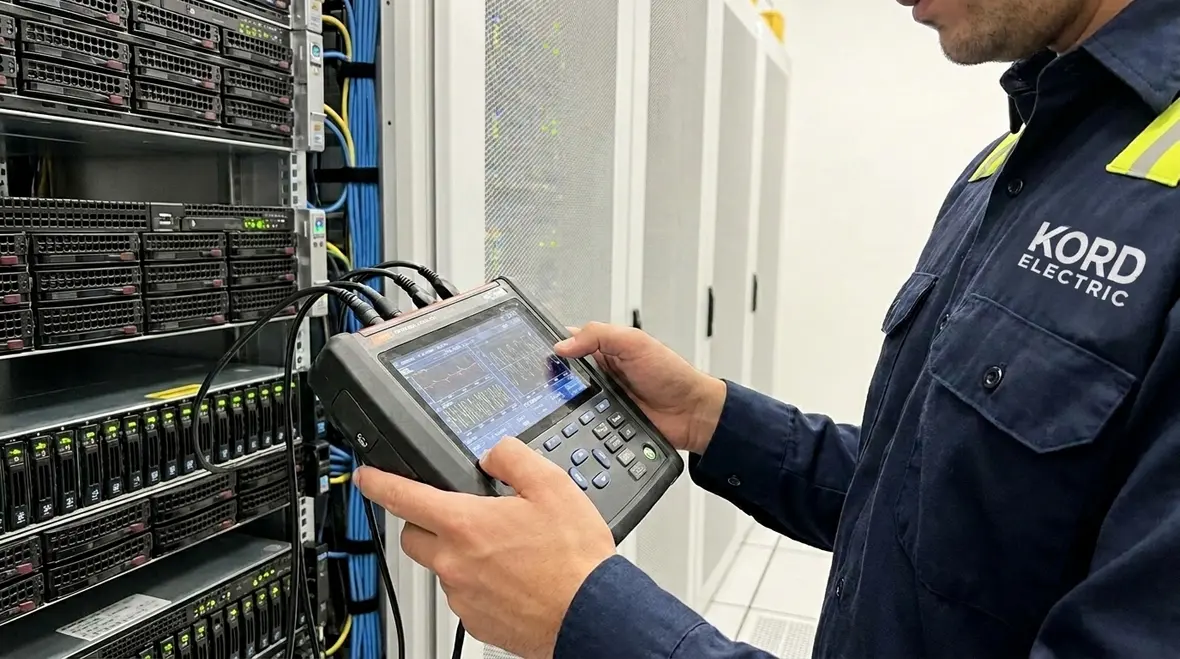
Data Center Power Quality Monitoring for Uptime
Advanced data center monitoring starts with power quality
Data center power quality monitoring is not just a nice-to-have at Kord Electric. When sensitive equipment runs day and night, even small electrical problems can turn into downtime, failed backups, and costly repairs. We install advanced monitoring that helps our teams spot issues early, before they grow teeth. Then our technicians guide the facility staff through what they see, in plain language, because nobody should have to decode electrical signals like they are reading a spy movie.
In the sections ahead, we cover how Kord Electric helps commercial and industrial facilities optimize uptime by watching voltage, harmonics, surges, and transients with the same seriousness others reserve for mission critical meetings. And yes, we promise we will keep the jargon under control, unlike some meeting agendas.
How we measure power quality before it becomes downtime
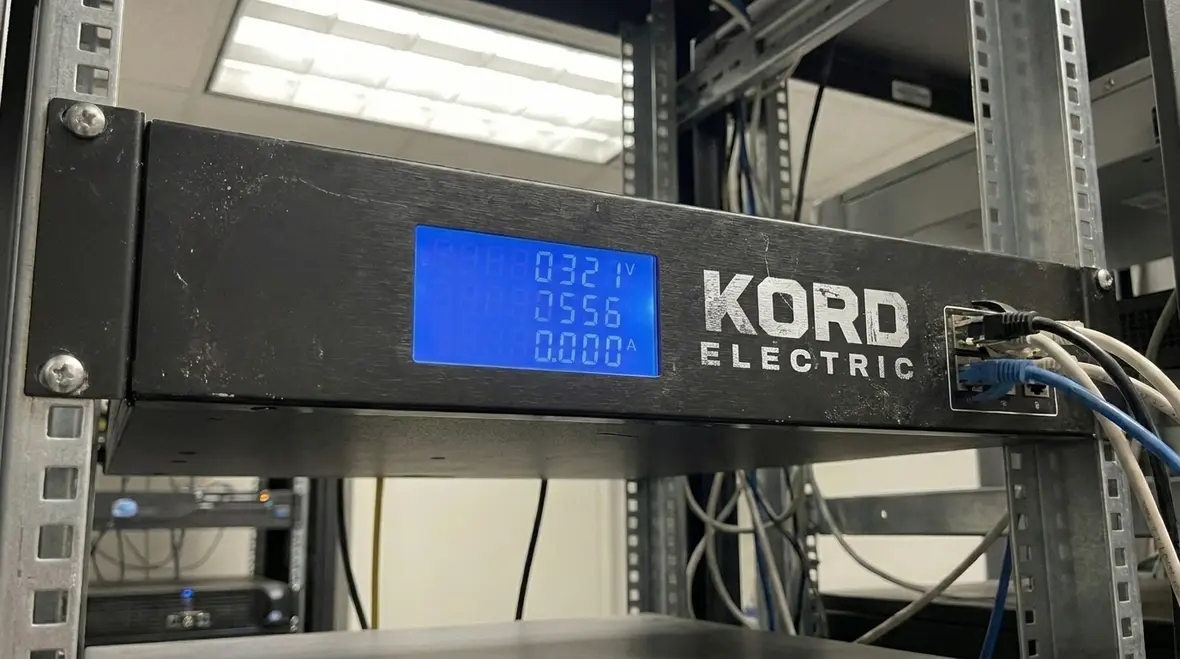
Others only check “the lights are on.” We check what the power is doing while the lights are on. First, our expert service staff deploys monitoring that captures real waveforms, not just averages. Next, they correlate events with alerts, workloads, and equipment behavior. As a result, the data center team gets a timeline they can trust.
During commissioning, our technicians align sensors with the facility’s critical paths. Then they map data to the electrical one line so the results make sense to operations. Instead of guessing, the facility learns whether a problem started at the utility interface, the UPS, the PDUs, or inside a distribution panel. That clarity protects uptime and supports better decisions for maintenance and upgrades.
That same disciplined approach shows up in other Kord Electric projects as well. When teams evaluate long term infrastructure investments, they lean on data, not hunches. In the Rewiring Cost Guide for Commercial Electrical Systems, for example, the message is simple: define the real electrical condition, then act with clear evidence instead of guesswork. Power quality monitoring follows that same philosophy, just focused on live signals instead of copper hidden behind the walls.
Key signals Kord Electric tracks in real time
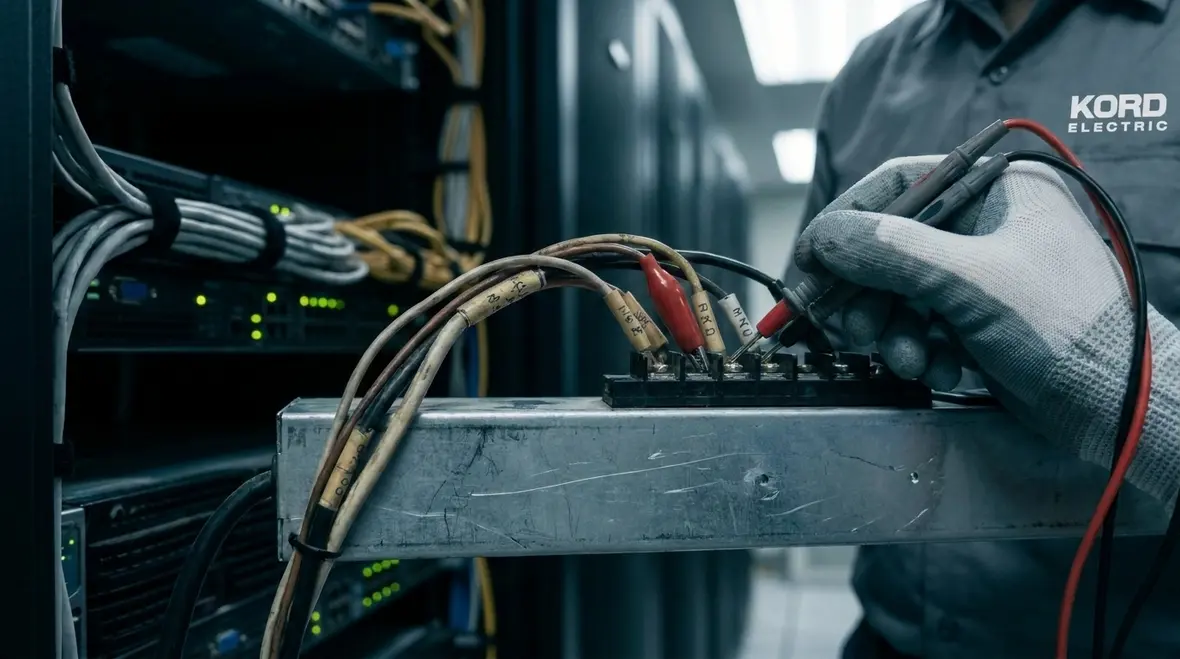
When advanced monitoring runs, it watches multiple power quality signals at the same time. Therefore, the staff does not miss the subtle patterns that often lead to failures. Kord Electric tracks common troublemakers that show up in real sites, including commercial and industrial buildings with high density IT loads.
- Voltage sags and swells, which can stress power supplies and cause equipment to reset
- Harmonic distortion, which can overheat transformers and create nuisance heating in cables
- Transient events, including switching events and lightning related disturbances
- Frequency variations, which can affect clocks, drives, and control systems
- Unbalance across phases, which can lead to additional current and uneven thermal loading
Then, our team compares what the monitors record against the facility’s electrical design. If the values drift over time, we flag it for action. If events align with UPS alarms or generator testing, we help the team adjust procedures. In other words, the monitoring becomes a practical tool, not a dashboard that nobody checks.
The patterns uncovered by Data center power quality monitoring also pair naturally with corrective services like resolving voltage fluctuations in commercial and industrial facilities. When waveforms reveal repeated dips, swells, and unbalance, the path from “mysterious reset” to “documented root cause” becomes much shorter.
Why UPS and generator events need clean power data
Most sites depend on UPS systems and standby generators. However, backups can only help if power quality stays within equipment tolerance. Consequently, Kord Electric focuses on how utility power events transition through the system. We do not treat UPS status lights as the full story. Instead, we verify what the IT gear actually receives during transfer and re synchronization.
Our technicians often find that issues do not originate at the “backup moment,” but just before it. For example, voltage instability may force the UPS to work harder than expected. As load changes, harmonic levels may rise and increase heat. Meanwhile, generator load steps can cause brief frequency and voltage variations. With Data center power quality monitoring in place, the facility sees these effects clearly and can adjust the operating strategy.
Here is a simple analogy: a UPS is like a seatbelt. It does its job, but only if the car remains in a lane. Monitoring shows whether the “lane” stays steady during real transfer sequences.
Reducing risk with trend analysis, not just alarms
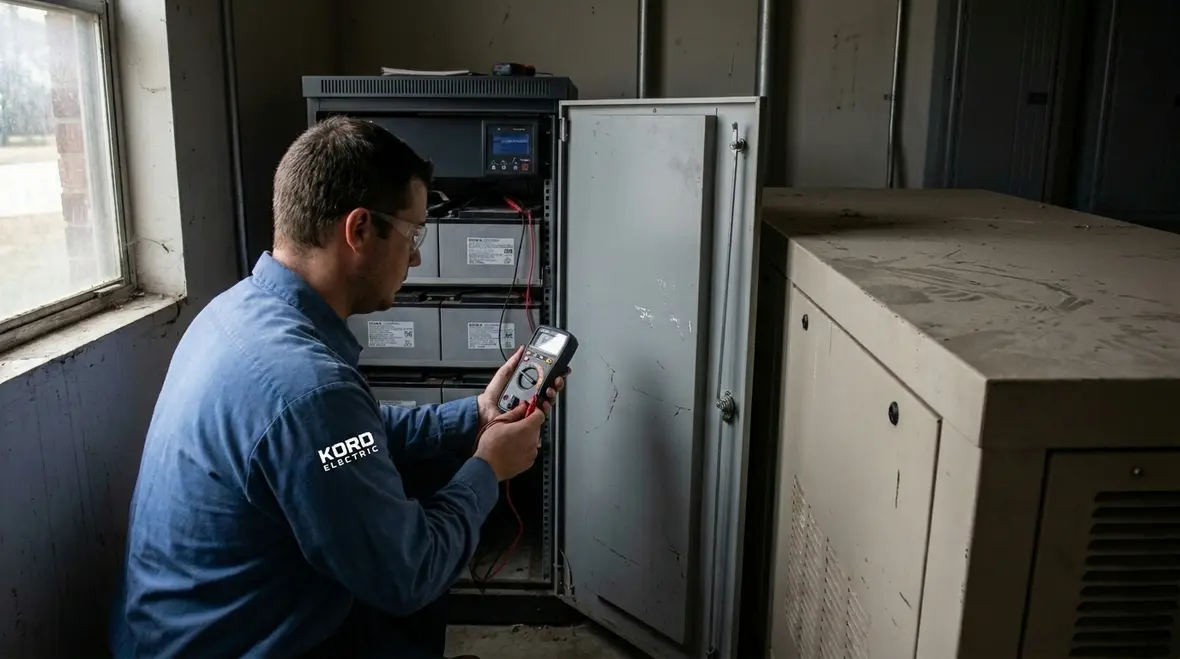
Alarms grab attention, but trends prevent problems. Therefore, our expert service staff builds a maintenance picture from historical data. They look for gradual changes such as rising harmonics, increasing unbalance, or repeated minor sags that never trigger a full shutdown. Yet, those “minor” events can wear down components and shorten expected life.
When we compare trends over weeks and months, we can connect electrical drift to real causes. A common example is a retrofit that added loads without updating distribution settings. Another example involves aging bus connections that develop intermittent resistance. In both cases, monitoring data supports targeted corrective work instead of broad, expensive changes.
And since commercial and industrial facilities hate surprises, we also help teams plan responses. Rather than reacting during a peak outage, they schedule service when it fits operations. That calm, deliberate approach keeps uptime strong.
Trend data also feeds directly into structured programs like electrical preventive maintenance. Instead of treating inspections as a box-checking exercise, facilities can prioritize panels, feeders, and equipment that actually show stress in the monitoring record.
Budgeting upgrades without overbuying equipment
Facility leaders often ask how to spend money wisely on electrical improvements. Kord Electric helps them tie monitoring findings to a cost and impact story, so upgrade plans do not become guesswork. We have seen how rewiring decisions and other electrical scope can grow quickly when teams lack clear evidence. In that rewiring cost guide for commercial systems, the message is straightforward: define the work, validate the condition, then size the solution to the actual issue. Our approach mirrors that logic for power quality projects.
So, when monitoring shows harmonics are stressing a specific distribution path, we recommend targeted measures that match the real cause. If the data indicates consistent transient issues at the utility interface, we evaluate protective coordination and surge strategies. When unbalance rises in specific panels, we look at load distribution and connection integrity. As a result, the facility avoids paying for upgrades that do not match the problem.
That is how we keep projects controlled. Nobody wants to replace an entire electrical system because one component acted up like a temperamental celebrity. Monitoring helps separate real needs from loud rumors.
For some facilities, the next step after stabilizing power quality is a broader modernization effort. When that conversation starts, resources like the detailed Rewiring Cost Guide for Commercial Electrical Systems help teams connect monitoring evidence to realistic project scopes and budgets.
How our technicians explain findings to facility teams
Data is only useful if the right people understand it. Our technicians and expert service staff spend time translating monitoring results into actions operations can support. First, we summarize key events in business terms. Then we connect those events to likely impacts on IT loads, mechanical equipment, and life safety systems in commercial and industrial facilities.
Next, we walk teams through what changed and what stayed stable. For example, we show whether event frequency increased after a construction phase, or whether a UPS transfer sequence improved after a firmware update. Because each data center has its own risk profile, we tailor recommendations to the site’s design and operating model.
Finally, we document recommended next steps and verification methods. In other words, we do not just say, “The power looks bad.” We show what it looked like, when it happened, how often it occurred, and what the facility should do next to protect uptime.
Those next steps often include tying power quality insights into wider reliability work, like emergency testing of backup systems or preparing for emergency power failures in commercial buildings. When everybody shares the same clear picture, facility teams can make decisions without second guessing whether the data tells the whole story.
FAQ
Conclusion: protect uptime with monitoring you can act on
When Kord Electric helps a facility deploy advanced monitoring, the goal stays simple: protect uptime through clear power quality evidence. Our technicians interpret the data, our expert service staff ties findings to real operational risk, and we support decisions that improve reliability without waste. If your commercial or industrial site needs steadier performance, let us help you build a monitoring and response plan that keeps critical equipment running. Contact Kord Electric today and get started with power quality that performs, not just promises.
For facilities that want monitoring to feed directly into action, Kord Electric’s Electrical Preventive Maintenance services provide a natural next step. By combining continuous Data center power quality monitoring with structured inspections, testing, and documented service, you get a calm, predictable path to higher uptime instead of a scramble from one surprise outage to the next.


