
Data Center Power Redundancy for High Availability
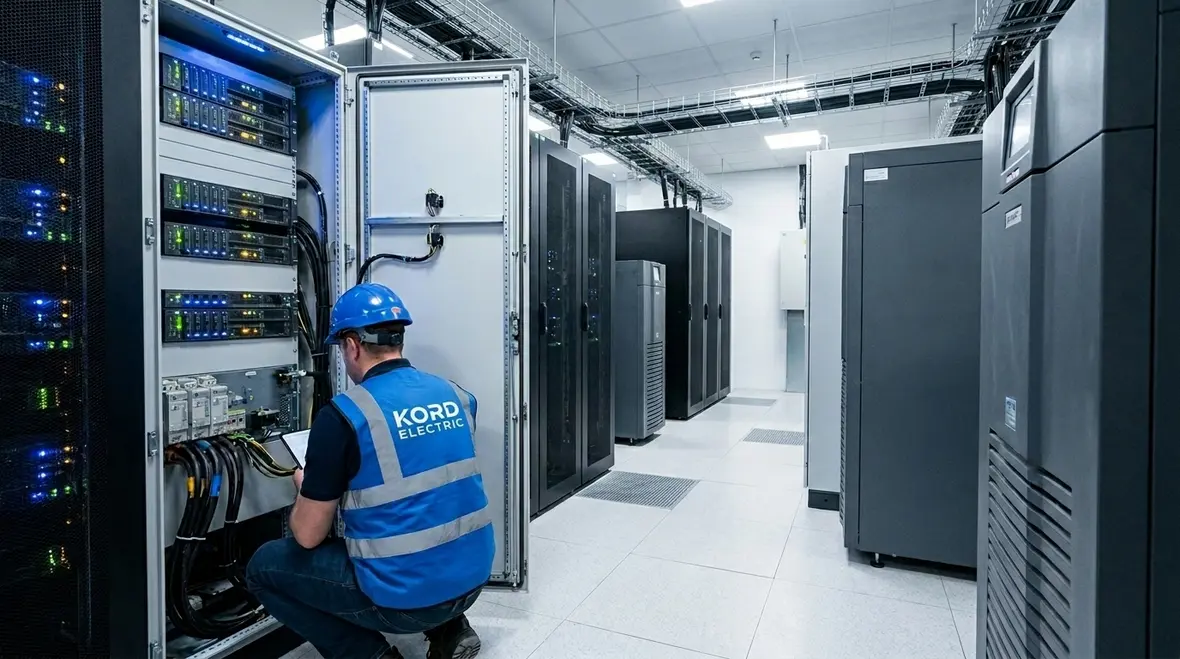
At Kord Electric, we design data center power redundancy for high availability so critical systems stay online when the unexpected shows up. In a modern data center or other major commercial and industrial building, downtime does not just cost money, it breaks trust and workflow. Therefore, we build power paths that keep servers, storage, cooling controls, and network gear alive through utility dips, generator transfers, and maintenance events. While you could treat redundancy like a checklist, we know better. We work with your team and our field technicians to map the real risks, size the right equipment, and verify the plan with practical testing. And yes, redundancy can sound boring, but so does plumbing until the ceiling starts leaking. We prefer to avoid both.
How we plan for high availability power without guesswork
To start, our technicians begin where most people stop paying attention: the single point failures. A switch that never fails is still a switch. A battery that never drops is still a battery. So we first inventory your electrical gear, your loads, and your operating modes. Then we align your uptime goals with a power design that fits the way your facility actually runs. After that, we model transfers, startup sequences, and protection settings so the system does not stumble when it matters.
Next, we treat data center power redundancy as more than backup power. We design redundancy across utility entry, switchgear, transformers, bus design, UPS, generator systems, and distribution paths. However, we also account for the human side. Operators need clear instructions. Maintenance crews need safe access and isolation points. And project teams need drawings that do not read like a riddle. Our expert service staff explains these choices in plain language, walking clients through what will happen during a transfer event and why.
Utility entry and distribution choices that prevent cascading failures
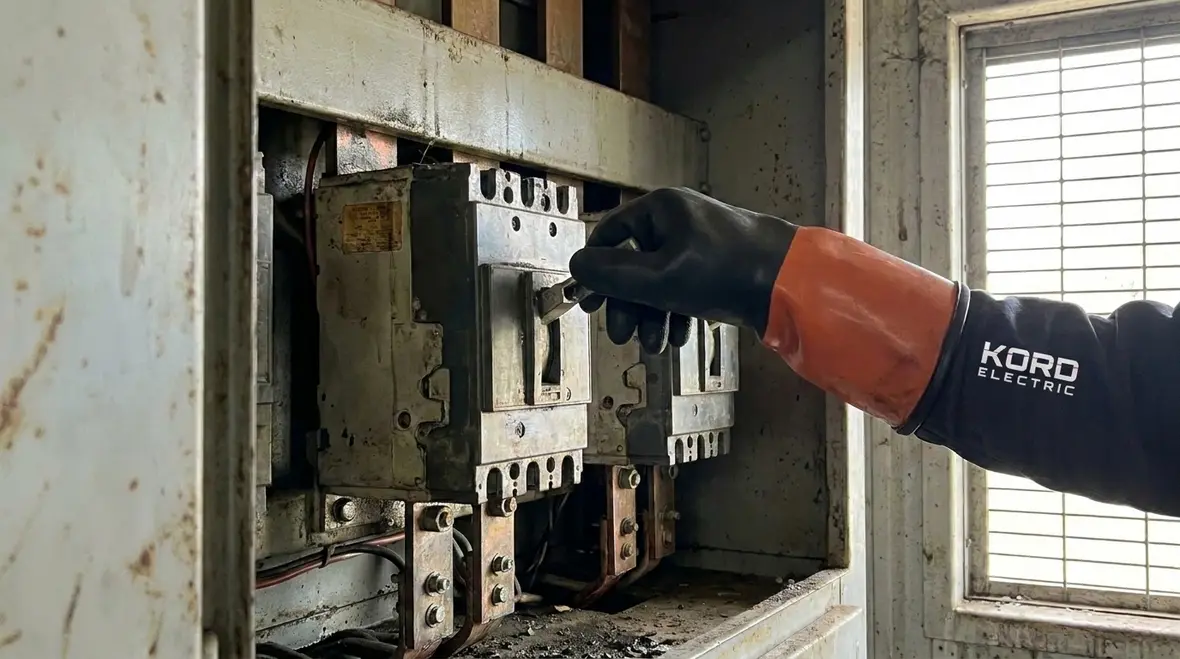
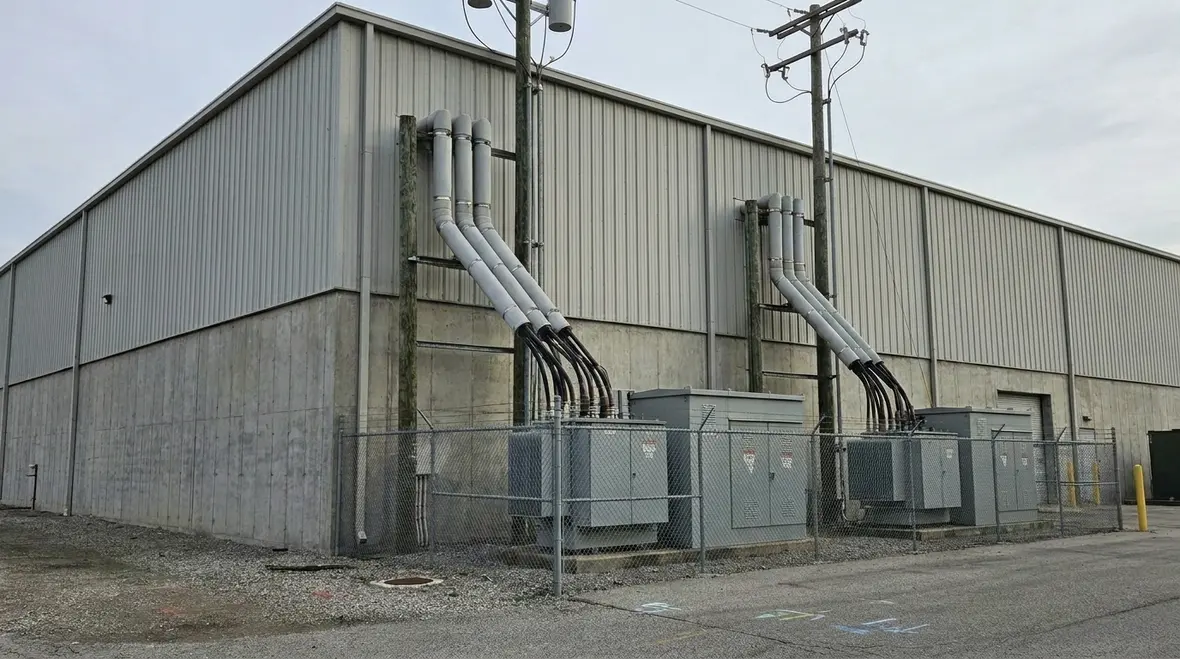
Even if your UPS feels strong, utility issues can still ripple through a facility. Therefore, we focus on how power enters the building and how it splits. We plan for separate utility feeds when the project allows it. Then we design distribution so one feeder problem does not take down your entire critical system.
At the heart of this work is electrical segmentation. We separate critical loads from non critical loads and we use properly rated switchgear and breakers to limit fault impact. Additionally, we coordinate protective devices so a fault clears at the right level without tripping upstream equipment. When coordination fails, the facility does not just lose power. It loses time, because teams must troubleshoot while systems sit idle.
We also consider that power quality can shift long before total loss. Harmonics, voltage sags, and frequency instability can stress UPS systems and sensitive IT loads. So we review metering, grounding, and filtering needs. If we see a weak link, we recommend upgrades before it becomes a headline, not a line item.
UPS and generator strategy: the transfer timeline we design for
Now we get to the part everyone loves to talk about at the last minute. The transfer timeline. In plain terms, every redundancy plan must survive the moment when one power source hands off to another. That handoff must be fast, controlled, and repeatable.
We help clients choose UPS architecture based on load criticality, runtime needs, and runtime strategy. Then we plan generator sizing and fuel readiness so the generators can start, stabilize, and carry load without surprises. Moreover, we coordinate the UPS output and generator controls so the system handles load transitions without nuisance alarms or harmful switching sequences.
Our technicians verify the expected behavior during staged testing. And because real life loves plot twists, we account for maintenance modes too. If someone needs to isolate a UPS module for service, the facility must keep functioning. Think of it like backup batteries for a phone, but for the building’s most important work. You do not want the dramatic “No service” moment right when the meeting starts.
Switchgear and bus design for safe redundancy
Switchgear often gets treated like furniture. It sits there, looks expensive, and rarely gets thanked. Yet when redundancy matters, switchgear design becomes the steering wheel. We use bus and switching layouts that allow isolation without shutting down critical paths.
For high availability facilities, we plan for configurations that support parallel power paths and controlled transfer schemes. We also pay close attention to breaker coordination, selective tripping, and the behavior during faults. When faults happen, the goal stays the same: clear the issue fast and keep the rest alive.
Additionally, we evaluate thermal performance and load balancing. Overloaded buses and imbalanced phases can increase losses and reduce equipment life. We design so the system does not silently degrade while your team focuses on running the business.
Hidden electrical risks we reduce in commercial buildings
In our work, we often see commercial and industrial facilities handle power with confidence, only to discover hidden electrical risks later. For instance, in our blog we outline common dangers like overheating connections, poor terminations, and neglect of monitoring and inspection. Those issues matter because redundancy does not stop bad connections from failing. It just gives you more time to notice, and that time can still get eaten by the wrong fault. For a deeper dive on these issues, explore our article on hidden electrical risks in commercial buildings.
Therefore, we apply a risk first mindset. We look for installation quality, torque verification, and consistent testing practices. We also review how panels, terminations, and bus connections are maintained over time. Then we recommend monitoring where it adds value, such as temperature sensors on critical points, metering for trending, and alarm logic that tells operators what changed instead of dumping generic alerts.
And yes, like any good plot, the scariest part is the slow burn. A loose lug today can become a major outage later. We help prevent that by aligning maintenance procedures with the actual critical paths in your facility. That means our technicians explain the inspection points that protect uptime, not just the inspection points that look good on paper.
Testing, commissioning, and ongoing maintenance that keep redundancy real
Design is only the first step. To make data center power redundancy work in the real world, we commission and test the full system. We do not rely on assumptions. We verify transfer logic, protective device behavior, and control settings. We also check that the facility responds the way the one line diagram says it should.
Next, we plan for ongoing maintenance and data driven reviews. Equipment like UPS systems, batteries, generators, and switchgear require consistent care. However, maintenance that targets the wrong components wastes time and still leaves vulnerabilities. So we focus on the elements that affect transfer reliability and power stability for your critical loads. When you want a structured plan, our guide to commercial and industrial electrical maintenance plans walks through how we build programs for long term system health.
We also help clients set up practical procedures for operators. Who starts the generator? Who isolates a bus section? What alarms require action within minutes? Transition words matter here because timelines matter. If you do not define actions before an event, the event becomes the training. We prefer the training happen on a sunny day, not during a real outage.
Our expert service staff supports teams long after the project ends, because power reliability does not run on hope. It runs on clear procedures, verified settings, and disciplined follow through.
FAQ
Call Kord Electric to make your power plan airtight
When your facility depends on uptime, you cannot treat redundancy like a line item. At Kord Electric, we help commercial and industrial clients design, test, and maintain power systems that stay stable through real transfer events. Our technicians and expert service staff explain the plan, validate the behavior, and support your team with clear procedures. If you want fewer surprises and more breathing room, reach out to us today. Let’s build redundancy you can trust, not redundancy you hope for.
If you are planning a new build, expanding existing IT capacity, or upgrading aging infrastructure, our dedicated data center electrical distribution design for reliability guidance pairs perfectly with a strong data center power redundancy strategy. Together, these approaches keep utility feeds, UPS, generators, and distribution paths aligned with how your operations actually run.
For organizations that want help turning these concepts into a real project scope, our commercial and industrial electrical services team can support everything from conceptual design and field verification to ongoing maintenance and upgrades that keep your redundancy plan current as loads and technologies change.


