Electrical Asset Management Solutions for Uptime
Electrical asset management solutions that protect uptime for industrial sites
At Kord Electric, we build Electrical Asset Management Solutions for Industrial & Commercial Facilities that help our clients keep power systems dependable, track critical equipment, and plan maintenance before failures turn into downtime. Others may treat asset management like paperwork. We treat it like operational safety, financial control, and a clear path to reliable performance. And yes, we still make time for clear explanations. Our technicians and expert service staff walk the floor with you, point to what matters, and explain the “why” in plain language, the way a good coach breaks down a play.
Because when the electrical system behaves like it has its own calendar, businesses pay for surprises. We help you replace guesswork with verified data, structured workflows, and maintenance plans that match real usage.
Why industrial facilities need an asset strategy that actually holds up
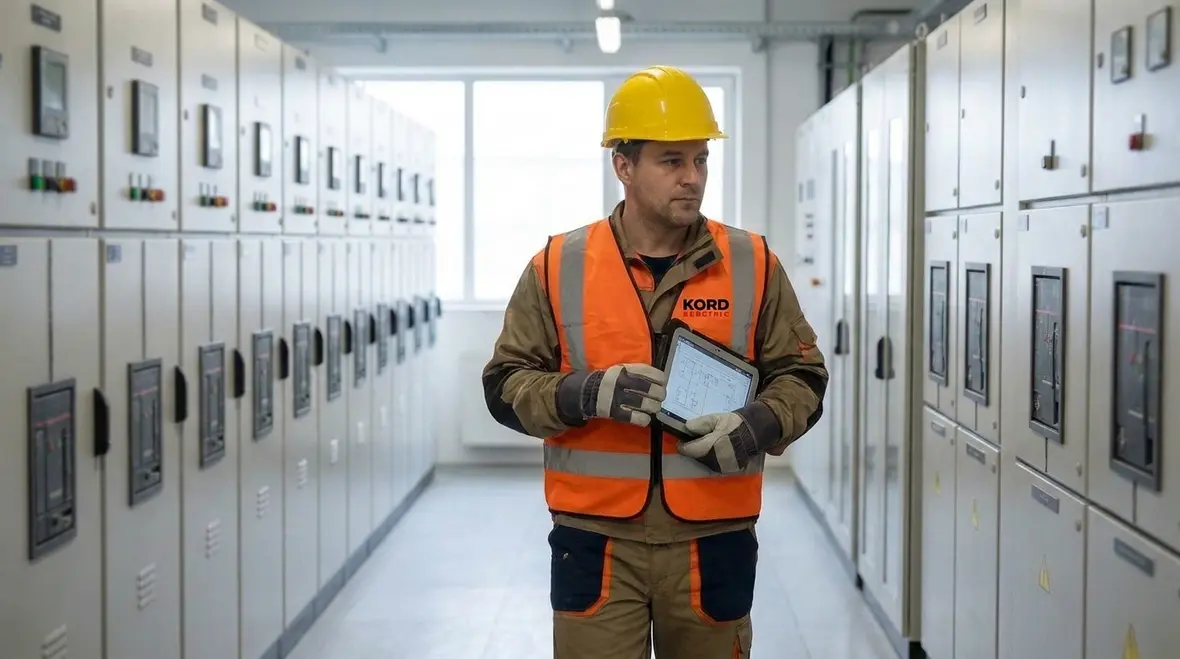
In industrial and commercial settings, electrical assets do not age politely. Switchgear cycles, transformers run hotter than labels promise, and hidden issues form quietly until a protective device trips at the worst moment. Therefore, teams need more than a list of equipment names. They need a living system of records, condition details, work history, and priorities.
In practice, our approach starts by aligning electrical asset management with the way facilities operate. For example, we map critical loads, identify failure modes, and connect equipment to the processes it supports. Then we help others reduce “maintenance roulette,” where work gets scheduled by habit instead of risk. It is like changing the oil based on vibes. Cute, but it breaks expensive stuff.
As a result, management teams gain a clearer view of system health, maintenance costs, and compliance readiness. And when an auditor asks, “How do you know?” we have the documentation trail to answer confidently.
What we build in Electrical Asset Management Solutions for Industrial & Commercial Facilities
Electrical asset management works best when it covers the full lifecycle. So we help clients set up a structured program that includes identification, data capture, maintenance planning, and performance feedback. This is the part where many programs fail, because they collect information once and then ignore it. We do the opposite.
First, our technicians gather asset details that matter for real decisions. That includes equipment type, ratings, installation details, service history, and location within the facility. Next, we organize the data so teams can find it quickly during planning or troubleshooting. Then we connect it to maintenance tasks that fit the risk level and usage patterns.
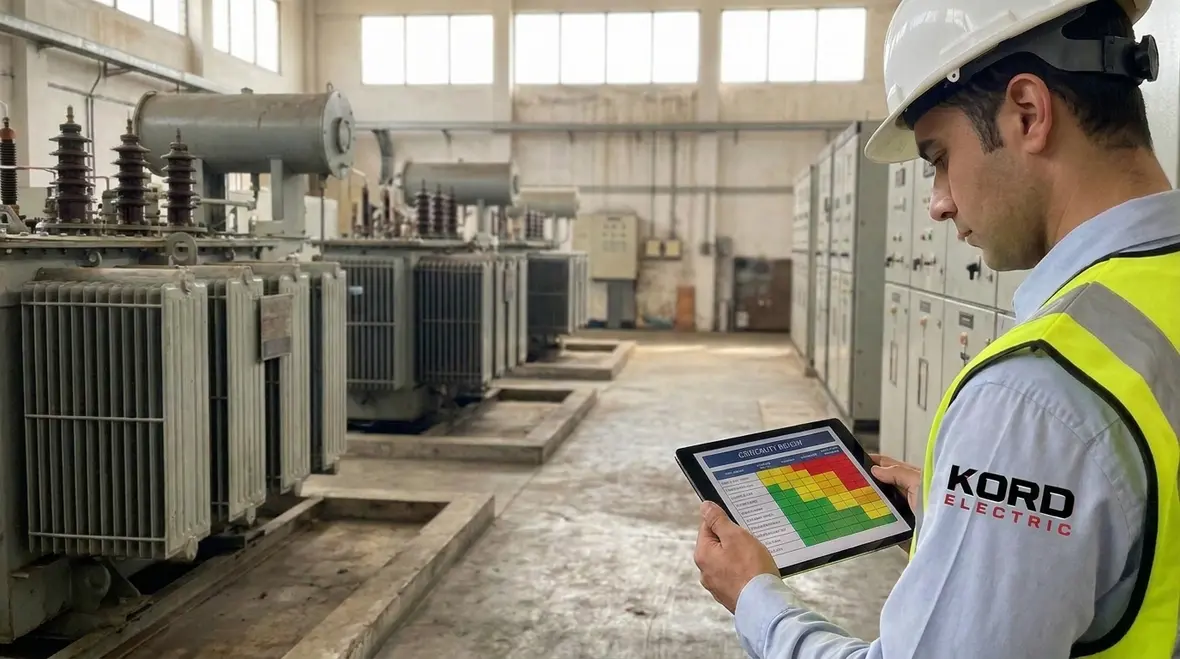
Finally, we support ongoing updates. Condition findings and work orders feed back into the system, so the “story” of each asset becomes more accurate over time. Because the electrical system does not stay still, neither should your records.
Throughout this process, our expert service staff explains what we see and why it matters. We do not just hand over a report and vanish. Instead, we review the findings, translate technical terms, and help your team understand what to do next, including tradeoffs and timing.
Step by step: from asset inventory to maintenance that prevents failures
1) Asset inventory with purpose
We do more than list equipment. We capture enough detail to link each asset to load importance and operational impact. That way, a small component with a big consequence does not get treated like background noise.
2) Risk ranking and criticality
Next, we rank assets based on risk, not just age. We consider function, failure consequences, and operating conditions. Then we classify what must get attention first, what needs routine monitoring, and what can follow standard schedules.
3) Maintenance plans that match the asset
After that, we create schedules that reflect actual needs. For example, we align preventive tasks with how the equipment performs in your environment. We also build room for corrective work when condition findings demand it.
4) Work order discipline and documentation
Then we standardize how teams record work and results. Clear documentation keeps continuity during shift changes and supports future investigations.
5) Verification and continuous improvement
Finally, we review outcomes. If a certain asset keeps tripping protections or showing recurring wear, we adjust the plan. In other words, we treat data like a steering wheel, not a sticker on a cabinet.
And yes, we keep things practical. There is no “someday we will fix it” culture here. We build a system that helps your team respond now.
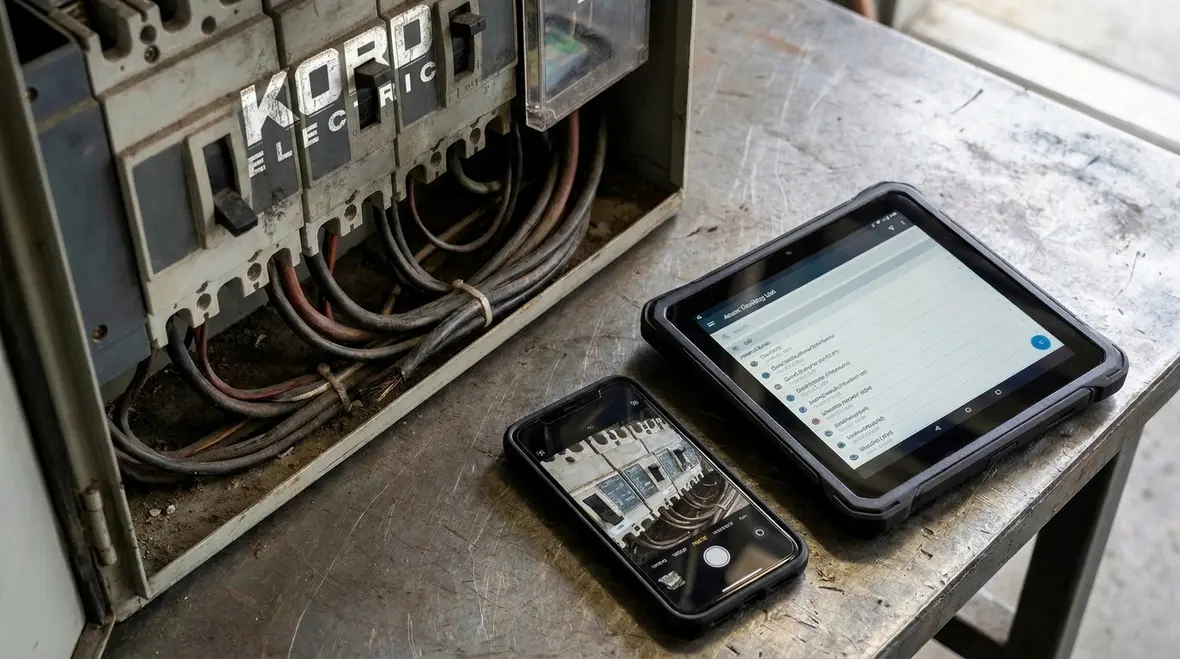
How data, condition monitoring, and history reduce surprises
Electrical asset management solutions work best when they blend data sources into one clear picture. Therefore, we help facilities connect inventory records with maintenance history and condition findings. That combination lets teams see patterns that a single inspection would miss.
Our process often includes review of prior work orders, thermal or performance indicators, protective device behavior, and operational notes from your technicians. Then we connect those signals to likely causes, so maintenance does not chase symptoms. This approach lowers the number of repeat issues, and it also supports better budgeting because you know what to expect.
For many commercial and industrial facilities, the real improvement shows up in response speed. When something fails, teams can quickly locate equipment history, identify previous repairs, and understand how the system behaved during the last event. Instead of starting from scratch like a detective who forgot the case file, your team gets answers.
Moreover, we help leadership track trends over time. If motor starters show consistent wear, if panels have repeating hotspots, or if a transformer experiences load stress spikes, the plan adjusts. In practice, that means fewer emergency callouts and fewer “fire drills” that disrupt production.
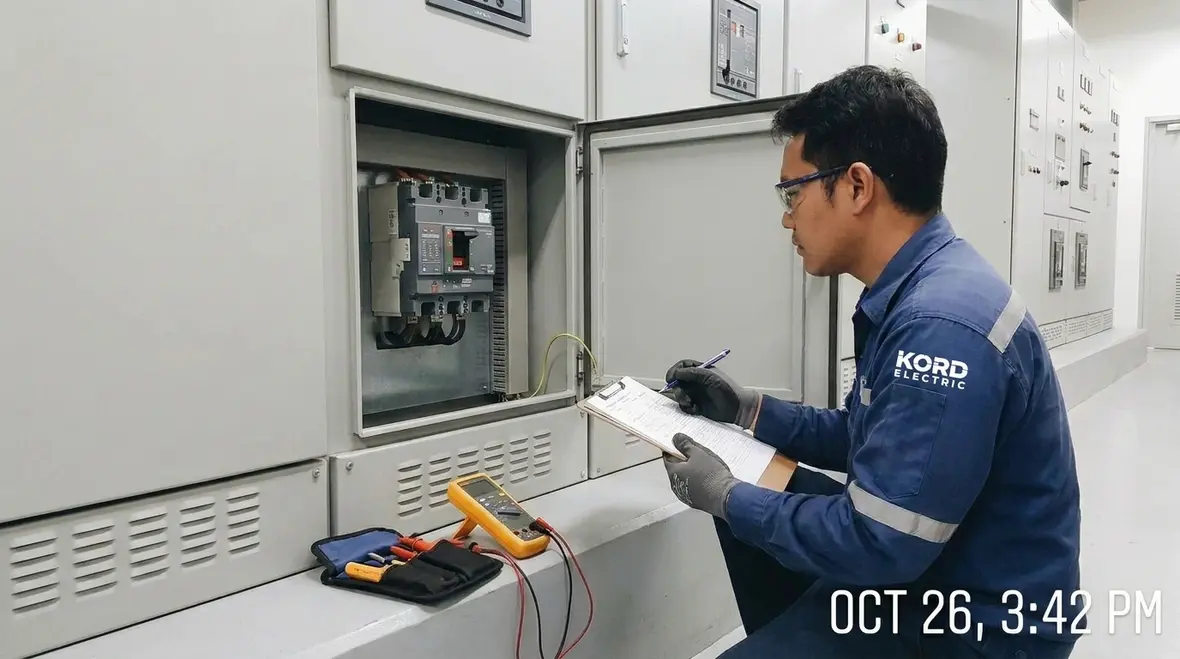
Integrating asset management into real operations and compliance
Many facilities struggle because asset management lives in one place while operations live in another. So we design implementation around the way major property buildings actually run. We coordinate with maintenance leadership, operations teams, and safety processes so the system supports daily work instead of adding friction.
In addition, we consider compliance needs. Electrical documentation supports audits and inspections. When the time comes, a clear asset history and maintenance records help teams demonstrate due diligence. We help your teams organize documentation so it is easier to find, easier to explain, and easier to defend.
Just as importantly, our technicians and expert service staff explain how the program fits into scheduling. They help others understand what tasks should move to preventive intervals and which findings should trigger targeted corrective work. That reduces delays and avoids wasted effort.
We also ensure the program supports continuous improvement. Then, over time, your facility builds a stronger feedback loop between condition results, work outcomes, and maintenance planning.
Common pitfalls we help clients avoid
Let us spare you the usual traps. Many organizations start strong and then lose the thread. Therefore, we emphasize these areas early.
One: treating inventory as a one time project
When the inventory never updates, it becomes a museum. We set up a process that keeps records current as work happens.
Two: scheduling maintenance by calendar only
A fixed schedule may ignore actual risk. We help others combine time based tasks with condition and history signals.
Three: missing the location and context
Equipment records must include where assets live within the facility. Without context, troubleshooting wastes time.
Four: weak documentation
If work orders do not capture results, the next team repeats the same assumptions. We standardize clear record keeping and review.
Five: no ownership model
Programs fail when nobody owns updates and decisions. We help teams define responsibilities so the process stays alive.
And yes, we sometimes feel like the boring referee in a sports movie. But the difference is you want the call that prevents the red card, not the one you argue about after production stops.
Connect asset management with broader electrical strategies
Strong Electrical Asset Management Solutions for Industrial & Commercial Facilities do not operate in isolation. They plug into broader strategies such as structured data management, electrical system documentation, and upgrade planning. When your asset records, maintenance workflows, and design decisions share the same facts, every project gets easier to justify and easier to execute.
For example, clear distribution equipment data makes it simpler to decide which switchgear to modernize first, while disciplined documentation keeps your reliability audits grounded in evidence instead of hunches. If you want to see how these pieces connect in more depth, our electrical distribution equipment data management guide and our electrical system documentation best practices article show how organized records turn into faster troubleshooting and smarter upgrades.
If your facility is planning major changes, pairing asset management with an electrical infrastructure upgrade planning guide style approach helps you stage work, control outage windows, and keep production teams informed about what happens next. It is all the same philosophy: fewer surprises, more control.
Over the long term, many clients also connect asset data to a broader electrical system asset management playbook. When you are ready for that step, Kord Electric’s electrical system asset management guide provides a structured look at how asset records support lifecycle planning, budget timing, and long horizon decisions about when to repair, retrofit, or replace.
FAQ
Ready to bring order to your electrical asset management?
When your electrical system runs complex operations, randomness becomes expensive. Kord Electric helps industrial and commercial facilities build Electrical Asset Management Solutions for Industrial & Commercial Facilities that connect asset data, condition insights, and maintenance planning into one reliable workflow. Our technicians and expert service staff guide the process step by step, explain the details clearly, and help you reduce downtime risk. If you want a program that holds up in real life, contact Kord Electric today and let us map your next steps.
If you are responsible for a portfolio of sites or a high-stakes facility in Los Angeles County, it often makes sense to pair Electrical Asset Management Solutions for Industrial & Commercial Facilities with broader reliability services. Kord Electric’s Los Angeles County electrical services support everything from targeted troubleshooting to planned upgrades, so your asset program always has a trusted field partner ready to execute the work it identifies.
As your program matures, you can also lean on deeper resources like our electrical system asset management guide and related documentation articles to refine how you track performance, forecast lifecycle costs, and schedule projects across multiple years. Over time, the goal is simple: turn your electrical system from a source of recurring surprises into a controlled asset base that supports uptime, safety, and predictable budgets.