Electrical Asset Optimization Improving Reliability and Maintenance
Electrical Asset Optimization for Commercial and Industrial Reliability
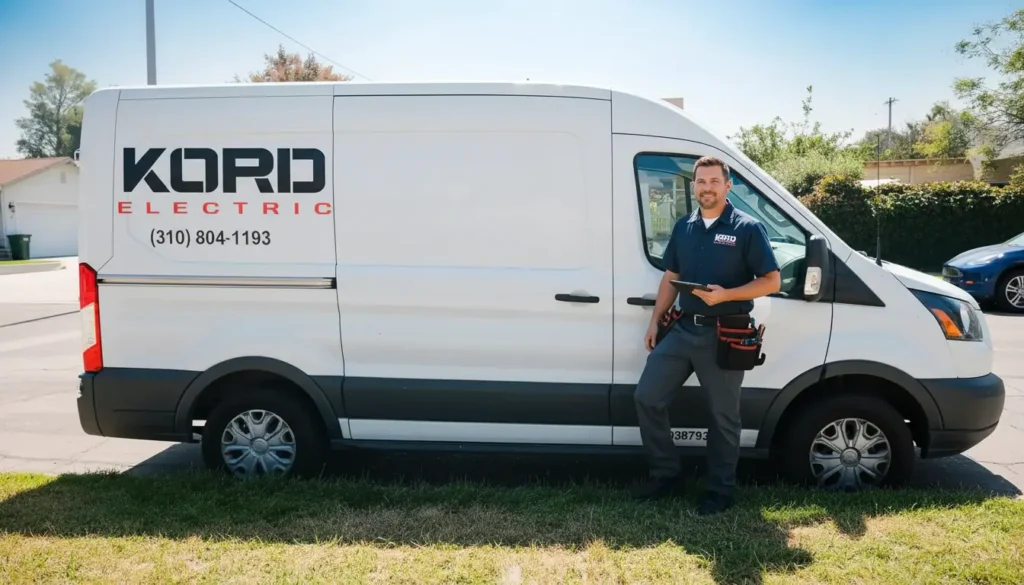
At Kord Electric, we focus on Electrical Asset Optimization: Improving Reliability, Efficiency & Maintenance for commercial and industrial facilities and major property buildings. In the next few minutes, we will explain how we help others stop treating equipment like it is disposable and start treating it like the valuable system it really is. And yes, that means fewer surprises after hours, fewer “why is this failing now?” emails, and fewer maintenance crews sprinting around like it is a gym class dodgeball match.
Our technicians and expert service staff guide each site through practical steps: we find what matters, we predict what might fail, and we plan repairs before downtime hits production, tenants, or operations. Therefore, the result is not only better reliability, but also cleaner budgets and smarter maintenance schedules.
How Electrical Asset Optimization Works in the Real World
In plain terms, electrical asset optimization means we manage the electrical systems that keep a facility running, with intention. This includes switchgear, transformers, distribution panels, motor controls, capacitor banks, cabling, grounding, and protective devices. Others often think of “asset management” as a spreadsheet activity. However, in practice, it is a workflow that links data, condition, risk, and maintenance decisions.
First, we identify which assets impact safety, uptime, and critical processes. Then, we measure their condition using methods like inspection, thermal scanning, load review, protective device testing, and review of operating history. After that, we align work orders with the risk level. In other words, we spend time and money where failures cause the most damage.
As our expert service staff often says during site walkdowns, “Not every part deserves equal attention. But every part deserves a plan.” That mindset drives Electrical Asset Optimization: Improving Reliability, Efficiency & Maintenance across the facility.
2) Create an asset inventory that technicians can actually trust
Many facilities start with an inventory that looks good on paper and falls apart in the field. To avoid that, we build inventories with details technicians need: equipment ratings, serial numbers, locations, one line diagram references, installed dates, replacement history, and manufacturer notes. When the catalog aligns with what is on the floor, we stop guessing and start troubleshooting faster.
Next, we tag critical circuits and load groups. For example, we map feeders to the loads they serve, including life safety loads, HVAC systems, production equipment, refrigeration, and data loads. Then we connect asset records to the consequences of failure. A minor voltage dip can disrupt sensitive processes. Therefore, we rate risk based on impact, not just age.
At this stage, we also cross check utility information and demand patterns. Consequently, the inventory becomes a living tool for planning, not a one time project that ages like milk in the back of a fridge. For facilities ready to go deeper on records and documentation, it pairs naturally with guides like Kord Electric’s Electrical Distribution Equipment Data Management for Commercial Facilities, where the focus is on keeping asset data accurate, consistent, and useful over time.
3) How we improve reliability using condition and risk scoring
Reliability improves when we reduce the chance of unexpected failures. We do that by combining condition insights with risk scoring, so Electrical Asset Optimization: Improving Reliability, Efficiency & Maintenance stays targeted. If an asset shows signs of deterioration, we prioritize it. If it serves a high risk load group, we prioritize it again.
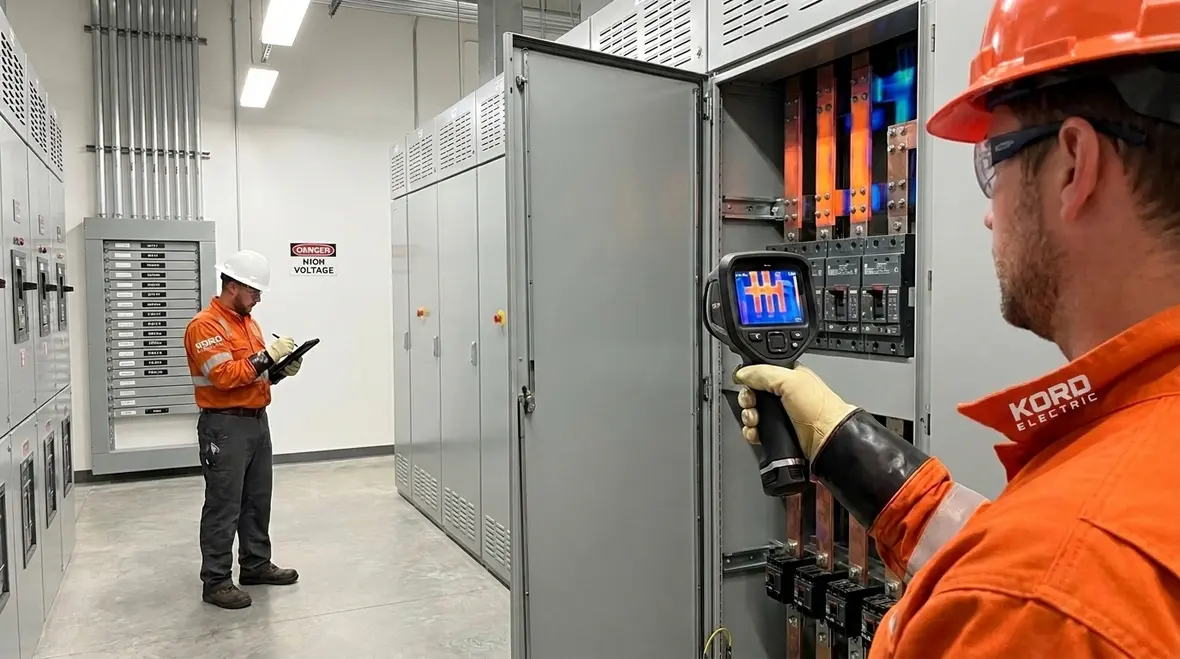
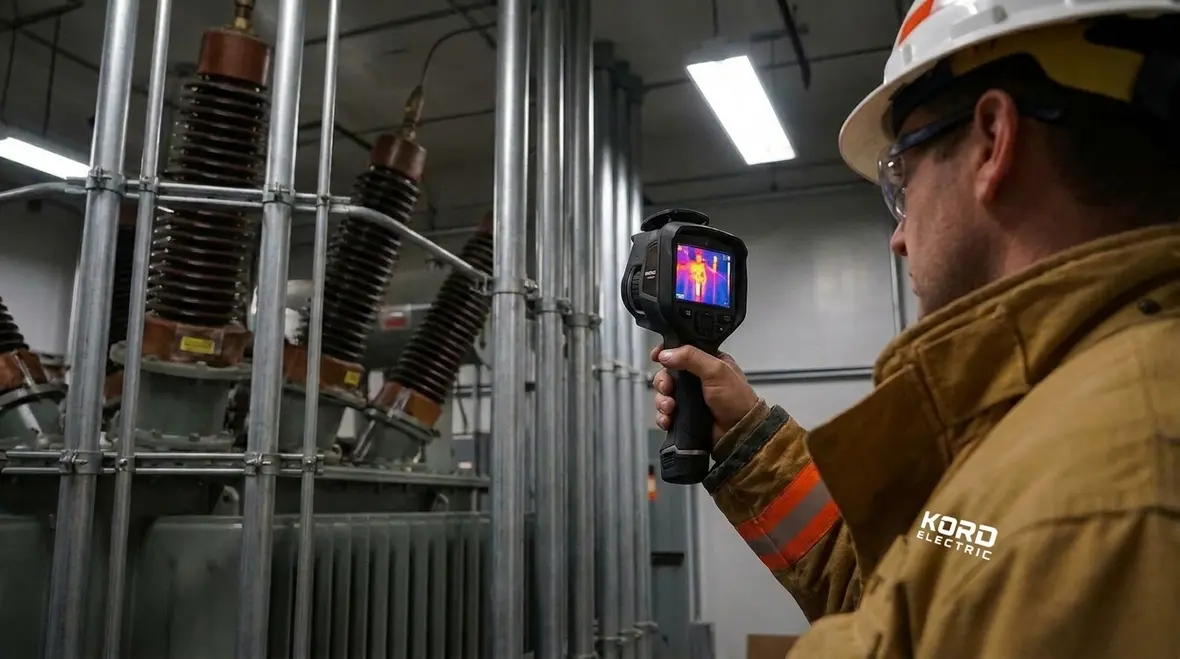
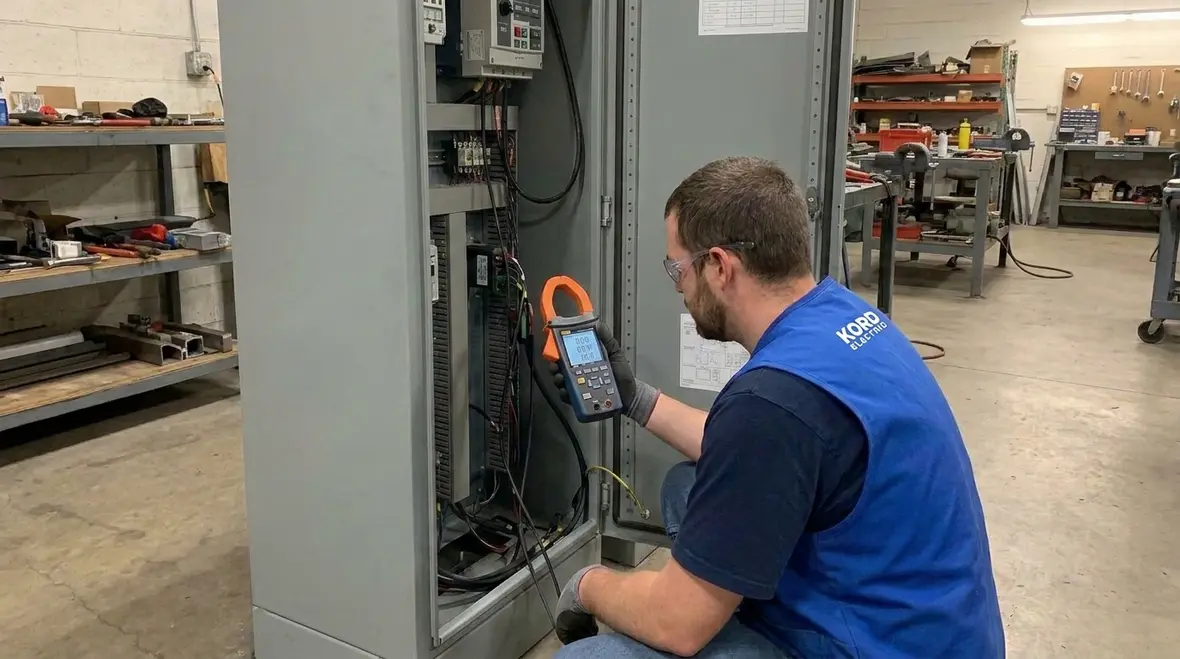
Our technicians evaluate assets with practical methods. Thermal imaging helps detect hot spots in terminations and bus connections. Inspections reveal loose hardware, corrosion, contamination, and evidence of moisture intrusion. Protective devices get tested to confirm trip and coordination behavior. For motors and controls, we review starts, run time, harmonics concerns, and insulation health where applicable.
Then we score each asset. We consider factors such as failure modes, downtime impact, repair lead time, and how hard it is to access the equipment. After that, we plan maintenance actions by urgency. This approach prevents the common cycle of “repair everything, never finish anything, and still get surprised.”
4) Make electrical efficiency a maintenance goal, not a wish
Efficiency improvements often get treated like a bonus. We treat it like a maintenance goal. Why? Because Electrical Asset Optimization: Improving Reliability, Efficiency & Maintenance improves system performance while protecting assets at the same time.
For example, we review loading and power quality. Under loading and overloaded transformers can both create trouble, though in different ways. We also check for issues that degrade efficiency: failing fans and pumps, stuck dampers that strain electrical demand, worn motor bearings, and poor connection quality that increases losses.
We also examine reactive power. If capacitor banks drift out of spec or switching sequences become misaligned, you can see higher demand and lower power factor. Furthermore, harmonics can stress transformers and overheat neutral conductors. By monitoring and correcting these conditions, we lower operating cost and reduce electrical stress.
Our expert service staff explains the “why” behind the changes in plain language. That way, facility managers understand what we found, why it matters, and how the plan protects both performance and reliability. For teams who want to connect efficiency with broader project planning, this mindset fits well with Kord Electric’s resources such as the Electrical Infrastructure Upgrade Planning Guide, where long term strategies and day to day efficiency live in the same conversation.
5) Build maintenance plans that match how assets actually fail
Maintenance works best when it matches the failure patterns of electrical equipment. Therefore, we avoid generic schedules that do not reflect real use. We start by grouping assets into maintenance categories based on criticality and failure mechanisms.
Then we create an approach that typically includes preventive tasks, predictive checks, and condition based triggers. Preventive work might include inspections, lubrication where relevant, cleaning of panels, and testing of controls. Predictive checks can include targeted thermal surveys and periodic monitoring of key parameters. Condition based triggers use thresholds from inspection results, temperature trends, or test outcomes.
We also manage documentation updates. When we do testing or repairs, we update the asset record so the next technician uses accurate information. That reduces repeat work and helps future planning. In our experience, the best optimization program does not just schedule tasks. It keeps a clear history that supports smarter decisions.
And yes, we do explain everything. Our technicians talk through the plan, the expected outcomes, and what we will measure afterward. So others at your site can see progress without guessing.
6) Use electrical system asset management to reduce downtime risks
Electrical system asset management is where the strategy becomes real. We link each maintenance decision to the downtime risk and operational impact. For commercial and industrial facilities, downtime rarely stays local. It affects production, safety systems, HVAC comfort, data operations, and sometimes tenant satisfaction.
To manage those risks, we plan work windows, parts procurement, and coordination requirements. We also define escalation paths. For instance, if a protective device test shows drift beyond tolerance, we schedule remediation quickly and verify coordination. If thermal scans show consistent hot spots at the same connection points, we investigate and correct before a connection failure creates an outage.
We also consider the “human side” of downtime. When we train facility teams and coordinate schedules, we reduce the chance that maintenance actions interrupt critical operations. In short, our plan aims for fewer emergencies. Because emergencies are like pop quizzes in school. They feel personal, and nobody enjoys them.
Throughout this process, we keep Electrical Asset Optimization: Improving Reliability, Efficiency & Maintenance at the center, so reliability gains do not come at the expense of long term efficiency. This is also where broader reliability programs like Kord Electric’s Electrical Infrastructure Reliability Audit line up with day to day maintenance, giving property teams a full picture instead of isolated fixes.
7) What our service team delivers for major property buildings
Major property buildings often run complex electrical systems across multiple zones. In these environments, coordination matters as much as technical accuracy. We align with the site’s operational needs and safety requirements, and we keep communication clear.
Our expert service staff delivers deliverables that support decision making. We provide findings from inspections and testing, recommendations with priority levels, and maintenance schedules that match the risk profile of the equipment. We also help others translate electrical recommendations into business outcomes: fewer outages, more stable performance, and more predictable maintenance budgets.
When changes are needed, we explain options and tradeoffs in a practical way. Also, we help facility teams understand how optimization affects the full electrical chain, from incoming utility interface through distribution and end loads.
We keep the focus on commercial and industrial facilities and major property buildings, because those sites need discipline, not guesswork. For organizations planning larger design or upgrade work in Los Angeles County, these optimization efforts also connect naturally with Kord Electric’s broader Los Angeles County electrical services, where design, construction, and maintenance stay aligned instead of competing with each other.
8) FAQ
Conclusion: Let us optimize your electrical assets this quarter
When electrical equipment fails, it rarely sends a polite note first. It interrupts operations, strains budgets, and creates last minute decisions. That is why Kord Electric builds a disciplined program for Electrical Asset Optimization: Improving Reliability, Efficiency & Maintenance in commercial and industrial facilities and major property buildings. Our technicians and expert service staff help you create trustworthy asset records, prioritize risk, and plan maintenance that prevents downtime.
For facilities across the region, these optimization programs also align with broader planning tools like Kord Electric’s Data-Driven Electrical Design for Commercial & Industrial Facilities and the Los Angeles County electrical services suite. Together, they help sites connect everyday maintenance with long term reliability, capacity, and safety goals instead of treating each project as an isolated event.
Contact us today, and we will help you map the next steps with clear actions and measurable outcomes. Whether you are dealing with aging infrastructure, new construction, or a portfolio of major property buildings, Kord Electric can help you put Electrical Asset Optimization: Improving Reliability, Efficiency & Maintenance at the center of your reliability strategy instead of leaving it as a future wish list item.