Electrical Load Balancing for Commercial Buildings
At Kord Electric, we start every serious conversation about power with our electrical load balancing strategy built for modern commercial and industrial buildings. In the first 100 to 150 words, we will say it plainly: if the electrical system looks busy in one area and idle in another, the building wastes money and risks downtime. Our team then tunes the distribution so critical loads get steady power, feeders stay within safe limits, and peak demand stops acting like an unpredictable pop quiz. Even the most well designed property can struggle when tenants, processes, HVAC cycles, and EV charging plans change faster than the original electrical design. That is where we step in.
Why modern commercial buildings overload unevenly
Third person view from our engineering bench: most facilities do not fail because of one dramatic catastrophe. Instead, they fail gradually. For example, one wing of a building may run heavy cooling during the same hours that another wing runs mostly lighting. Meanwhile, the panel schedules may have been set years ago, when occupancy looked different and production plans were more stable. Then, over time, the load mix changes, and the system becomes unbalanced.
In addition, upgrades rarely happen in one clean moment. A property adds office space, then installs new refrigeration. Later, a tenant adds server rooms, a security network, and a few high draw machines. Next thing you know, the “balanced” panels look less like a well practiced choir and more like a group chat where someone never reads the message. The result is uneven phase loading, higher neutral currents, hot spots, and nuisance trips. And yes, “nuisance trips” still ruin your day, even if the breaker does not explode in a dramatic movie scene.

How we assess load, phases, and demand peaks
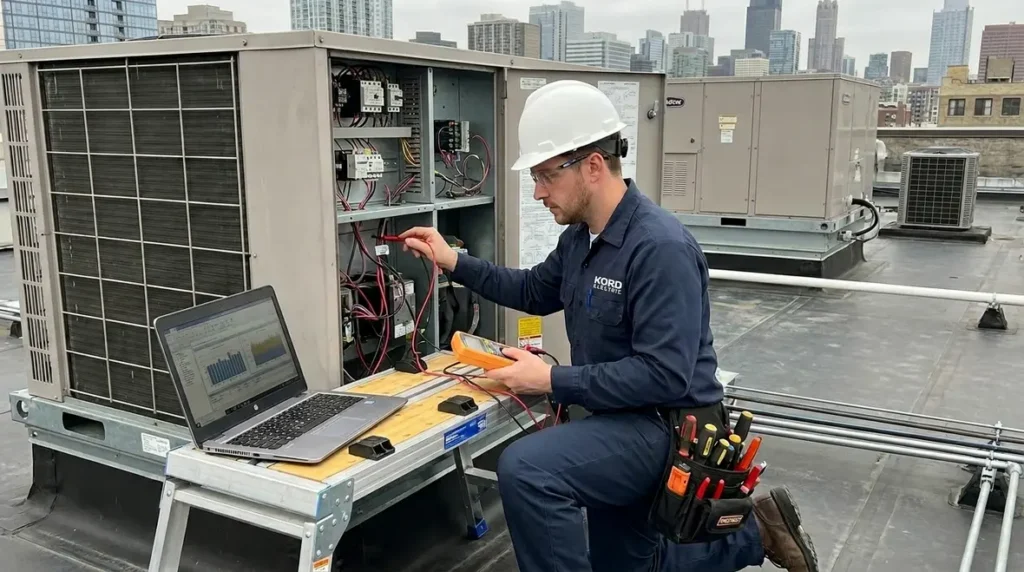
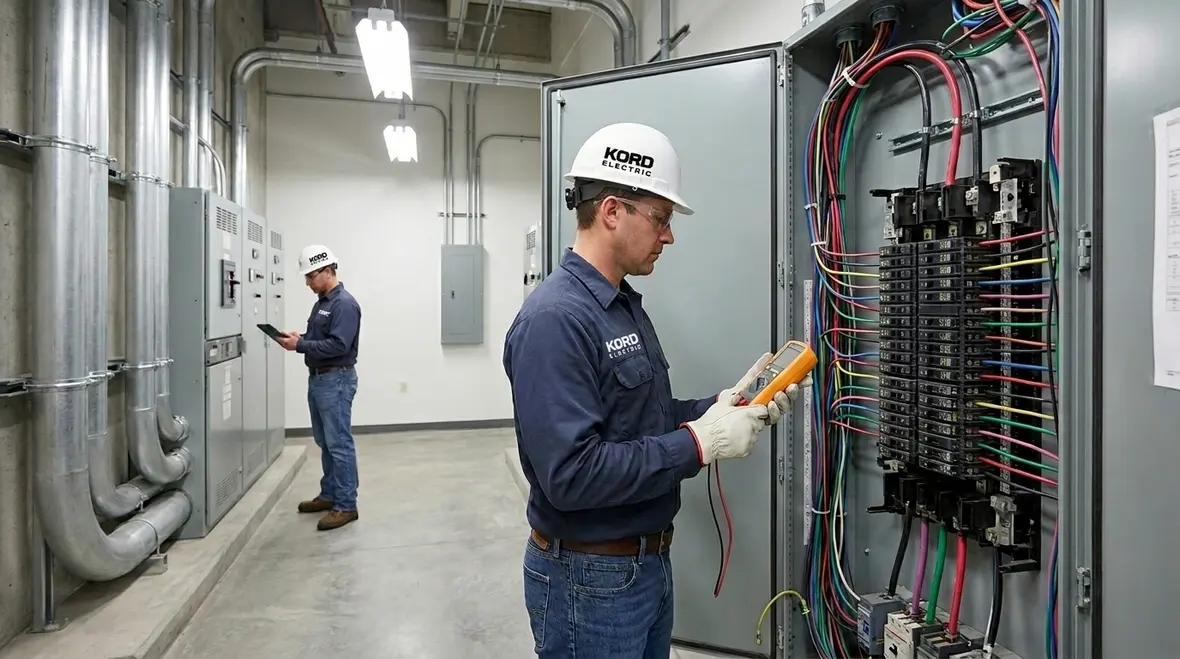
To address this, Kord Electric sends technicians and our expert service staff to verify reality, not guess it. First, we review one line diagrams, panel schedules, and equipment data. Then we confirm what the building actually does under real operation. This includes current measurements by phase, monitoring of demand peaks, and tracking load changes across shifts and seasons.
We also look at harmonics and power quality, because electrical load balancing strategy cannot succeed when the power itself behaves badly. If drives, UPS systems, or non linear loads push harmonics into the system, phase currents can rise in ways that simple load math will miss. Therefore, our approach uses both engineering review and field observation so the building does not get a “theory fix.”
Next, we identify where the imbalance comes from. It might be a misassigned circuit, a historical tenant build out, or a feeder that serves a load group that grew over time. Once we find the root causes, we can design a practical plan that reduces risk and improves performance without forcing the building into a long outage.

What is an electrical load balancing strategy in practice?
An electrical load balancing strategy is not just moving a few breakers like we are rearranging furniture. It is a controlled process that optimizes distribution across panels, phases, and feeders while maintaining safety and code compliance. In practice, we treat load balancing as a system project, not a quick repair.
So we do the following, step by step. We group loads by type and duty cycle, such as HVAC, receptacles, lighting, process equipment, and communications. Then we analyze how each group contributes during peak demand. After that, we select circuit transfers or rewiring steps that bring phase currents closer together.
However, we do not ignore operational needs. If a facility needs a certain panel layout for redundancy or maintenance planning, we respect that. And if the building has critical circuits for life safety and control systems, we protect them first. In other words, we balance the numbers while keeping the real world in mind.
Finally, we verify results after changes. We re measure phase currents and demand, and we confirm that the building’s operating conditions still match what the project intended. If a fix creates a new problem, we find it quickly. Our technicians do not disappear after the work order closes. We stand behind the outcome.
Where imbalance shows up and why it costs money
In many commercial and industrial facilities, imbalance hides until it becomes expensive. It shows up as elevated temperature at switchgear, higher losses in conductors, and reduced efficiency across transformers. It can also increase wear on connected equipment because the system operates outside the optimal range.
Meanwhile, the cost is not only electrical. When circuits overload, operators respond by adjusting schedules, shifting work, or reducing loads. That slows productivity and creates operational friction. Also, maintenance crews get called out more often for thermal issues, nuisance alarms, or breaker trips. Nobody enjoys a surprise site visit, especially when it happens right before a major deadline.
Furthermore, imbalance can limit future expansion. If a panel or feeder hits capacity early because the load sits too heavily on one phase, the building cannot add new equipment easily. Then the property faces expensive redesigns or service upgrades sooner than planned. So the real cost of uneven distribution is often time, risk, and lost flexibility.
Advanced methods: balancing with controls, monitoring, and commissioning
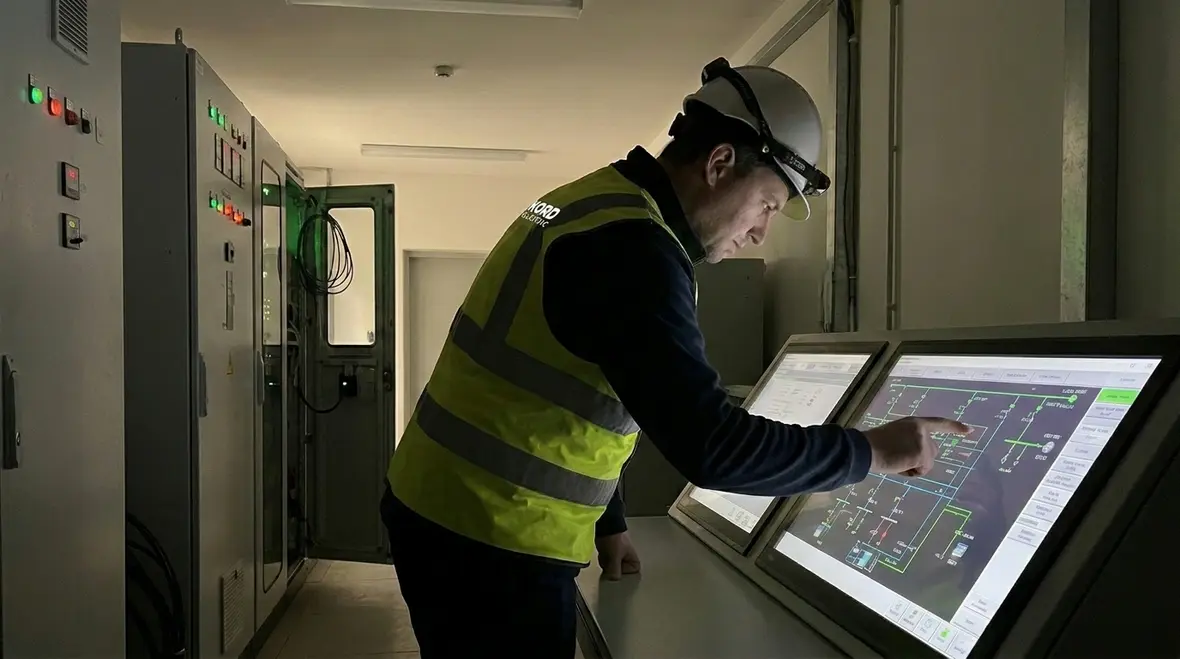
When Kord Electric builds a plan, we aim for long term stability. Therefore, we combine electrical load balancing with monitoring and commissioning practices that keep the system aligned as the building changes.
First, we design monitoring points that capture phase currents, demand trends, and critical circuit behavior. This gives owners and facility managers an ongoing view. Then, we align control systems so automated equipment cycles do not create repeated peak conflicts. For example, some buildings cool multiple zones at the same time because of default settings or schedules. If we stagger starts and tune setpoints, we smooth demand without cutting comfort or productivity.
Second, we update documentation. We refresh labels, circuit maps, and panel schedules so future electricians do not inherit mystery wiring. Third, we coordinate with commissioning teams and facility operations so changes do not create unintended effects on controls, safety devices, or automation panels.
And yes, sometimes we remove small leftovers from old tenant projects. One orphan circuit on the wrong phase can cause disproportionate stress. That is like leaving a single loud speaker turned on during a meeting and pretending nobody notices. After we correct it, the building behaves more like a professional.
For facilities looking to pair balancing with a broader reliability plan, Kord Electric also supports structured programs like their dedicated electrical preventive maintenance services, which help keep panels, feeders, and switchgear stable long after the initial project.
Steps to implement balancing without disrupting operations
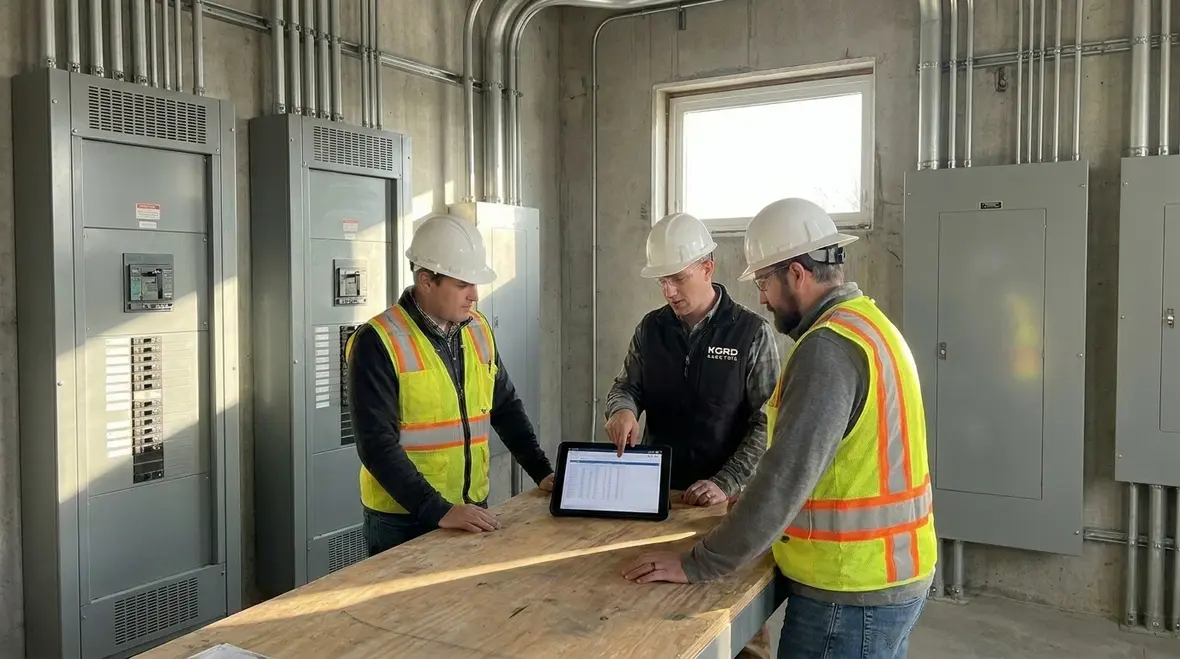
Commercial and industrial properties care about downtime, so we plan the work like a logistics mission. Our process usually starts with a scheduling meeting that aligns with production, cleaning cycles, and HVAC operation windows. Next, we run load analysis and confirm breaker ratings, conductor sizes, and protective device coordination.
Then we stage the changes. We can shift circuits in phases, prioritize non critical areas first, and keep critical loads on the safest path. In many cases, we perform work during planned maintenance windows and we keep test equipment on site. During the transfer, we check phase connections and verify that no circuit ends up misconfigured.
After changes, we measure performance again. That includes demand readings, thermal checks where appropriate, and power quality observation when the facility needs it. Finally, we provide a clear report so others can maintain the system confidently. Our expert service staff explain what we did, why it matters, and how to prevent imbalance from returning when the next tenant build out arrives.
Benefits for industrial and major property buildings
When Kord Electric optimizes distribution, the benefits show up in multiple places. First, the building reduces the likelihood of overheating and nuisance trips. Second, it improves equipment efficiency and can lower electrical losses, which helps operating costs. Third, it increases capacity headroom so future upgrades do not require immediate service replacements.
Equally important, owners get better operational predictability. Facility teams can plan shifts, cooling seasons, and expansion projects with fewer surprises. And when the power system remains stable, the building runs more like it should: steady, safe, and ready for what comes next.
Also, balanced phases can support smoother performance for sensitive loads such as server rooms, process controls, and advanced automation. In a major property building, those systems often sit near the top of the priority list. We do not treat load balancing like a purely technical exercise. We treat it like a business risk reducer.
For large facilities that need more than one-time improvements, pairing balancing with broader Los Angeles County electrical services keeps upgrades, maintenance, and future projects aligned under a single strategic plan.
Frequently asked questions about load balancing and power optimization
Ready to stabilize power across your facility
If your facility handles shifting tenants, production cycles, or seasonal HVAC loads, uneven electrical distribution can quietly raise risk and cost. Kord Electric reviews your system, then we apply an electrical load balancing strategy to bring phase currents into a safer, more efficient range. Our technicians and expert service staff explain each step in plain terms, and we verify results after changes. Contact us to schedule a load assessment for your commercial or industrial building, and let us bring your power system back under control.
For organizations ready to connect balancing with long term reliability, our team can also align projects with broader preventive programs and upgrades, including services such as electrical preventive maintenance and other commercial electrical improvements that support safer, more predictable operations.