
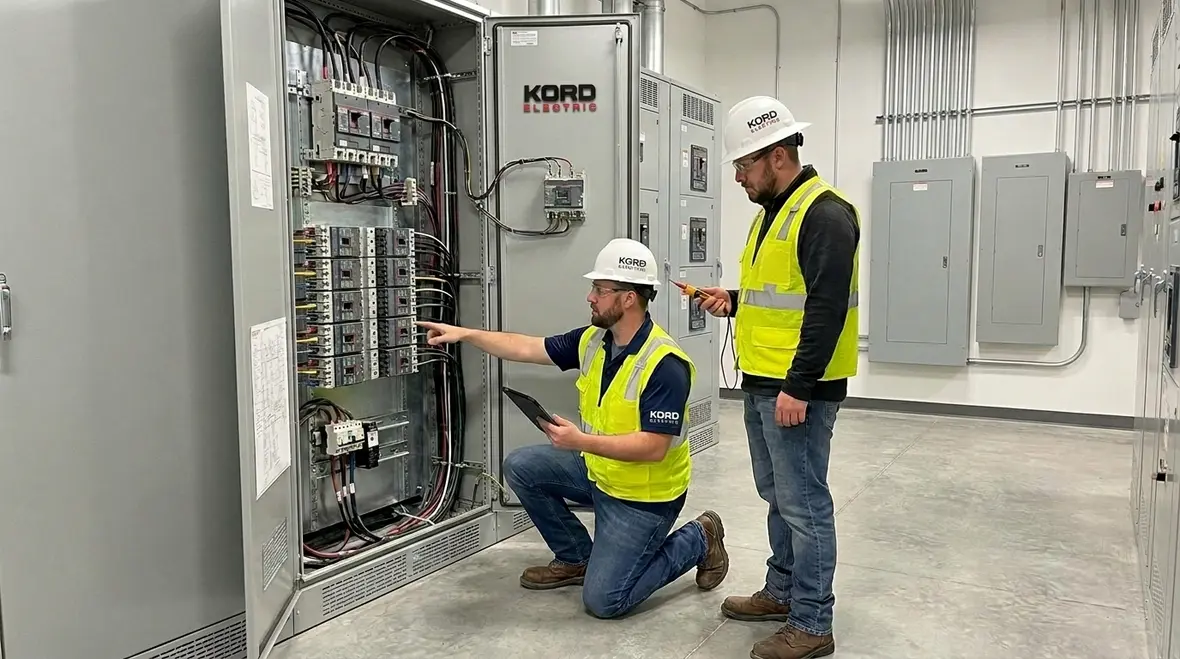
Commercial Electrical Infrastructure Upgrades
If a facility plans for growth, it often outgrows its electrical setup before anyone wants to admit it. At Kord Electric, we handle commercial electrical infrastructure upgrades that keep power steady as demand climbs. That means we replace aging gear, add capacity, and strengthen safety systems so your operations do not slow down. In this guide, our experienced technicians explain what to watch for, how to plan before problems appear, and how to build a smart upgrade path that supports expansion, tenant change, and higher loads.
How growth triggers the need for electrical change
Growth does not only add people, offices, or production lines. It adds equipment that pulls power in new ways. Therefore, a site that once ran fine can begin to struggle when it adds electric boilers, HVAC upgrades, EV charging, new processing machines, or high density lighting. Meanwhile, the rest of the building keeps running on the same panel schedules, conductor sizes, protection settings, and switchgear that were designed for an earlier era.
At Kord Electric, we speak with facility managers and others who feel the tension. They try to keep operations moving, and they hate downtime almost as much as they hate budget surprises. And honestly, who doesn’t? Still, electrical demand rises quietly until it becomes loud, usually through heat, nuisance trips, voltage drops, or equipment aging that speeds up.
Our expert service staff also helps explain why “we will just replace one thing” can become a trap. If the supply, distribution, and protections do not match the new load profile, the upgraded part may carry more stress than it was designed for. So instead of patching, we plan a coordinated approach that matches the whole system.
Key warning signs your commercial site cannot ignore
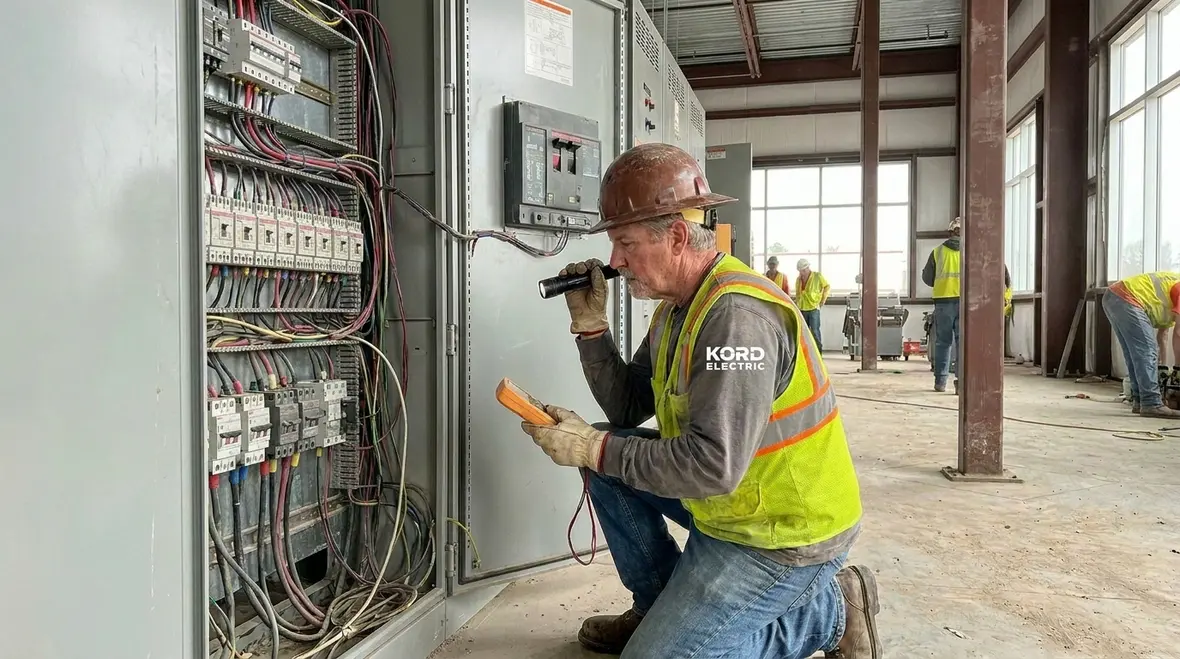
When an industrial or major property building starts showing electrical stress, the signs often show up in patterns. First, breakers trip more than expected, especially during peak schedules. Second, panels and switchboards run hot even when loads look normal on paper. Third, electricians may notice flickering lights, odd motor behavior, or inconsistent performance from critical controls.
Moreover, safety issues can develop quietly. Loose connections, worn terminations, aging insulation, and moisture intrusion can create hot spots and arcing risks. And while those issues are not always visible to the naked eye, they are often measurable with proper inspections.
Here is where our technicians earn their paychecks. They do not rely only on “it seems worse.” They check loading trends, review one line diagrams, validate protective coordination, and verify grounding and bonding practices. Then we match those findings to a realistic upgrade plan.
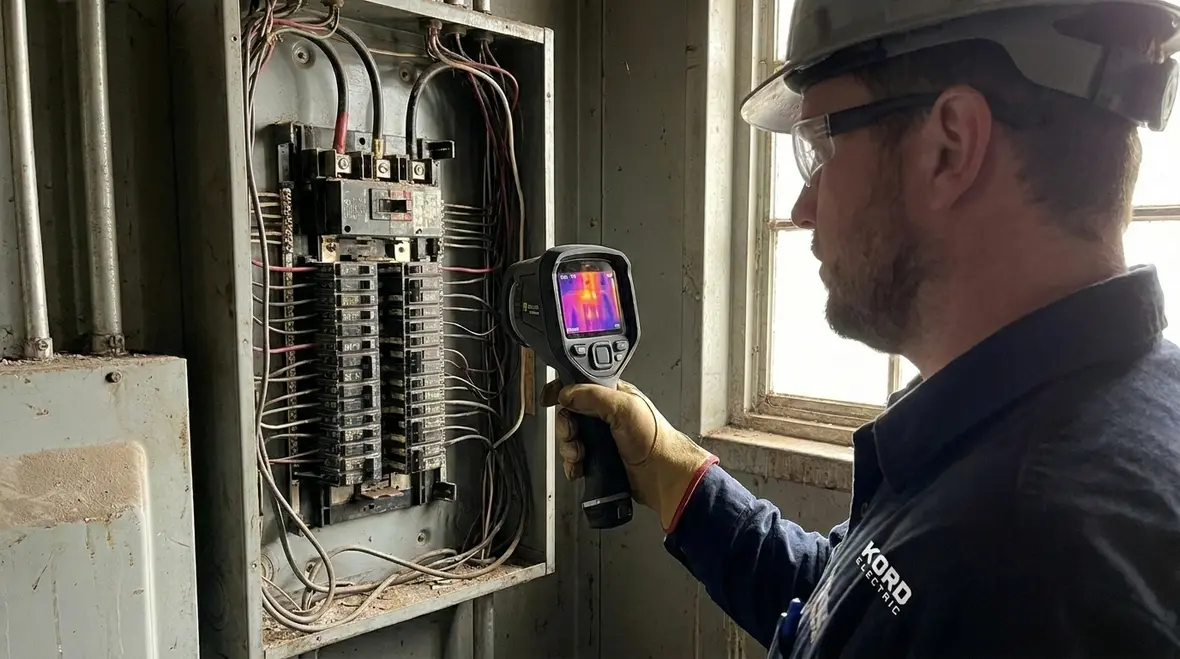
For many facilities, these warning signs also overlap with hidden issues behind walls and above ceilings. Kord Electric outlines how subtle problems build over time in their article on hidden electrical risks in commercial buildings, where early testing and inspections help stop trouble before it reaches your main production floor or tenant spaces.
Conduct a power load assessment before you touch equipment
Before anyone buys gear, we strongly recommend a load assessment that reflects the actual operating plan. This step prevents guesswork and keeps the upgrade aligned with future needs. Therefore, our process usually starts with the building’s current electrical one line information, utility data, and known equipment schedules.
Next, we map how the facility will grow. Some buildings expand by adding production capacity. Others expand by adding tenant spaces, new mechanical rooms, or higher duty cycles. Then we factor in seasonal peaks, start up surges, and temporary construction loads. In other words, we treat growth like a timeline, not a surprise party that shows up with a cake and a power spike.
Our team also coordinates with other trades so the upgrade supports the construction schedule. Because if a duct bank or new conduit rough in gets out of sync, the later electrical work can become expensive and delayed. So we plan early, and we keep the plan practical for commercial and industrial facilities, including major property buildings with complex power routing.
For some owners, this assessment naturally connects with structured care programs. Kord Electric’s electrical preventive maintenance services help keep the data behind those assessments current, so decisions about upgrades reflect how the system truly behaves under load, not just how it looked on day one.
Upgrade options that fit real budgets and real schedules
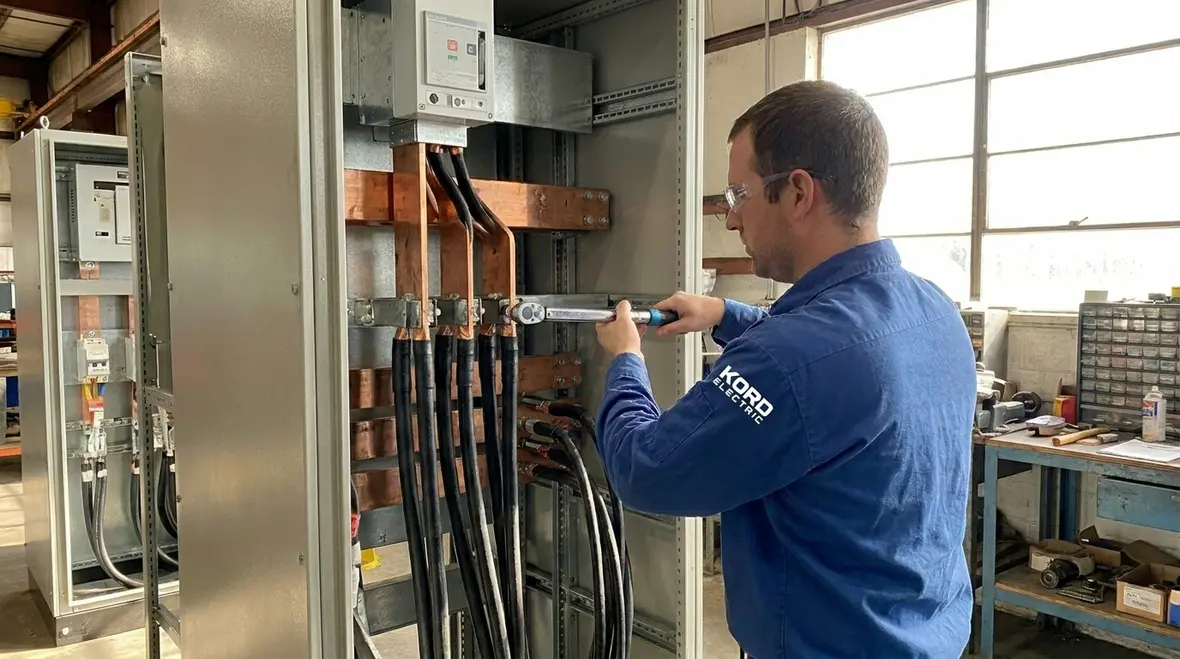
Once the assessment confirms capacity limits, Kord Electric helps clients choose the right upgrade path. The best option depends on utility capacity, existing switchgear condition, distribution layout, and future load growth. In many cases, we improve performance by upgrading the main distribution and selectively modernizing feeders, panels, and protection devices.
For commercial and industrial facilities, common paths include:
- Switchgear modernization to increase reliability and improve safety
- Panel and busbar upgrades when distribution can no longer support added loads
- Transformer and distribution capacity increases to reduce voltage drop and heat stress
- Protection and coordination changes to prevent nuisance trips and manage fault clearing
- Power quality improvements when harmonics, surges, or fluctuations create control issues
- Selective integration of standby and backup systems when continuity matters
Then we consider how much downtime the facility can tolerate. Some upgrades can proceed in stages, while others require carefully timed outages. Our technicians plan each phase to reduce interruption, protect critical loads, and keep the work aligned with operations.
And yes, we hear the same line sometimes: “Can you do it while we keep everything running?” The answer is sometimes, and sometimes not. But either way, we explain the tradeoffs clearly, so leadership can make decisions without guessing.
In some buildings, these choices overlap with other modern upgrades, such as integrating renewable power or smarter controls. If your roadmap also includes solar, Kord Electric’s commercial solar panel electrical integration guide explains how to connect new generation sources without overloading legacy distribution.
Plan reliability, safety, and compliance as one system
Growth creates stress, but it also creates responsibility. Electrical upgrades should not just add capacity. They should also improve reliability, safety, and compliance. Therefore, our approach treats the electrical system as a coordinated network, not a stack of individual replacements.
We focus on key elements that reduce risk during expansion. That includes inspecting and correcting grounding and bonding paths, verifying conductor sizing and connection integrity, and checking protective device settings against the expected fault conditions. Additionally, we review labeling, documentation, and the clarity of the one line diagrams, because good paperwork saves time later.
Our expert service staff also helps clients understand what matters for ongoing operations. For example, proper maintenance schedules reduce unexpected failures, while monitoring helps catch heating and load imbalance early. So instead of treating the upgrade as a one time event, we help turn it into a system that performs year after year.
Meanwhile, we coordinate with site safety requirements and the realities of major property building infrastructure. When multiple tenants or departments share distribution, our planning accounts for boundaries and handoffs. That way, we limit surprises and keep power upgrades consistent across the facility.
For facilities that want to dig deeper into how standards shape those decisions, Kord Electric’s article on NFPA 70 and the National Electrical Code walks through why modern upgrades have to align with current code, not just the rules that were in place when your building first energized.
Phased upgrades that avoid shutdowns and protect critical loads
Most commercial and industrial facilities cannot simply “pause” for weeks while the electrical work finishes. So we build phased plans. First, we identify which loads are critical, which loads can be temporarily moved, and which loads should stay energized if possible. Then we design the sequence so the facility keeps operating while the new capacity comes online.
Phased work also helps manage cost. Instead of one massive outage, the building receives staged improvements. That allows leadership to spread spending while still meeting operational deadlines. However, we still coordinate the timeline carefully, because partially completed work that is not integrated can create new complexity.
Our technicians plan with clear milestones. They verify each phase through testing, inspection, and documentation updates. Then they confirm that protection settings match the new system configuration. This step matters because an upgrade that looks correct during construction can still fail under load if the settings do not align. So we test like people who have to answer the phone when something trips.
In the end, phased commercial electrical infrastructure upgrades reduce downtime and maintain continuity for the parts of the facility that must keep running.
If your building already runs 24/7 or supports sensitive equipment, it may also be worth reviewing how your team prepares for sudden events. Kord Electric’s dedicated emergency electrical services keep facilities ready for unexpected failures while long term upgrade work is still in motion.
FAQ: Commercial and industrial electrical upgrades
Next steps with Kord Electric
Growth is coming, whether you schedule it or not. Kord Electric helps commercial and industrial facilities plan commercial electrical infrastructure upgrades with technicians who explain each step clearly and coordinate work with your operating needs. If your building shows heat, nuisance trips, or capacity limits, contact us for a load assessment and upgrade planning session. We will map a practical path forward, reduce surprises, and protect your power reliability. Call Kord Electric today and let’s upgrade with confidence.
If your property is in Southern California, Kord Electric offers full support for complex projects through their dedicated Los Angeles County electrical services, helping major commercial facilities align day-to-day operations, long term capacity planning, and safety requirements under one electrical strategy.
For owners and managers who want their infrastructure to stay ahead of demand, not chase it, pairing thoughtful commercial electrical infrastructure upgrades with ongoing preventive maintenance, clear labeling, and strong documentation turns electrical power from a quiet worry into a reliable asset.


