

Electrical Load Balancing for Commercial Facilities
In a commercial or industrial building, electrical power should feel calm and predictable, not like a last-minute overtime game. Electrical load balancing is one of those behind-the-scenes disciplines that separates smooth operations from constant nuisance alarms, hot equipment rooms, and mystery trips that send everyone hunting for the reset button. When phases carry uneven current and circuits are not planned with the building’s real operating patterns in mind, the system starts to show stress in ways that cost money, time, and uptime.
At Kord Electric, our teams work with high-demand commercial and industrial facilities every day, from multi-tenant properties and production spaces to data-heavy office environments. We see how a thoughtful approach to load balancing protects equipment life, stabilizes voltage, and supports long-term reliability. This guide walks through how we approach Electrical load balancing tips, why imbalance costs more than most people realize, and what it looks like to correct the issue without turning your operations schedule upside down.
Along the way, you will see how load balancing connects with power factor, harmonics, preventive maintenance, and staff training. These are not separate topics. They are all pieces of one power story, and when you manage them together, the payoff is steadier systems and fewer unwelcome surprises on both your utility bill and your maintenance logs.
Electrical load balancing tips for calmer power flow
At Kord Electric, we start with simple Electrical load balancing tips, because the best efficiency upgrades often come from good habits. First, we map every feeder, panel, and major load in the building. Then we shift single phase and multi phase loads so no one circuit fights the others like rival teams in the last five minutes. Next, we set clear operating targets, monitor demand in real time, and verify results after changes. Finally, we coordinate with facility staff so the plan fits how your building actually runs, not how a textbook imagines it runs.
And yes, we have seen load balancing ignored for so long that the electrical system looks tired. Like an office worker on Monday. Let us help you run it smarter.
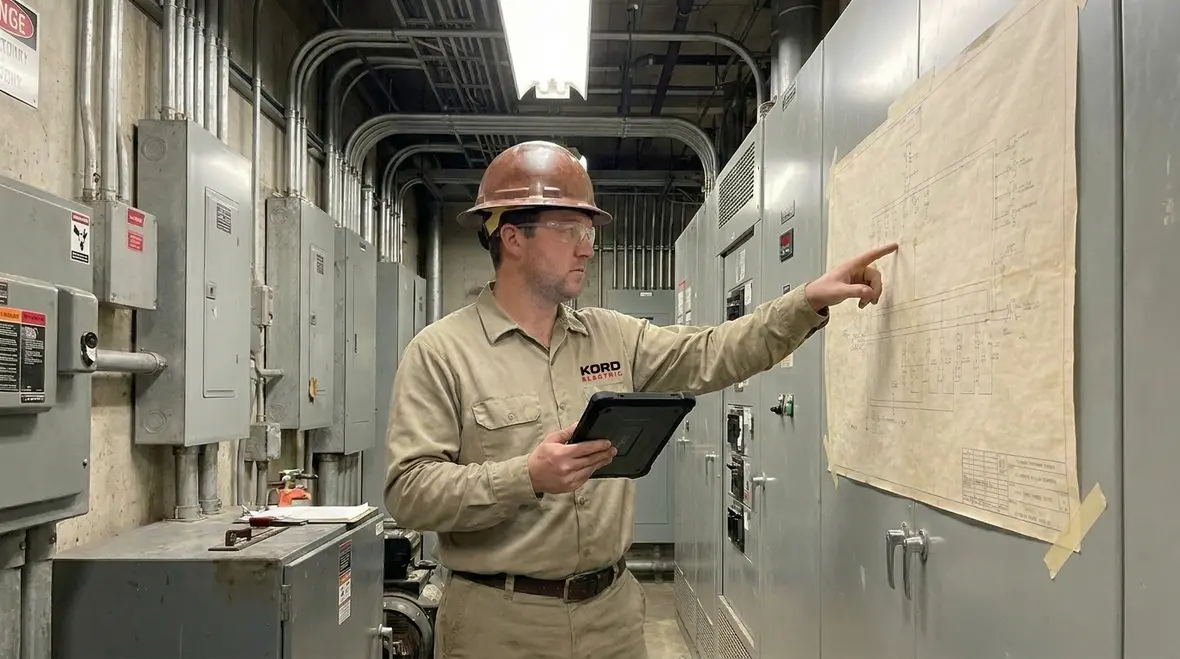
When we discuss load balancing with facility leaders, we keep the focus on what you can control. You may not control utility-side conditions, but you can absolutely control how your internal system distributes load, how panels are structured, and how operating schedules align with electrical capacity. Sometimes, small changes in how equipment is grouped or when certain processes start can smooth out big spikes and reduce the strain on your infrastructure.
For teams who want to go deeper on how overall electrical design shapes building performance, our article on commercial electrical systems in modern buildings shows how everything from panels to automation fits together in a real facility, not just in a diagram.
Explore how commercial electrical systems support reliability and compliance
Why load imbalance costs businesses real money
In commercial and industrial facilities, power problems rarely stay “electrical.” They show up as higher energy bills, nuisance alarms, premature equipment wear, and downtime that nobody budgets for. When load is uneven across phases, the current rises on one phase while the others lag. As a result, motors may run hotter, transformers can operate outside their best range, and breakers and conductors age faster.
Moreover, imbalance often increases losses. Because I squared R losses depend on current, even a modest overloading condition on one phase can raise total losses. Then, if your facility uses harmonic producing equipment such as variable frequency drives, LED drivers, rectifiers, and UPS systems, the situation can worsen. Harmonics can amplify heating and distort waveforms, and distorted current does not “share” the burden politely.
So, we treat load imbalance as a system issue, not a one time fix. We evaluate the whole power path: utility feed, main switchboard, transformers, distribution panels, motor control centers, branch circuits, and any power conditioning equipment. In large facilities, this often means correlating electrical data with production schedules, occupancy patterns, and building automation trends so you can see exactly when and where the stress builds up.
When facilities already struggle with unstable voltage, load imbalance usually shows up alongside other symptoms. Our dedicated service page on voltage fluctuations in commercial and industrial buildings explains how issues like overloaded circuits and aging infrastructure combine with imbalance to create a perfect storm of problems.
Learn how Kord Electric addresses voltage fluctuations and unstable power
How we audit your electrical system for true load balancing
We do not guess. We measure. First, our technicians gather as built drawings, one line diagrams, and panel schedules. Then, we identify critical areas: HVAC loads, pumps, chillers, compressors, conveyors, process equipment, data rooms, and any backup power systems. After that, we select measurement points that reflect the real story, not just the easiest locations.
Next, we run a phased load study. We check amp draw per phase at the main and at key distribution points. We also review voltage balance, neutral loading, and grounding conditions. Then we document operating patterns. Many buildings look balanced at noon and chaotic at 6:00 PM when multiple shifts start, production ramps, or cooling demand spikes. Therefore, we build a timeline of load behavior across the day and across days of the week.
Finally, we validate the audit with operational interviews. Our expert service staff explains what we see and what it means, in plain language. We ask about equipment schedules, maintenance windows, and planned future expansions. That way, the plan fits your facility goals, not only our spreadsheets.
For large properties and campuses, this load study approach often folds directly into a broader preventive maintenance strategy. Regular inspections, thermal scans, and testing all complement Electrical load balancing tips by catching loose connections, deteriorating insulation, and overloaded components before they progress to failure.
See how electrical preventive maintenance supports critical facilities
Rebalancing phases without disrupting operations
Once we identify imbalance, we design changes that protect uptime. We typically reassign loads within distribution panels, adjust phase connections where code compliant, and optimize grouping for motors and power supplies. However, we do this carefully, because moving a load is not just moving a wire. It changes where heat goes, how protective devices coordinate, and how equipment experiences its supply.
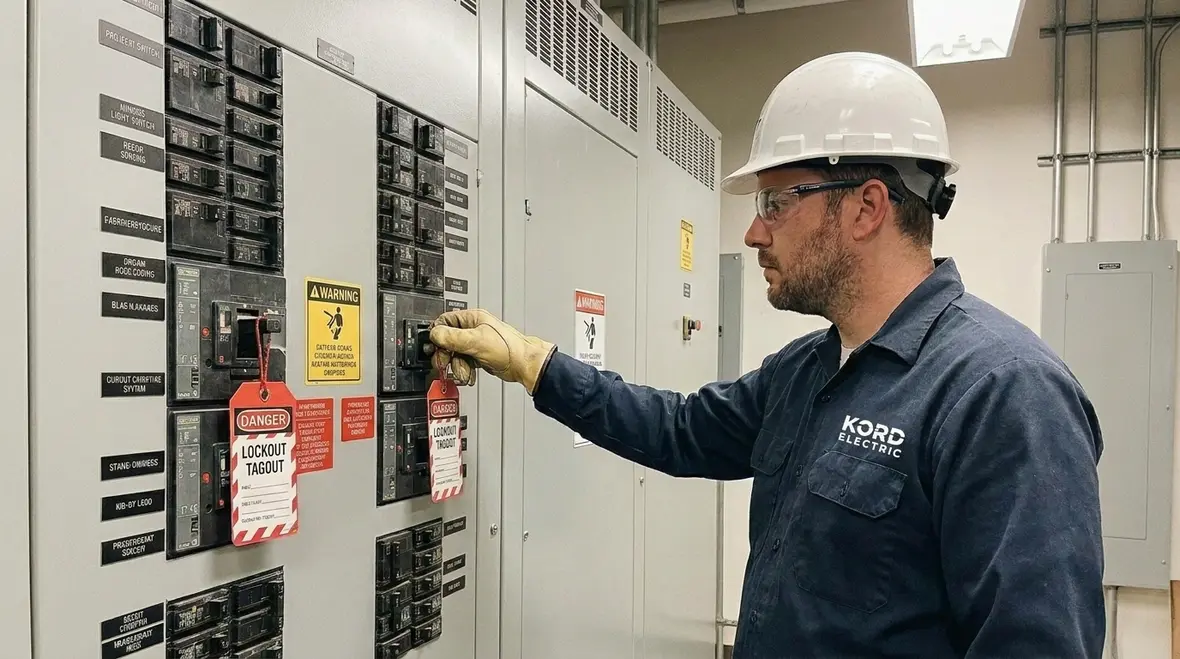
At Kord Electric, we follow a disciplined sequence. First, we confirm load ratings, breaker sizing, and conductor capacity. Then we verify that any three phase equipment maintains correct rotation and controls. After that, we create a switching plan that includes isolation steps and clear signage. We coordinate with facility leadership so critical processes have coverage, and so your team knows exactly what will happen.
Then we implement the changes in steps, often in off peak hours. If we need to redistribute multiple feeders, we stage the work so no area is left stranded like a coffee machine with no power. After the work, we re measure at the same points to confirm the improvement. We document results so you can track performance, not just “feel” better.
In many facilities, rebalancing phases lines up with other project work such as lighting retrofits, commercial kitchen upgrades, or panel replacements. When those projects are scheduled, it is the ideal time to step back, look at the big picture, and apply Electrical load balancing tips as part of an overall modernization plan.
See how Kord Electric handles complex commercial kitchen electrical upgrades
Power factor, harmonics, and efficiency gains that stick
Electrical load balancing does not live alone. To improve efficiency in commercial and industrial facilities, we also address power factor and harmonic issues that raise losses and increase reactive demand. When a building carries lots of inductive loads, the system can draw more current than necessary for the same real power. That means higher current flow, higher I squared R losses, and larger apparent power demands.
In addition, harmonics from electronic drives and switching supplies can cause overheating and mis operation in sensitive gear. So we assess waveform distortion and harmonic currents where needed. Then we recommend solutions such as targeted harmonic mitigation, proper equipment selection, and adjustments to how loads and feeders connect.
We also focus on where efficiency actually improves your operation. For example, correcting imbalance can reduce conductor heating, but improved power factor can reduce demand charges and free capacity on feeders and transformers. And when we align controls and schedules, your HVAC and process equipment can run closer to their ideal ranges instead of fighting the electrical environment.
Our expert service staff explains each recommendation with business impact. In other words, we tell you what changes now, what changes later, and what will not change, so decision makers can act without guessing. Whether you are planning a phased retrofit, a large renovation, or a full system upgrade, we keep the technical details grounded in operational outcomes.
Load monitoring, maintenance, and staff training for long term results
Even a well balanced system can drift. New equipment gets added. A panel gets repurposed. A tenant remodel changes circuits. Production ramps up, then later expands. That is why we build monitoring and maintenance into the plan.
We advise on ongoing measurement practices that facility teams can sustain. This often includes periodic checks of phase currents, neutral loading, transformer temperatures when available, and trends in demand. We can also set up alerts for unusual imbalance or persistent neutral overload. And if you already use building management systems, we help map electrical signals into those dashboards so operations staff can see issues early.
Training matters too. We make sure your engineers and maintenance team understand what to look for during routine rounds. When our technicians explain the “why” behind the readings, staff can spot trouble before it becomes a costly event. Think of it like learning to hear a small engine knock. You do not wait until it sounds like a horror movie soundtrack.
Many organizations fold Electrical load balancing tips directly into their commercial and industrial electrical maintenance plans, aligning inspections, testing, and panel reviews on a predictable schedule. When the same provider handles both balancing and maintenance, trends become clearer and recommendations stay consistent from one visit to the next.
Read about commercial and industrial electrical maintenance plans
How Electrical load balancing affects reliability and safety
Reliability and safety tie directly to how evenly loads distribute. When one phase carries more current, the components on that phase face higher thermal stress. That stress can reduce insulation life in conductors, bus bars, and switchgear. Over time, that increases the risk of failures, nuisance trips, and maintenance costs.
Also, neutral overload can become a major safety concern, especially in facilities with lots of single phase electronic loads. When harmonics and unbalanced phase currents combine, neutral current can rise dramatically. Therefore, we check neutral loading and confirm correct grounding and bonding practices.
We also review protective device coordination. If imbalance forces current surges, protective settings may respond sooner or behave unpredictably. Our team ensures that load balancing changes do not create new risk while they reduce old risk.
Finally, we consider safety during installation and switching. We follow lockout and tagout procedures, verify test results, and document all work. That way, your facility stays compliant and your staff stays safe. When paired with broader electrical preventive maintenance, Electrical load balancing tips become part of an overall risk reduction strategy that gives operations leaders fewer emergencies and more predictable days.
Featured FAQ
How load balancing fits into broader electrical upgrades
Load balancing rarely happens in isolation. In many commercial and industrial facilities, it sits alongside lighting upgrades, distribution renovations, and targeted corrections for issues such as voltage fluctuations or code-driven lighting changes. When our team evaluates a site, we often identify opportunities to combine Electrical load balancing tips with projects that you may already be planning.
For example, during a commercial lighting retrofit, we may redistribute lighting circuits to spread out demand more evenly across phases. When a commercial kitchen is upgraded, we may rework appliance circuits so heavy cooking loads and refrigeration do not stack on the same phase. And when preventive maintenance reveals consistently warm breakers or hotspots on thermal scans, rebalancing becomes one of the most effective levers for reducing heat and extending equipment life.
If your facility is considering a larger project such as a lighting upgrade or focused voltage correction, it can be the perfect time to address load balance holistically rather than piecemeal. That integrated approach can reduce total downtime and give your building a cleaner, more efficient electrical backbone going forward.
Coordinate load balancing with your electrical preventive maintenance program
Ready to optimize load balancing with Kord Electric
If your commercial or industrial facility has higher energy costs, frequent alarms, or equipment that runs hotter than it should, we can help you regain control. Contact Kord Electric to schedule an electrical load balancing assessment, including phased measurements, a practical rebalancing plan, and verification after changes. Our technicians and expert service staff will walk your team through what we find and what we fix, step by step. Let us reduce risk, improve efficiency, and keep your power system steady. Reach out today.
For facilities that want to go beyond reactive fixes and build a structured defense against failures, our electrical preventive maintenance services create a framework for long term reliability. Load balancing, voltage stability, testing, and documentation all come together to protect critical operations.
View Kord Electric’s electrical preventive maintenance services


