Electrical Maintenance Best Practices Guide
At Kord Electric, we build electrical maintenance best practices into every plan from day one. We start with clear asset lists, then we match tasks to risk, and we schedule work based on real operating conditions, not guesswork. Next, we document results so trends show up early, before a small issue turns into a big outage. Finally, we coordinate access, permits, and safety steps so our technicians can work efficiently and safely. In other words, we treat prevention like a serious business, because most facilities only notice electrical problems when the lights go out. And yes, we have heard the “it just happened” story before. It usually did not just happen. It usually waited.
What does a robust preventative electrical maintenance schedule include?
A robust schedule is not a single checklist. It is a living system that tells others what to do, how often to do it, who will do it, and what “good” looks like. For commercial and industrial facilities and major property buildings, we structure the schedule around critical electrical components and the consequences of failure.
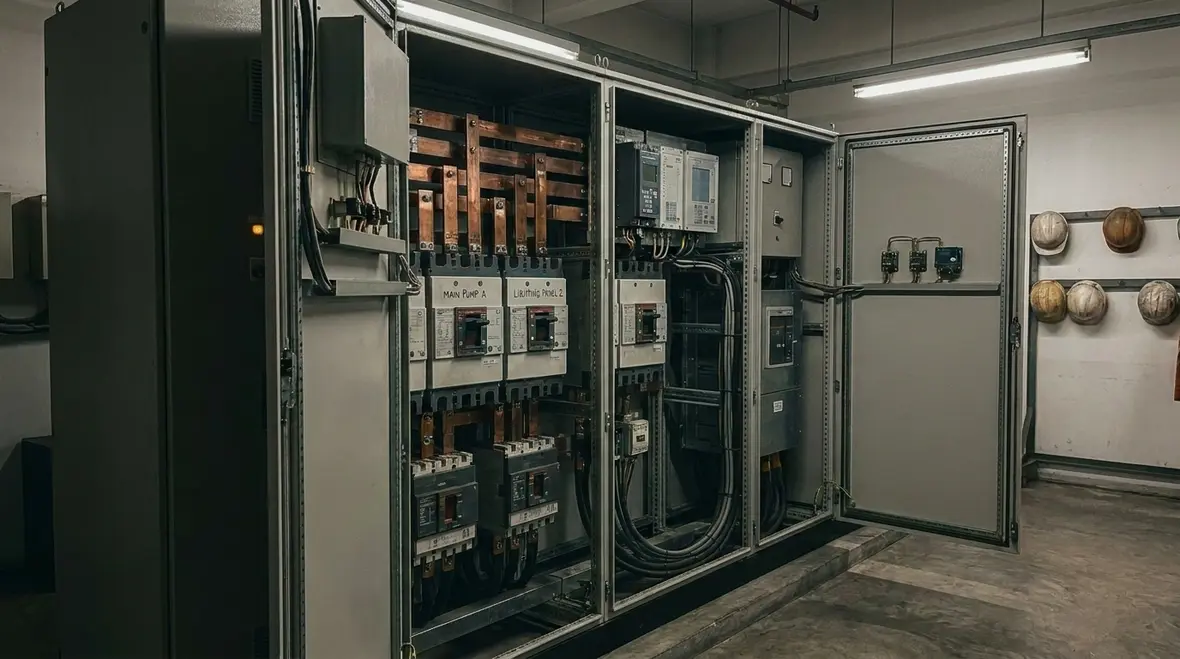
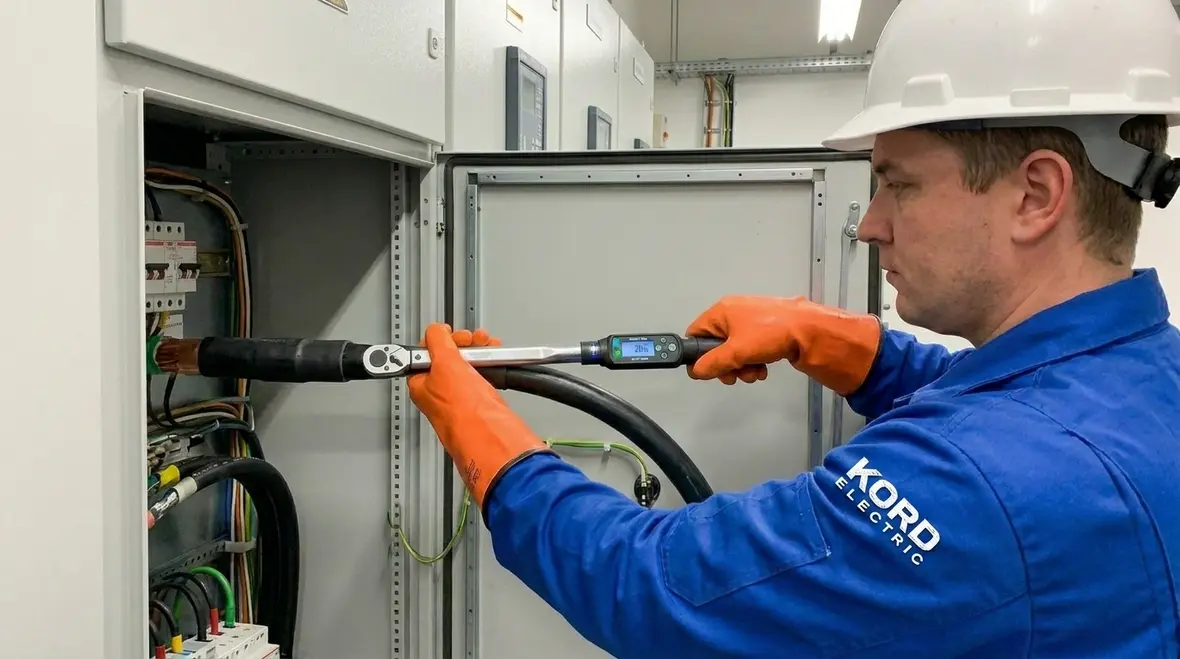
Typically, the schedule includes planned inspection and testing for switchgear, transformers, busways, panelboards, feeders, transfer switches, emergency power systems, grounding and bonding points, and protective devices. It also includes cleanliness work when needed, torque verification for terminations, insulation checks where applicable, and functional verification for protective relays and alarms. And because conditions change, we revisit the schedule as loads grow, equipment ages, and seasonal demands shift.
Meanwhile, our expert service staff explains the purpose of each task in plain language so facility teams understand what they are buying. When the maintenance plan makes sense, compliance becomes easier. When it does not, people skip steps. Then everyone acts surprised. Again, it usually was not surprise. It was predictable.
Step by step: how we build the schedule for your facility
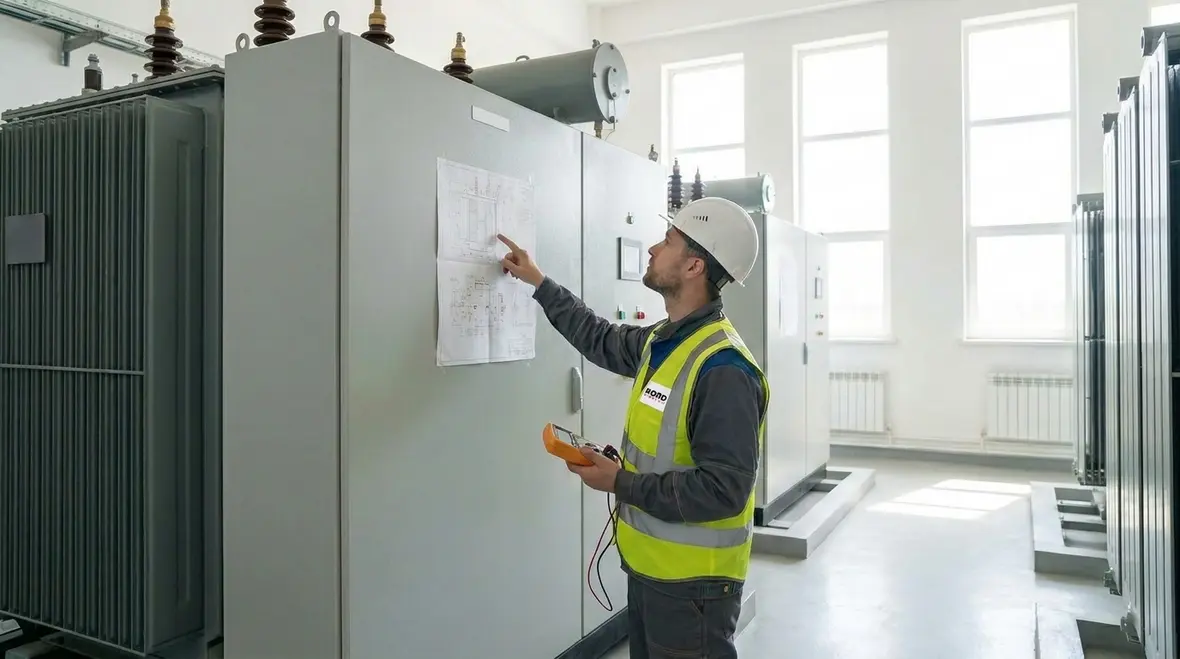
We do not build schedules in a vacuum. We build them with the actual electrical “story” of the building. First, we gather baseline information such as one line diagrams, nameplate data, equipment history, existing test results, and any prior fault logs. Next, we review how the facility runs: critical operations, occupancy patterns, HVAC cycles, production schedules, and power quality complaints.
Then we map tasks to equipment. For instance, some gear benefits from more frequent inspections due to heat exposure, while other areas need deeper testing during planned downtime. After that, we define task frequency using risk factors such as age, loading, environment, and past performance. Finally, we confirm execution details: safe access, lockout procedures, required test methods, reporting formats, and how we handle findings that need engineering review.
Connecting the schedule to broader maintenance programs
For many commercial and industrial teams, the preventative electrical schedule also ties into broader service programs like dedicated electrical preventive maintenance offerings. That connection helps keep inspections, testing, and reporting aligned with site risk, compliance requirements, and real world operating patterns instead of generic templates.
Which tasks we prioritize first and why
We prioritize tasks based on failure impact and the likelihood of hidden deterioration. If a fault can shut down production, impact life safety systems, or damage high value equipment, we move it near the top. This approach supports a steady decline in unplanned events, and it gives facility leaders a plan they can trust.
Our expert technicians often focus early on protective device health, because relays and breakers can fail quietly. We also prioritize terminations and connections. Loose or oxidized connections can heat up long before anyone smells “burnt electronics,” which, by the way, is not a smell you want to explain to landlords. At the same time, we examine grounding and bonding effectiveness because improper grounding can create weird behavior that no one can reproduce on demand.
In practical terms, we also set priorities around systems like emergency power and transfer switching. Those components must work when you cannot afford to test them. Therefore, we schedule performance checks in a way that supports uptime and compliance, while still confirming reliability.
Priorities that support real uptime
Alongside core distribution equipment, we pay close attention to systems that directly support facility operations, such as critical lighting, automated controls, and specialty equipment feeds. For properties planning upgrades or expansions, that same prioritization mindset also connects well with dedicated services like commercial lighting installation, so new systems start life inside a well structured maintenance plan instead of operating on hope.
How often should electrical systems be inspected and tested?
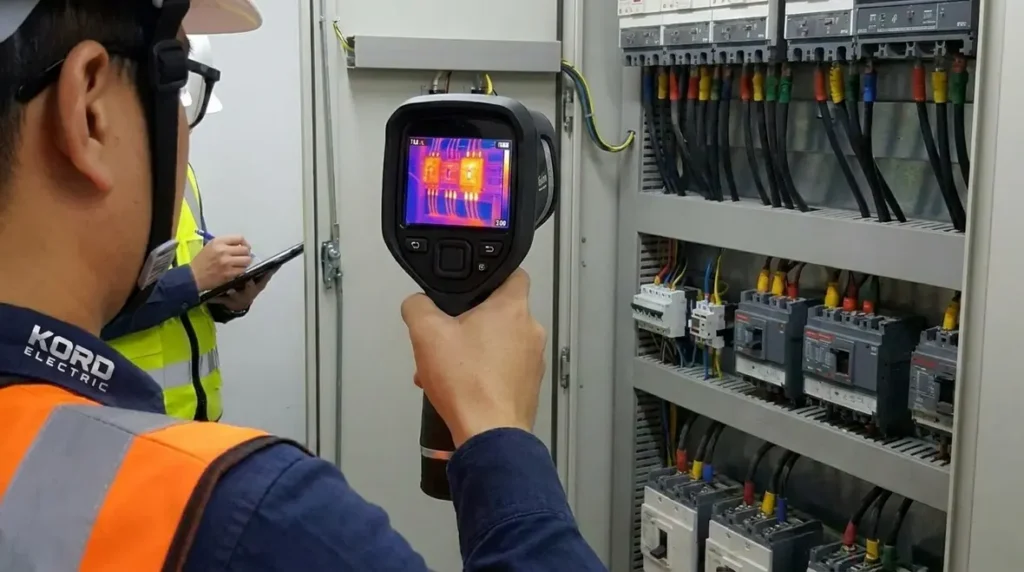
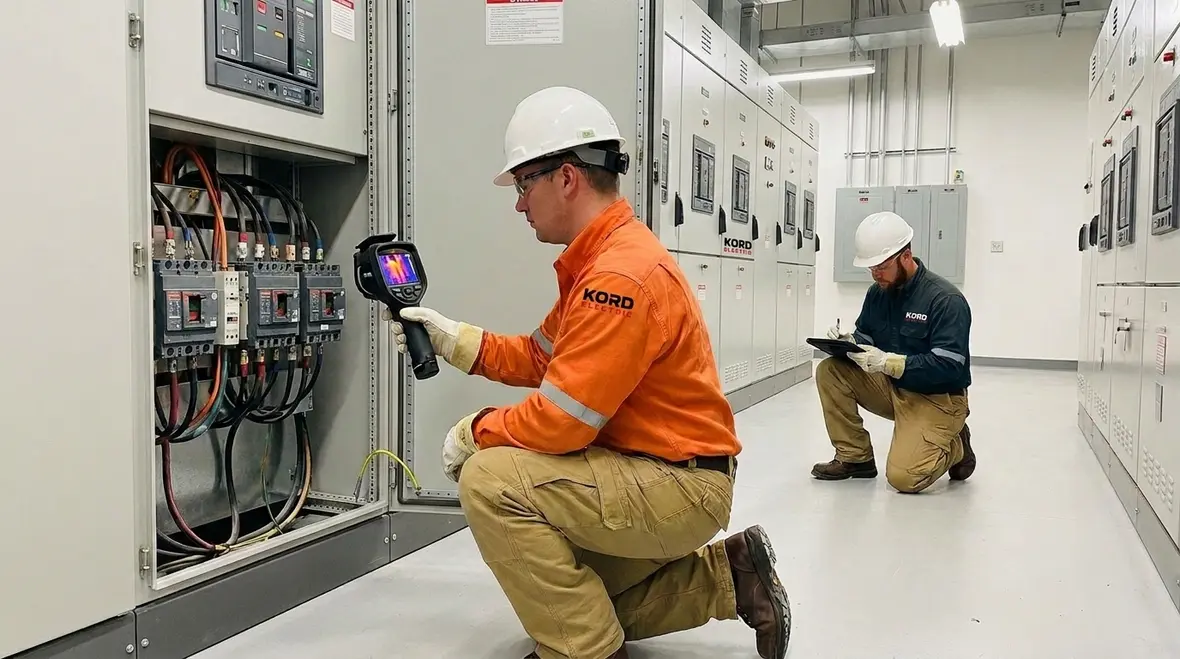
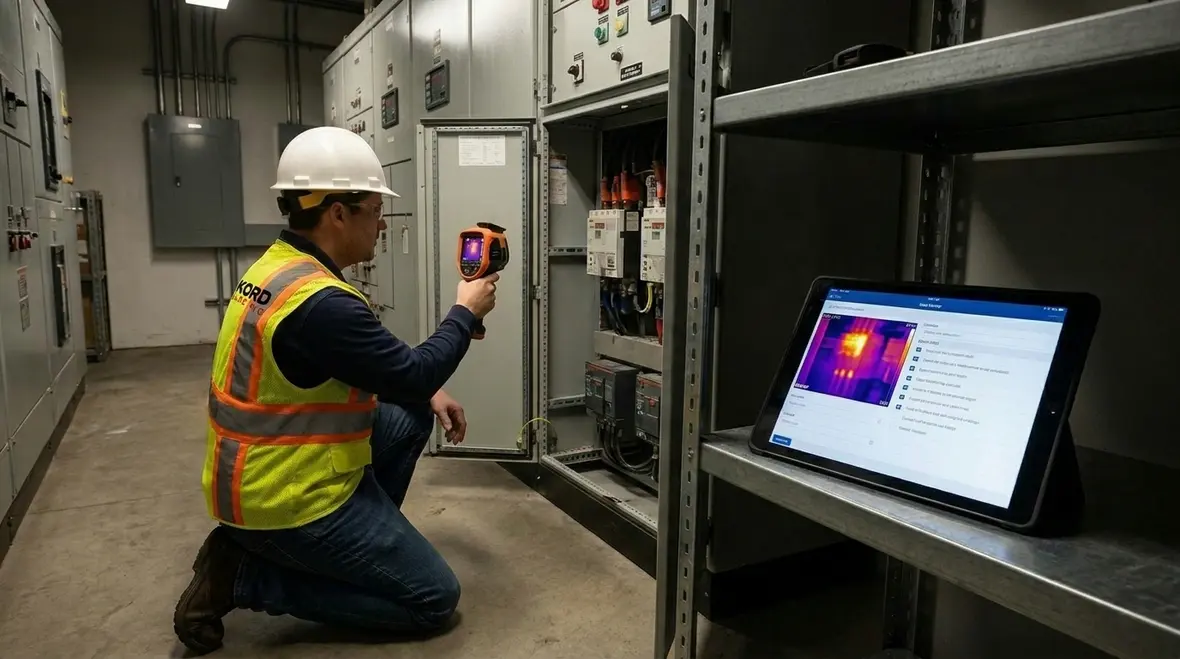
Frequency should match risk, not tradition. In many commercial and industrial facilities, we use a tiered approach: routine visual inspections at regular intervals, periodic infrared and thermal checks for connections and bus areas, and deeper testing on a planned cycle aligned with manufacturer recommendations and observed conditions. We also adjust intervals after major changes such as equipment replacement, load expansion, or renovation work.
Seasonal patterns matter too. For example, heat and humidity can accelerate insulation stress and corrosion. Consequently, we may increase attention during months when the environment pushes electrical systems hardest. Load changes matter as well. If a facility adds production lines or upgrades cooling, we reassess duty cycles and protective coordination. We do this because power systems do not politely stay the same after construction.
Moreover, we treat documentation as a living record. Each completed cycle produces data that supports better decisions next time. Over time, trends reveal where maintenance should shift from “check it” to “watch it closely” to “replace it before it fails.”
Using electrical maintenance best practices to tune intervals
When we apply electrical maintenance best practices across complex facilities, we combine manufacturer guidance, industry standards, and the building’s own history. That means intervals are never set and forgotten. Instead, they evolve alongside usage patterns, equipment age, and lessons learned from each inspection cycle.
How we ensure safety, accuracy, and smooth execution
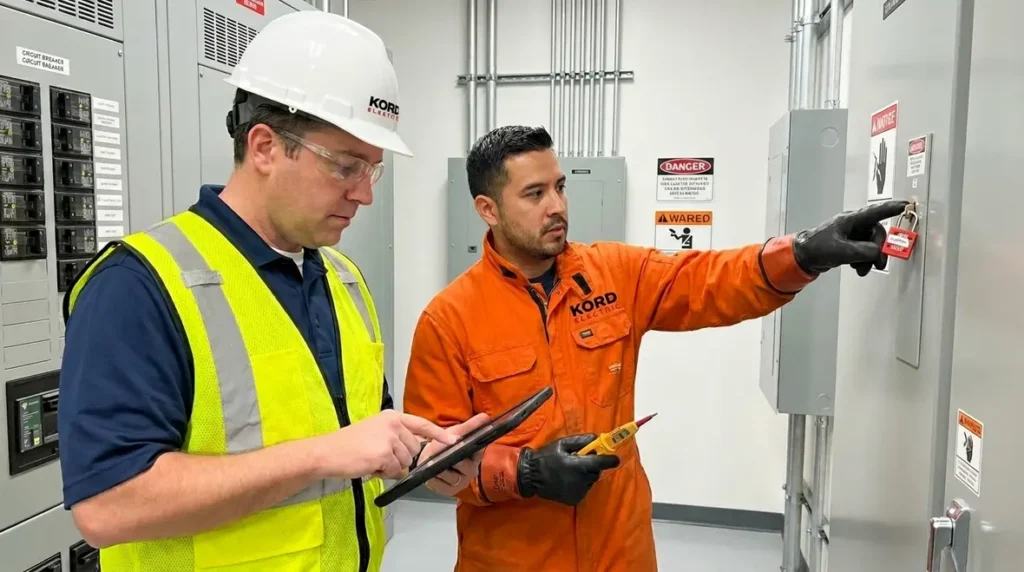
A schedule does not count as real maintenance unless it runs safely and consistently. Our process focuses on safety planning, clear work scopes, and precise reporting. Before field work, our teams review the environment, confirm energized versus de energized boundaries where relevant, and set up proper lockout and verification steps. Then we coordinate downtime windows for major testing tasks so production teams do not feel like they are doing electrical archaeology with every outage request.
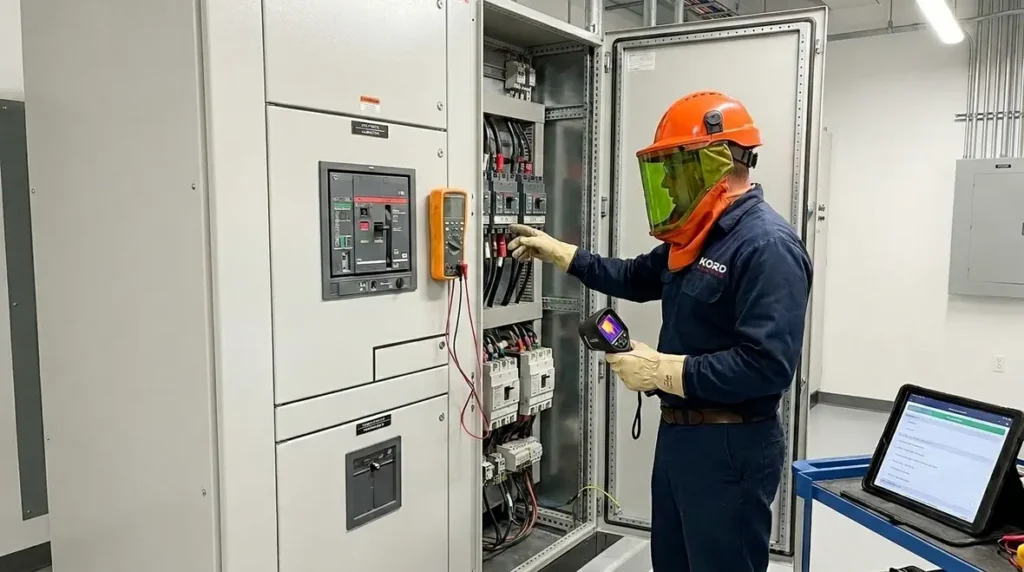
Accuracy comes from how we measure and how we log. Technicians capture test results, compare them to prior values, and flag readings that deviate from expected ranges. We also document observations that do not fit neatly into numbers, such as signs of overheating, contamination, corrosion, or mechanical wear. After that, we translate the findings into actions: continue monitoring, schedule corrective maintenance, or plan replacement.
To show how this works across a facility, here is a sample view of how we run tasks across categories:
System |
Typical schedule focus |
Switchgear and distribution |
Thermal checks, inspection of terminations, verification of protective operation, and cleaning where needed |
Transformers and feeders |
Condition monitoring, insulation related checks where applicable, and load related review to reduce stress |
Grounding and bonding |
Verification of continuity and connection health, especially after modifications |
Emergency power and transfer systems |
Functional verification, testing coordination, and readiness checks that support compliance |
And because we work in the real world, we also train facility contacts on how to interpret our reports. If the report reads like a mystery novel, people ignore it. If it reads like a clear next step, people act. That is how we keep electrical maintenance best practices from becoming shelfware.
Why documentation and reporting keep your program healthy
Facilities succeed with prevention when their information stays organized. Therefore, Kord Electric documents results so trends show up over time. We include what we tested, the method used, baseline values, current readings, and what changed since the last visit. Then we tag findings by urgency and risk so the maintenance team knows what to address first.
We also help connect maintenance outcomes to business goals. A facility owner might not care about the fine details of insulation readings, but they do care about reduced downtime, fewer equipment failures, and predictable budgets. Consequently, we translate technical findings into action plans that support operational continuity. Our technicians also explain recurring issues so teams understand root causes, not just symptoms.
For example, if multiple terminations show heat patterns in the same section, we recommend a targeted corrective plan. If a protective device shows drift, we recommend inspection and verification so coordination remains reliable. Small improvements compound over time, and they tend to show up as fewer surprises.
Turning field data into long term reliability
Over time, detailed reporting also helps facility leaders decide when it is time for larger upgrades, such as panel replacements, targeted rewiring, or new distribution layouts. When those decisions arise, having a clear record from years of preventative work gives everyone more confidence in budgets, lead times, and implementation plans.
Common mistakes we see in commercial electrical maintenance
Even good teams can stumble when prevention becomes inconsistent. One common mistake is treating maintenance like a once a year event. Another mistake is using generic schedules that ignore the actual equipment and operating environment. Also, many teams skip trend review, meaning each visit produces a report, but no one learns from the history.
We also see programs fail when they do not account for modifications. A renovation might add load, change routing, or alter terminations. If the schedule does not trigger a reassessment after changes, hidden issues can develop faster than expected. Another frequent error is unclear responsibilities. When the facility team and the maintenance provider do not align on access and expectations, work drags on and quality suffers.
Finally, some facilities delay corrective work because it is “not urgent.” In electrical systems, “not urgent” can become “it is now.” We help avoid that by prioritizing findings based on risk and by giving teams a clear path from observation to action. And yes, we will gently point out that power systems do not bargain.
Keeping maintenance aligned with real facility needs
When preventative programs stay synchronized with construction projects, process changes, and operational growth, they become far more than paperwork. They turn into a practical framework that helps every stakeholder understand what needs attention now, what can wait, and where to invest so outages stay rare instead of routine.
FAQ about preventative electrical maintenance scheduling
Ready to strengthen your electrical maintenance plan?
At Kord Electric, we build preventative programs that keep commercial and industrial facilities stable, compliant, and ready for demand. Our expert service staff helps your team understand what we test, why we test it, and what the results mean for real operations. If you want fewer surprises and a maintenance schedule that actually holds up in the field, reach out to us. We will review your current setup, recommend next steps, and map a clear plan forward. Let us keep your power steady, so your team can stay focused on work that pays.
For facilities across Southern California, that often includes aligning preventative work with broader programs such as Los Angeles County electrical services. When your day to day maintenance connects to a full service electrical partner, it becomes easier to plan projects, respond to changes, and keep the entire power system working as one.
Whether you manage a single major property or a portfolio of commercial and industrial sites, a disciplined maintenance plan creates a quieter, more predictable future for your electrical infrastructure. The earlier you build that plan, the more problems stay small, manageable, and scheduled instead of loud, disruptive, and expensive.