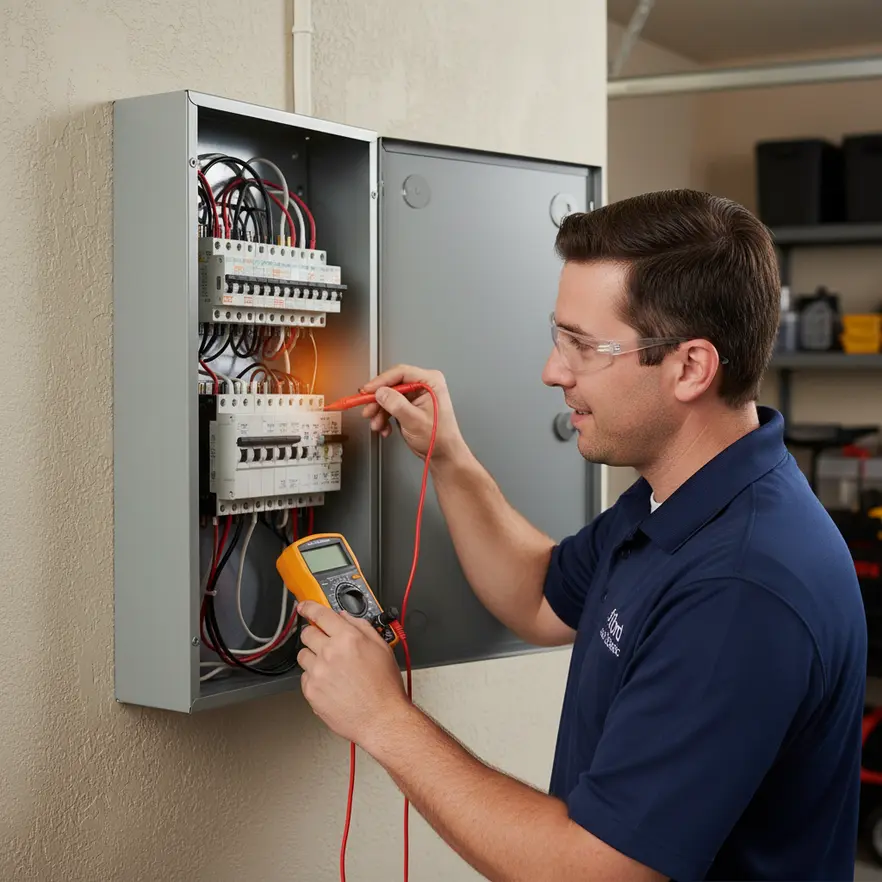
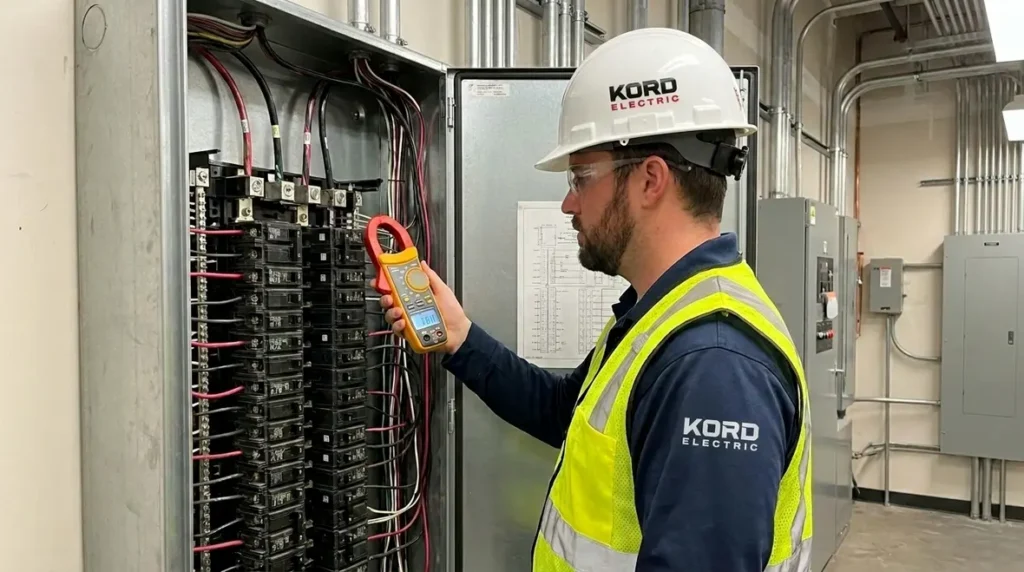
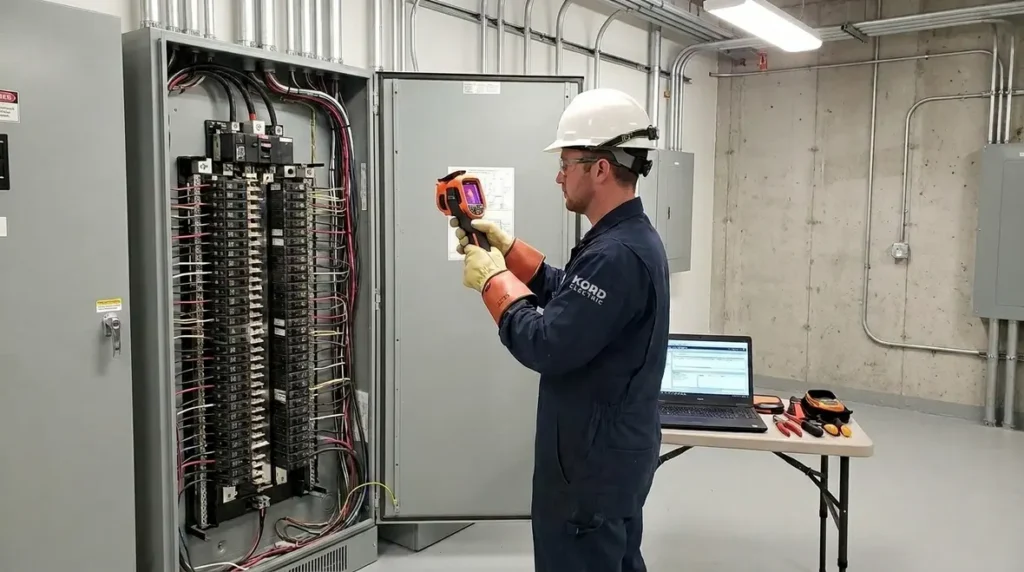
Electrical Panel Load Balancing for Commercial Buildings
Why Electrical panel load balancing benefits matter for commercial buildings
At Kord Electric, we know that reliable power is not a “nice to have” for commercial and industrial properties. It is the foundation for smooth operations, stable performance, and fewer nasty surprises during peak demand. When teams use proper Electrical panel load balancing benefits, they help reduce overheating, lower stress on breakers, and keep critical equipment running as expected. And while others treat panel balancing like paperwork, we treat it like the quiet work that prevents loud failures. In this guide, our expert service staff walks through what load balancing really means, why it matters for major property buildings, and how we handle it with careful testing and clean documentation. Let us be clear: you do not want your electrical system acting like a stress ball for the whole building.
Well-balanced panels do more than keep the lights on. They support voltage stability during heavy usage, help extend the life of major equipment, and give facility teams confidence that their system is behaving the way the design team intended. In a commercial environment where HVAC plants, elevators, production lines, and life safety systems all depend on clean power, Electrical panel load balancing benefits become part of the reliability story, not just a maintenance line item.
That is why we treat balancing as part of a bigger strategy that includes preventive maintenance, clear labeling, and documentation that tells the truth about how the building actually runs. Load balancing is one of those quiet services that rarely makes headlines, but it is often behind the scenes when a facility rides through peak demand without a problem.
How proper load balancing protects critical circuits
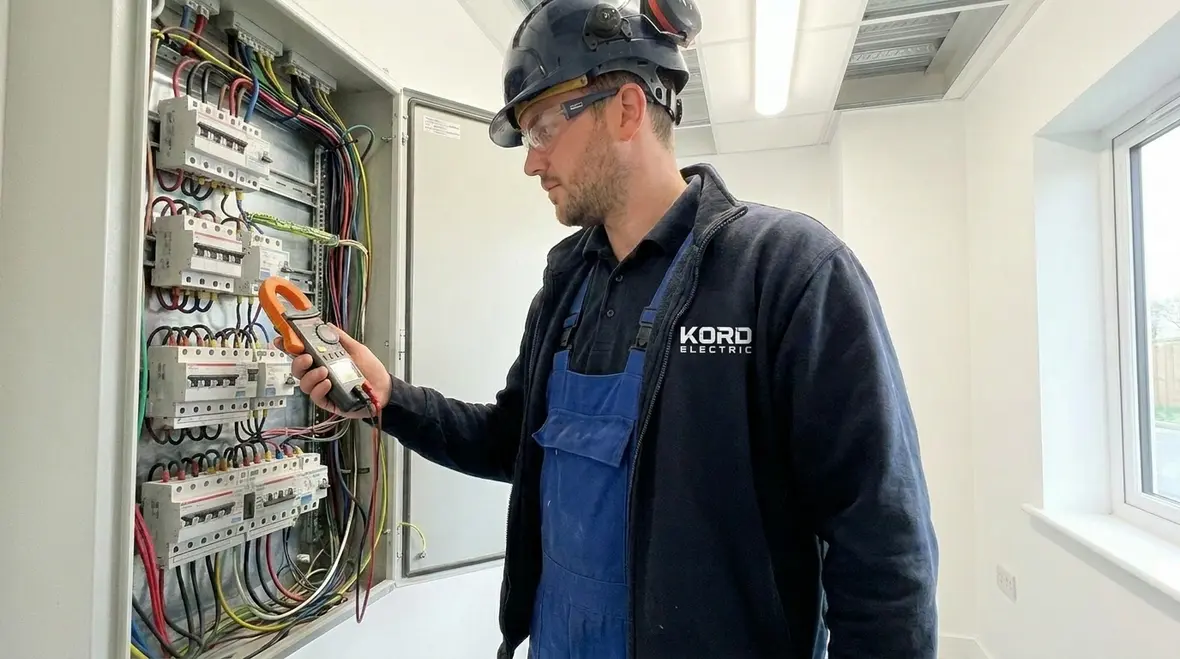
Load balancing means distributing electrical demand across phases so no single path gets overloaded. In many commercial buildings, power is split into multiple phases, then routed to branches that serve everything from HVAC and elevators to lighting and life safety systems. When one phase carries too much, the rest can look fine, which creates a false sense of security. Yet the overloaded phase heats up more, components wear faster, and breaker trips become more likely.
Our technicians approach this with a steady, methodical mindset. First, we verify what the panel is actually doing in real conditions. Then we compare that behavior to the design intent. If one phase is drifting higher than the others, we rebalance circuits where it is safe and practical. As a result, temperature rise reduces, breaker contacts last longer, and sensitive equipment sees a steadier supply.
Proper phase balance also supports consistent voltage to downstream equipment. Motors see fewer sags and surges, electronic controls experience less stress, and protective devices operate closer to their intended performance. In critical areas, that can be the difference between smooth operation and unexplained downtime that sends everyone hunting for answers.
And yes, your building can run “on one leg” for a while. But just because the dance continues does not mean the dancer is not limping. We aim to prevent the limping before it becomes a full performance issue, so your panel does not quietly carry an imbalance that finally shows up as a failure at the worst possible time.
What causes imbalance in a commercial electrical panel
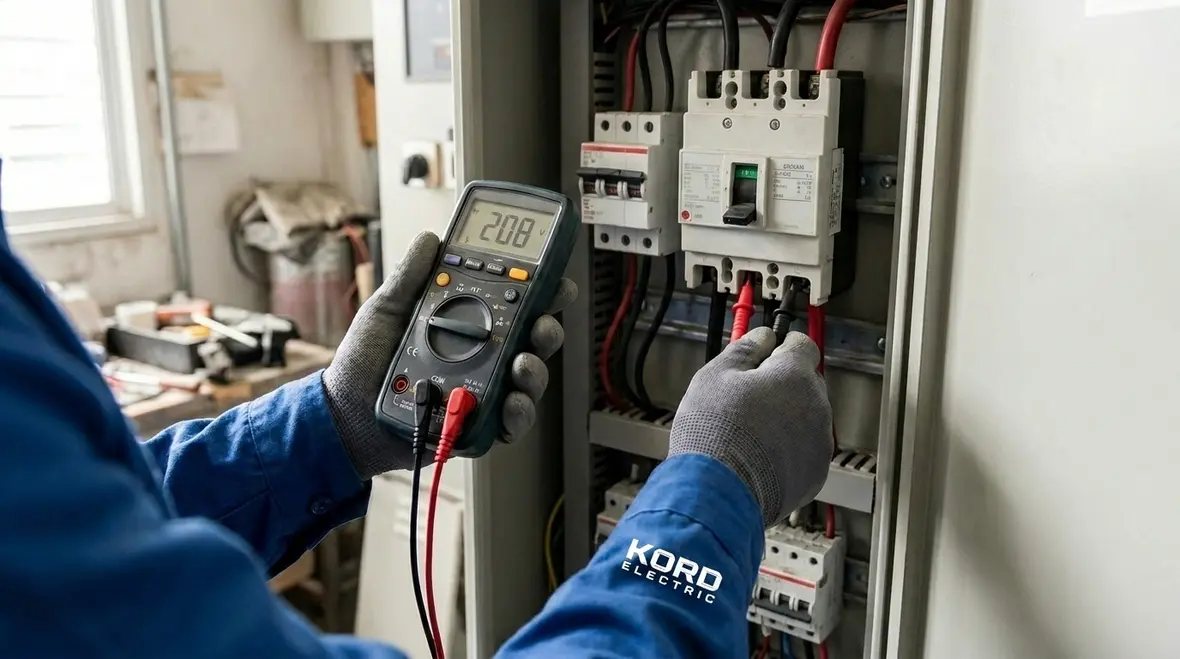
Even well-built panels can drift out of balance over time. That happens for reasons that sound harmless at first, then add up like a slow leak you do not notice until the ceiling shows up. In major property buildings, additions and changes happen constantly: tenant improvements, equipment upgrades, expanded refrigeration loads, new server closets, or even a last minute event that doubles lighting demand.
Here are common imbalance triggers we often see during inspections:
Tenant changes that move circuits without rebalancing phase distribution
Equipment swaps where one piece of gear draws more current than the old equipment
Panel expansions that add new breakers on whichever spaces are available
Renovation rewiring where loads get assigned by convenience rather than phase planning
Seasonal load shifts like summer cooling or winter heating that affect phases unevenly
In other words, imbalance is rarely caused by one big mistake. It is usually the combination of many small decisions, repeated across a building over months or years. That is why we keep our process grounded: measure first, then adjust. For property teams who want a deeper look at how hidden electrical issues develop inside panels and feeders, our article on hidden electrical risks in commercial buildings walks through what we often find behind closed doors and how those issues connect to load conditions over time.
Imbalance can also creep in when older panels were never designed for today’s types of loads. Modern electronics, variable frequency drives, and sensitive controls place different demands on the system than the lighting and motors of twenty years ago. Without someone stepping back to look at the big picture, a facility can end up with phases that slowly diverge until overheating and nuisance trips start to appear.
What we measure before we make changes
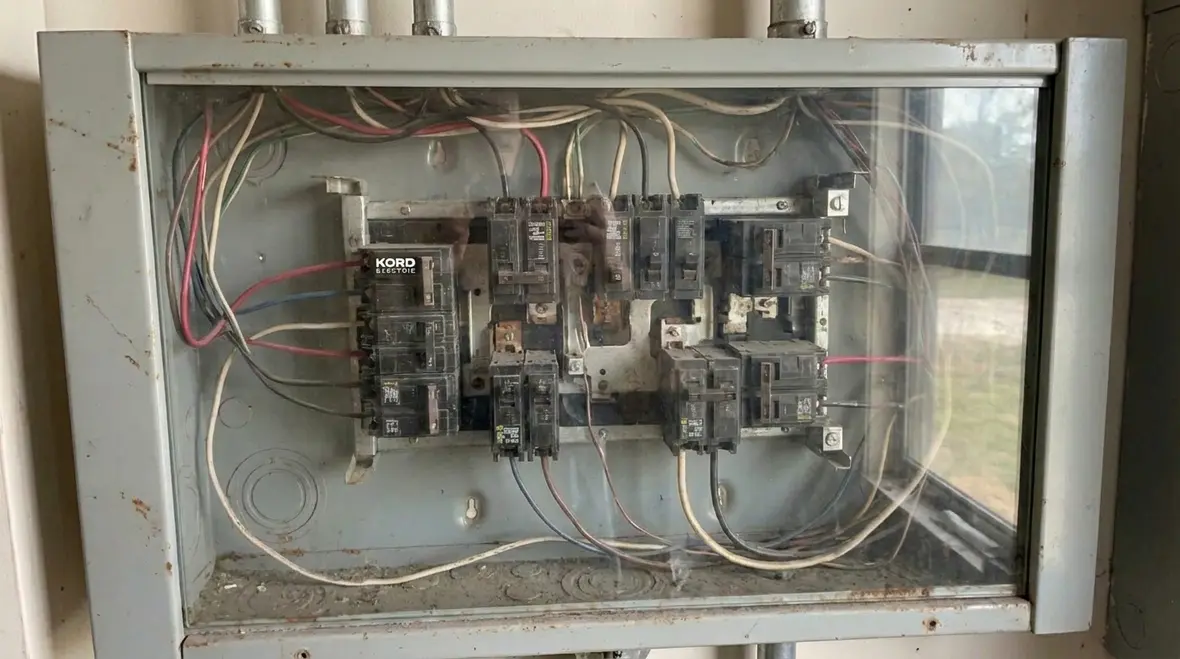
Our approach focuses on facts, not guesses. We begin by collecting load data and checking how current flows through each phase. Then we confirm that the panel distribution aligns with the facility’s electrical reality. Load balancing is not only about moving breakers around. It is about doing it safely, correctly, and with clear communication for the building team.
Typically, our expert service staff evaluates items like these:
Per phase load levels and current imbalance
Voltage stability and signs of strain under real operating conditions
Breaker sizing and whether connected loads match intended capacity
Panel thermal indicators, where available, and equipment condition
Short interval patterns such as spikes from startup cycles
Next, we review the circuit schedule and the building’s operating profile. If the facility runs long shifts, we account for different demand blocks. If certain equipment cycles frequently, we factor in start-up current impacts. After that, we propose a balancing plan that makes sense for the building’s priorities, including critical loads that must keep running.
In many commercial and industrial environments, this review pairs naturally with broader electrical preventive maintenance. When we are already inspecting panels, tightening terminations, and documenting conditions, it makes sense to evaluate how balanced the system really is. That is why our electrical preventive maintenance services often include a careful look at load profiles, panel conditions, and opportunities to support Electrical panel load balancing benefits while we are already in front of the gear.
And while it is tempting to treat this as a one-time task, we treat it as a living system. Loads change. Tenants change. Seasons change. So we aim for a solution that stays stable, not a fix that looks good on day one and fails by day ninety. Our documentation gives facility teams a clear starting point for future changes, so balancing stays part of the conversation instead of an afterthought.
How we rebalance loads safely in real facilities
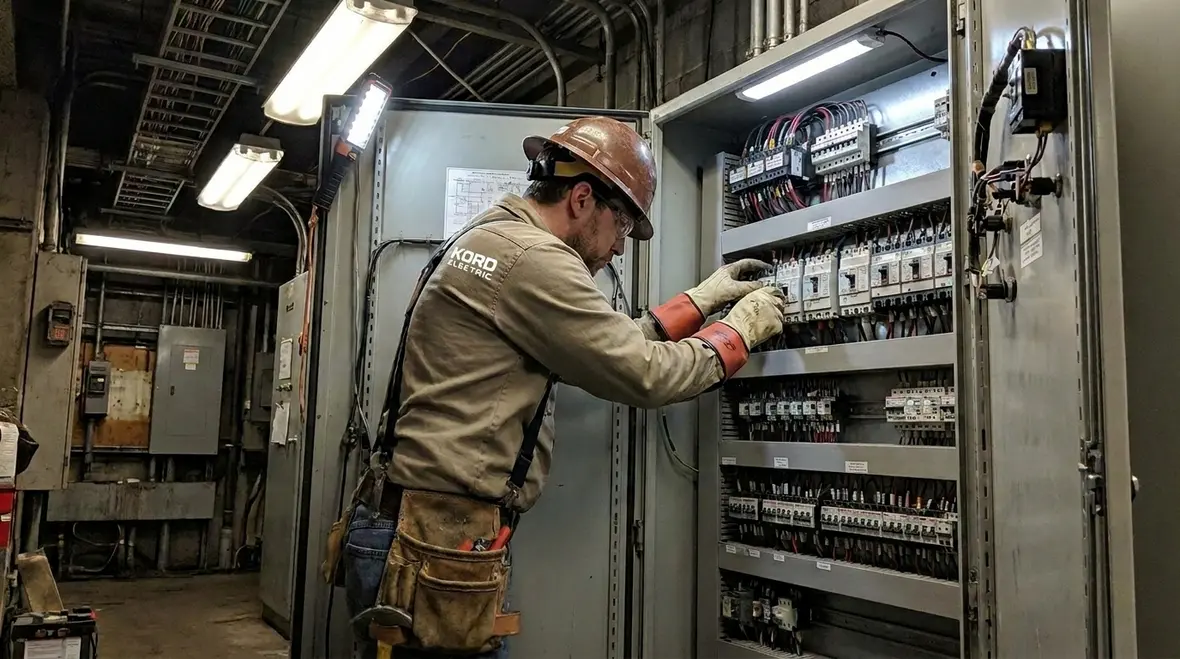
Balancing a commercial electrical panel is not a casual rearrangement. Our technicians follow a structured method so the building gets reliability, not risk. We start with safety planning, then implement changes in phases that match operational needs. In major property buildings, downtime and disruption carry their own cost, so we schedule work carefully and coordinate with facility management.
When we move circuits, we consider more than just math. We look at how each load behaves. Some loads draw steady current, while others surge at startup. Also, we check that circuit assignments remain within breaker ratings and that wiring stays properly protected. If a circuit feeds sensitive equipment, we confirm that the phase assignment will not cause new issues.
In practice, we may:
Redistribute branch circuits to reduce current disparity between phases
Verify feeder and main protections for appropriate coordination
Recheck labeling and circuit documentation so the next electrician does not play detective
Confirm torque and connection integrity where panels are opened
Then, we verify the results. After changes, we measure again to confirm that loads now sit closer to each other across phases. This is where our team earns its reputation. We do not just swap breakers and call it done. We confirm performance, document outcomes, and help the building team understand what changed and why.
The same disciplined approach shows up in our work on NFPA 70B electrical panels and switchgear maintenance, where balanced loading, proper inspection intervals, and clear reporting all work together to keep equipment within design limits. Rebalancing is not a wild guess; it is another step in a documented maintenance process that respects both safety and uptime.
Why phase balance reduces heat, trips, and downtime
When one phase carries a heavier share of the load, heat builds faster in that area of the panel. Over time, heat can accelerate insulation aging and wear on bus connections. Additionally, unbalanced loads can contribute to uneven voltage conditions, which can affect equipment that expects steady power.
Here is the practical chain of events that we help prevent:
Imbalance increases heat in one phase
Heat increases wear on breakers and connections
Wear increases the likelihood of nuisance trips or harder faults
Trips and faults drive downtime, service calls, and costly emergency work
For a commercial or industrial facility, downtime is not just an inconvenience. It can disrupt production, delay operations, and create ripple effects for maintenance schedules and tenant expectations. We help reduce those risks by supporting healthier load distribution and more predictable behavior under demand.
You can see this clearly when a facility starts struggling with unexplained outages, flickering lighting, or voltage complaints from downstream equipment. In many cases, we are called in to troubleshoot “emergency power failures” that trace back to overloaded or poorly balanced panels. That is why our guide on emergency power failures in commercial buildings highlights how everyday loading decisions can turn into surprise outages without a balancing strategy in place.
It is like keeping your team balanced in a relay race. If one runner carries too much speed too long, they burn out, and the baton gets dropped. In electrical terms, the “drop” looks like trips, hot spots, and repairs nobody wants to schedule. Electrical panel load balancing benefits keep that runner from burning out so the entire relay—your building—finishes the day without drama.
Maintenance planning and long term performance
Load balancing is not something we do once and forget. Buildings evolve, and electrical systems evolve with them. Our team focuses on long term performance through planning, documentation, and periodic verification. That matters especially for major property buildings with frequent tenant turnover, ongoing renovations, and equipment replacements.
We recommend a maintenance mindset that includes:
Checking load balance during major operational changes
Rechecking after panel modifications or expansions
Tracking circuit assignments so future work keeps phase intent intact
Supporting facility teams with clear explanations, not vague “it seems fine” statements
Our expert service staff makes sure facility managers understand what they are seeing. We explain the load picture in plain terms, so decisions become easier. And yes, we keep the tone calm and direct, because nobody wants electrical maintenance to feel like a horror movie. The goal is simple: stable power, fewer surprises, and a panel that behaves like it should.
Long term performance also depends on how well balancing ties into other reliability practices. Clear panel labeling, documented inspections, and structured testing all support a system where future electricians can see what is happening and why. For many clients, that means combining Electrical panel load balancing benefits with broader programs like electrical preventive maintenance, voltage stability evaluations, and planned upgrades when gear reaches the end of its useful life.
When you treat balancing as part of an ongoing plan, you stop wondering whether your panel is quietly drifting toward trouble. Instead, you work from current data, detailed reports, and a schedule that fits how your building actually runs.
FAQ
Ready to improve reliability in your building?
If your facility runs busy hours, has frequent tenant changes, or includes critical equipment, it is worth checking whether your electrical panel distribution stays healthy. Kord Electric works with commercial and industrial properties to measure real loads, rebalance circuits safely, and help you prevent overheating, trips, and avoidable downtime. Contact us for an evaluation and a clear plan. We will explain the findings in plain language, then execute the work with care and documentation your team can trust.
For many building owners, an initial panel and system review is also the first step toward a broader strategy for long term reliability. Whether you are planning targeted repairs, larger upgrades, or a structured maintenance program, our electrical preventive maintenance services give you a roadmap for keeping panels, switchgear, and distribution equipment aligned with how your facility actually operates day after day.
And if your plans include EV charging, new production lines, or major lighting changes, our dedicated EV charger installation services and other commercial upgrades follow the same calm, documented approach. We make sure added load is planned, measured, and supported, so Electrical panel load balancing benefits continue to protect your investment as the building grows.
When you are ready to treat panel balancing as part of a reliable electrical strategy—not just a quick fix—bring in a commercial electrical team that handles balancing, maintenance, and upgrades with the same steady focus on safety, uptime, and clear explanation.