Electrical Panel Load Capacity for Industrial Power
Kord Electric helps commercial and industrial facilities size the right electrical panel load capacity so equipment runs smoothly, breakers stay calm, and your facility does not trip like a startled deer. In this guide, we explain how our expert service staff calculates load, handles growth, and verifies distribution design for reliability. We also share how our technicians think through real-world constraints like harmonics, demand factors, and future expansion, because theory is nice until your production line is waiting on power.
How we calculate electrical panel load capacity for industrial power
When we plan an industrial electrical panel, we start by building a clear picture of what the panel must feed and how people will use it. So, we do not just add numbers and call it a day. Instead, our technicians review the equipment list, nameplate ratings, voltages, phase details, and operating patterns. Then we connect those details to a load calculation method that fits the facility, whether it is a manufacturing area, a data room, or a large office with heavy mechanical loads.
Next, we separate loads into categories. Some loads run all day, others cycle, and some only run during start up or peak production. Therefore, we treat continuous loads differently from intermittent loads. In practice, this approach helps the panel carry real demand without oversizing or undersizing. And yes, oversizing can waste money, while undersizing can cause nuisance trips, heat, and short equipment life. Think of it like buying the biggest couch for one person who only sits down once a week. That might be comfortable, but it is not efficient.
Step one: gather equipment data and verify ratings on site
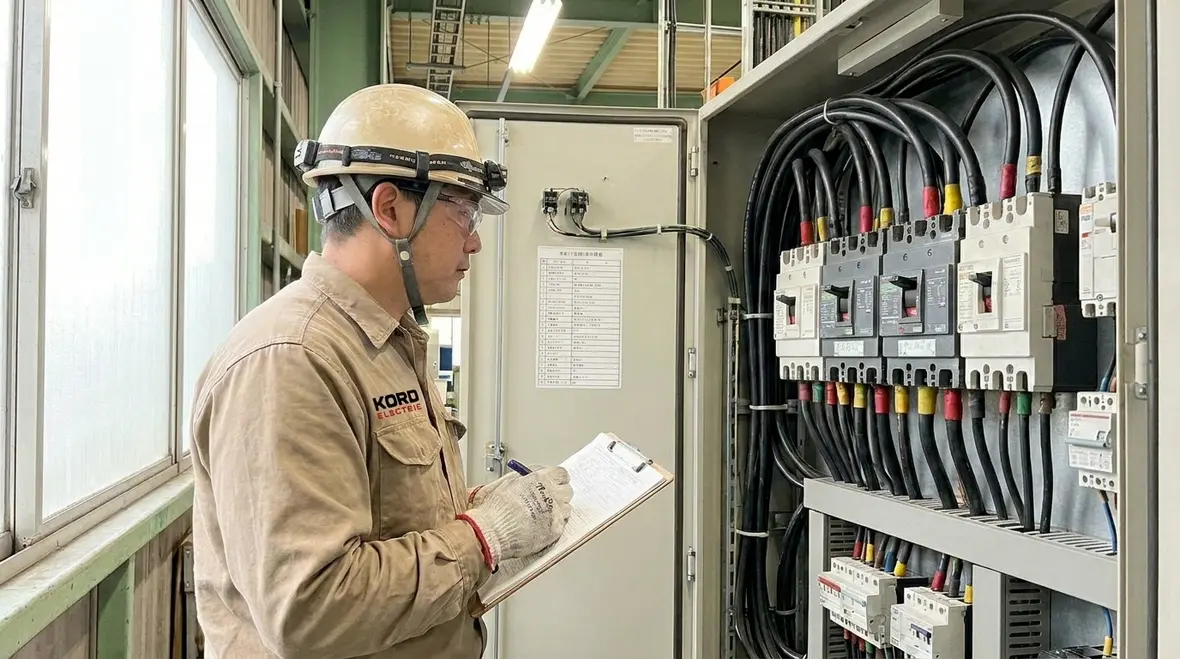
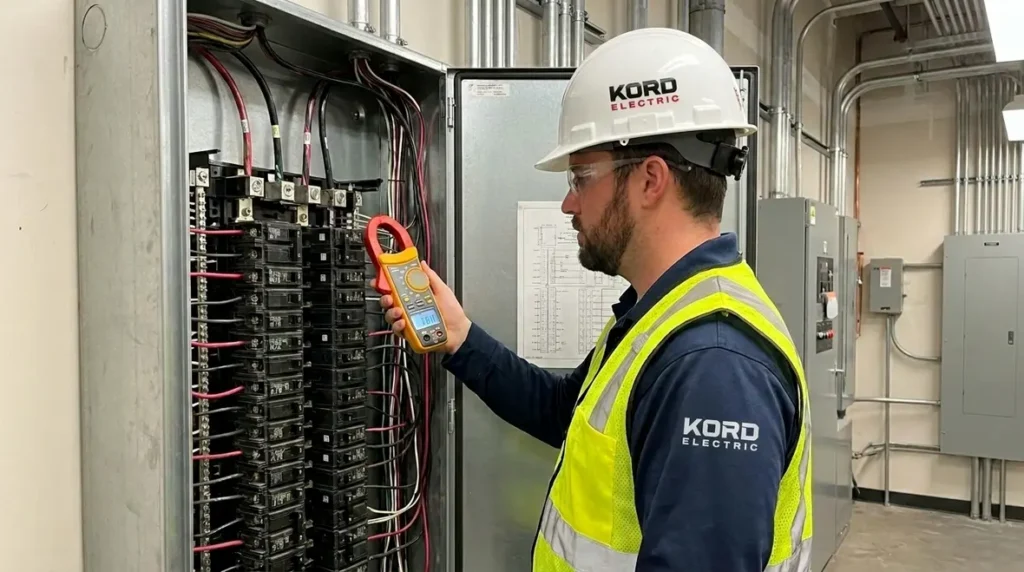
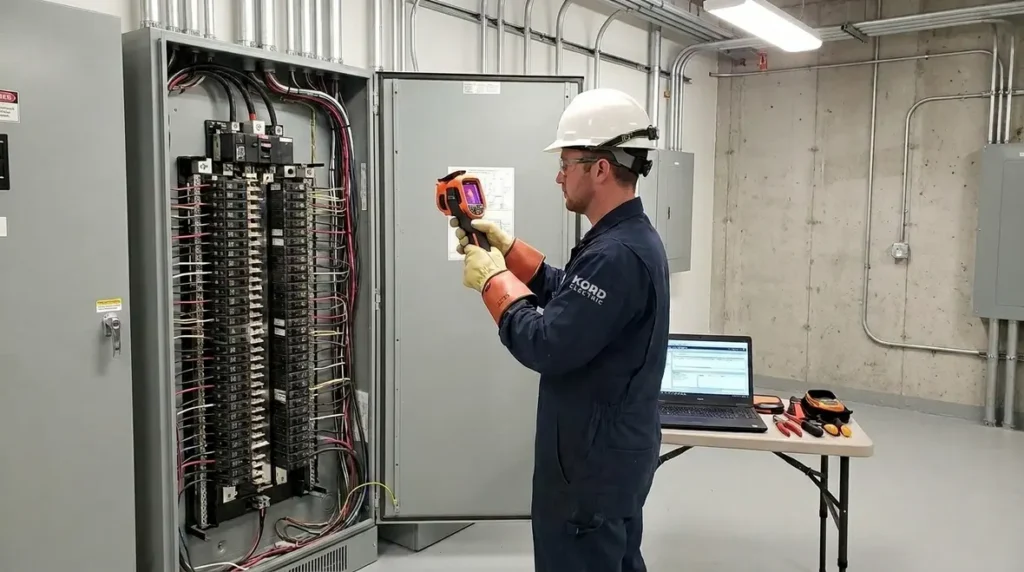
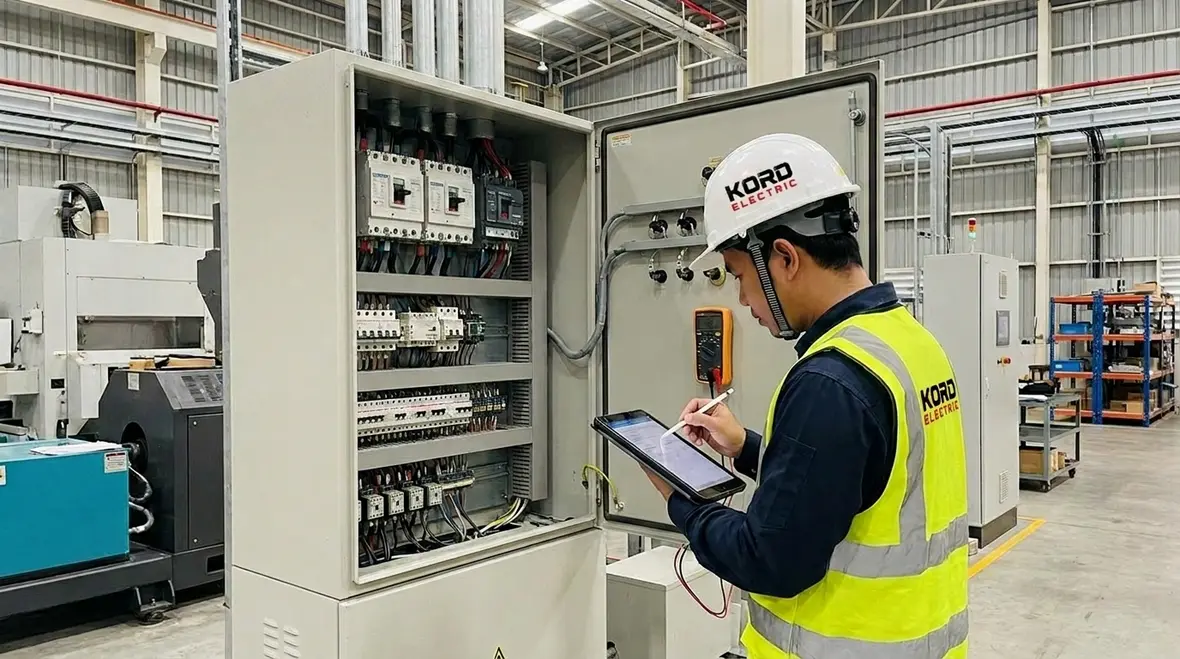
Accurate load math starts with accurate data. However, nameplate data sometimes conflicts with field conditions, so we verify. Our team confirms circuit assignments, checks whether equipment is truly operating at full load, and reviews any derating needs. We also confirm transformer taps, upstream breaker settings, and bus ratings.
At this stage, our expert service staff documents:
- Motor horsepower and efficiency assumptions
- Lighting and receptacle loads where they are part of the industrial scope
- HVAC load profiles, including startup and cycling behavior
- Power quality risks such as large drives, UPS systems, and variable frequency drives
Then we verify diversity and demand. Not every system runs at maximum at the same time, even if people hope it does. Most facilities have staggered schedules, and mechanical systems often operate based on controls. As a result, demand factors and operating schedules reduce the load that the panel must carry simultaneously.
Step two: convert equipment into load units and apply demand factors
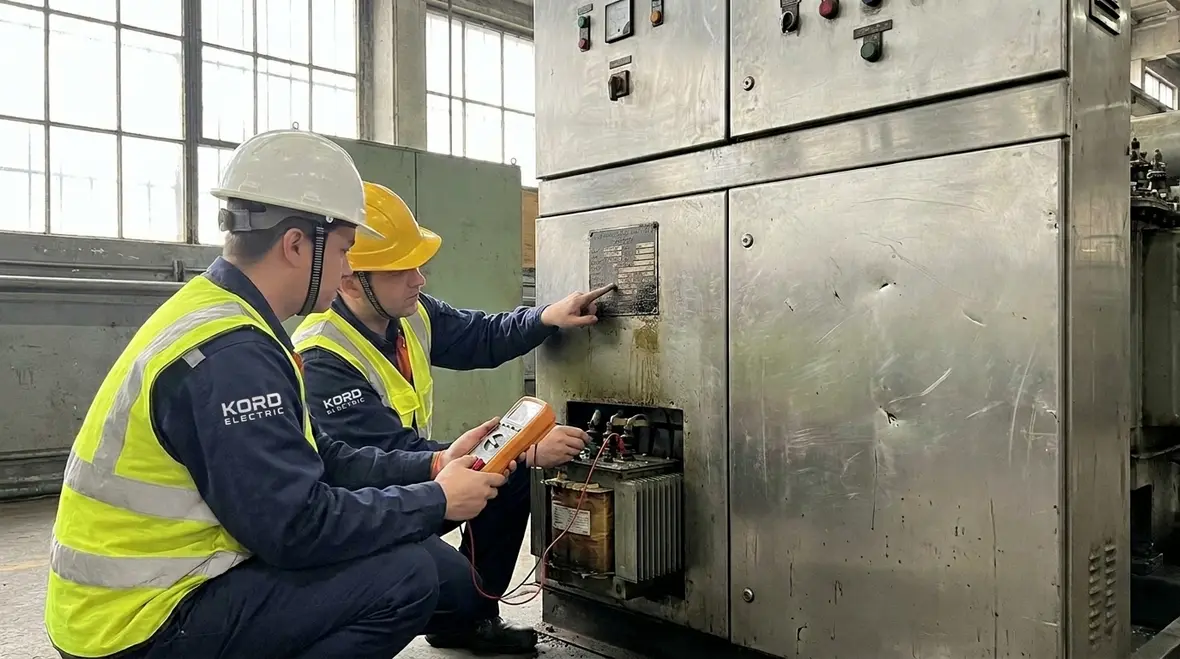
After we gather data, we convert it into consistent load units, typically watts and volt amperes. Then we apply the correct demand approach for your facility type. For industrial electrical panels, we look at motor loads, process equipment, and distribution losses. Additionally, we account for efficiency and power factor so the calculated current aligns with what the panel will actually see.
Demand factors matter because real life is not a perfect spreadsheet. For example, a factory might start multiple motors during a short window, but production speed changes and different lines run at different times. Meanwhile, a major property building might have peak loads driven by cooling season schedules, occupancy patterns, and ventilation cycles.
Also, we never ignore startup. Many motor circuits draw a large inrush current during starting. Therefore, we check whether the panel bus, breakers, and coordination study can handle these events without unwanted trips or stress that shows up later as discoloration, loosening, or heat damage.
Step three: account for power factor, harmonics, and reliability needs
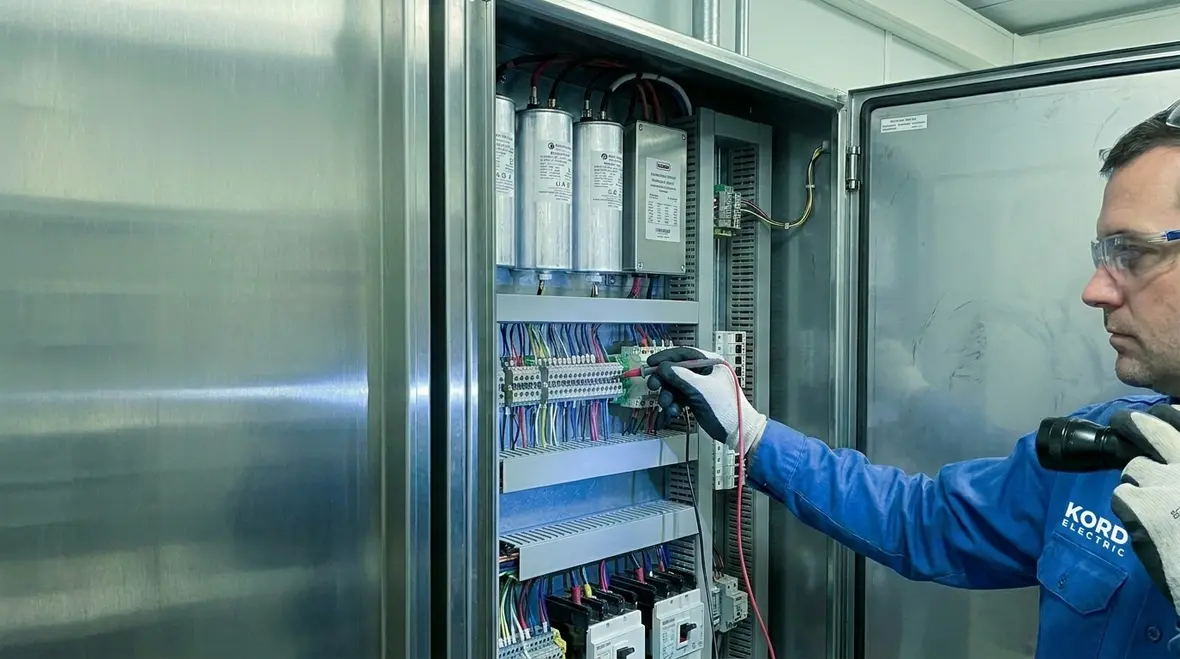
Industrial and commercial facilities often include non linear loads like drives, rectifiers, and UPS systems. Those loads can create harmonics that push current beyond what simple calculations predict. Consequently, the effective load on the busbars can rise even when the kW appears stable.
This is where our design mindset becomes practical. We consider distribution architecture for reliability, including how feeds route and how panels interact with upstream and downstream devices. If the facility includes data center style distribution design goals, we apply similar principles: stable feeds, thoughtful component selection, and a clear plan for redundancy and safe maintenance.
In our work, we follow the same reliability logic we describe in our Data Center Electrical Distribution Design for Reliability discussion. There, the focus stays on building distribution systems that remain stable under real loads, planned events, and maintenance actions. We apply that reliability thinking across industrial and major property buildings, not just in one niche.
And because power quality is not just a buzzword, we also evaluate grounding, neutral load, and device ratings. For instance, in some systems, neutral current can increase due to triplen harmonics. Therefore, we size neutrals and check bus loading so the panel maintains safe temperatures and predictable operation.
Breaker sizing, bus capacity, and temperature rise checks
Once we calculate the expected load and fault and startup conditions, we move into equipment selection. Here we connect the math to the physical panel. Our technicians review:
- Busbar rating and how it matches the calculated current
- Breaker continuous and interrupting ratings
- Conductor sizing, termination ratings, and installation method
- Temperature rise considerations that affect long term performance
Then we verify coordination. In plain terms, we want the right breaker to trip for the right problem, not the first breaker that happens to be nearby. Coordination protects equipment and helps operations recover faster. It also keeps the electrical panel load capacity aligned with real protection behavior during faults.
We also validate physical layout and panel design details. A panel can have the right ratings on paper and still run too hot if spacing, ventilation, or wire routing creates hot spots. Therefore, we plan for airflow and follow best installation practices. That is how we avoid the classic scenario where everything works, until it does not, and then everyone becomes an electrical detective at 2 a.m.
How we plan for growth without guessing

Industrial facilities change. Equipment gets added, production lines scale, and HVAC systems get upgraded. Meanwhile, major property buildings often see tenant improvements that quietly increase electrical demand. So we plan for growth during the panel design stage.
However, we do not rely on guesswork. Instead, our expert service staff builds a future load path based on confirmed projects, scheduled upgrades, and likely expansions. We reserve space and capacity in a way that keeps the electrical distribution design stable. As a result, you avoid repeated panel swaps and disruptive shutdowns.
At the same time, we protect reliability. We do not just add capacity; we maintain proper bus loading, conductor derating needs, and power quality tolerance. Therefore, we keep the electrical panel load capacity aligned with both present and planned demand, while still supporting short term events like motor starts and control changes.
Installation details that protect the design you paid for
Even the best calculation can fail if installation quality slips. So, we pay attention to the details that keep the system dependable. Our team uses careful torque procedures, correct lugs and terminations, and clean wiring practices that reduce loose connections and future hot spots.
We also ensure proper labeling and circuit documentation. This step matters because maintenance teams need to understand the panel quickly and safely. When people can find circuits without guesswork, downtime shrinks.
Furthermore, we test and verify after installation. We confirm insulation integrity, check correct polarity, validate phase rotation where relevant, and verify protective device operation. Then we provide clear handoff documentation to facility teams so everyone knows what was installed and why. That way, the panel performs as designed, and the reliability goals stay real.
FAQ about industrial panel load calculations
Why Kord Electric is the partner you want for dependable panels
If you manage power for a commercial or industrial facility, do not leave panel sizing to guesswork. Kord Electric brings a reliability focused process, and our technicians explain the steps in plain language while they build a load plan that matches how your site actually runs. We help prevent nuisance trips, overheating, and costly changes later. Reach out to us for a load calculation and panel review, and let’s size your system with confidence. Your equipment will thank you, and your operators will stop filing “mystery trip” reports.
For facilities looking to align electrical panel load capacity with wider infrastructure decisions, resources such as Kord Electric’s Commercial Electrical Systems for Modern Buildings guide and the Commercial and Industrial Electrical Maintenance Plans article help connect everyday operations with long term reliability. When panel design, distribution architecture, and maintenance planning move in the same direction, your facility gets calmer power and fewer late night troubleshooting sessions.
If you are planning a new panel, an upgrade, or a broader project that touches distribution and critical loads, Kord Electric’s Industrial Electrical services team can support everything from field verification and load studies to full design-build execution. We focus on practical, code-aligned solutions that respect your schedule, your budget, and the simple goal of keeping your operation powered without drama.
When you are ready to review your electrical panel load capacity, walk through existing panels with an expert, or map out a future expansion plan, our team is ready to help you move from “we hope it holds” to “we know it will.”