Electrical Preventive Maintenance Schedule Benefits
Why electrical preventive care pays off for years
At Kord Electric, we treat electrical preventive maintenance schedule benefits like an investment, not an expense. In the first phase, our team helps facilities reduce surprise failures, keep critical systems ready, and maintain steadier performance. Then, over time, the same program helps lower emergency repair costs, supports safer working conditions, and improves how long major components last. Others may call it “routine.” We call it the part of facility management that quietly does the heavy lifting while everyone else is busy reacting to the latest crisis.
In commercial and industrial buildings, electricity does not care about our schedules. It shows up every day, and it demands attention. Therefore, we build preventive plans that fit the real load, real equipment, and real risk inside the property. Our technicians and expert service staff explain what they see and why it matters, so building leaders can make confident decisions instead of guessing. And yes, like any responsible plan, it sounds less exciting than a movie plot twist. The difference is, this one saves money.
How preventive work stops small faults from becoming big outages
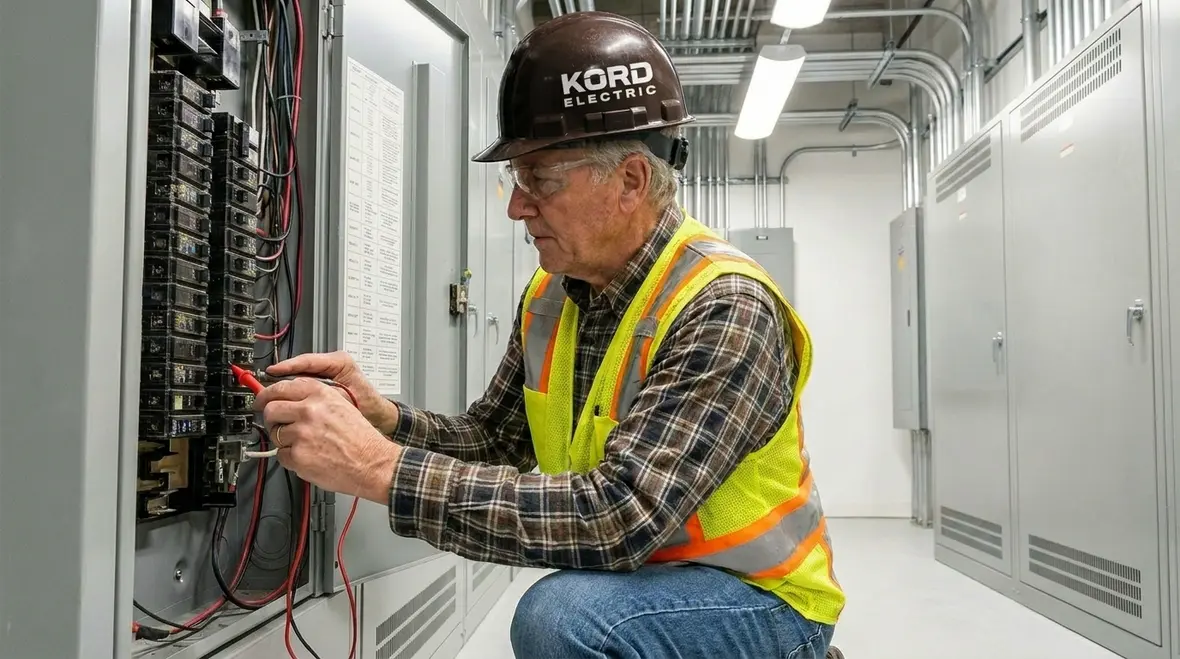
Most electrical problems start small. A loose connection. A worn breaker. A failing breaker trip mechanism. Then, with heat and vibration over months, the issue grows until it becomes an outage, a fire risk, or a shutdown that costs more than planned downtime. For that reason, an effective maintenance approach focuses on early signs, not just end-of-life replacements.
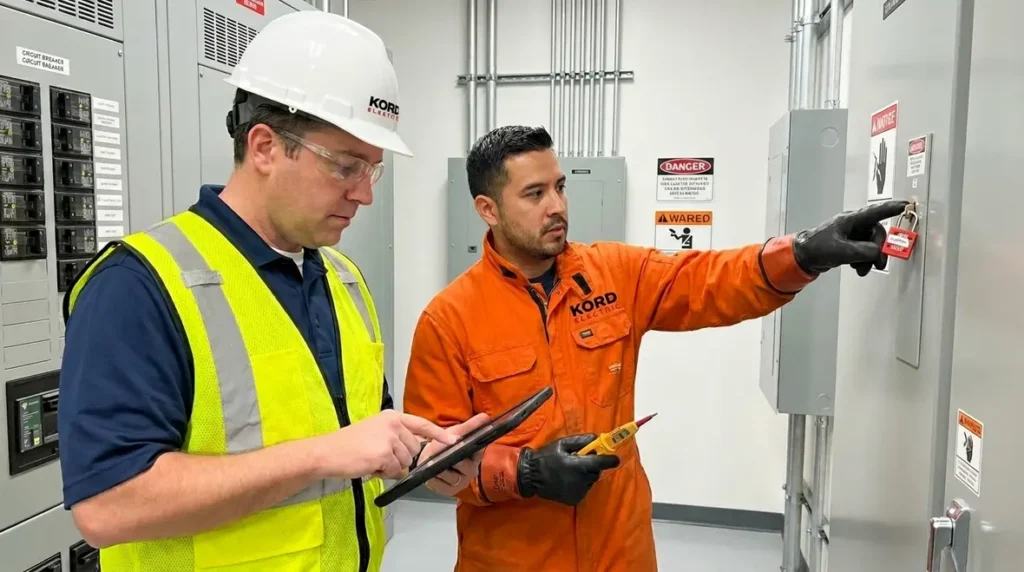
Our technicians follow a methodical process during visits. First, we review what the system has been doing, including historical data where it exists. Next, we inspect panels, bus connections, terminations, and protective devices. Then, we test key components using tools and procedures that match the equipment type. When we find something out of spec, we document it clearly and explain the impact in plain terms.
Because commercial and industrial facilities often run around the clock, the goal is simple: catch issues while the building is still operating normally. In other words, we aim for “fixed at 2 p.m.” instead of “fixed at 2 a.m.” Nobody wants to be the office hero who has to do emergency troubleshooting on a deadline. Our service staff helps prevent that exact scenario.
Power quality, heat, and load: the hidden drivers of wear
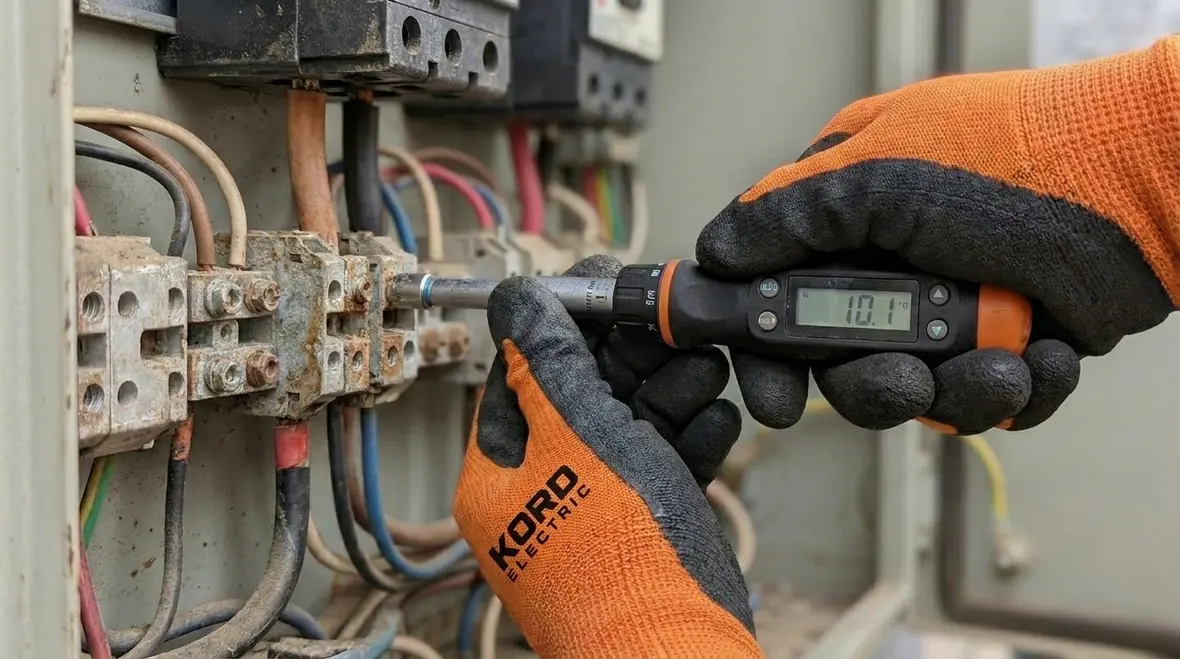
Facility leaders often think about electrical failure like a sudden event. In reality, electricity creates steady stress. Heat builds where connections loosen. Voltage shifts can shorten the life of motors and drives. Harmonics can stress transformers and contribute to overheating. Therefore, preventive maintenance should consider more than just “does it turn on.”
At Kord Electric, we pay attention to the conditions that cause degradation. We look for signs of overheating, abnormal wear, and inconsistent performance. We also pay close attention to how loads change in major property buildings, especially when tenants add equipment, expand operations, or adjust schedules. Even something as ordinary as new HVAC components or updated refrigeration systems can shift the electrical demand profile.
When our expert technicians explain the findings, we connect them to real outcomes. For example, if we see patterns that point to rising resistance at a connection, we explain how that increases heat and accelerates failure. Then, we outline what to do next, such as tightening, re-terminating, or replacing a component before the risk escalates.
And if that feels like telling a “boring” story with strong evidence, that is because boring is good when it means fewer surprises. In pop culture terms, this is the origin story you wanted, not the sequel you dreaded.
What’s inside a Preventive maintenance schedule benefits plan at Kord Electric

Every facility has its own needs, so we build a program that fits commercial and industrial properties, including major property buildings. We do not treat preventive maintenance like one-size-fits-all checklists. Instead, we tailor the scope based on electrical equipment, operating hours, safety requirements, and the risk level of critical loads.
As part of our approach, we use a structured plan aligned with the details described in our electrical preventive maintenance program at Kord Electric Electrical Preventive Maintenance. Then we apply that framework in the field with consistent documentation and clear communication.
During scheduled work, our technicians typically focus on areas like the following:
- Inspection and visual checks of panels, feeders, service equipment, and termination points to catch issues early
- Verification of protective devices so breakers and related components perform as designed
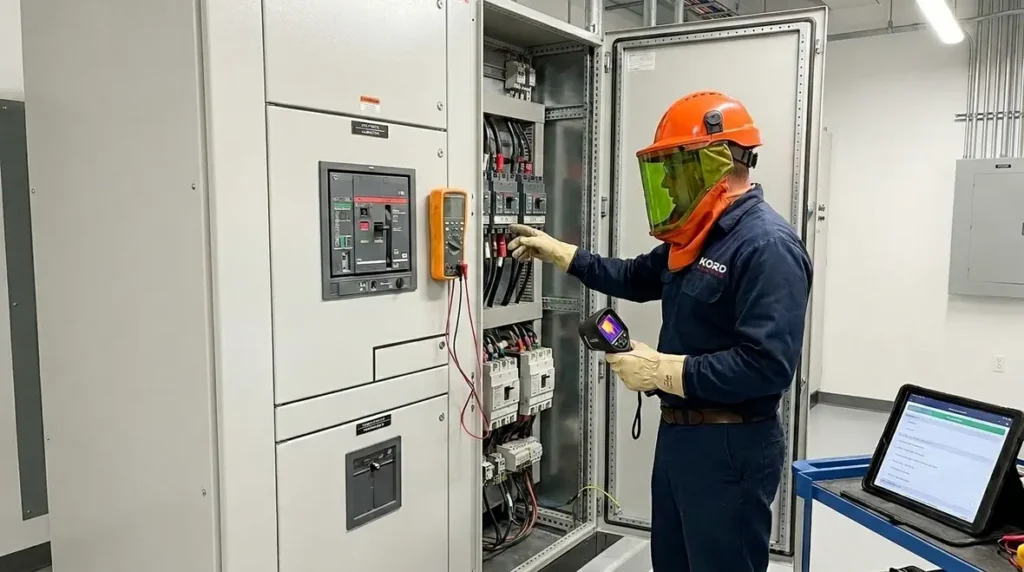
- Targeted testing that helps confirm condition and supports safe, reliable operation
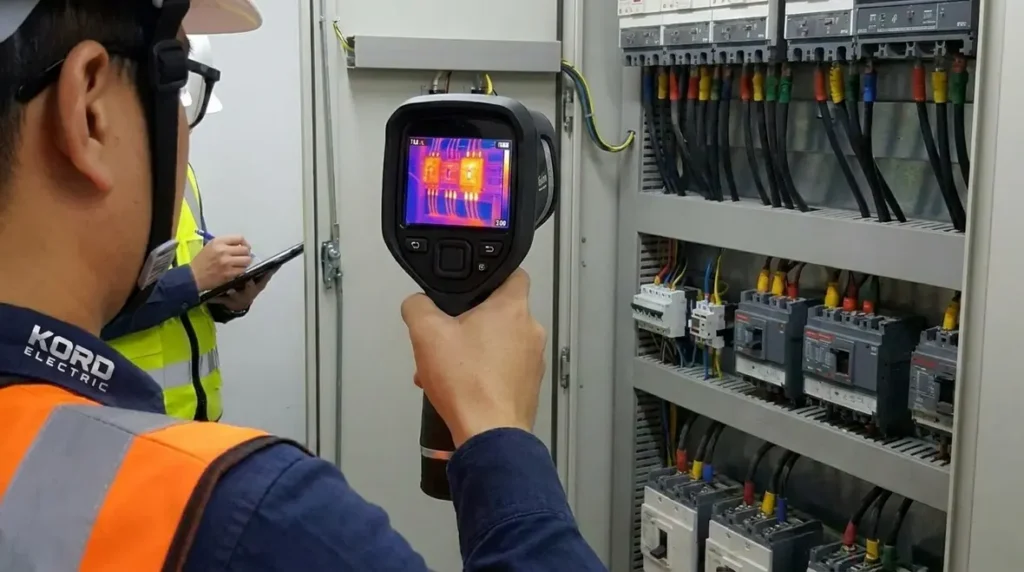
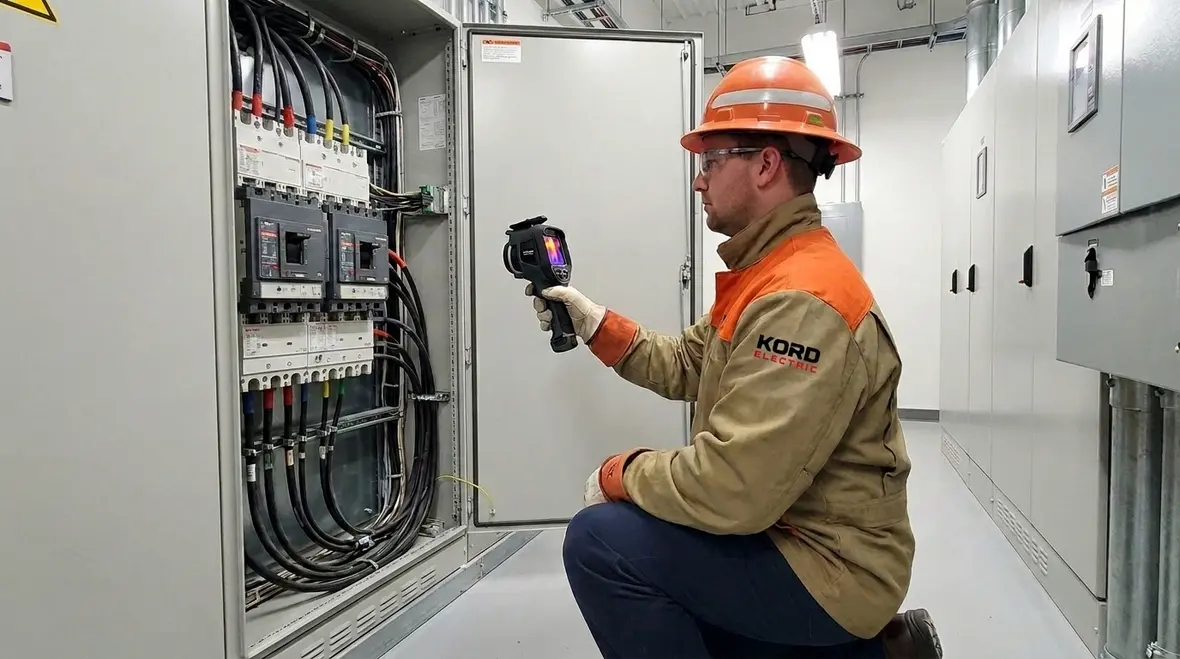
- Thermal and heat risk identification where needed, because heat often reveals the problem before the failure
- Action documentation and recommendations so building teams can plan repairs with confidence
After each service window, we share what we found, what we addressed, and what needs attention next. That way, facility managers and owners stay ahead of risk and keep operations steady. It also helps teams budget more accurately, because “planned work” tends to cost less than a last-minute emergency call.
Risk control and safety outcomes that reduce costly interruptions
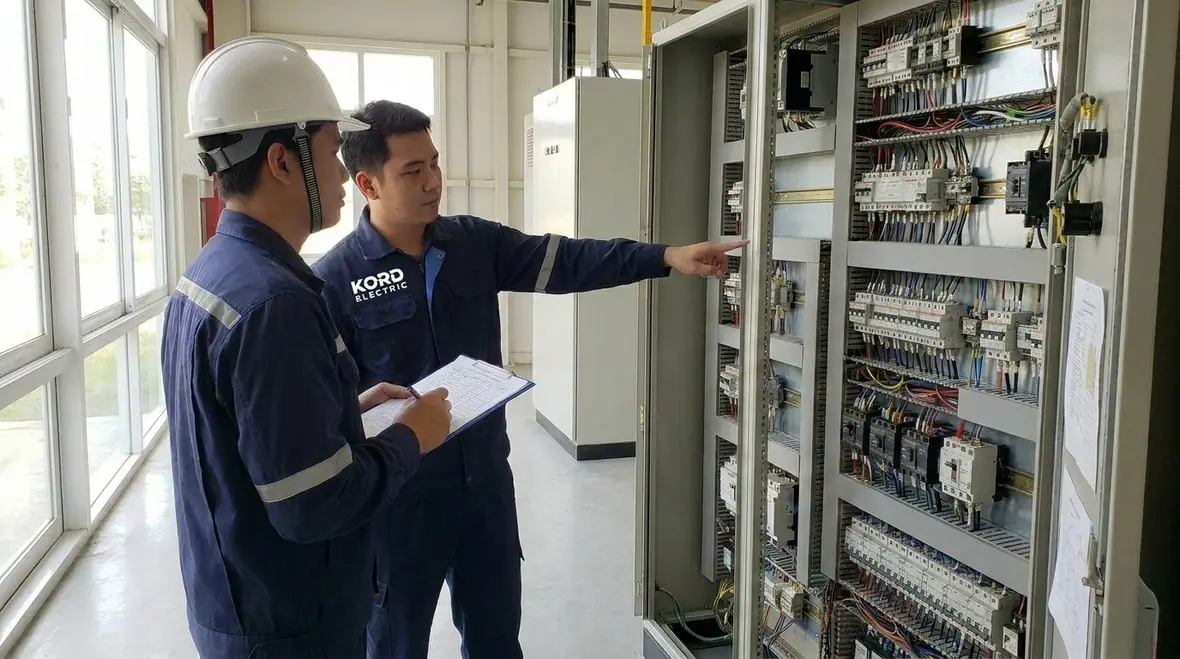
For commercial and industrial facilities, electrical risk is not just a technical issue. It impacts safety, compliance, and business continuity. Preventive maintenance helps reduce the chance of fault conditions that can lead to equipment damage, smoke, or fire hazards. Just as importantly, it supports safe work practices by reducing the likelihood of unexpected energization problems during other maintenance tasks.
We also help teams reduce interruption risk through better planning. When a facility knows what needs repair, it can coordinate shutdowns, parts delivery, and access with minimal disruption. Then, instead of reacting to a failed component, the building team schedules work in a way that protects operations.
Our technicians and expert service staff take time to explain findings and the level of urgency. In many cases, we offer options based on risk, equipment criticality, and operational constraints. That approach helps stakeholders understand the “why” behind every recommendation, without drowning them in jargon.
And yes, nobody loves the idea of maintenance. But when the alternative is a sudden outage during a peak production run, maintenance stops sounding like a chore and starts sounding like the adult in the room. It is the reliable one.
Recordkeeping, uptime planning, and smarter budgeting over time
Here is where preventive work becomes a long-term advantage. When a facility maintains consistent electrical records, it can track how equipment performs and how conditions change. Therefore, leaders can make better decisions about repairs, replacements, and load planning.
At Kord Electric, we help clients build a maintenance history that supports future planning. Instead of relying on memory or vague statements, the facility has documented observations and actions. Over time, that helps identify recurring issues, equipment aging trends, and components that repeatedly show stress.
Because budgeting works best when surprises stay in the box office, a solid maintenance schedule benefits from predictability. Planned work typically costs less and causes less downtime than emergency troubleshooting. Also, it supports smoother procurement. When parts are ordered ahead of time, teams avoid paying rush fees or waiting for replacements when operations cannot stop.
For major property buildings, this recordkeeping also helps coordinate multiple systems and trades. Electrical concerns can interact with mechanical loads, life safety equipment, and building controls. When teams share a clear maintenance history, it becomes easier to coordinate improvements across the property rather than solving issues one at a time.
These same recordkeeping habits also support broader electrical strategies, such as long-term upgrades, compliance with evolving standards, and integration with commercial and industrial electrical maintenance plans that go beyond a single building system.
Connecting preventive maintenance to broader facility goals
A well-structured preventive maintenance program does more than keep individual components in line. It supports larger facility goals like uptime, compliance, and predictable capital planning. When building leaders integrate preventive electrical work with broader initiatives, such as energy efficiency upgrades or Title 24 lighting projects, each investment reinforces the others instead of competing for attention.
For example, when a facility schedules lighting retrofits or panel labeling improvements, pairing that work with electrical preventive maintenance allows technicians to verify loads, document circuit changes, and confirm that new equipment aligns with long-term infrastructure plans. The result is a more accurate picture of how the system is built, how it behaves, and where future upgrades will deliver the most value.
Preventive maintenance schedule benefits also extend to safety teams and operations leaders. With clear documentation and regular reports, safety managers can reference real data when planning training, lockout/tagout procedures, or response plans for critical systems. Operations leaders, in turn, gain more confidence in their production schedules because they know the underlying electrical infrastructure is being monitored and maintained with intention.
How preventive maintenance supports Los Angeles County facilities
Facilities across Los Angeles County face a unique combination of electrical demands, local codes, and uptime expectations. From multi-tenant commercial properties to specialized industrial sites, leaders need partners who understand complex loads, critical infrastructure, and tight operating windows. That is why many organizations pair a structured preventive maintenance program with dedicated regional support that understands their environment and growth plans.
Kord Electric supports this need with comprehensive Los Angeles County electrical services that align closely with long-term maintenance strategies. When preventive work and regional service capabilities are aligned, facilities gain a practical path from today’s conditions to tomorrow’s goals—without relying on reactive fixes or guesswork when systems are already under stress.
In practice, this means commercial and industrial teams can discuss both everyday maintenance and future projects with the same partner. When a facility is ready for upgrades like voltage stabilization, new distribution equipment, or targeted energy improvements, the existing maintenance history becomes a roadmap that accelerates design, quotation, and installation.
FAQ: electrical preventive maintenance for commercial and industrial buildings
Ready to protect uptime with a real plan?
If your commercial or industrial facility relies on electrical power, Kord Electric can help you move from reactive maintenance to planned prevention. Our technicians and expert service staff evaluate your electrical systems, document findings, and build a program that supports safety, uptime, and smart budgeting. Then, you get clear explanations and next-step recommendations you can trust. Contact us today to discuss a preventive maintenance plan for your facility and keep the lights on for the long run.
Call Kord Electric now and let’s get your electrical system working like it should.
To explore how preventive maintenance connects with broader reliability strategies like voltage stabilization, emergency support, and targeted upgrades, you can also review related service offerings that complement your maintenance program and keep critical systems aligned with long-term plans.