Electrical Switchgear Maintenance Best Practices Guide
Optimizing Industrial Switchgear Longevity Starts With Electrical Switchgear Maintenance Best Practices
In commercial and industrial facilities, switchgear is not a side character. It is the lead actor that keeps lights, motors, production lines, and life safety systems on schedule. At Kord Electric, we treat Electrical Switchgear Maintenance Best Practices like a dependable routine, not an occasional cleanup. That means we plan inspections, we test before problems grow teeth, and we document findings so decisions stay clear. Our approach is proactive, and it helps reduce sudden failures, overheating events, and nuisance trips that cost more than people expect.
So yes, we plan for the future while others wait for the past to show up in the form of smoke, alarms, and a meeting nobody wanted. And honestly, nobody wants that scene, even if it feels like a dramatic season finale. We focus on lengthening service life through disciplined maintenance, targeted upgrades, and expert diagnostics.
What Actually Wears Down Switchgear Over Time
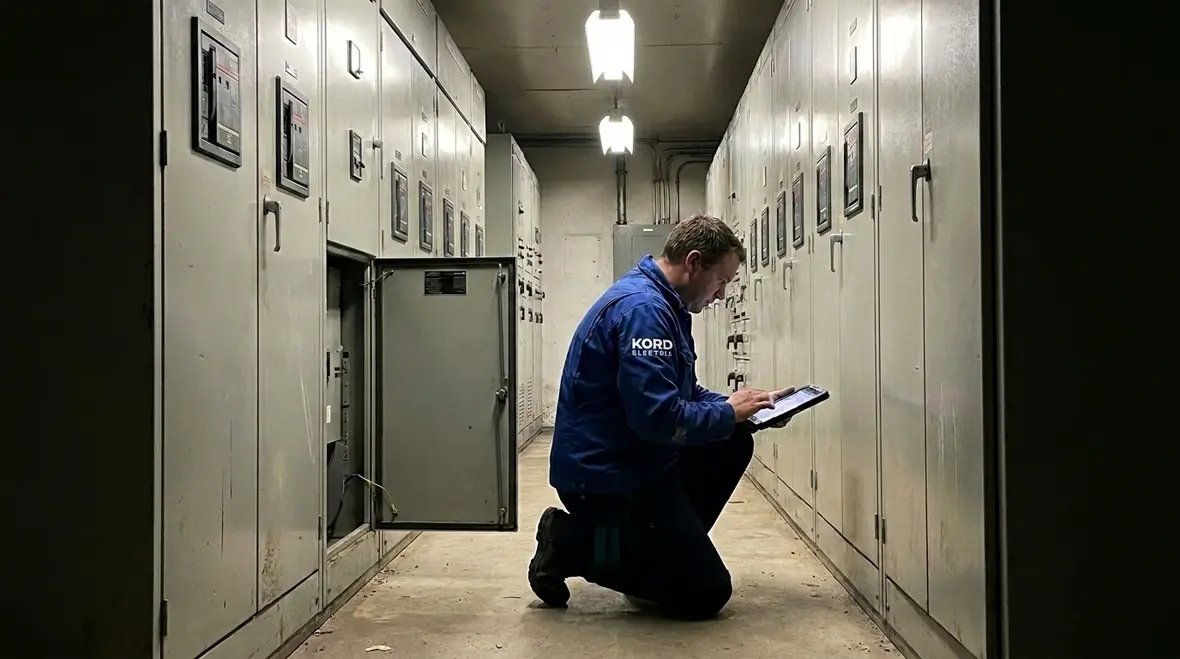
Others think switchgear “just ages.” We know it is more specific than that. It typically wears down through a mix of heat, electrical stress, vibration, moisture, dust, and poor operating conditions. When any of these factors pile up, insulation systems weaken, connections loosen, and busbars can experience micro damage. Over time, that turns a stable setup into one that trips, runs hotter, or loses reliability.
In commercial and industrial environments, the stress is amplified by load changes, load harmonics from modern drives, and sometimes installation shortcuts from the distant past. Additionally, when doors are not sealed well or ventilation paths clog, internal temperature rises. Then, elevated temperature quietly accelerates aging of gaskets, contact surfaces, and insulation.
Our technicians explain this in plain terms during site walks. They do not hide behind jargon. Instead, they connect the dots between what they see now and what the equipment will likely do later, like a weather forecast that is actually accurate for once.
How Kord Electric Plans Maintenance That Extends Service Life
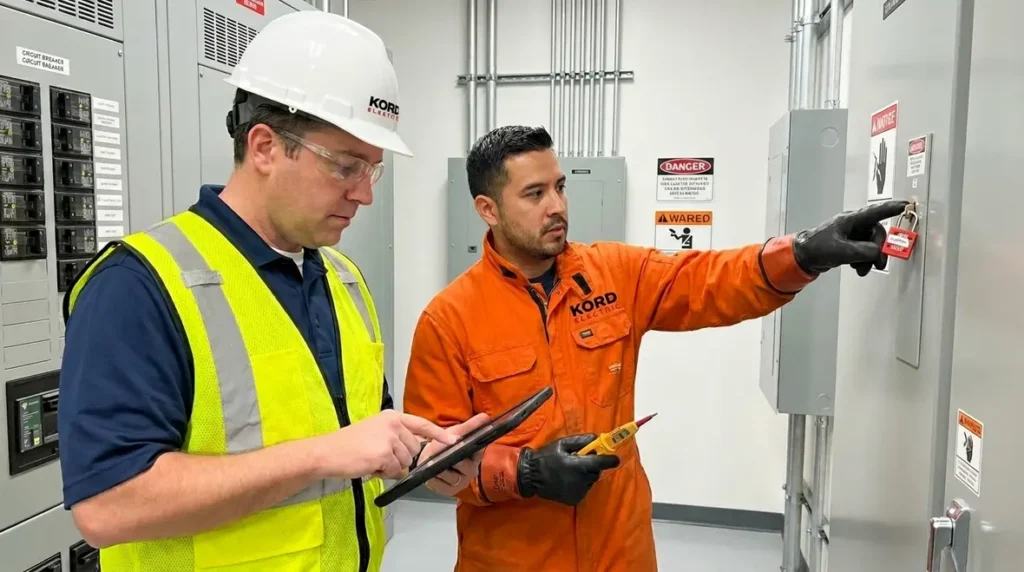
When we plan, we do not guess. We build a maintenance plan that fits how the facility operates. First, we review the equipment type, single line diagrams, and prior maintenance history. Next, we identify critical feeders and life safety loads, so we prioritize the circuits that affect production uptime and compliance.
Then, we set an inspection rhythm and testing targets. For example, we align routine visual checks with planned outages and we schedule deeper testing based on manufacturer guidance and site conditions. As a result, we catch deterioration early, while it still looks small and behaves predictably.
Our expert service staff also helps facilities coordinate maintenance windows. They understand operations have deadlines, so we plan around production schedules and staffing realities. This approach reduces downtime pressure and helps avoid the classic problem: equipment is “fine” until the one day you need it most.
For facility managers who want a structured, ongoing strategy across panels, switchgear, and distribution systems, this approach aligns closely with Kord Electric’s dedicated electrical preventive maintenance programs for commercial and industrial properties.
Key Inspections That Prevent Overheating and Loose Connections

Overheating is often the first visible symptom, but it is not the only one. Electrical faults can begin as small changes in contact resistance, then grow into arcing, scorching, and insulation breakdown. Therefore, we focus on the connections and the pathways where resistance tends to rise.
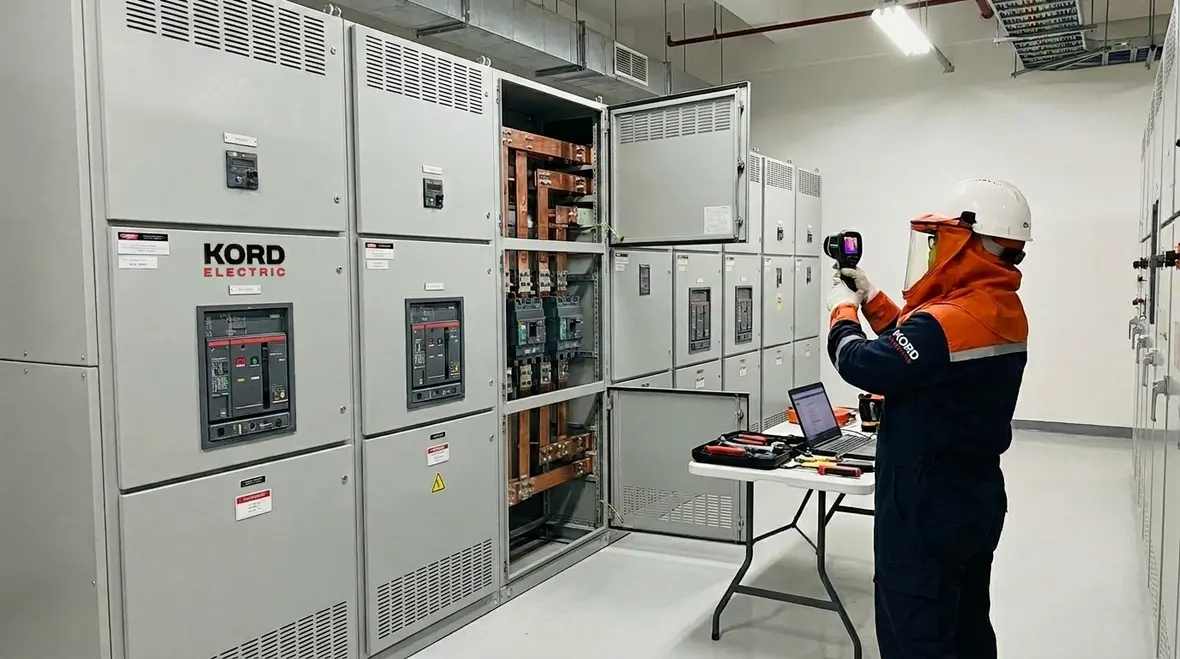
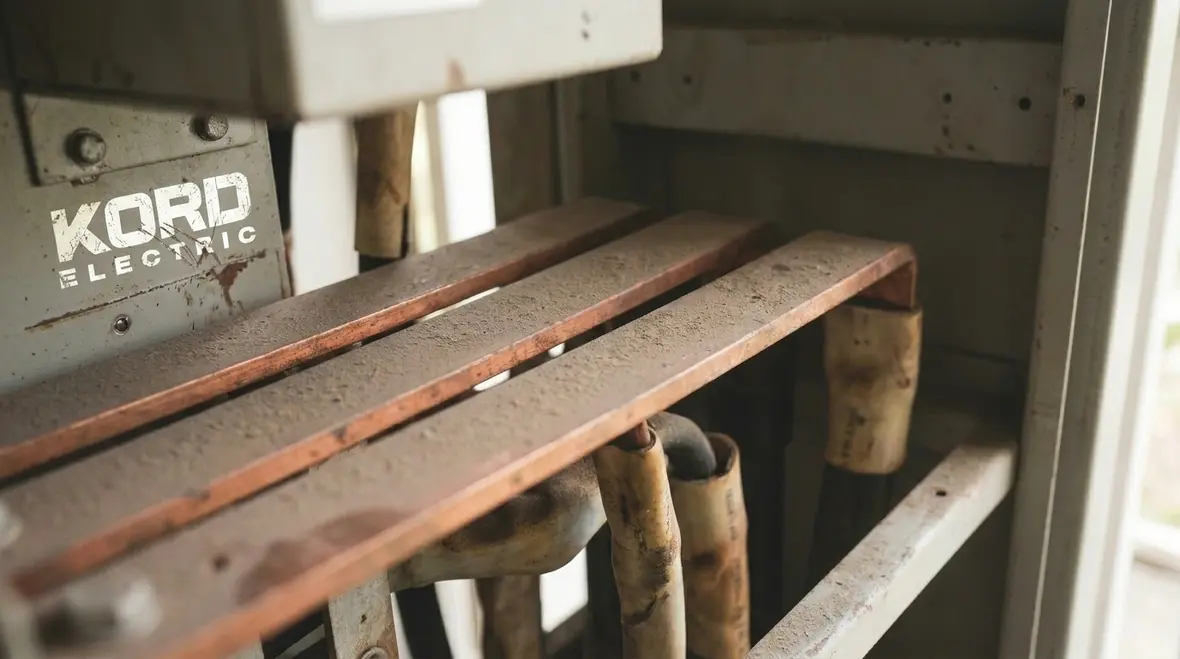
Our inspections typically include checks of contact condition, cleanliness, ventilation, bus alignment, and the integrity of seals and doors. We also look at the physical indicators that many people ignore because they do not “sound” urgent. Yet, discoloration, heat marks, and residue can point to bad torque, oxidation, or moisture intrusion.
In addition, we use targeted methods that align with Electrical Switchgear Maintenance Best Practices so results stay consistent. For example, we verify that fasteners are properly torqued and that contact surfaces show no excessive wear. We also confirm that labeling and metering remain legible and correct, because confusion during troubleshooting costs time and sometimes increases risk.
We explain every step to the facility team. That matters because when operators understand the “why,” they notice changes sooner. And when someone asks, “Is this normal?” our technicians can answer without rolling their eyes.
Testing and Diagnostics We Use to Spot Problems Early
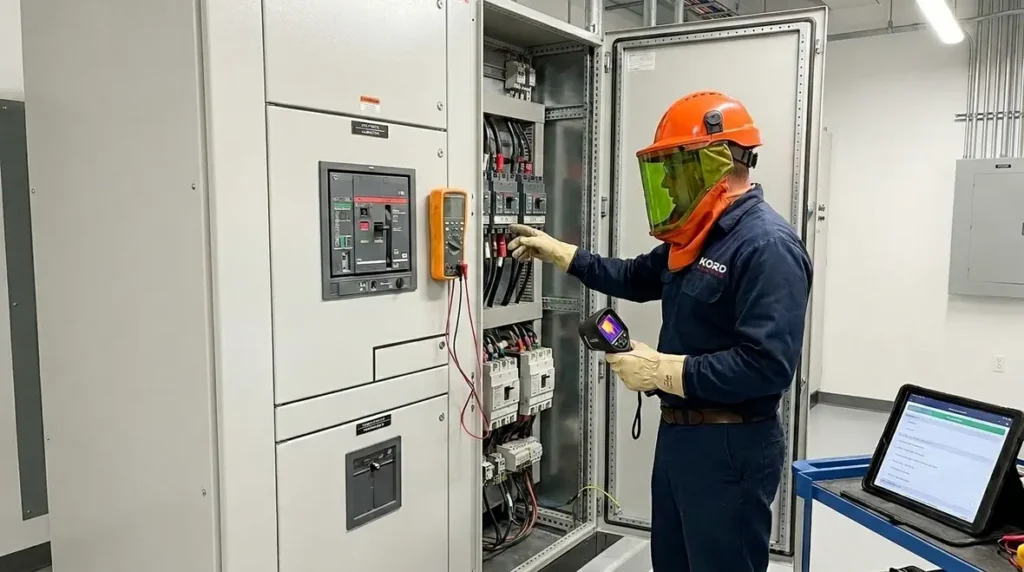
Testing turns maintenance from a checklist into proof. It helps us validate condition, not just appearance. We approach diagnostics with a sequence that supports safe planning and realistic results. First, we confirm operating status and environmental conditions. Next, we select the right tests for the switchgear type and known risk areas.
In many industrial settings, time is money, so we aim to reduce repeated troubleshooting. We look for patterns across similar compartments or feeders, then compare current results against historical baselines. When we see a shift, we do not jump to conclusions. Instead, we interpret the data, then plan corrective action that matches the findings.
Our team also helps facilities understand what the results mean for reliability and longevity. We translate test outputs into decisions: whether tightening and cleaning will solve the issue, whether component replacement makes sense, or whether an insulation risk needs escalation. In other words, we help others move from “we heard a rumor” to “we have evidence.”
When facilities want those diagnostics woven into a larger reliability strategy, we often pair them with structured commercial and industrial electrical maintenance plans that keep findings, trends, and corrective actions documented over time.
Calibration, Settings, and Protection Coordination for Long Life
Protection systems are not only about tripping. They are about trip timing, selectivity, and coordination across the electrical distribution chain. When protection settings drift or coordination is outdated, the switchgear can experience unnecessary stress. That stress can shorten service life even if the equipment never “fails” in the dramatic sense.
Therefore, we review relay settings and coordination strategy when maintenance reveals changes in load, device condition, or feeder behavior. We also confirm that trip curves match the facility needs, and that settings reflect current equipment configurations. If a facility upgraded drives, changed motor loads, or added production lines, the original protection design may no longer fit.
During service visits, our expert staff explains how protection coordination works in practical terms. We describe what happens during faults, how the system chooses who trips first, and why miscoordination can create extra arcing and thermal stress. It sounds technical, but we keep it clear. Think of it like tuning an orchestra, except the audience includes your entire facility uptime.
Upgrades and Best Repairs When Maintenance Reveals Risk
Sometimes maintenance discovers wear that cannot be solved with cleaning and tightening alone. That is where smart upgrades and repairs protect longevity. We focus on changes that reduce recurring failure points and improve reliability under real operating conditions.
Common corrective paths include replacing worn components, addressing moisture barriers, improving ventilation design, and updating parts that are at the end of their useful life. If equipment shows signs of frequent nuisance operation, we investigate whether the issue is contact condition, settings drift, or a protective element that needs attention.
We also consider harmonics and modern load behavior. Many industrial facilities now run variable frequency drives, high efficiency motors, and power electronics that shape the electrical environment. When the distribution system does not adapt, connections can overheat or protective systems can behave in ways that cause stress. By aligning the switchgear maintenance plan with these conditions, we support a longer, more stable service life.
Most importantly, we document what we do and why. That way, future teams do not start from scratch. They inherit a clear story, and the equipment gets better care over time, not just during one busy outage.
Dual Column View: A Proactive Longevity Routine for Commercial and Industrial Facilities
This is how we structure a proactive routine at Kord Electric for major property buildings and commercial and industrial sites.
What we do |
Why it extends longevity |
|---|---|
Visual inspection of compartments, seals, bus condition, and cleanliness |
We find early warning signs before heat or arcing grows |
Connection checks and verification of proper torque and contact condition |
We reduce contact resistance that drives overheating |
Targeted electrical testing and trend review against baselines |
We move from “looks okay” to “measures okay” |
Protection review, calibration, and coordination updates as conditions change |
We avoid unnecessary trips and stress on switching equipment |
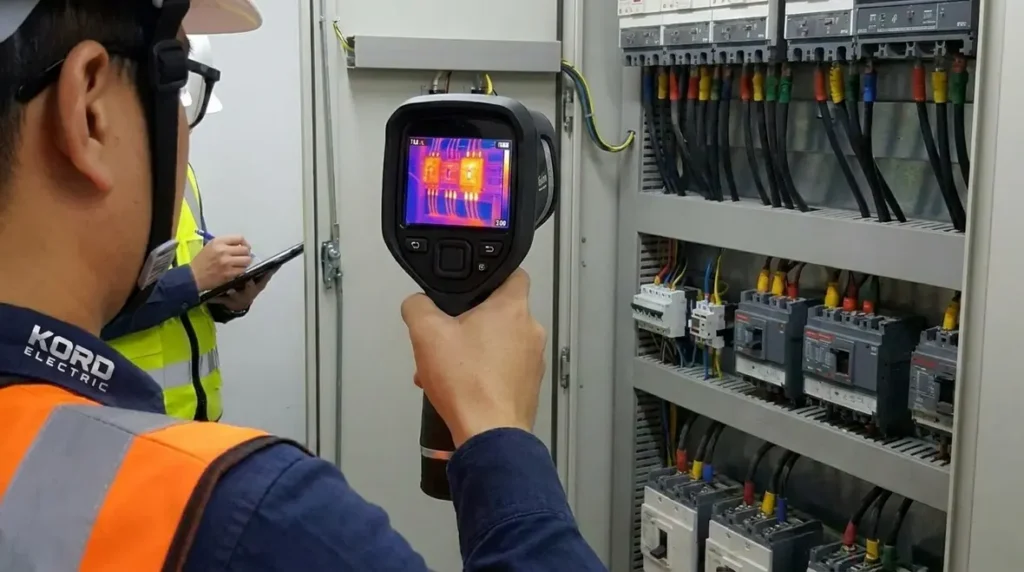
For facilities that want to go deeper than visual checks and torque wrenches, pairing this routine with targeted thermal imaging and system studies helps uncover the hidden risks that never show up until the worst possible time.
Frequently Asked Questions About Switchgear Longevity
Final Call: Let Us Extend Your Switchgear Service Life
Switchgear longevity does not happen by accident, and we do not rely on luck. At Kord Electric, our expert service staff builds a proactive plan grounded in Electrical Switchgear Maintenance Best Practices, targeted diagnostics, and practical upgrades for commercial and industrial facilities. If you want fewer unexpected trips, steadier performance, and a cleaner maintenance record, contact us to schedule an assessment. We will walk your team through the findings and next steps, then put a maintenance path in place that holds up under real operating pressure.
If your facility is ready to turn “we hope it holds” into “we know it is ready,” explore how our broader electrical preventive maintenance services can support every major part of your distribution system, from switchgear to panels, transformers, and beyond.
For sites with high demand, sensitive equipment, or complex loads, we can also align your switchgear strategy with a full commercial and industrial electrical maintenance plan so inspections, testing, and upgrades work together instead of in isolation.