Electrical System Load Analysis for Warehouses
Why electrical system load analysis for warehouses matters more than people think
At Kord Electric, we handle complex electrical systems for commercial and industrial facilities, plus major property buildings. In the first 100 to 150 words of the real story, we point to a simple truth: electrical system load analysis for warehouses is the tool that helps us confirm capacity and prevent surprises. It also keeps operations steady when a facility adds racking, expands shifts, or installs new dock equipment. Without regular analysis, companies guess. And in a warehouse, guessing is like stacking pallets sideways and calling it “streamlined.”
We work with expert technicians and experienced service staff who explain what they see, why it matters, and what to fix before it becomes a production problem. Therefore, this article walks through the safety and capacity side in plain terms, so facility managers and owners can make confident decisions.
Capacity planning starts with real data, not optimistic spreadsheets
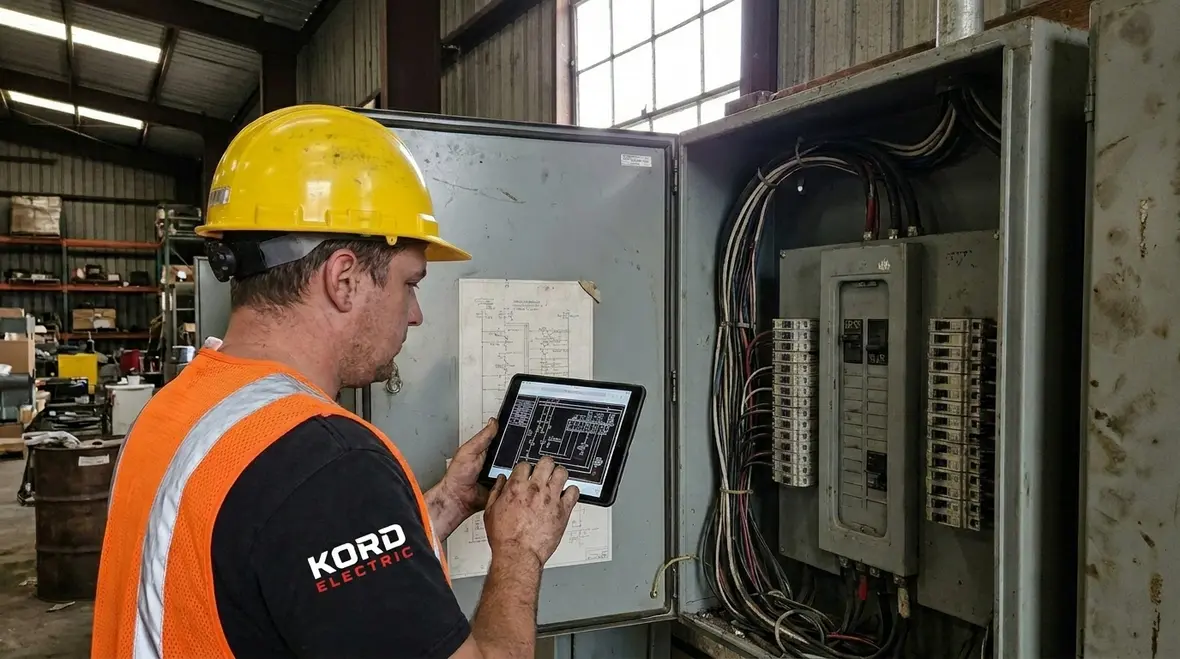
A warehouse does not run on assumptions. It runs on motors, lighting, HVAC, compressors, chargers, conveyors, and all the “small” loads that add up until they behave like one big monster. When we perform an electrical load review, we measure and model how power moves through the system. Then we compare that result to breaker ratings, feeder capacity, transformer margins, and thermal limits.
As a result, we can spot if the building has enough capacity for today and for the next change. Meanwhile, others may use one-time nameplate calculations. Those can be useful for a quick estimate, but they miss how the facility behaves across shifts, seasons, and peak demand windows.
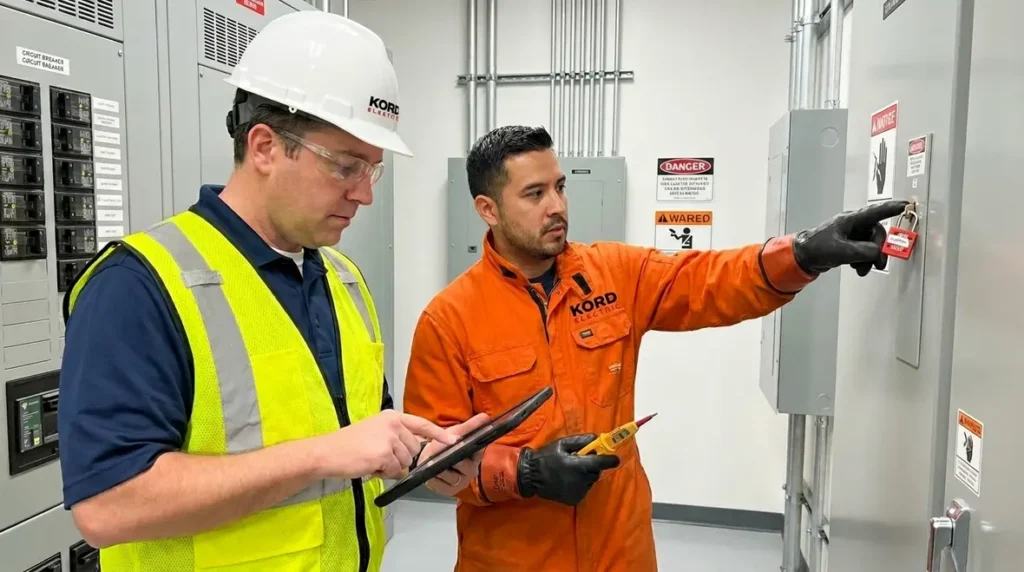
Our technicians approach it like a calm audit, not a panic meeting. They document load profiles, then align findings with equipment schedules. If your operation adds more forklifts, more cold storage, or more lighting zones, we adjust the model so it reflects how your warehouse actually runs.
In many projects, this electrical system load analysis for warehouses also pairs well with broader planning for upgrades like commercial and industrial lighting improvements, so capacity and lighting decisions move together instead of in separate silos.
Safety improves when thermal risk gets treated like a priority
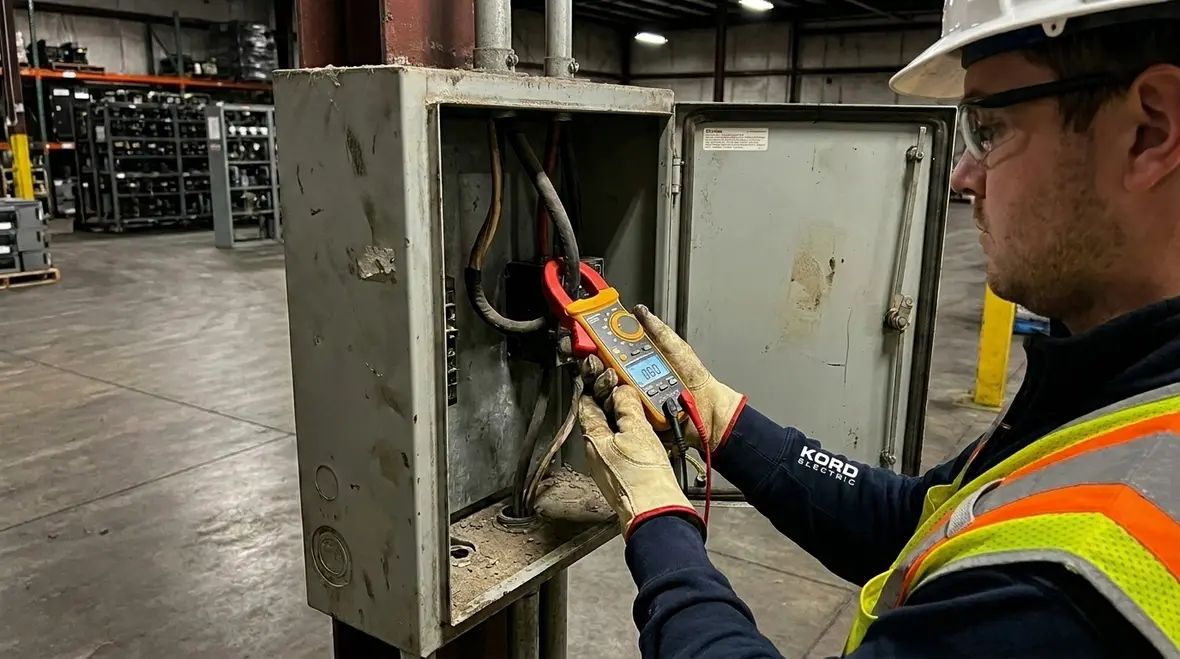
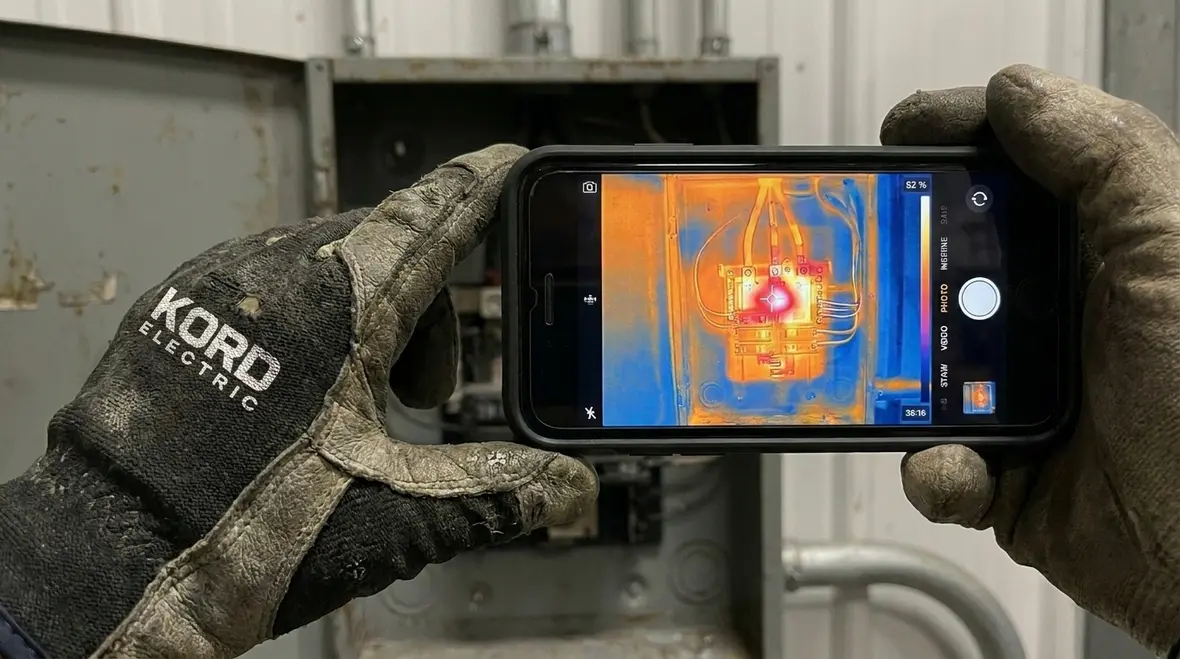
Electrical systems fail in ways that are often predictable when you watch heat, current, and harmonics. However, many teams only look at faults after something trips or burns. That is late, and we say that with respect, because most people are busy keeping product moving.
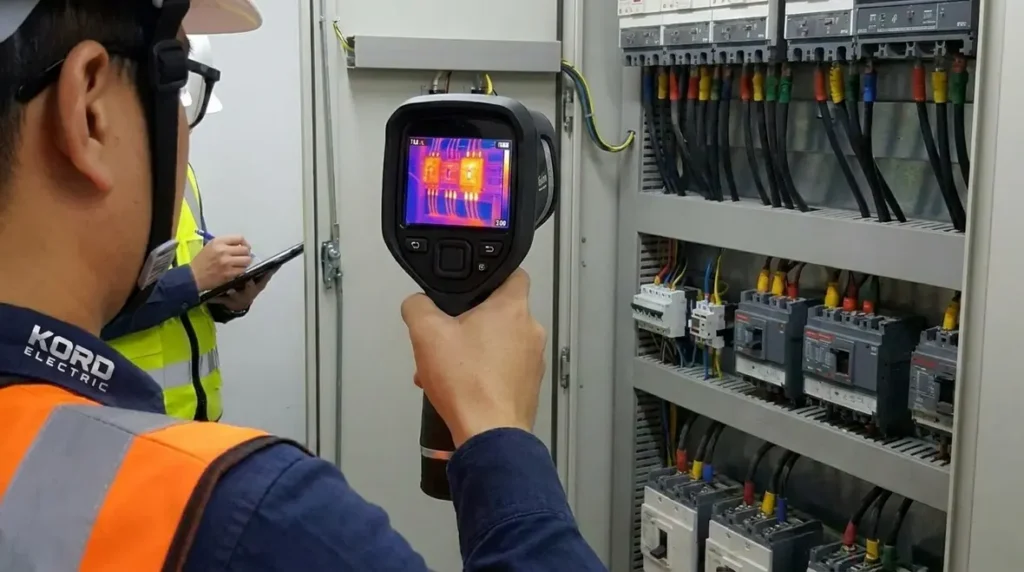
Still, we know what happens when a load sits too high for too long. Conductors heat up, connections loosen under stress, and insulation ages faster. Consequently, the risk grows for hotspots, nuisance tripping, and in worse cases, arc-related events. Regular electrical system load analysis for warehouses helps us reduce that risk by confirming the system stays within safe operating ranges.
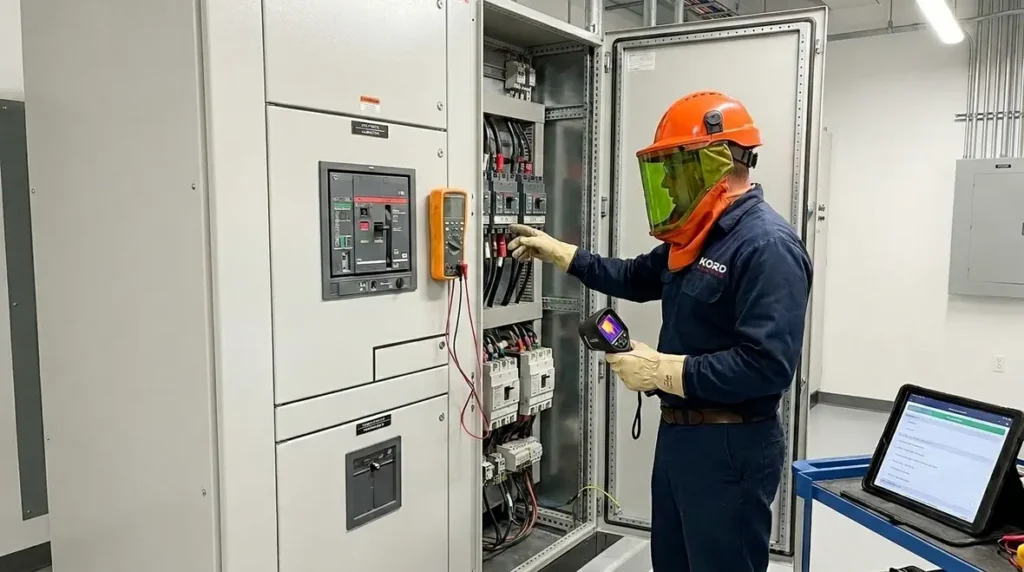
To make it practical, our expert service staff explains the safety chain in simple terms. They show where load concentrates, how protective devices behave, and what margin remains. Then they recommend actions based on risk level, not on fear or sales pressure. If someone wants proof, we provide it through clear calculations, charts, and on site observations.
How we build a load profile that matches warehouse reality
We do not treat every warehouse like a clone. Even in the same industry, one facility may run heavier shift schedules, while another spikes during receiving days or seasonal promotions. Therefore, our process starts with data gathering and ends with a plan that fits your schedule.
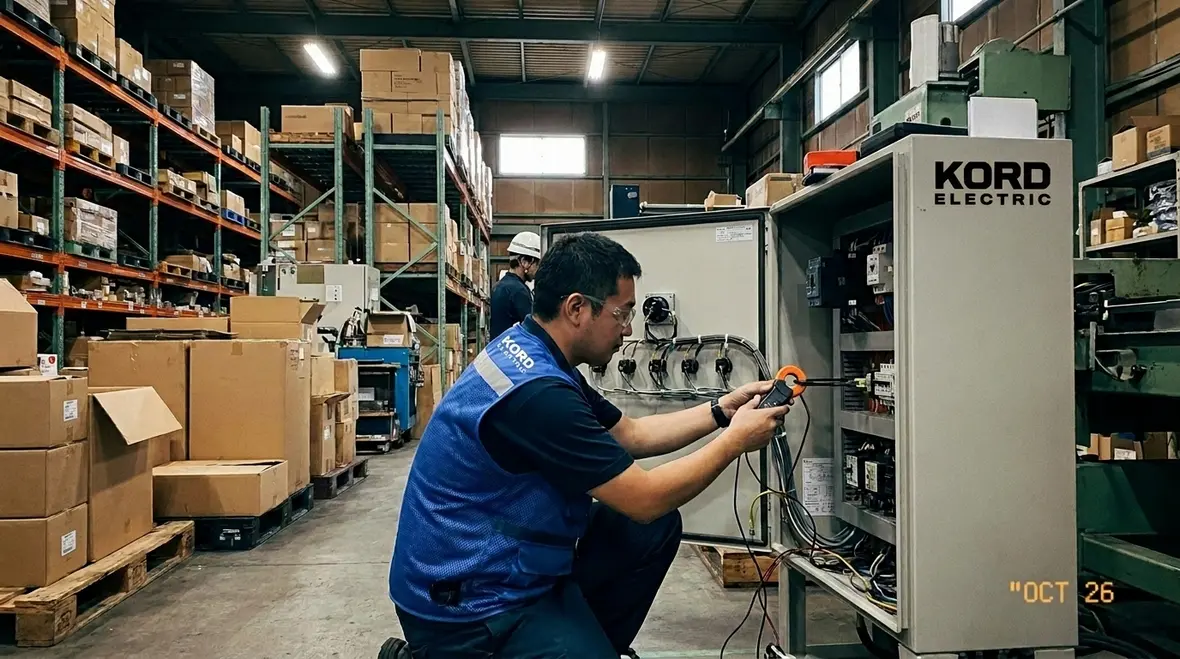
First, we review single line diagrams, equipment lists, and utility information. Next, we collect current and voltage information across key panels and feeders. Then we build a load profile that captures typical demand patterns and peak conditions.
After that, we evaluate power quality considerations such as harmonics and imbalances, especially where variable speed drives, large motor systems, or high density charging exist. Even when the system “works,” harmonics and unbalanced loads can add extra stress to neutral conductors and transformers.
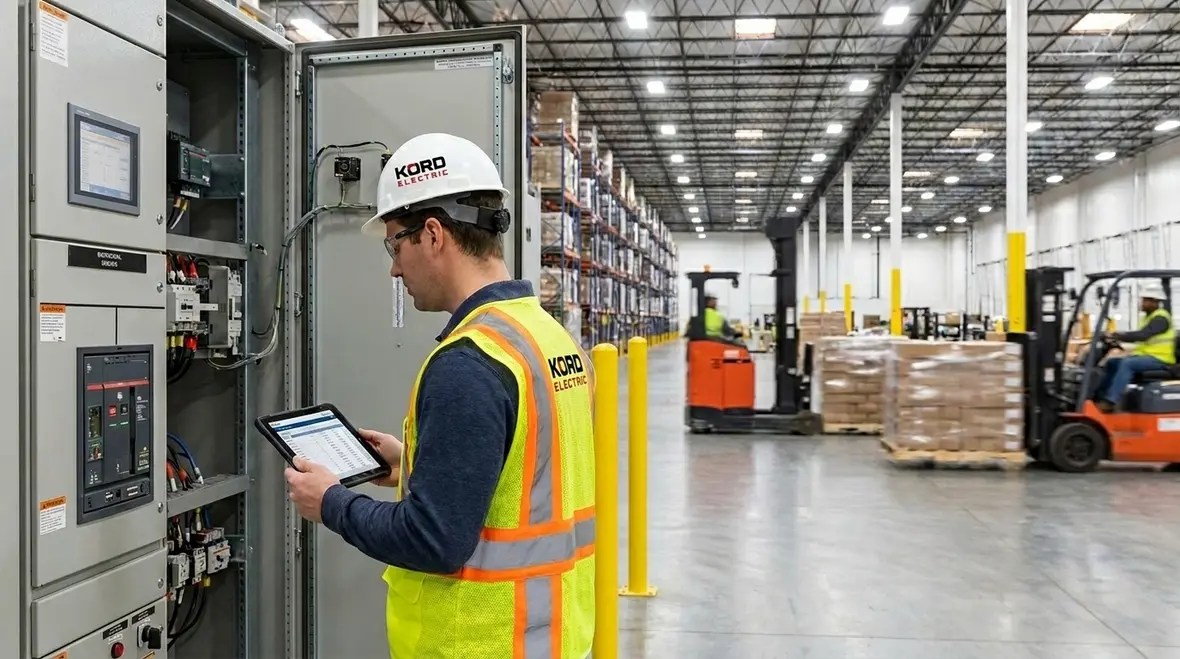
Our technicians also consider how the warehouse operates day to day. For instance, lighting schedules, HVAC cycling, and dock door traffic can shift demand. Meanwhile, the ramp up time for equipment can cause short peaks that still matter for protection coordination.
For facilities that also want a broader strategy for long term performance, this same field data can support electrical preventive maintenance programs that keep the load profile, safety margins, and documentation aligned over years instead of just months.
What changes should trigger a new analysis
Many teams do analysis only when something goes wrong. We recommend a more steady approach, because capacity issues rarely announce themselves with confetti. Instead, they show up slowly as higher temperatures, frequent breaker trips, or delayed equipment performance. To keep safety and capacity aligned, we suggest updating the study when meaningful changes happen.
Here are common triggers we see in commercial and industrial warehouses and major property buildings:
- New or expanded lighting, especially high bay retrofits or additional daylight zones
- More dock equipment, conveyor additions, or upgrades to packaging lines
- Increased refrigeration load, cold storage expansion, or added air handling units
- Fleet growth, including more charging stations for forklifts or material handling equipment
- Schedule changes such as extra shifts, longer operating hours, or seasonal peak throughput
- Panel changes, transformer swaps, or modifications to feeders and bus systems
- Major HVAC updates or new compressor systems
If you are thinking, “We will do it later,” we understand. Later is where risks hide. So we work with others to build a sensible timeline that keeps the warehouse productive while the assessment stays thorough.
Protective devices and coordination: the quiet heroes of reliability
Breakers and fuses do not only protect against faults. They also coordinate so the right device clears the fault without taking down the whole facility. When coordination fails, a small issue can turn into a major outage. And nobody wants to explain to operations that downtime happened because someone skipped planning. That is a tough conversation, even for friendly people.
When we use electrical system load analysis for warehouses, we verify that protective devices match expected currents during normal and abnormal conditions. We review how protective settings relate to motor inrush, start up surges, and parallel loads. We also check how feeder sizing supports the load and how voltage drop might affect performance, especially on longer runs.
Additionally, we look at the system as a whole. You can have enough capacity in theory, yet still face issues due to voltage regulation, conductor heating, or coordination gaps. Our technicians connect these details so the final recommendations hold up in the real world.
Our expert service staff also explains tradeoffs. For example, sometimes the solution is load management. Other times, it is targeted panel upgrades, transformer capacity tuning, or rerouting certain loads. The right path depends on your facility goals and operating constraints.
Common mistakes we prevent during warehouse upgrades and expansions
Warehouse expansions move fast. Construction teams push schedules, vendors deliver equipment, and operations tries to stay calm while the power system catches up. Unfortunately, this pace leads to predictable mistakes. We help prevent them by aligning electrical design with actual demand.
Some mistakes we often see include:
- Adding new loads without measuring what already runs during peak periods
- Assuming the transformer has spare capacity without checking temperature margins and voltage response
- Overlooking harmonics when variable frequency drives and chargers share the same electrical environment
- Ignoring neutral and grounding stress where uneven single phase loads exist
- Installing equipment with mismatched protective ratings, which can cause nuisance trips
- Failing to update documentation, so future maintenance and troubleshooting becomes guesswork
Meanwhile, our approach stays grounded in service quality. We review the load, verify the safety limits, and then translate results into clear actions. When people understand the why, decisions become easier. And when the system runs smoothly, everyone gets back to work instead of chasing issues like a season long plot twist.
FAQ
Schedule expert electrical support with Kord Electric
If your commercial or industrial warehouse plans to add equipment, expand shifts, or upgrade power hungry systems, Kord Electric can help you confirm capacity and strengthen safety before problems land. Our technicians and experienced service staff explain findings in clear business terms and translate them into practical next steps. Reach out for an assessment and a plan you can act on. Let us help you keep operations stable, protect your system, and avoid the kind of downtime that turns a normal day into a headline.
Many clients also combine this work with services like electrical preventive maintenance for commercial and industrial facilities, so every warehouse upgrade rests on a documented, well maintained electrical backbone instead of optimistic assumptions.
To move from “we will check it someday” to a concrete plan, schedule an electrical system load analysis for warehouses that starts with field data, respects your production schedule, and ends with clear, prioritized recommendations.