

Electrical System Load Balancing for Warehouses
Lower Bills Without Lowering Power: Load Balancing in Warehouse Electrical Systems
At Kord Electric, we focus on electrical system load balancing for warehouses because warehouses rarely fail from a single problem. They fail from many small ones that quietly add up: uneven demand, aging panels, and circuits that carry too much stress for too long. When a warehouse’s loads spike in one corner while another corner stays calm, the whole system works harder than it has to. That extra strain shows up as higher energy use, hotter components, and more frequent nuisance issues.
Therefore, we optimize the electrical setup so power flows more evenly across phases and circuits. In the same way a good DJ smooths out the beat, we help your facility keep rhythm. And yes, we do it without turning your warehouse into a science fair, because your operations have deadlines, not lab hours.
Why Warehouses Need Load Sharing, Not Guessing
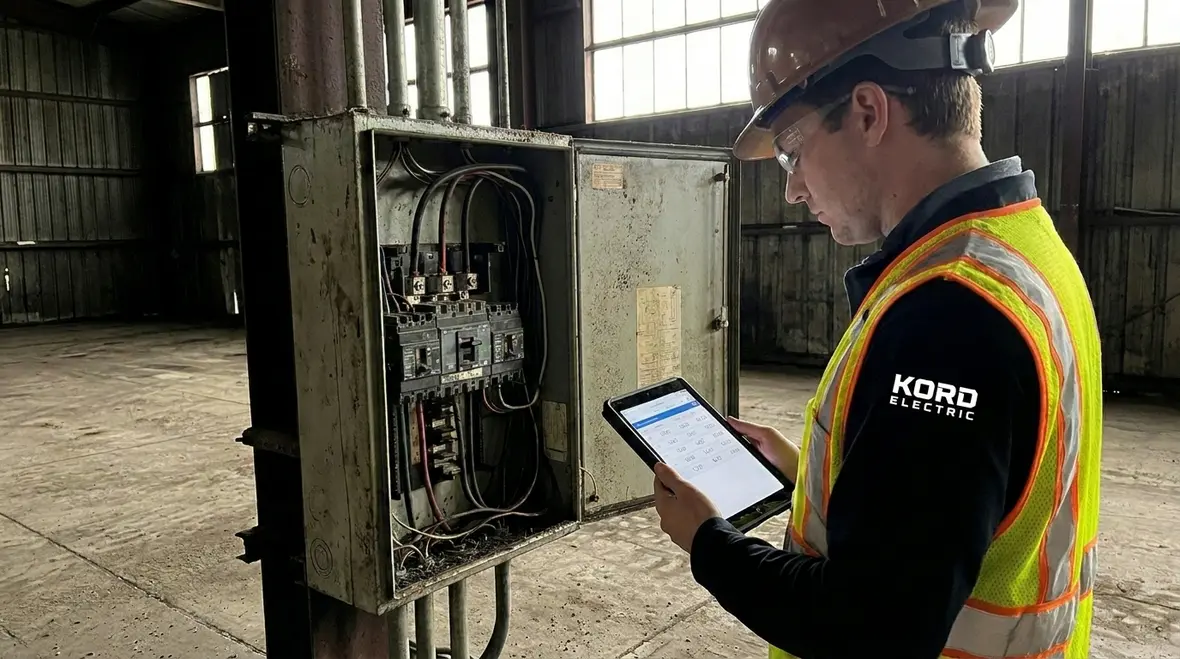
Warehouses run on schedules. Forklifts charge at specific times. HVAC cycles ramp up during shift changes. Lighting demand climbs when dock doors open and activity rises. Meanwhile, racking areas with fewer processes can become electrical “black holes” where some circuits carry less load. Then one phase ends up doing the heavy lifting while others lag behind.
When this imbalance builds, it increases losses in cables and busbars, which reduces overall efficiency. Plus, it can raise temperatures inside panels and conduits, which shortens component life. Even if everything “still works,” uneven load can create hidden wear on breakers, transformers, and connections.
Our team at Kord Electric approaches this with practical diagnostics. First, we review historical demand patterns and current draw. Next, we inspect panel labeling, transformer loading, and distribution paths. Then we recommend changes that help electrical system load balancing for warehouses feel less like a theory and more like a measurable upgrade.
How We Measure Imbalance and Find the Real Bottleneck
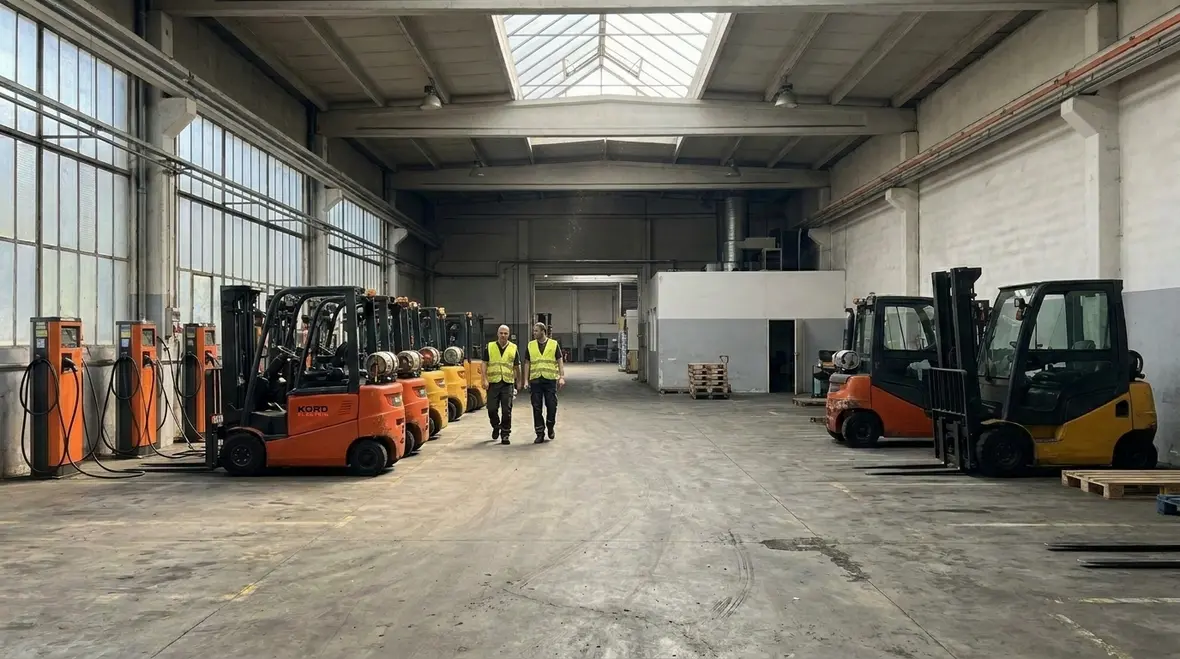
Let’s keep it simple: you cannot fix what you cannot see. So our technicians begin with data, not assumptions. We perform load analysis on feeders, panels, and key distribution points. We also check phase distribution to confirm whether loads are actually balanced, or merely balanced on paper.
Then we map the warehouse load profile by zone. For example, lighting circuits might cluster near offices while refrigeration, compressors, or process equipment sit closer to docks. In addition, we identify whether any branch circuits are misapplied or oversized for their actual duty. Sometimes a circuit gets reused over the years, because someone needed a quick solution. Those “quick” solutions can quietly turn into a long term problem.
After we find the bottleneck, we propose a plan that aligns with how your facility operates. Our expert service staff explains each finding in plain language, so your leadership understands what changes will happen, what stays the same, and what results you can expect. In other words, we don’t just hand you a report and disappear like a movie character who knows the plot but won’t share it.
Panel and Feeder Strategies That Improve Efficiency Fast
Once we confirm the imbalance, we implement electrical changes that reduce losses and stabilize performance. We start with the most effective moves, which often include better phase allocation and feeder rerouting.
Here are common strategies we use for commercial and industrial warehouses and major property buildings:
Rebalancing phase loads by redistributing branch circuits so each phase carries closer to equal demand
Reorganizing panel schedules so future expansions do not recreate the same imbalance
Correcting misrouted feeders when equipment loads do not match the intended distribution design
Upgrading or adjusting distribution components only when measurements show it is needed, not “because someone said so”
Coordinating with mechanical schedules so HVAC and dock related cycles align with electrical capacity
Moreover, we consider harmonic distortion and non linear loads, because some warehouse systems load electrical distribution differently than simple motors and lights. When harmonics rise, conductors and transformers can heat up even if amps appear manageable. Our technicians take those details seriously, since heat is the enemy of efficiency and reliability.
And if you are thinking, “We already balanced phases once,” that might be true, but warehouses evolve. Equipment gets added. Controls get upgraded. Lighting gets replaced. Therefore, we treat load balancing as an ongoing management practice, not a one time event.
What Happens to Reliability When Loads Stay Even
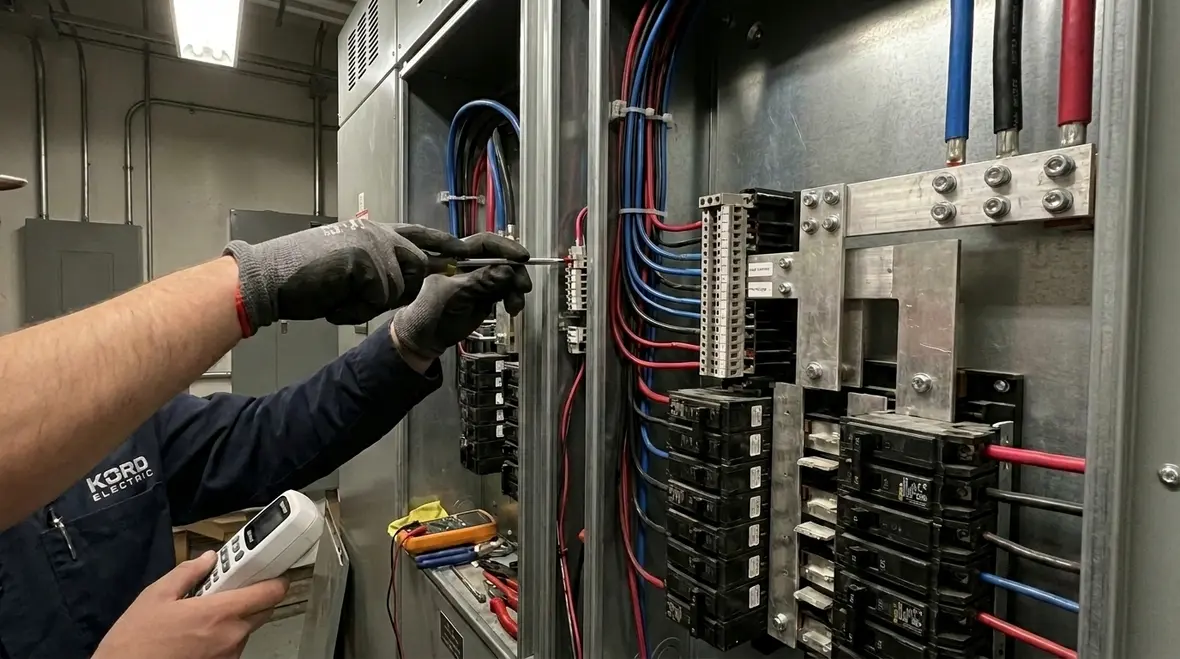
Electrical system load balancing for warehouses improves more than energy efficiency. It also supports reliability, and that is the part operations teams care about most. When load is uneven, components experience stress in the form of higher temperatures, increased current in specific paths, and more frequent trips from protective devices that work harder than their counterparts.
When loads become more even, several good things usually follow. First, thermal stress drops on overloaded conductors and connections. Second, breakers and busbars run closer to their designed conditions. Third, voltage stability often improves, particularly during start ups for motors and compressors.
In addition, better balance reduces the likelihood of nuisance alarms and troubleshooting loops. Instead of chasing “mystery trips,” your team can focus on the day’s real work. We see that firsthand when our recommendations connect electrical performance with operational reality, like maintaining stable power during peak dock activity or preventing repeated disruptions during shift transitions.
Of course, we never claim that balancing alone solves every issue. But we do know this: a well managed electrical system removes chaos from the schedule. It is like getting the forecast right before you plan a long day outdoors.
Integration With Real Warehouse Operations and Expansion Plans
Most warehouses do not stay the same. They expand, they reconfigure, and they add new equipment that changes the load profile. Therefore, we design balancing improvements to support future growth, not to freeze the building in time.
Our expert service staff takes time to understand your operations. We ask how shifts run, when dock activity spikes, what equipment starts at the same time, and how maintenance schedules affect power use. Then we align the electrical plan with those patterns.
For example, if your facility plans a new HVAC upgrade or additional cold storage, we build the balancing strategy around anticipated loads. We also help your internal team maintain accurate panel labeling and documentation, because the “next” technician will thank you later. Trust us, future you always needs that information, and future you is often in a hurry.
Additionally, we coordinate recommendations with code requirements and existing electrical architecture. We do not force a redesign when smart optimization is enough. However, when the data shows a system truly needs modernization, we explain why and outline the options in a way your leadership can evaluate quickly.
If your warehouse load balancing review uncovers deeper issues such as recurring voltage swings or sensitive equipment shutdowns, pairing this work with a focused evaluation of voltage fluctuations in commercial and industrial facilities can help stabilize performance across your entire distribution system.
Preventive Practices That Keep Efficiency from Drifting
After we optimize your setup, the job shifts from installation to preservation. Load balancing can drift when changes happen without considering phase distribution and feeder capacity. That is why we recommend a simple preventive routine for commercial and industrial sites.
Here are practical steps we encourage:
Periodic load checks after major equipment changes, tenant work, or lighting retrofits
Panel schedule audits to ensure circuit assignments match reality
Thermal inspection focus on known hotspots like bus connections and heavily loaded breakers
Documentation updates so maintenance and expansion stay consistent
Coordination with maintenance teams so troubleshooting stays proactive
Furthermore, we help facilities establish a repeatable approach. Your operations should not require electrical roulette. Instead, decisions follow measurable data. In our experience, even one well timed review can reveal small imbalances that lead to bigger issues months later. Like a slow leak in a tire, the early warning is quiet, but it is there.
For many commercial and industrial properties, the most effective way to keep electrical system load balancing for warehouses on track is to fold it into a structured electrical preventive maintenance program. When balancing checks become part of scheduled inspections, you catch emerging issues long before they turn into downtime or costly repairs.
FAQ
Ready to Balance Efficiency and Power in Your Warehouse?
When a warehouse’s electrical loads fight each other, the building pays the price in heat, wear, and wasted energy. Kord Electric helps commercial and industrial facilities optimize electrical system load balancing for warehouses using measurement driven diagnostics and practical improvements that match how your site actually runs. Our technicians explain every step clearly, so your team knows what is changing and why. Contact us today to schedule an assessment and get a plan you can act on fast.
If your facility is also planning lighting upgrades while addressing load balance, coordinating those efforts with a dedicated commercial and industrial lighting installation service can help you modernize fixtures, improve visibility, and keep your distribution system running efficiently under the new demand.
For warehouse leaders who want long term stability, combining targeted load balancing with structured commercial and industrial electrical maintenance plans keeps your system tuned as operations evolve. Over time, that combination protects equipment, supports expansion, and gives your team more predictable days on the floor.


