Preventing Electrical Downtime in Manufacturing
Why we treat electrical downtime like an early warning system
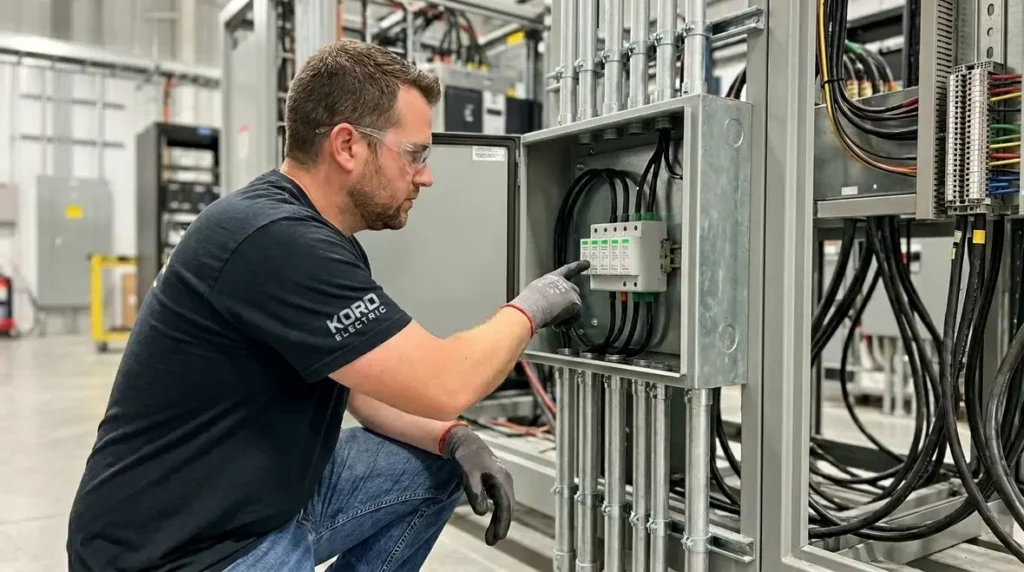
preventing electrical downtime in critical manufacturing facilities is not a slogan at Kord Electric. It is a discipline. When power glitches, motors stall, and controls lose their mind, production stops and costs climb like interest on a bad decision. Therefore, we focus on proactive strategies that reduce failures before they become headlines. In our experience, the best time to fix an electrical issue is long before alarms start screaming at 2 a.m. And yes, we have seen “temporary” problems turn into permanent disasters, the way pop culture turns one season into five. So we build plans that keep commercial and industrial facilities running, including major property buildings that can’t afford downtime.
How we map risk to real equipment, not guesswork

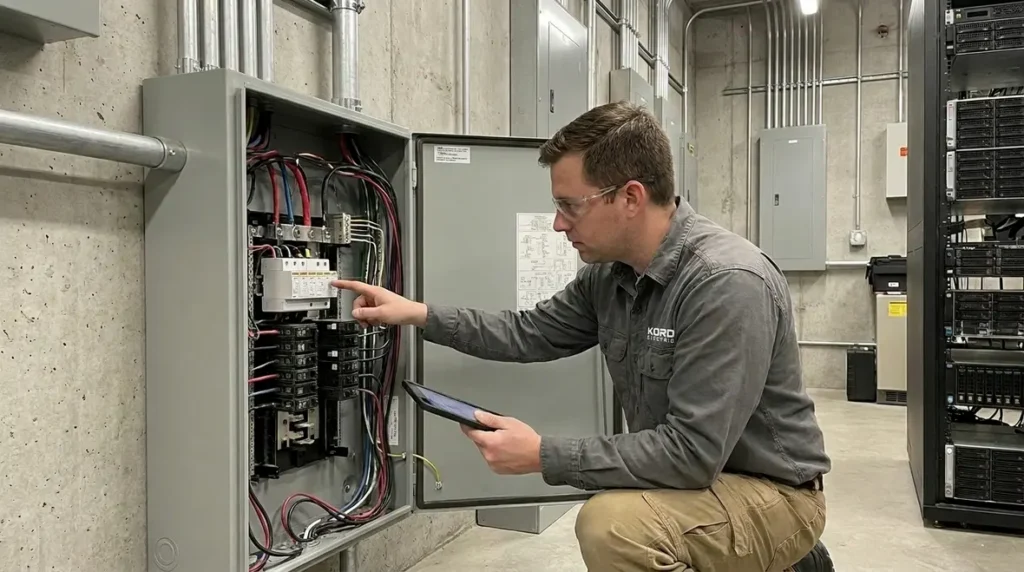
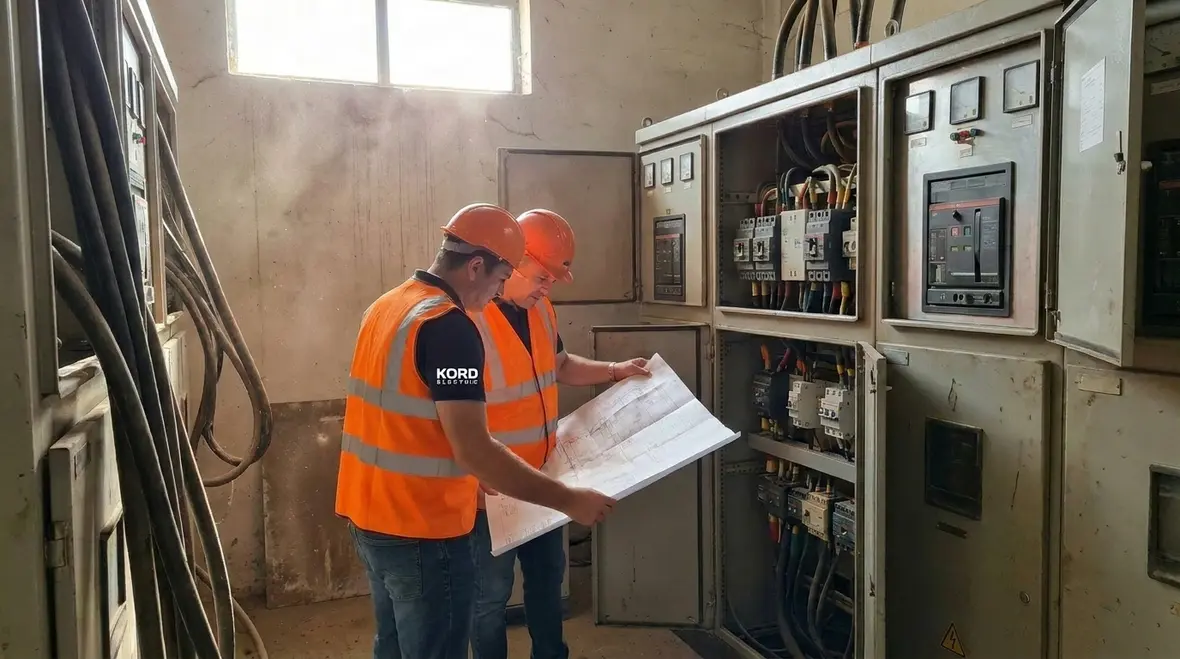
First, we start by knowing what matters most. We do not treat the electrical system as one big blob. Instead, we help others identify the critical loads, the process bottlenecks, and the areas where a short outage becomes a long recovery. Then we translate that into a clear risk map. Our technicians and expert service staff walk the site, review single line diagrams, and trace how power flows from utility to switchgear to distribution to the equipment that actually drives output.
Next, we look for failure patterns that repeat in manufacturing environments. Motors run hot, busbars collect dust, harmonics build over time, and terminations loosen as equipment cycles. As a result, we prioritize inspections and testing that match the way your facility operates. Meanwhile, we document findings in plain language so plant managers and facility teams can make decisions without needing an engineering degree or a crystal ball.
We also coordinate with operations so maintenance windows align with reality. For example, if a line can be taken down only during a weekend shutdown, our scheduling follows that constraint. Therefore, we reduce disruption while still gathering the data needed to prevent electrical downtime in critical manufacturing facilities. For facilities that are planning broader upgrades, this risk mapping often pairs naturally with structured programs like Kord Electric’s electrical preventive maintenance services, which are built for complex commercial and industrial environments.
What predictive maintenance looks like when we install the right checks
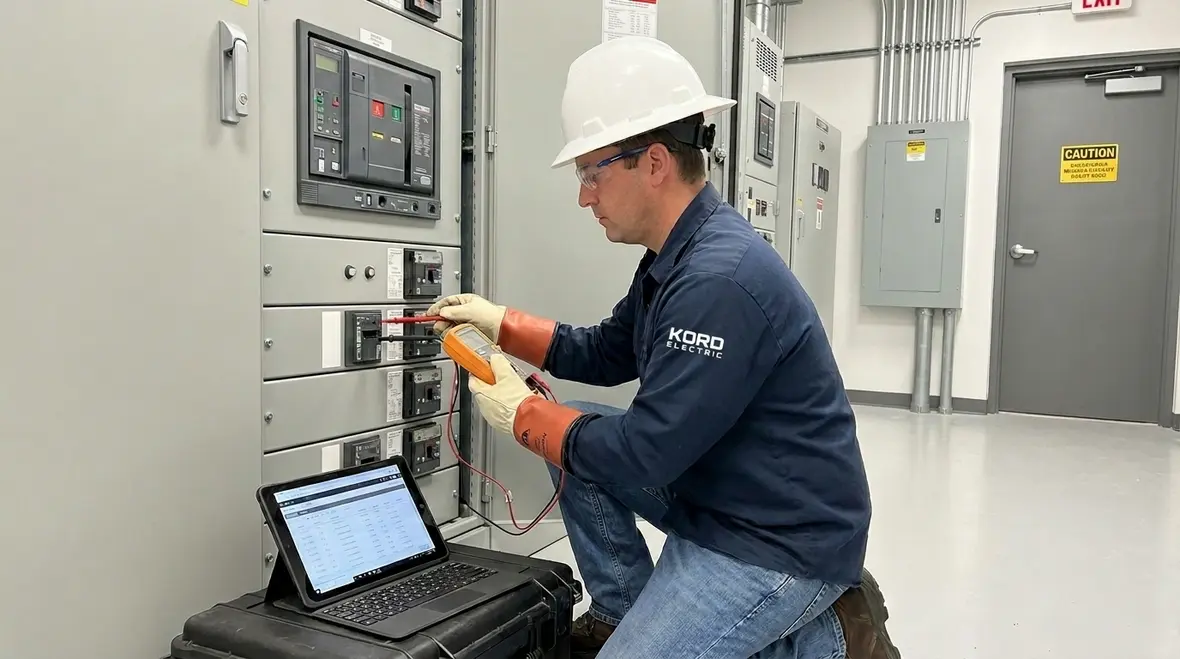
Proactive does not mean vague. It means measuring the right things on a schedule you can trust. At Kord Electric, we combine practical inspection with testing methods that reveal hidden trouble. For instance, we focus on switchgear health, breaker condition, transformer performance, and the integrity of connections in distribution panels and MCCs.
Then we align those tests with a facility’s risk level. High duty cycle areas get more frequent checks, while lower risk areas follow a slower cadence. Also, we pay attention to signs that operators notice but may not connect to electrical failure. Flickering lights can point to voltage instability. Intermittent trips can indicate loose connections or failing components. Even a recurring “mystery” alarm often has a root cause buried in the electrical system.
Our technicians explain what we see as we go. We do not just deliver a report and disappear. Instead, we sit with facility leaders, show trends, and explain what happens when a warning is ignored. And if the situation calls for upgrades, we recommend options that balance reliability with budget. In short, we replace surprise outages with planned maintenance and predictable costs, often in coordination with broader efforts such as strategic commercial rewiring projects when facilities are ready for larger electrical improvements.
How we protect power quality before it ruins motors and controls

In manufacturing and major property buildings, power quality can be the silent troublemaker. When voltage dips, harmonics rise, or transients hit sensitive controls, equipment may not fail immediately. However, it can degrade slowly, like a song you hate that keeps playing in your head. Eventually, that degradation turns into breakdowns, shortened motor life, and nuisance trips that waste labor and slow production.
So we help others address the problem upstream. We assess load profiles, identify harmonic sources, and evaluate the impact on drives, PLCs, VFDs, and other control systems. From there, we recommend corrective actions. Sometimes that means improving grounding and bonding. Other times, it means tuning or adding power conditioning where it makes sense.
We also look at switching behavior, grounding continuity, and the health of protective devices. Then we verify settings so breakers and relays respond correctly to faults instead of acting like they are guessing. When we do this work thoroughly, the facility experiences fewer interruptions, smoother startups, and better uptime.
And because preventing electrical downtime in critical manufacturing facilities requires more than “fixing what breaks,” we treat power quality as a core part of reliability planning, not an afterthought. In many facilities, these electrical reliability efforts run parallel with life safety planning supported by partners like Kord Fire Protection’s full fire protection services, which help keep suppression and alarm systems ready when needed.
Why we focus on switchgear and terminations like they are the front door

Switchgear and terminations sit at the center of many real-world failures. Terminations loosen. Corrosion forms where moisture and heat combine. Arcing can develop in spots that look fine until they do not. Likewise, worn breaker mechanisms and insulation breakdown in harsh environments can turn a minor defect into a full shutdown.
Therefore, we do targeted work. Our technicians inspect terminations for torque compliance and signs of overheating. Then we test insulation integrity, evaluate breaker performance, and check contact wear. We also verify that wiring methods and protective devices match the system design and load requirements.
Then we set up repeatable routines. Instead of a one-time “let’s hope it’s okay” approach, we schedule checks that detect drift early. And when replacements or upgrades are needed, we coordinate installation so the facility stays safe and operational.
Let us be honest: electrical work has its own humor. The “it worked last time” mindset is like trusting a smoke detector because it has not screamed yet. We do not rely on luck. We rely on evidence, documentation, and skilled field work.
How our commissioning and training reduce human error on the job
Even a well-designed system can fail if it is installed, operated, or serviced incorrectly. So we step beyond wiring and testing. We support commissioning for new equipment and major retrofits, then we help teams understand how the system should behave.
Our expert service staff explains key operating points in a way that sticks. For example, we explain trip causes, normal versus abnormal thermal behavior, and what maintenance actions should trigger further inspection. We also review lockout and tagout workflows so electrical work stays safe and controlled. Then we align documentation with what technicians actually need in the field, not just what looks good on paper.
In addition, we provide hands-on guidance during startup and after service events. As a result, facility teams avoid common mistakes like incorrect breaker settings, missed inspection steps, or delayed response to early warning signs. When people know what to look for, we reduce downtime risk across the entire organization.
Also, we help others build a practical service plan that integrates with their maintenance calendar. Therefore, preventing electrical downtime in critical manufacturing facilities becomes a shared effort, not a last-minute scramble.
Two-column reliability plan you can implement this quarter
We designed the following approach for commercial and industrial facilities and major property buildings. It helps teams move from “we hope” to “we know.”
Step
What we do
Site risk walkthrough and load review
Critical equipment testing plan
Power quality checks and harmonic review
Switchgear and termination inspections
Commissioning and documentation alignment
Step
What you get
Clear findings in plain language
Prioritized recommendations by risk
Scheduled actions that fit maintenance windows
Reduced nuisance trips and failure risk
Training that supports safe operations
FAQ about preventing downtime and keeping facilities reliable
Call Kord Electric for a reliability plan that pays for itself
If you want fewer shutdowns, steadier operations, and less “why did this happen” downtime meetings, we are ready. At Kord Electric, our technicians and expert service staff build proactive maintenance plans that target the real risk in your electrical system. Then we schedule testing, explain findings clearly, and support commissioning so your team can act with confidence. Contact us today for an assessment and next steps. Let us help you keep power where it belongs: on, stable, and supporting production.
If your facility also handles high fire loads or complex life safety requirements, pairing your electrical reliability plan with a coordinated strategy for fire sprinklers, alarms, and suppression through services like manufacturing plant fire suppression systems in Los Angeles can further reduce unplanned outages and protect both people and production.