Electrical Thermal Damage Prevention Guide
Electrical Thermal Damage Prevention starts with smart facility habits
Preventing electrical thermal damage in facilities is not a “set it and forget it” task. It starts with how we design systems, how we maintain them, and how we respond when conditions change. In commercial and industrial properties, heat can creep in quietly, then escalate fast, and nobody wants that moment when a breaker fails like it is auditioning for a horror movie.
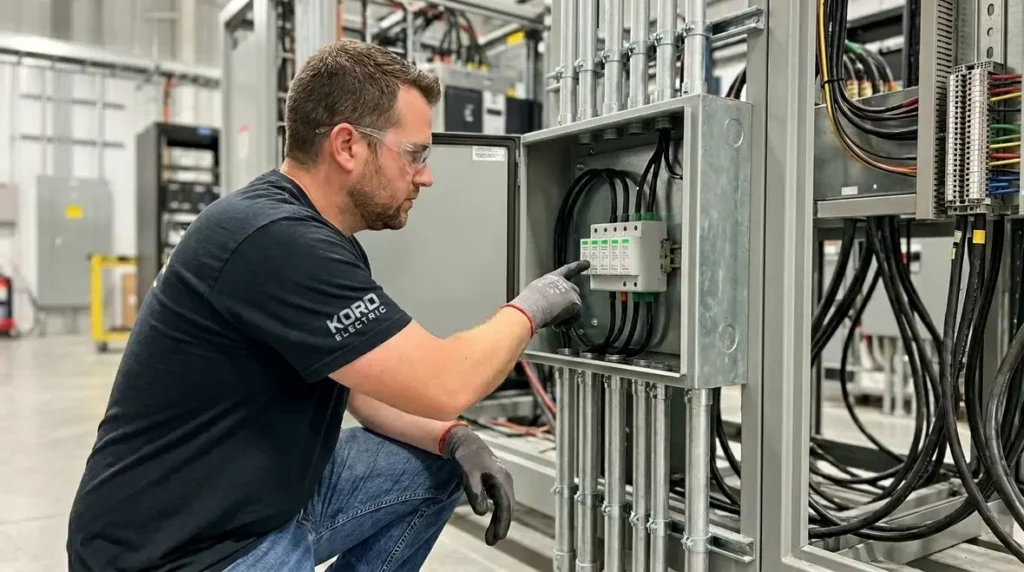
At Kord Electric, we work with building owners and facility leaders to reduce the risk of overheating in panels, feeders, switchgear, busbars, and connections. Our technicians and expert service staff explain what they see in plain language, so others in the building can act with confidence. And yes, we still treat safety like it matters, because it does.
How heat forms inside electrical systems

Electrical thermal damage usually begins with small problems that grow. First, an overloaded circuit runs hotter than intended. Next, a loose connection creates resistance at exactly the wrong spot. Then, contamination like dust, moisture, or corrosive gases worsens insulation breakdown. Finally, aging components fail under load, and the temperature climbs further.
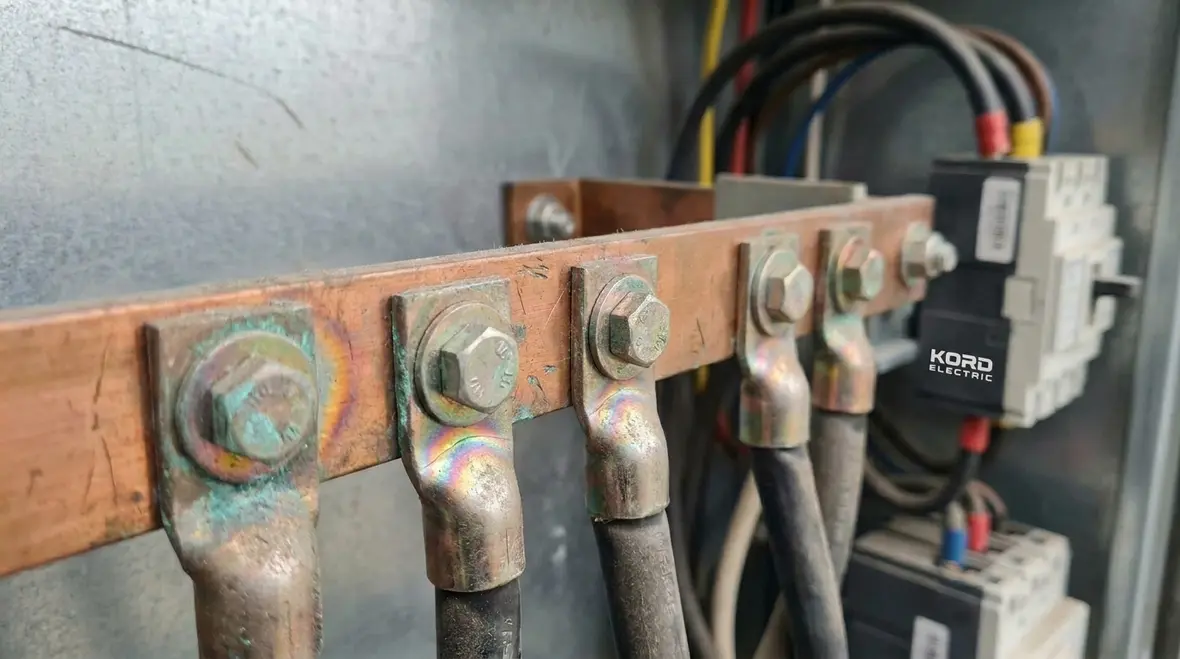
Here is what our team often finds in commercial and industrial environments. Older terminations may have lost clamp force. Lug surfaces may show oxidation. Busbar joints may have worn contact pressure. In switchgear rooms, airflow paths can block, so heat has nowhere to go. Meanwhile, control systems might not flag early faults because monitoring settings focus on failure, not early warnings. So even when everything “seems fine,” heat can still build like tension in a sitcom just before the commercial break.
To prevent preventing electrical thermal damage from becoming a real event, facilities need early detection, correct sizing, and disciplined maintenance. Otherwise, the first major symptom becomes smoke. We prefer the first symptom to be a clean diagnostic report.
Thermal risk mapping for commercial and industrial buildings
When we plan prevention, we start with where heat would most likely collect. That means creating a thermal risk map, then tying it to actual operations. For example, Kord Electric helps facilities identify panelboards, MCCs, transformer connections, large motors, and sections that feed high duty loads. We also include locations with vibration, humidity, or frequent access where connectors might be disturbed during maintenance.
Then we schedule inspections based on load patterns, not calendar vibes. If a facility runs heavy shifts on certain days, we align checks with those periods so thermal readings reflect reality. In large property buildings, we also consider seasonal effects. Cooling changes in summer can shift how enclosures shed heat. As a result, a location that looked okay in spring can drift into a dangerous range later.
Our technicians document findings and explain the “why” behind each action. They do not just say, “We saw heat.” Instead, they connect the data to likely causes and next steps, so other staff can understand and support the plan. That shared clarity reduces confusion and repeat issues, which saves time and money. And nobody enjoys paying twice, unless it is for pizza.
Inspection and testing routines that catch problems early
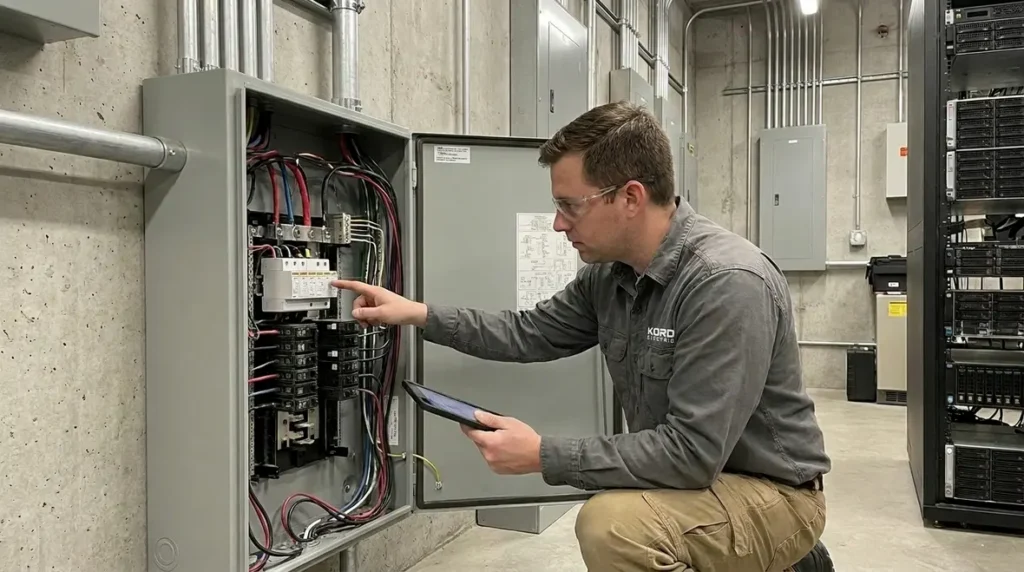
Routine testing must do more than confirm power is present. We build a program that catches thermal conditions before they cause damage. At Kord Electric, our expert service staff guides clients through a practical sequence of checks, including visual inspection of enclosures and terminations, verification of torque at critical connections, and review of signs of overheating like discoloration or hardened insulation.
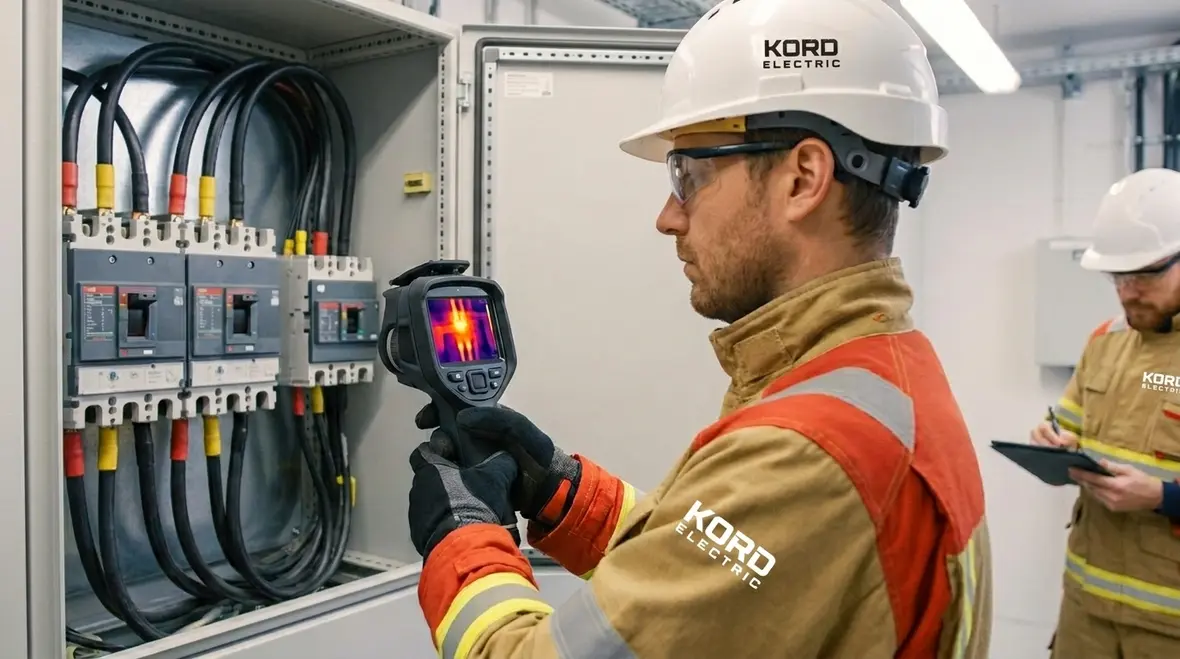
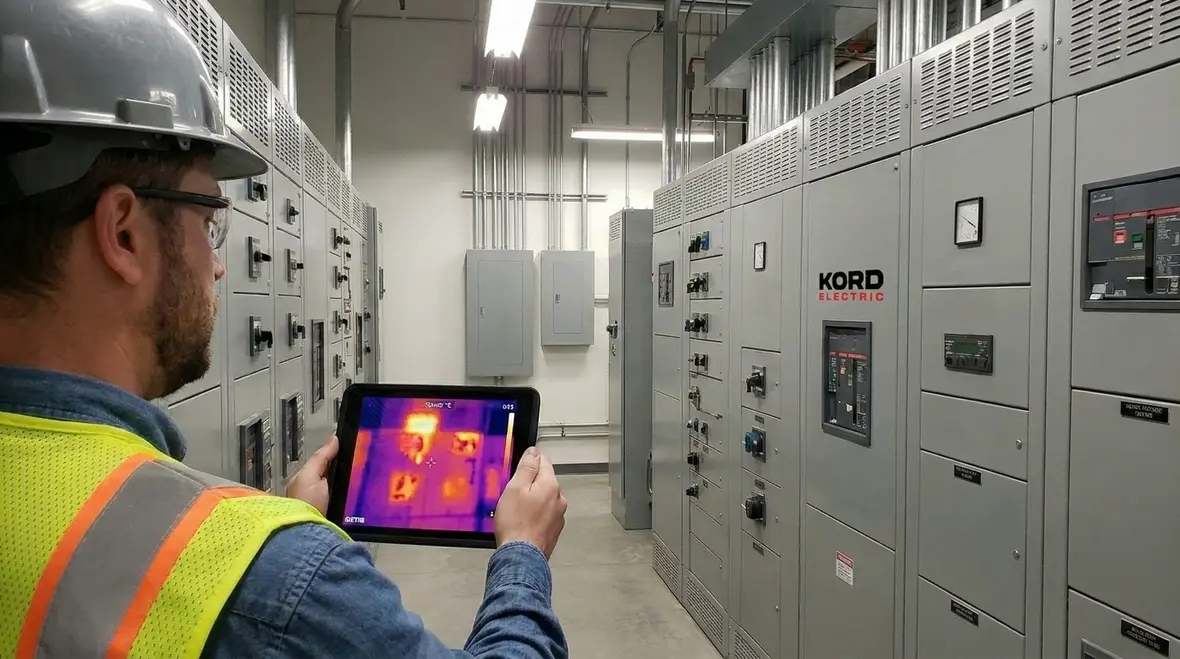
Next, we use targeted measurements that support diagnosing risk. Infrared thermal imaging helps us see temperature patterns across cabinets and bus systems. However, we pair imaging with context. If readings look high, we confirm whether the load current matches expectations, and we check whether the measured hotspot correlates to a loose or aged connection.
We also recommend electrical test approaches that support thermal prevention. Insulation resistance testing can reveal insulation weaknesses that tend to show up as heat later. Load testing and data review help ensure protective devices match actual operating conditions. Circuit breaker maintenance and inspection reduce the chance of intermittent arcing that can hide until it is too late.
In other words, we do not rely on a single tool. We combine methods, then we communicate results clearly. That is how we keep preventing electrical thermal damage from turning into a surprise line item.
Corrective actions and tightening the “weak links”
Once we identify thermal risk, we take corrective action with care. Loose terminations often require re-torquing to manufacturer specifications. In some cases, oxidation or heat damage forces replacement of lugs, connectors, or even conductors. We also address enclosure problems like blocked ventilation, failed fans, damaged door seals, and missing barriers that affect airflow.
We also review how power flows. Proper conductor sizing, balanced phases, and correct transformer loading reduce overheating stress. If a facility uses long feeders or shares capacity unevenly, we help correct the system design or operating strategy so heat does not concentrate in one area.
Then we fix the “human side” of electrical integrity. When maintenance teams swap components or open panels, they must follow procedures that preserve torque and alignment. Our technicians explain the correct handling steps, and they label systems so future work stays accurate. This matters in major property buildings where many contractors touch the same equipment. Coordination prevents “install today, regret tomorrow” situations.
And yes, we sometimes hear, “We already tightened it last year.” That is like saying you changed your brakes because you heard a noise once. Timing, torque spec, and condition all matter. We verify condition, not just memory.
Design upgrades that reduce heat before it appears
Prevention also happens before problems show up. Kord Electric supports upgrades for commercial and industrial facilities that want long term reliability. We help clients improve enclosures, busbar connections, and protection strategies to reduce the chance that small faults turn into thermal events.
For example, we can recommend better ventilation or temperature management for switchgear rooms. We also support adding or improving monitoring systems that track key parameters like load and temperature trends. When a facility can detect drift early, it can schedule action during planned downtime rather than during an emergency.
Protective coordination and updated breaker settings matter too. If protective devices do not respond correctly, heat can build during faults. We review protective relays and breaker performance to ensure coordination supports safety and limits damage. In some situations, we recommend hardware upgrades like improved contact materials or modern terminations designed for stable connection performance.
Most importantly, we treat upgrades as part of the facility strategy, not random fixes. Our expert service staff helps building leaders align electrical improvements with operational constraints, downtime windows, and budget realities. That keeps upgrades practical and effective, not just impressive on paper.
For facilities reviewing broader risk, resources like Kord Electric’s guide to hidden electrical risks in commercial buildings and their overview of commercial and industrial electrical maintenance plans offer additional context on how thermal issues fit into the larger reliability picture.
Maintenance culture, documentation, and staff training that stick
Even the best equipment fails when processes break down. So we encourage a maintenance culture that values documentation and repeatable steps. Kord Electric helps facilities create clear records for inspections, test results, torque verification, and corrective work. When future technicians open a cabinet, they see what was done, what was found, and what changed.
We also train staff so they understand what “normal” looks like. Our technicians explain how to spot early warning signs such as unusual vibration, hot spots around specific lugs, inconsistent breaker performance, and moisture intrusion. They teach teams what to record and when to escalate, so the building does not ignore early signals waiting for a full failure.
Additionally, we support contractor coordination. Major property buildings often involve multiple trades and recurring maintenance cycles. When schedules collide, equipment gets disturbed. By setting clear access rules and verification steps, we reduce accidental loosening and misalignment.
In practice, this turns thermal prevention into a habit. And when prevention becomes routine, we spend fewer nights responding to emergencies, and more time improving reliability. That is a win for safety, operations, and the bottom line.
If your building is already exploring ways to stabilize performance, Kord Electric’s dedicated electrical preventive maintenance services outline how recurring inspections, thermal imaging, and testing programs work together to keep systems running strong.
FAQ
CTA: Get a thermal safety plan with Kord Electric
Electrical thermal events do not choose the “perfect” time to happen. They happen when conditions align and early warning signs get ignored. If your commercial or industrial facility wants real Preventing electrical thermal damage, contact Kord Electric. We send our technicians to inspect critical equipment, map thermal risk, and recommend upgrades and maintenance that fit your operations. Reach out now for an assessment, and let us help you protect people, equipment, and budgets with calm, methodical work.
For facilities across Southern California, especially those managing complex campuses or large portfolios, Kord Electric’s Los Angeles County electrical services provide a direct path to integrating thermal prevention with broader electrical repair, troubleshooting, and upgrade support.
If you also manage life safety systems alongside electrical infrastructure, Kord’s fire protection team can help keep suppression and alarm systems aligned with your electrical strategy. Their full fire protection services complement electrical maintenance by supporting code-compliant sprinklers, alarms, and extinguishers.