
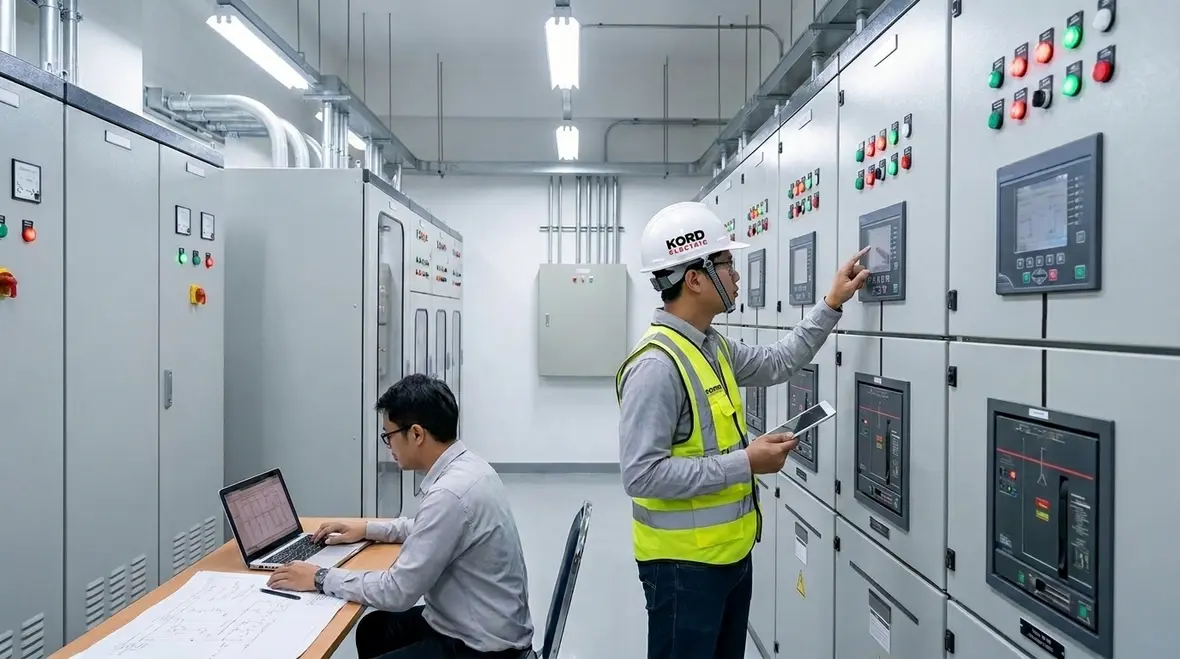
Emergency Electrical Load Shed Systems for Business
At Kord Electric, we help commercial and industrial facilities stay powered through the real world, not the fantasy one. That is why we design and maintain emergency electrical load shed systems that automatically reduce non critical demand when grid conditions tighten or a fault threatens stability. In other words, we make sure the lights stay on, the servers stay calm, and the production floor does not turn into a blackout improv show. And yes, we know nobody wants to “shed loads” like it is a bad diet. Yet when done correctly, it becomes a quiet, controlled move that keeps business operations uninterrupted.
Load shedding for commercial facilities without business downtime
Most people only think about load shedding during a storm or an outage. However, for major property buildings and industrial sites, the real risk arrives earlier, when voltage dips, demand spikes, or protection devices act too aggressively. Therefore, load shedding must not be random, and it must not wait until everything is already failing. Instead, it should follow a planned sequence that protects the systems that truly run the business.
We approach this like a reliability program, not a patch. First, we map the facility into priority levels. Then, we set under voltage and frequency thresholds that match the site. After that, we test every step so the response stays steady. This is where our technicians and expert service staff add real value, because they explain the logic in plain terms and confirm the operation with hands on verification. In short, we help others avoid the “guess and hope” method that turns a technical event into a costly surprise.
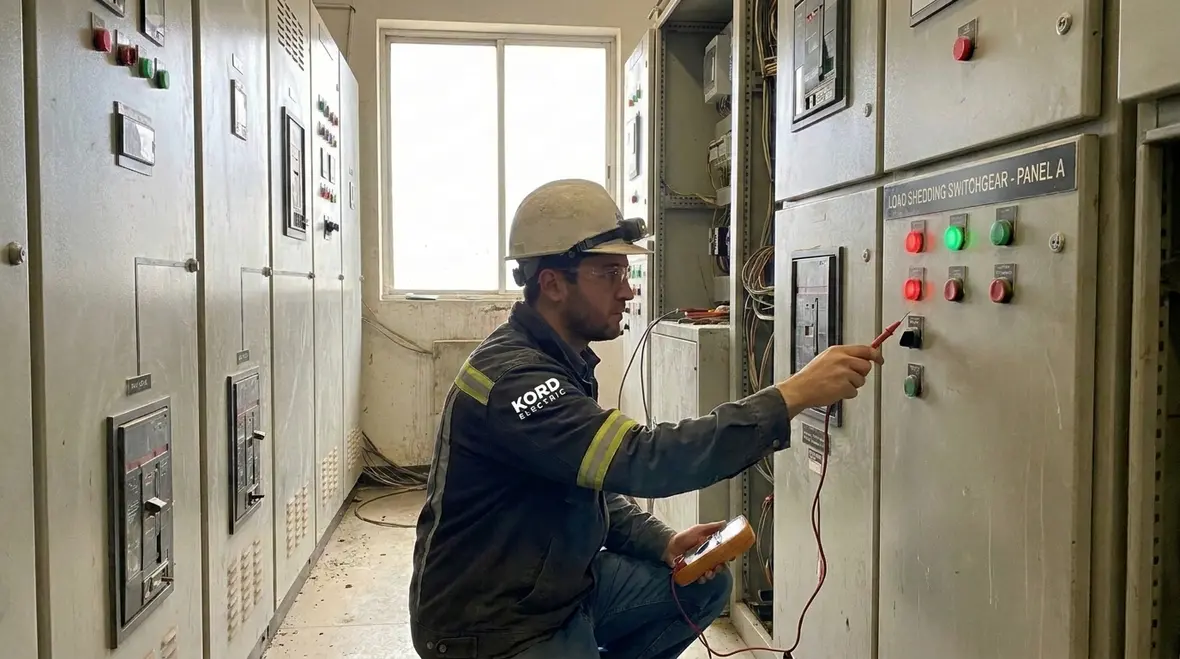
When facilities strengthen their load shedding design, they are also reducing the risk of unplanned shutdowns and equipment stress caused by unstable voltage. For sites already dealing with fluctuating power issues, this planning naturally pairs with specialized support that focuses on diagnosing and resolving voltage fluctuations in commercial and industrial facilities, helping keep sensitive equipment inside safe operating ranges while the shedding system manages demand.
How emergency load shedding works in the field
In the field, emergency electrical load shedding systems monitor electrical conditions and act fast when power quality drops below safe limits. For a commercial or industrial facility, the goal is simple: remove the right load at the right time, so essential equipment continues to operate within acceptable ranges.
Here is the practical flow we use. When the monitoring system detects an issue, it sends commands to disconnect defined circuits or loads. Then it moves through stages, because a single step is often too blunt. For example, cooling and ventilation might shed before process heat, or certain office circuits might drop before life safety systems. Additionally, some systems need controlled restart logic so equipment comes back in an orderly way, not like a crowd rushing a door.
Our expert service staff also verifies coordination with switchgear, breakers, and protective relays. As a result, the site avoids nuisance trips and unwanted delays. If a facility has multiple feeders or on site generation, we align the load shedding behavior with those sources as well. That way, the system does not fight the plant, it works with it.
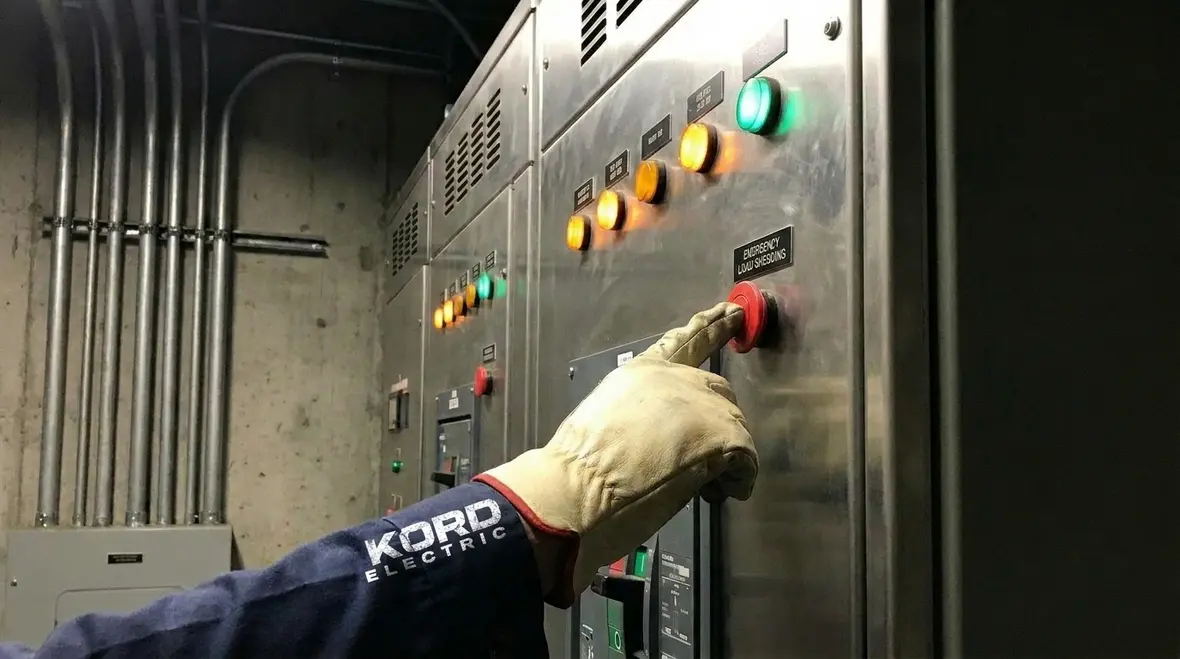
Because real emergencies rarely follow a script, modern emergency electrical load shed systems are often combined with broader emergency response readiness. When a fault or outage escalates into a true emergency, facilities depend on rapid response from licensed specialists who understand both controls and infrastructure. That is why many commercial properties connect their shedding strategy with dedicated emergency electrical services, so stabilization, troubleshooting, and repairs stay aligned with how the automation actually behaves when the lights are at risk.
Designing priority zones and load categories for stability
Successful load shedding starts with how the facility is organized. We build priority zones that match operational reality, then we assign loads to those zones based on impact, restart needs, and critical timing.
Typically, our teams separate loads into categories such as life safety, critical operations, essential support, and non critical demand. Life safety loads include exit lighting and emergency circuits. Critical operations can include manufacturing controls, mission critical communications, and essential pumps that prevent system damage. Essential support includes HVAC where it protects equipment, data rooms, and certain monitoring systems. Non critical loads often include general receptacles, some convenience lighting, and other discretionary circuits.
Next, we plan the sequence so shedding reduces demand in stages. This matters because a big sudden cut can also create problems, especially if it causes imbalance or affects system stability. Furthermore, we include time delays that allow motors and controls to settle. We also account for short term events so the facility does not shed for minor dips that recover quickly.
Our approach stays grounded. While some vendors give a one size plan, we tailor the priority map to each major property building or industrial process. Then, we explain why each circuit lands in a zone, and what happens after restoration.
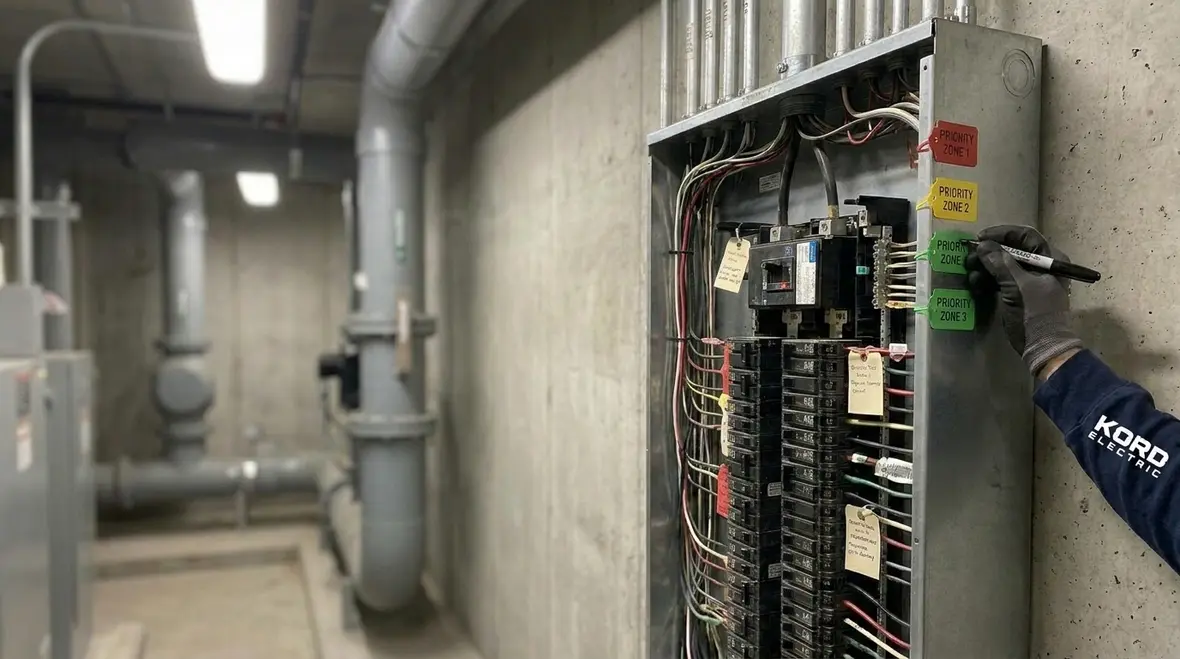
For many operators, these priority maps also become the foundation of broader preventive programs. Once critical and non critical circuits are clearly defined, it becomes easier to schedule targeted inspections, thermal scans, and testing that match each zone’s risk level. Facilities that formalize these steps often roll them into structured electrical preventive maintenance programs for commercial and industrial sites, using the same logic that protects operations during a disturbance to guide everyday reliability planning.
Coordination with switchgear, relays, and on site power systems
If a facility uses switchgear with multiple feeders, protective relays, or an on site power system, coordination becomes the difference between smooth operation and chaos. Therefore, we review how the electrical protection layer behaves under stress. Then we ensure emergency electrical load shed systems coordinate with those layers so the site does not experience overlapping actions.
For example, relays might trip a feeder before the load shedding system begins its sequence, or they may delay actions long enough for voltage to collapse. In these cases, we tune the settings and confirm the behavior with staged testing. Additionally, if there is standby generation, we coordinate shedding so the generator sees a load it can support without frequency collapse.
We also look at motor starting characteristics. Even when a load is “non critical,” it might include motors with high inrush current. Inrush can spike demand and trigger protection. Thus, our designers consider motor groups and staggered reconnection to avoid a second event right after shedding.
In one commercial project, a facility had multiple large motor loads grouped together. After we performed a detailed coordination study, we redistributed priorities and added a smarter reconnection schedule. The result was calmer restoration and fewer complaints, which is always a win. Nobody wants to hear the building manager say, “It came back… but in a weird order.”

This kind of coordination also benefits facilities planning future upgrades, such as new distribution equipment or expanded standby power. When panels, transfer switches, and generators are evaluated together with emergency electrical load shed systems, facilities can plan upgrades in a way that supports long term reliability instead of stacking one-off fixes that never quite work in harmony.
Testing, documentation, and technician training for real readiness
Many teams design load shedding logic, but they skip thorough testing. Then, when something happens, the system performs differently than expected. At Kord Electric, we test because reliability only counts when it works on test day, not just on paper.
We conduct commissioning tests that simulate voltage and frequency conditions. Then we verify that each shedding stage disconnects the correct circuits and that the timing matches the design. We also test restoration behavior. That includes confirming that essential loads return in a planned sequence, and that controllers reset without causing repeat faults.
Next, we document everything clearly. We produce control logic summaries, circuit priority lists, and commissioning reports that facility teams can use. Our technicians and expert service staff then train the operations group so they understand what will happen during an event and what actions they should take. In calm, confident language, we explain the “why,” the “what,” and the “what if.”
And because someone always asks, we address the practical reality: what happens during partial outages, what happens with short dips, and how the facility should communicate the status internally. We make the process easy to manage, so others do not have to improvise under pressure.
For many organizations, the same discipline that supports emergency electrical load shed systems also shapes their broader reliability roadmap. Once a facility sees the value of structured testing, clear documentation, and trained technicians, it often extends that approach into full commercial and industrial electrical maintenance plans that keep equipment, panels, and controls aligned with the way the building actually operates month after month.
What changes when EV charging, panels, and future loads expand
Many major property buildings now add EV charging and expand electrical capacity. That is smart, but it also changes demand patterns. If a facility installs new chargers without updating the load profile, the shedding system may shed too late or remove the wrong circuits.
For EV charger installation, we support businesses with planning that matches real electrical capacity. We guide others through site assessment, load planning, and equipment placement so the facility can handle daily demand while still keeping critical systems stable. You can review our EV charger installation approach here: kordelectric.com/ev-charger-installation.
When chargers grow, we update priority zones and stage behavior. For instance, we may set charger loads to shed before critical process loads, while keeping life safety and essential support protected. Additionally, we plan for growth so future charger expansions do not force constant rework. In other words, we help others avoid the electrical version of buying more storage and never organizing the first box.
We also coordinate charger controls with the facility load profile. Thus, the emergency electrical load shed systems can reduce demand in a controlled way rather than creating abrupt drops that affect overall power quality.
As EV demand continues to climb, scalable infrastructure becomes essential. Facilities that plan ahead treat shedding logic, panel capacity, and charging hardware as one connected system. That mindset lines up well with the way Kord Electric approaches EV charging infrastructure scalability for commercial sites, where smart load planning and future-ready design prevent the electrical system from playing catch-up every time a new fleet vehicle or tenant request appears.
FAQ about emergency load shedding for commercial and industrial sites
Final words on uninterrupted operations
When a facility treats load shedding like an afterthought, operations pay the price. When we build it as a reliability plan, business stays steady and teams stay focused. Kord Electric designs and supports emergency electrical load shed systems for commercial and industrial facilities, including major property buildings and sites with evolving loads like EV charging. If you want stable power behavior, we should review your priority zones, coordination, and testing schedule. Call Kord Electric today for an assessment, and let’s keep your operation running with calm precision.
If your facility is also planning broader upgrades such as panel changes, lighting improvements, or targeted reliability work, you can align those projects with the same strategy that guides your emergency electrical load shed systems. From EV charging to emergency response, Kord Electric’s commercial and industrial services are built to support large properties that need consistent uptime, clear communication, and field proven electrical solutions.
For facilities that want to extend resilience beyond today’s priorities, pairing emergency electrical load shed systems with services like commercial and industrial EV charger installation, preventive maintenance, and 24/7 emergency electrical services creates a full, connected approach to reliability. That way, every future upgrade—not just the next project—fits the same long term plan for safe, uninterrupted operations.


