Emergency Electrical Power Solutions for Business Continuity
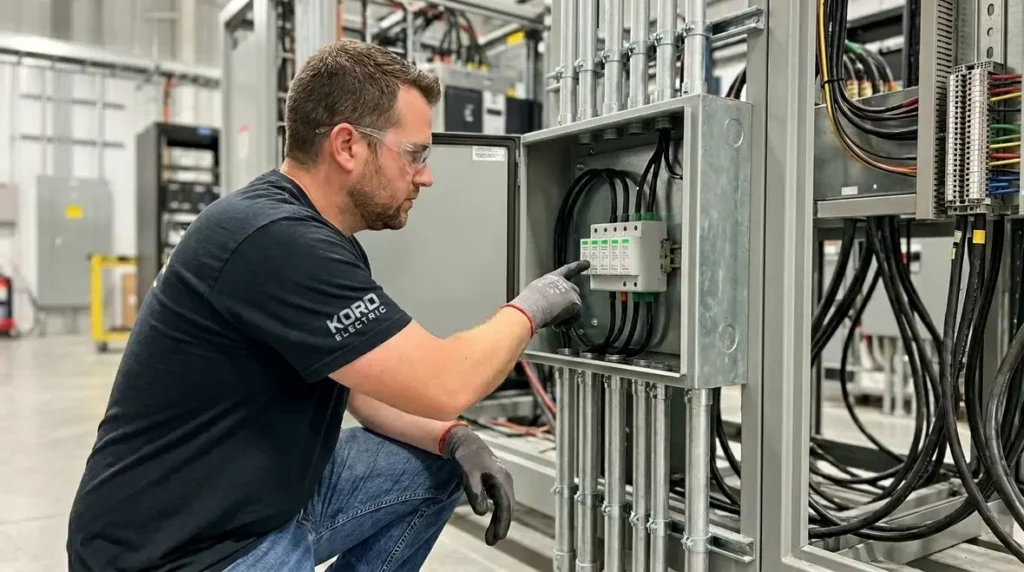
When disaster hits, lights flicker, servers freeze, and businesses start doing the modern equivalent of panicking in slow motion. At Kord Electric, we focus on emergency electrical power solutions that help commercial and industrial facilities stay operational when the grid cannot. Our team designs and supports critical power systems that keep life safety equipment running, protect data, and sustain day to day operations until utility service returns. And yes, we also explain the “why” behind every component, because surprise outages should never come with surprise confusion. Over the rest of this article, Kord Electric will walk you through disaster recovery for business continuity, using practical steps our experienced service staff uses every day in major property buildings.
What disaster recovery looks like for critical power
Disaster recovery in the power world means more than “we will have backup.” Instead, our approach starts with the reality that failure can arrive from many directions: utility outages, storm damage, generator fuel interruptions, water intrusion, or simple maintenance errors. Therefore, a solid plan ties together load needs, system design, and response timing.
First, the facility operator identifies what must keep running. Then, we map those loads to the right level of support. Next, we plan for how the system transitions from utility to backup. During this process, Kord Electric technicians talk through each decision in plain language, so others in the building team can understand it without needing an electrical engineering degree. If your current approach feels like flipping a coin, we replace that with a checklist that behaves like a grown up.
How Kord Electric engineers business continuity
When others ask how continuity works, we explain it as a chain. If any link breaks, uptime suffers. Kord Electric builds systems that keep that chain intact through design, installation, commissioning, and ongoing service.
Our experts consider the facility’s operational profile: production schedules, hospital like critical loads in certain occupancies, control systems, and telecom or data needs. After that, we prioritize emergency power paths that match risk. Then we verify that switching, protection, and coordination perform the way they should under real conditions.
Importantly, our service staff also prepares the operational side. They show building owners what to monitor, which alarms matter, and what a normal event looks like versus a problem. As a result, teams do not wait for “the electrician to fix it” like a pop quiz they failed yesterday. They respond with confidence.
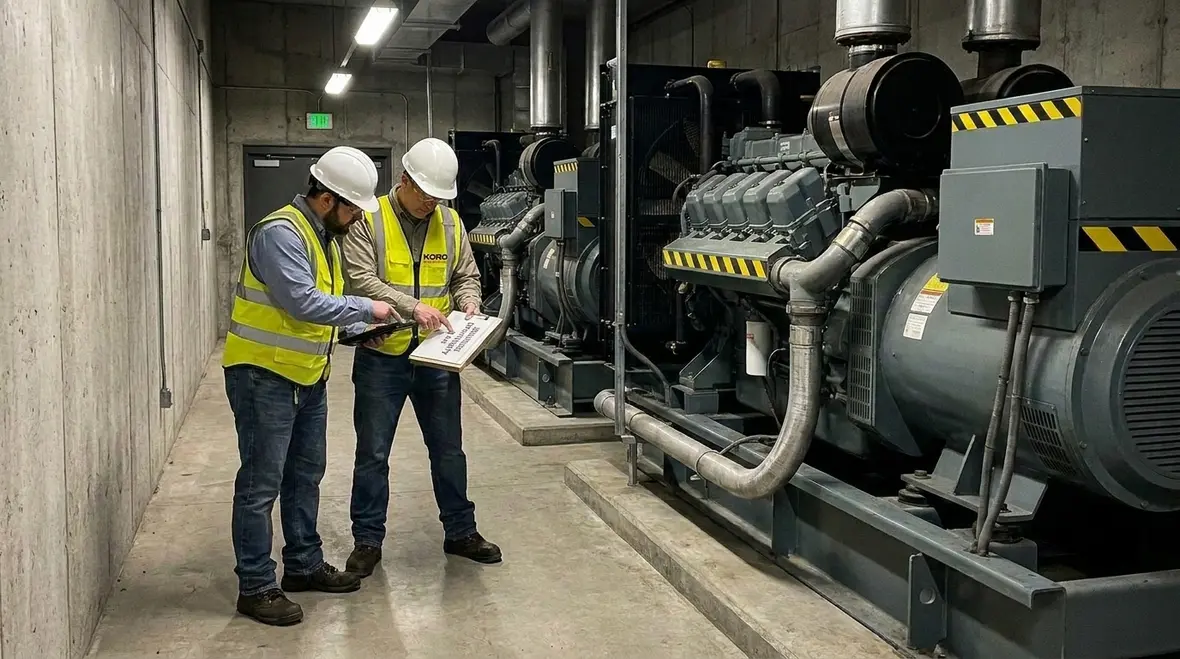
Emergency transfer and uptime timing
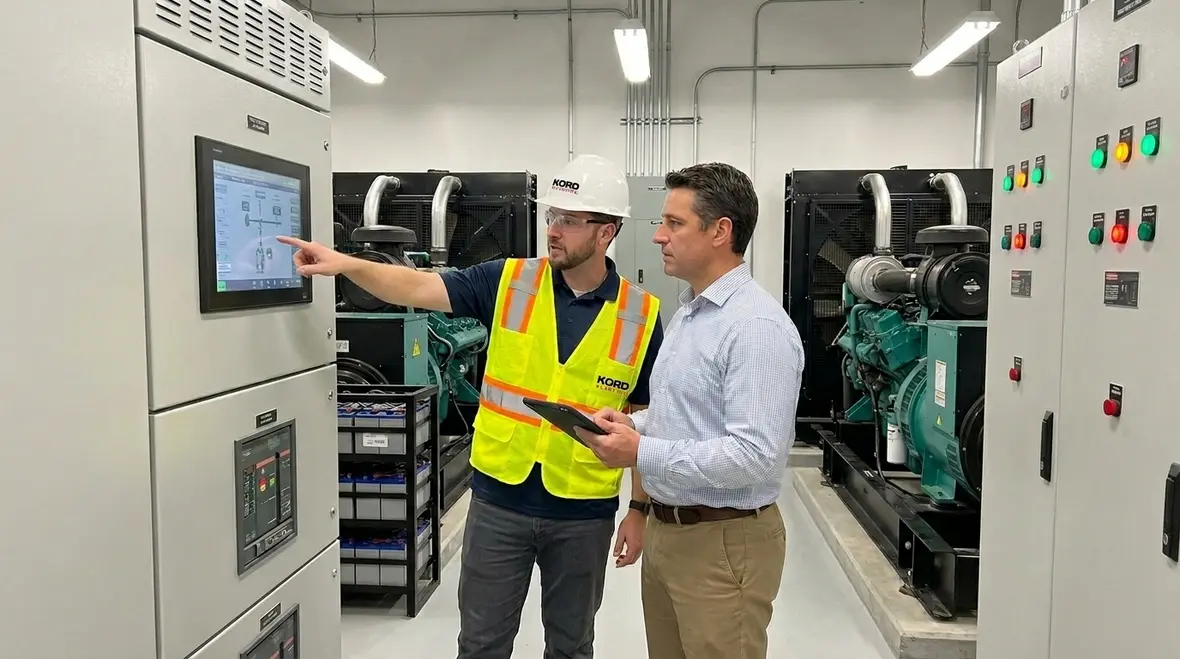
Even when a generator is ready, business continuity can fail if transfer timing is wrong or if the system does not sequence properly. Therefore, Kord Electric pays close attention to transfer methods, starting behavior, load steps, and protection settings.
At a high level, the system must move power from utility to backup without causing damage or drop outs. Meanwhile, the critical loads should receive stable voltage and frequency fast enough for equipment tolerance. In many commercial and industrial settings, some loads can ride through a short interruption while others cannot. So we design the plan to keep sensitive equipment safe.
Our technicians explain the logic behind sequencing and load management. For example, if the facility adds multiple large loads at once, voltage dips can cause nuisance trips. However, with proper staging, the system ramps in a controlled way. That is how emergency electrical power solutions stay dependable instead of merely present. And honestly, nobody wants “present power” if the equipment still goes down.

Fuel, batteries, and maintenance planning
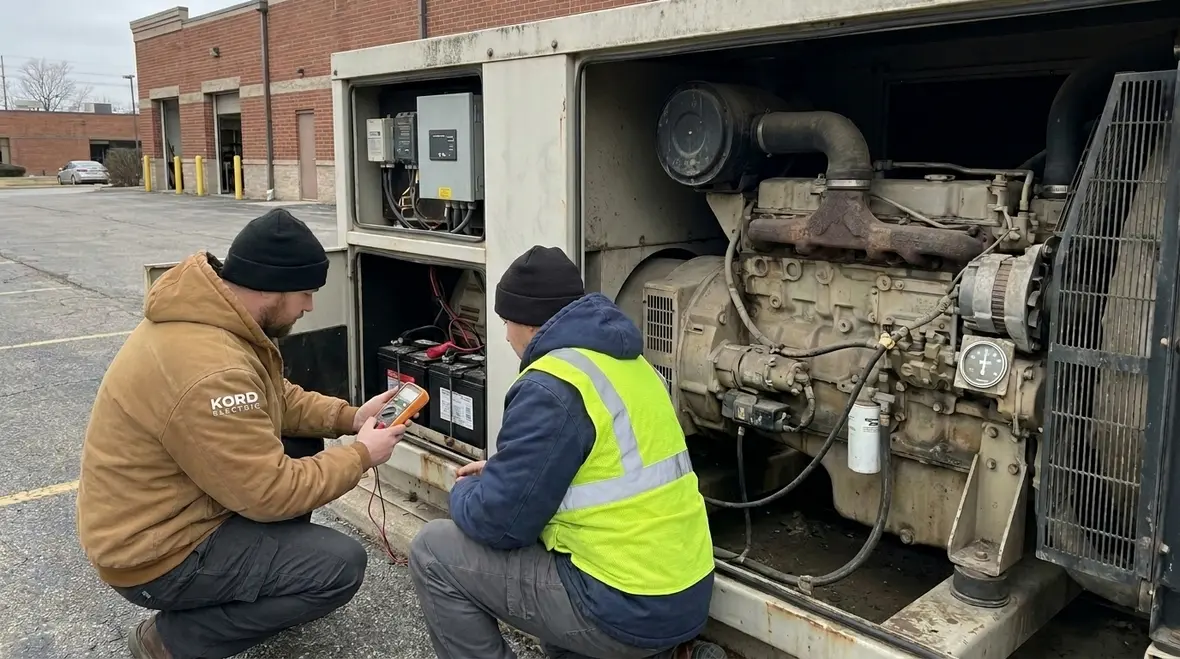
Backup power only helps if it can operate when it matters. So Kord Electric treats the entire power supply chain as part of disaster recovery. We look at generator run time, fuel storage, fuel quality, and site access for refueling. We also review battery systems for control power, UPS modules for sensitive electronics, and switchgear health for long term reliability.
Then comes the part people love to ignore until the night of an outage. Maintenance. A schedule with real checks beats a schedule with hopeful intentions. Our service staff verifies that components meet performance targets. They also confirm that protective devices function and that controls respond as expected.
Additionally, we help facilities plan for how maintenance overlaps with business operations. That means testing during safe windows, coordinating downtime, and documenting results so others in the building team can make decisions quickly. In the end, this reduces the chance that a disaster becomes a “surprise repair” event. For facilities that want to go deeper into structured inspections and testing, Kord Electric’s electrical preventive maintenance services create a long term framework for reliability.

Testing, drills, and what to log
Testing is where theory becomes truth. Kord Electric supports a practical testing approach that focuses on outcomes, not just checkmarks. First, we define the test goals: transfer performance, starting reliability, load pickup behavior, alarms, and runtime stability. Then, we run tests in a controlled manner and verify readings against expectations.
During and after each test, we help teams log key data. That includes transfer time behavior, generator start signals, voltage and frequency response, and any faults or warnings. We also capture what loads were active and what the system did in sequence. With this information, others can spot patterns early.
Moreover, drills matter. When leaders practice response steps, they reduce confusion and speed up action. Kord Electric encourages simple roles and clear communication. So if someone says “the power is weird,” the team knows exactly what to check first. Like training for a fire drill, but with fewer panicked memories of a smoke alarm battery that died in a dramatic way.
Real world continuity for commercial and industrial buildings
Large facilities face unique risk. Manufacturing sites rely on process control and motors. Office campuses depend on data, HVAC control, security, and elevators that must behave safely. Warehouses need refrigeration, conveyor operations, and fire systems that do not wait for a committee meeting.
Because the needs vary, Kord Electric builds systems that respect the facility’s load priorities. We also plan for redundancy where it matters most. Some critical systems may need uninterrupted support, while others can accept brief interruption. That is why a one size plan fails in many major property buildings. Therefore, we tailor design and service around the actual equipment lists and operating schedules.
To keep the plan realistic, our technicians also consider how the building will behave during long outages. For instance, emergency electrical power solutions must manage ongoing loads, not only startup. In addition, we plan for how maintenance teams can access controls and how alerts reach operators.
And while we never assume anyone enjoys paperwork, documentation is a lifesaver. Others can use it during stress, audits, or incident reviews. Kord Electric helps build those records so response stays calm, even when the outside world is loud. If voltage stability is already a concern in your facility, it may be worth pairing your continuity plan with targeted voltage fluctuation diagnostics so sensitive equipment stays protected before and during an outage.
How emergency electrical power ties into broader services
Critical power design does not live in a vacuum. It connects directly to how quickly skilled electricians can respond, how clearly systems are labeled, and how well your facility keeps up with changing electrical codes. When emergency electrical power solutions are backed by 24/7 emergency electrical services, recovery stops feeling like guesswork and starts feeling like a practiced routine.
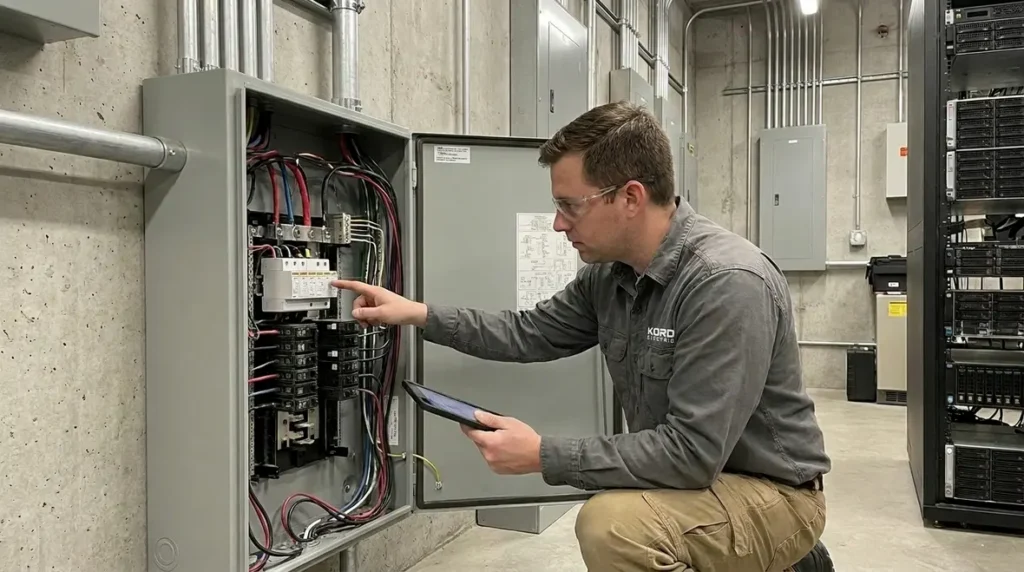
Clear panel schedules, labeled breakers, and organized distribution also matter when the lights go out. If your team needs to trace which circuits feed life safety gear, critical HVAC, or server rooms, organized labeling shortens every decision. That is why many continuity plans pair upgrades with disciplined panel labeling and preventive maintenance rather than treating them as separate projects.
For facilities across Southern California, tying these pieces together often starts with a regional view of risk. A continuity strategy for a coastal property may look different from an inland data center or a multi-building campus. Yet the goal remains the same: keep people safe, protect equipment, and make sure your next outage reads like a controlled event report instead of a mystery novel.
Designing for regional risk and major property buildings
Facilities throughout Los Angeles County face a mix of aging infrastructure, dense occupancy, and demanding operational schedules. That combination makes power continuity more than a convenience; it becomes part of core business planning. Whether you manage a single high rise, a manufacturing plant, or a multi site portfolio, the same questions apply: which loads must never drop, how will they be supplied, and who will own the response when something fails?
A practical starting point for many organizations is to align their continuity planning with a broader electrical service relationship. Partnering with a contractor who already understands your distribution, preventive maintenance history, and emergency procedures shortens both outage duration and investigation time. If your operations span multiple cities or properties, a unified plan also helps standardize expectations for local teams.
For businesses across the region, Kord Electric’s dedicated Los Angeles County electrical services support this bigger picture. From routine upgrades to emergency response, the focus stays on resilient infrastructure that holds up under everyday loads and rare but serious events.
FAQ
Conclusion and CTA
Disaster recovery with critical power is not a brochure topic. It is a daily reality for commercial and industrial facilities, and it requires planning, testing, and service that stands up under pressure. Kord Electric brings expert design thinking and dependable technician support, so your emergency electrical power solutions protect operations when the grid fails. If you want a continuity plan that others in your facility can actually follow, contact Kord Electric today for an assessment and a clear next step.
From structured testing programs and transfer system optimization to regional emergency response coverage, your facility does not need to face the next outage unprepared. A focused review of your critical loads, switching paths, and maintenance records can turn “we hope it works” into “we know what happens next.”
If you are ready to turn emergency power from a lingering worry into a documented, repeatable process, bring in a commercial electrical team that treats your power system like the backbone of your operations, not an afterthought tucked away in a mechanical room.