Emergency Power Systems for Business Planning
At Kord Electric, we help commercial and industrial facilities plan for the moments when the grid stops behaving. That is why our approach to emergency power systems for business starts with a clear goal: keep critical operations running long enough for your teams to respond, your customers to stay served, and your costs to stay contained. And yes, we know power outages never pick the perfect time. They always show up right when a system update is “totally harmless,” just like in every action movie. So we build plans around reality, not wishful thinking. From load studies to generator sequencing, our expert service staff lays out the requirements in plain terms, so leadership can make confident decisions and facility teams can act fast when the lights go out.
What business continuity demands from backup power planning
Business continuity does not mean “the lights stay on no matter what.” Instead, it means the business can keep key functions moving under stress. Therefore, the first job is to identify the what and the who. Which areas must run during an outage? Which teams need time to safely shut down? Which processes can pause without turning into a costly domino effect?
Next, decision makers need to know how long power must last. Some loads need seconds of ride-through. Others need hours. Additionally, the plan must match site realities like fuel access, space limits, and maintenance windows. When the plan is built wrong, the generator can run but the building still fails because controls, transfer equipment, or monitoring are not ready. Our technicians see this pattern often, and they explain it clearly because no one wants a “perfect” generator that cannot feed the right circuits.
How to assess emergency power load and runtime
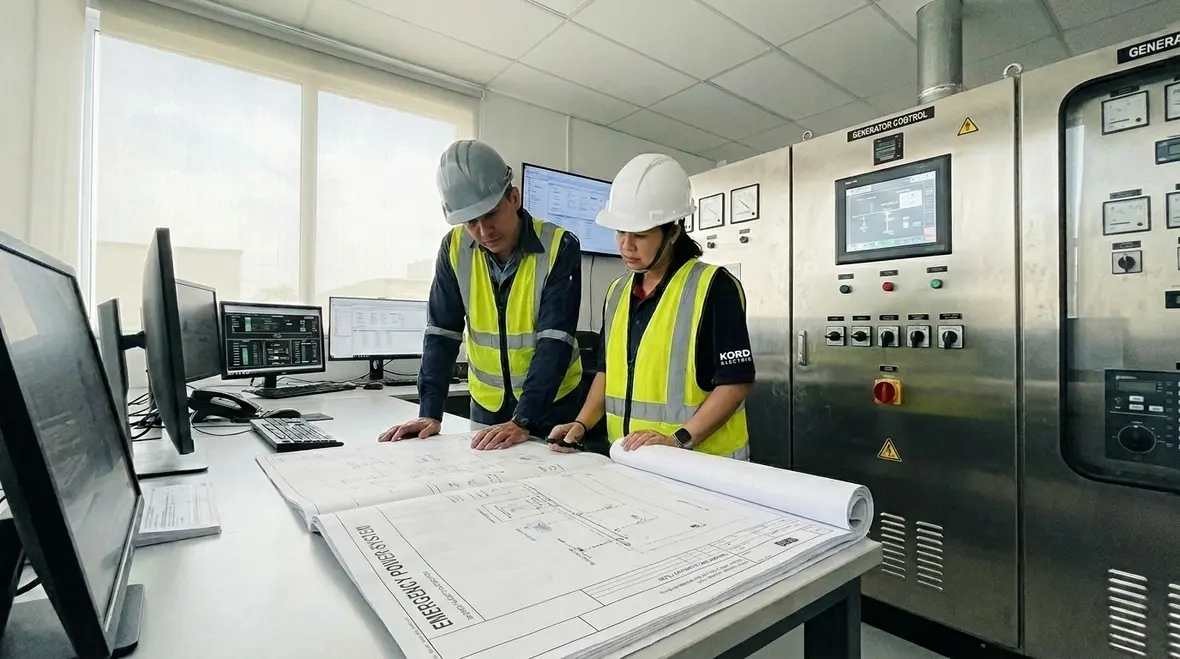
To size backup power correctly, we start with a load assessment that goes deeper than a quick guess. We review equipment lists, nameplate data, and how devices behave during startup. After all, motors and drives do not draw power like a light bulb. They spike, and that spike can push a system beyond its planned capacity.
Our expert service staff typically follows a structured process. First, we classify loads by priority. Critical loads include life safety, critical IT, process equipment, refrigeration, and any systems that prevent major damage. Then we identify starting loads and demand factors so the emergency system can handle the first chaotic seconds. After that, we confirm runtime needs based on outage scenarios: short interruptions, prolonged grid issues, or extended maintenance periods.
Finally, we translate the results into a practical design target for emergency power systems for business. We make sure the system covers continuous operation where needed, and we confirm that non critical loads either shed or delay so the system stays within safe limits.
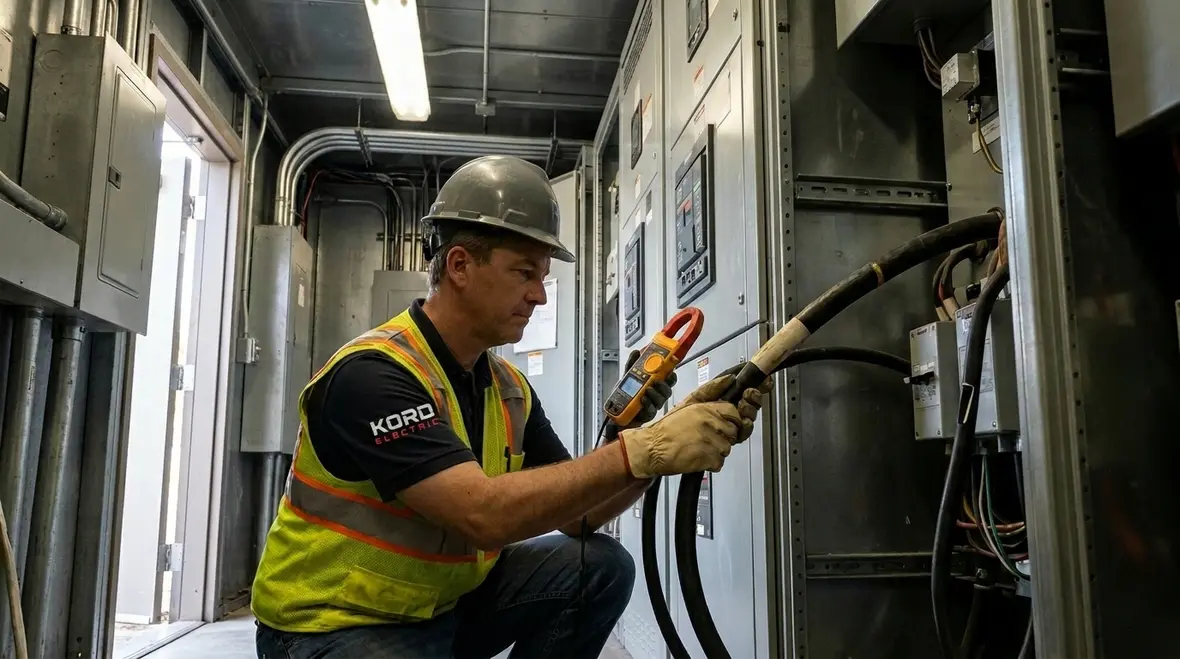
Emergency power system components that affect real performance
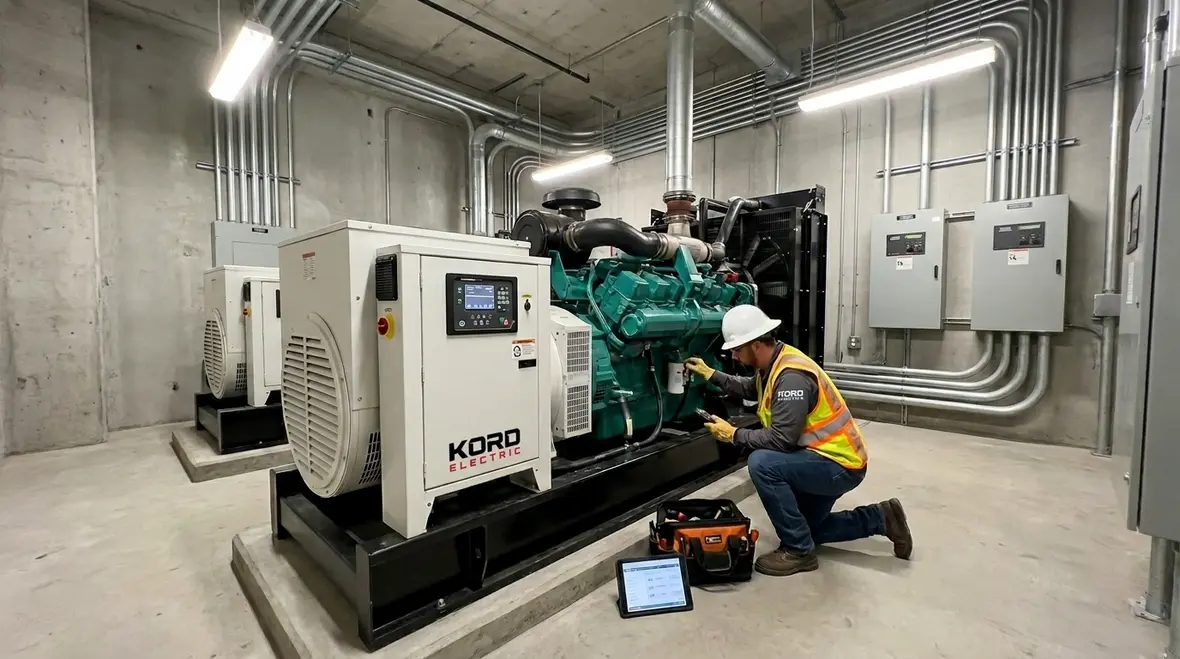
People often focus on the generator and forget the rest of the chain. Yet the chain is only as strong as its weakest link, and in commercial buildings that link is usually the interface between the generator and the load.
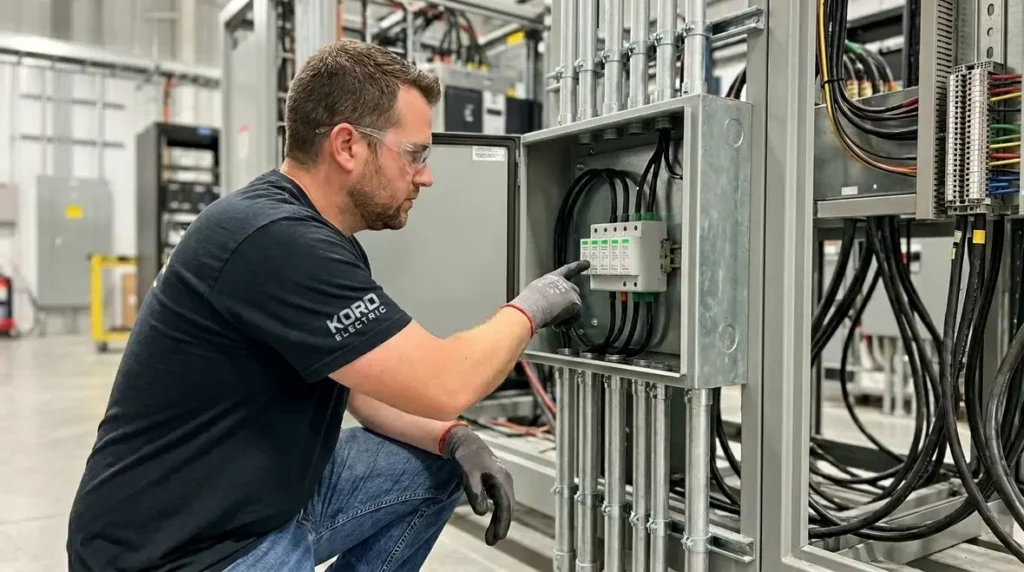
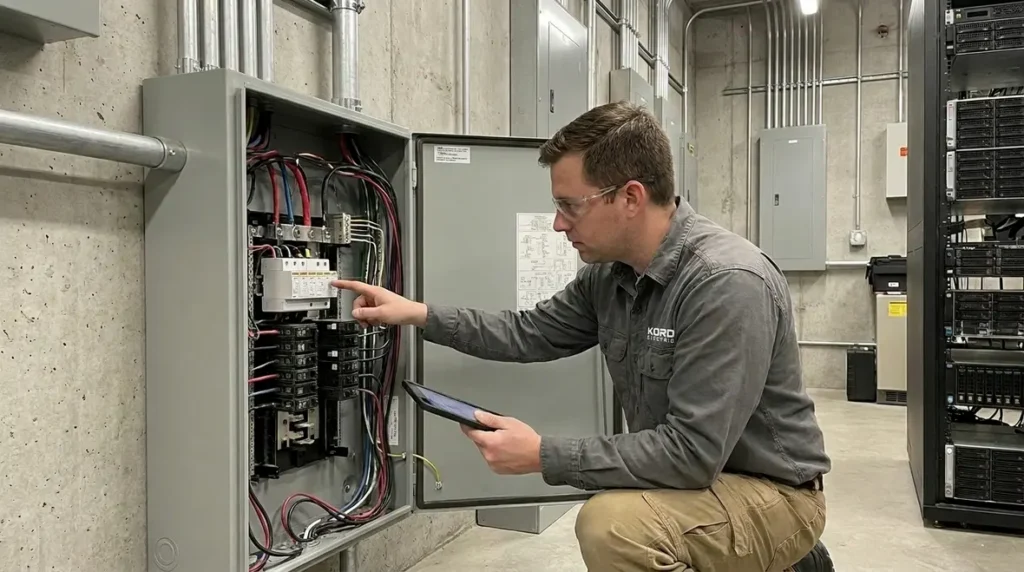
During assessment, we evaluate transfer equipment, switchgear, controls, and monitoring. We also review how protective devices coordinate during switching events. If transfer logic fails, equipment stays dark even when generation is available. If controls are misconfigured, alarms may flood staff while the real issue goes unnoticed. And if utility and emergency interlocks are not correct, safety risks rise fast.
At this stage, our technicians also check whether your facility uses synchronized systems, ATS configurations, or centralized control. They explain the choices in plain language, because “fail-safe” should mean more than a marketing phrase. In many cases, a well designed system with correct coordination performs better than a bigger generator with sloppy wiring and unclear sequencing. The building does not care how large the generator is. It cares whether the power reaches the right places at the right time.
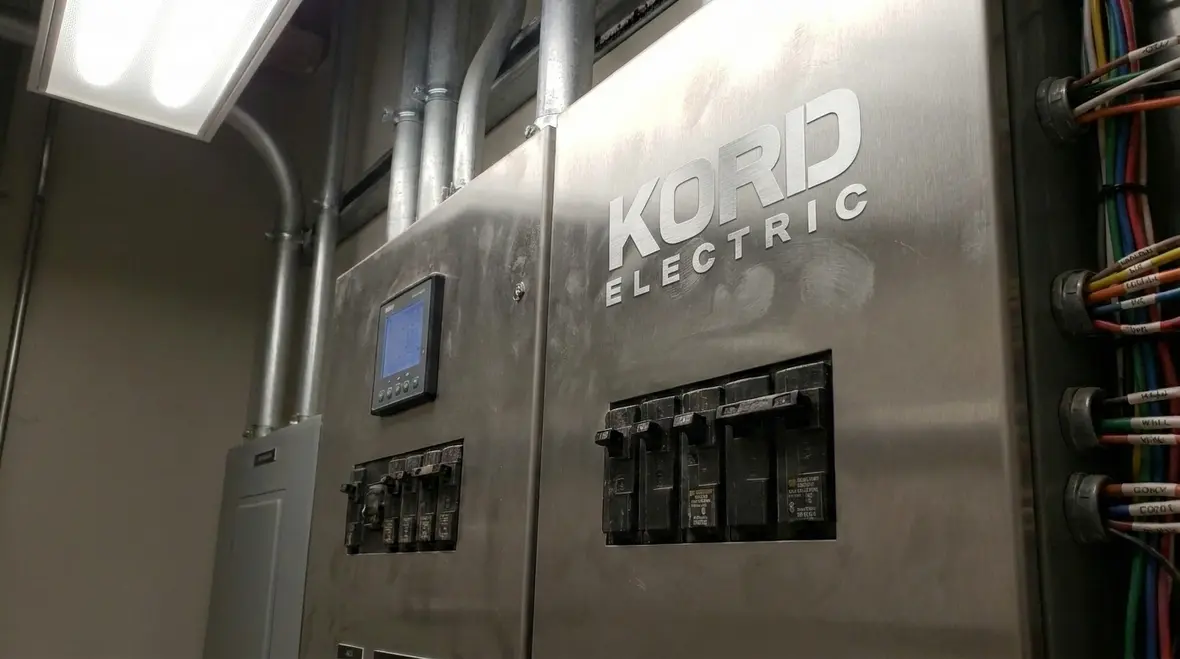
What preventive maintenance does for emergency readiness
Planning helps, but readiness lives or dies in maintenance. If equipment sits idle or runs inconsistently, it drifts away from its intended behavior. That is why our work on emergency readiness connects directly to our preventive maintenance approach.
As described in our electrical preventive maintenance service, Kord Electric supports ongoing checks that help equipment stay reliable. We align maintenance routines with the reality of emergency systems: components must start, transfer, and stabilize correctly when called. Therefore, we do not treat generators and switchgear as “set and forget.” We verify operation, inspect key components, and keep systems ready for the moment they matter.
We also help clients document what they tested, when they tested it, and what results they saw. That matters for audits, insurance questions, and internal accountability. Besides, it makes troubleshooting faster when someone calls at 2:00 a.m. saying, “We think it is the generator.” Then everyone stares at the panel like it is going to apologize.
Testing and commissioning for confidence during outages
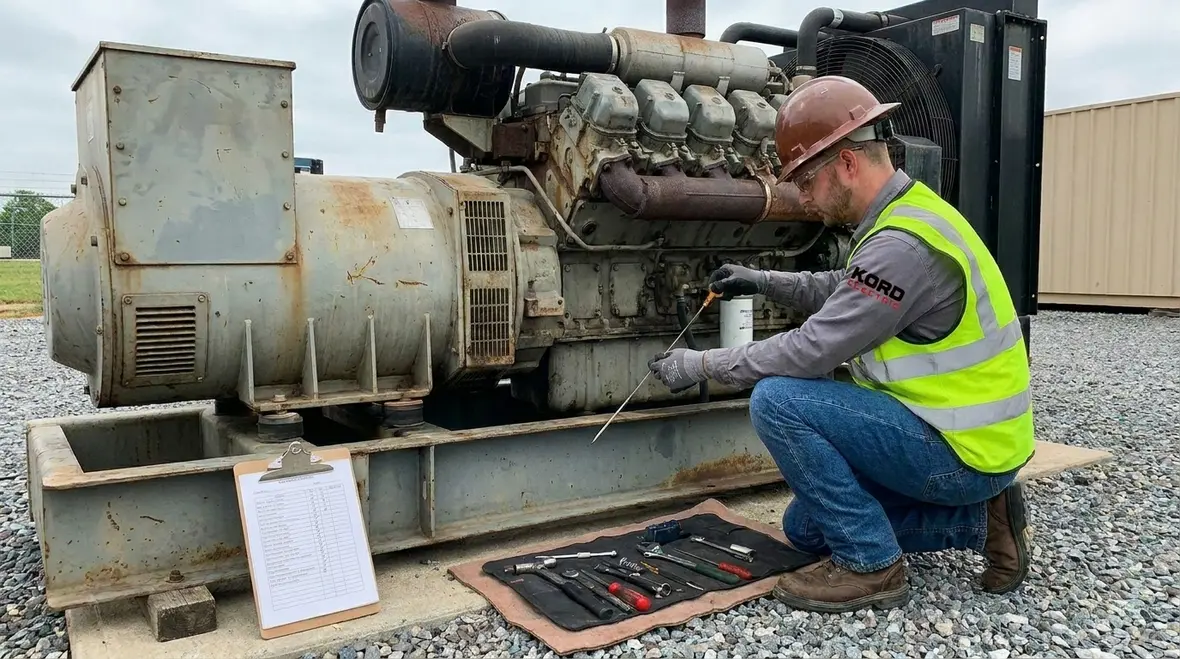
Even a well built system can fail if testing and commissioning are missing or rushed. Testing does not need to be chaotic. It needs to be planned, measured, and repeated under realistic conditions.
In our process, we help facilities confirm sequences, timing, and load behavior. We check that transfer occurs smoothly. We verify that critical equipment starts as expected. We observe alarm behavior so staff receives clear signals, not a confusing list of warnings that reads like a sci fi screenplay.
We also coordinate with facility operations so testing does not disrupt production. When a business runs 24 7, we schedule tests around operational needs. Then we track results and adjust control settings if needed. This is where emergency power systems for business stop being a drawing and start being a dependable tool.
Emergency power planning for industrial risk and complex facilities
Commercial and industrial facilities face different risks than standard office buildings. A plant may have large motor loads, sensitive controls, or process steps that cannot simply “wait.” A major property building may include multiple wings, shared mechanical systems, and complex life safety needs.
So, for industrial and major property settings, we tailor the plan. We map critical processes and the equipment that keeps them safe. We also consider how downtime affects safety systems, water treatment, fire pump operation, and industrial controls. In some facilities, we recommend load priority design that prevents overload during switching and startup. In others, we help align generator performance with voltage, power quality expectations, and equipment tolerance.
And because reality includes people, we also advise on response roles. Who checks what first? Who confirms critical circuits? Who communicates with vendors and building leadership? Our technicians often find that the best emergency plan fails if roles are unclear. Therefore, we encourage a practical run book that teams can follow when stress rises and clarity drops.
Common mistakes facilities make during backup power planning
Many facilities spend money on gear and then lose performance through avoidable mistakes. For example, they skip load study details and assume connected load equals required emergency load. They also overlook startup surges, which can lead to nuisance shutdowns or unstable output. Another common issue is incomplete circuit selection, where critical loads get missed because someone assumed “it is on the list.”
Some teams also fail to consider fuel readiness. For long runtime scenarios, fuel strategy needs to be realistic, documented, and maintained. Additionally, they neglect the system user experience. If alarms are not clear, staff wastes time chasing ghosts. If monitoring is missing, leadership has no idea whether the system performed properly.
At Kord Electric, we address these issues early in the design and planning stage. We explain the reasoning and the tradeoffs, and our expert service staff helps clients avoid the classic trap of buying power they cannot deliver. In other words, we make sure the plan matches the site, not just the equipment catalog.
How emergency power planning supports long-term electrical strategy
An effective emergency power strategy rarely lives alone. It connects with broader electrical goals like system reliability, code compliance, and planned upgrades. In many facilities, the same discussions that shape generator sizing and load priorities also inform whether panels, feeders, and protective devices are ready for the next decade of operation.
That is why many organizations pair emergency planning with structured maintenance programs and periodic system upgrades. A facility that has already invested in reliable distribution, clear panel labeling, and voltage stability gains more value from its emergency power systems for business because the rest of the infrastructure can actually use that power effectively.
For multi-tenant properties, campuses, and industrial sites, we often coordinate emergency power discussions with broader planning around services such as Los Angeles County commercial and industrial electrical services. This helps leadership see how backup power, everyday reliability, and long-range capital planning all fit together instead of competing for attention.
FAQ
Ready to strengthen continuity with the right emergency power plan
If your commercial or industrial facility depends on continuous operation, Kord Electric can help you assess emergency power requirements with a clear, practical process. We evaluate critical loads, runtime needs, system components, and testing readiness, and then we support the plan with preventive maintenance and expert guidance. For facilities that also want a broader reliability strategy, our team can connect emergency planning with ongoing services like electrical preventive maintenance and 24/7 emergency electrical support so your infrastructure is ready for both everyday operation and worst-case events.
Contact us to schedule a consult, and let our technicians map a solution your team can trust during real outages, not just during calm, electricity filled afternoons. Whether you are refining an existing plan or building your first comprehensive strategy for emergency power systems for business, we help you turn backup power from a question mark into a dependable asset.
To explore how emergency planning fits into a full-service electrical approach for your property, you can also review related offerings such as our dedicated emergency response and reliability services for commercial and industrial facilities throughout the region.