EV Charger Fleet Management for Commercial Growth
At Kord Electric, we help commercial and industrial teams scale up their ev charger fleet management without turning parking lots into science experiments. In the real world, sites change, usage grows, and electrical limits stay the same until someone upgrades the system. That is where we step in. We build charging infrastructure plans that grow with your demand, manage power in a smarter way, and keep chargers available when your tenants, employees, or fleet drivers need them most.
Now, others may bolt on a charger and hope for the best, but that is not our style. Instead, we manage the full setup, from site power checks to control behavior, so your commercial operation stays steady. And yes, we promise your electricians will not speak in riddles. Our technicians explain what they are doing in plain language, step by step, because clarity beats confusion every time.
Scaling EV charging for real commercial fleets without chaos
When a business adds more vehicles, the charging plan must keep up. Otherwise, the site looks fine on day one and then behaves like a rushed traffic light on day thirty. In our experience at warehouses, office campuses, and multi tenant buildings, scaling fails for three common reasons: power capacity was estimated too loosely, charging controls were not configured for the site, and maintenance routines were not planned from the start.

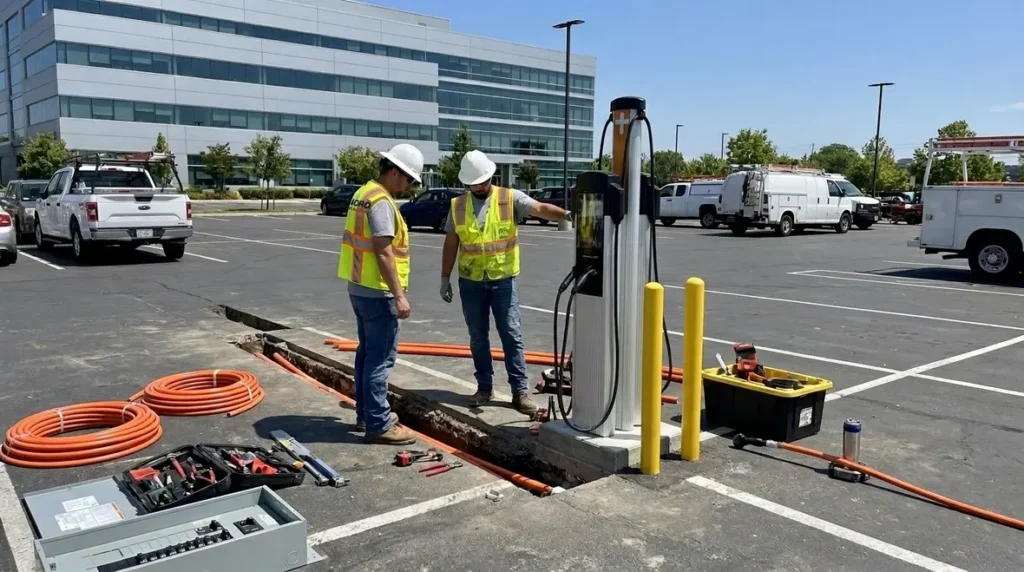
We design systems with growth in mind. First, we assess the facility’s electrical baseline. Then, we map charger placement and cable runs so future additions do not require expensive rework. Next, we set up fleet level controls so chargers cooperate rather than compete. Finally, we train your team on how the system behaves during normal and busy periods.
That last part matters more than people think. When fleets expand, drivers and site staff should understand expectations: how charging priority works, what happens during peak use, and why the system may pause a charger briefly to protect the electrical service.
What we measure before we install more chargers
Let us be specific. Before we add capacity, our experts look at site electrical performance, load profiles, and available headroom. We review panel schedules, transformer ratings, and any existing power management equipment. Then we examine the pattern of energy use across the day and across seasons.
Because commercial and industrial sites rarely operate at one steady load, we also consider how charging interacts with other loads like HVAC, production equipment, elevators, and nighttime cooling. As a result, our approach helps prevent sudden demand spikes that can stress equipment or cause nuisance alarms.
Importantly, we plan around power quality issues too. If a site experiences voltage fluctuations, the charging system must handle it. Our team references the realities we cover in our guide on voltage fluctuations in commercial and industrial facilities, because stable performance is not only about amps. Voltage stability affects how chargers control power, how components respond, and whether the system maintains reliable uptime.
And here is the part people laugh about until it happens: electricity does not care about your deadlines. It only cares about physics. So we verify conditions before we scale, not after.
How voltage stability impacts charging uptime
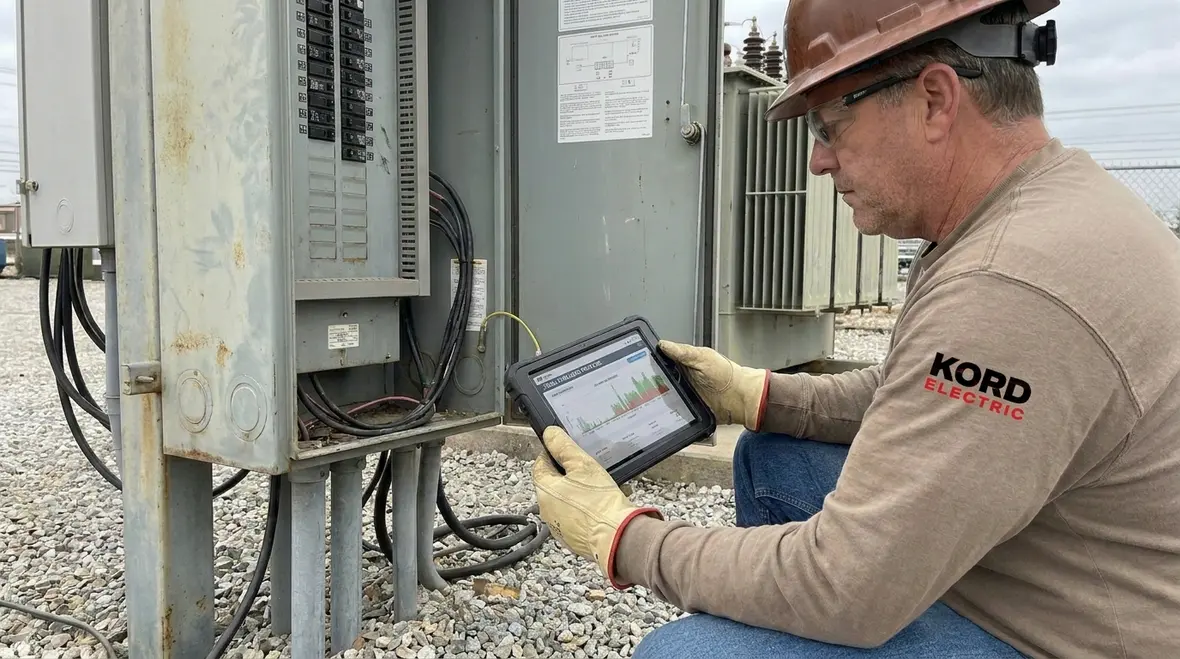
In many commercial buildings, voltage is not a constant. Load cycling, long feeder runs, and utility conditions can create swings that impact sensitive equipment. When voltage drops too far, chargers can reduce output or pause. When voltage rises, some systems may derate or log events. Either way, it can disrupt charging and create complaints that sound like: “The charger is on, but it will not charge.”
Our technicians treat this like a diagnosis, not a guess. We look at the site’s electrical behavior and align the charger settings with what the facility can support. Where needed, we coordinate with electrical upgrades such as improved feeders, transformer capacity adjustments, or power conditioning solutions. Then we test the system under realistic conditions so performance matches the promise.
We also set expectations for how the charging fleet should behave. During busier periods, the system may shift power among chargers, which can look like inconsistency from a user perspective. However, it protects your equipment and reduces the chance of repeat trips or service calls. In other words, we keep the system stable first, and comfort second.
Our service team often explains it this way for facility managers: the charger is not a vending machine. It is a coordinated load. And coordination is what stops the “everything at once” problem.

Designing charging layouts that make future growth easier
Scaling is not only about electricity. It is also about layout decisions that affect cost, safety, and future expansion speed. So we plan charger placement with commissioning in mind, not just initial convenience.
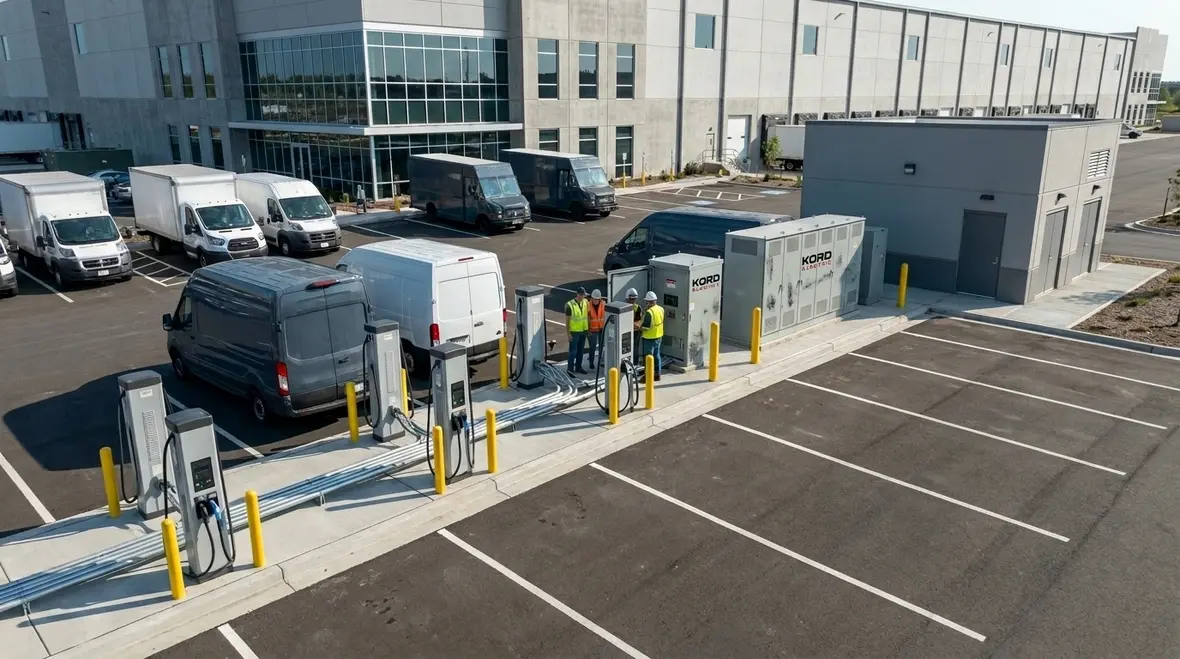
In practical terms, we evaluate parking flow, cable routing, access for maintenance, and protection from vehicle impact. We also consider how drivers will use chargers at different times. For example, a fleet that charges primarily at night has different needs than a campus that sees daytime turnover.
When we design for scale, we also design for service. That means clear labeling, accessible equipment rooms, and maintenance paths that allow our technicians to replace components without shutting down the entire site. As a result, we reduce downtime and keep the operational experience smooth for the people who rely on charging daily.
We make the system easy to manage too. Fleet teams need visibility, and property managers need predictable behavior. So we set the framework for ev charger fleet management to control output, manage charging priorities, and support added chargers without starting from scratch.
Real fleet management: controls, scheduling, and priorities
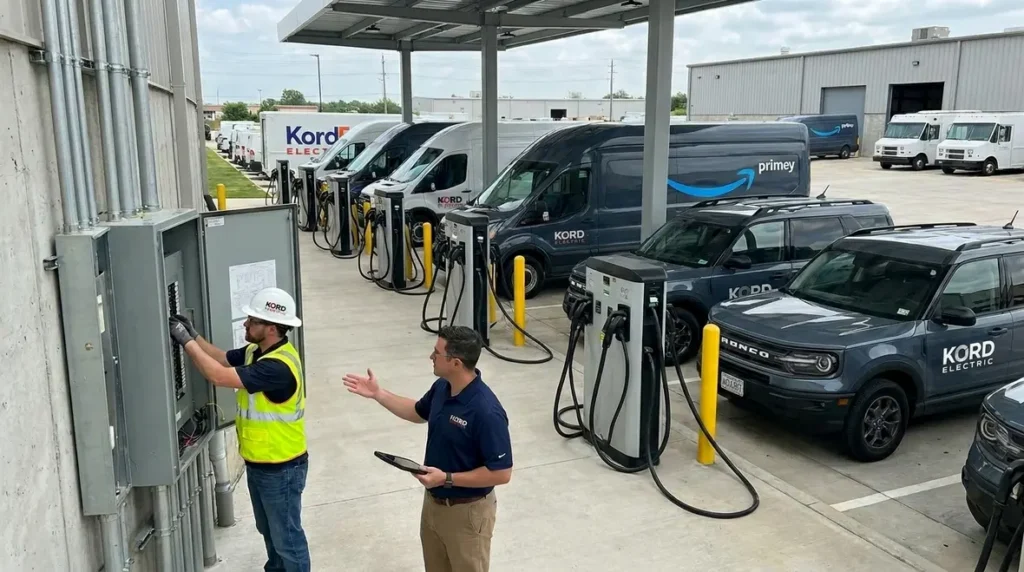
Once chargers are installed, the next challenge begins: running them like a team. That is where ev charger fleet management comes into play. We configure controls so chargers share available power, respect site limits, and follow your business rules.
We often see sites where chargers were added gradually and each new unit assumed it would have full capacity. That assumption breaks when multiple vehicles arrive at the same time. Instead of fighting for attention, we coordinate charging so the system balances loads across the network.
We help you set priorities by role and need. For instance, essential fleet vehicles can receive priority during peak windows. Meanwhile, other vehicles can charge at lower rates or during off peak periods. Additionally, we support schedules that align with facility operations, such as production shifts or turnarounds at distribution centers.
Now, let us say it plainly. If your system does not understand when and how to charge, your drivers will “test” it. That testing creates peak demand. Then you get the exact problem you wanted to avoid. Our approach prevents that by setting policies up front, then tuning them as your usage changes.
And yes, our technicians will explain the logic behind these settings. They do not just say, “It is configured.” They show you what the system does and why, because leadership should never have to guess.
Keeping chargers reliable with a service plan
Commercial and industrial customers want uptime. They also want a maintenance process that makes sense. So we build a service routine around what actually wears out in the field, not what sounds good on a proposal.
Our expert service staff checks key components, inspects connections, verifies power readings, and reviews event logs. Over time, that builds a history we can use when chargers behave differently than expected. As a result, we catch issues early rather than waiting for the day someone pulls up with a dead battery and a worried expression.
We also plan for scaling service needs. As the charger count grows, response times and spare parts planning must grow too. So we align staffing and maintenance scheduling with your site profile. For large property buildings and multi location operators, we can coordinate procedures across sites so the experience stays consistent.
And if you worry about downtime, you should. Nobody enjoys parking lot “customer service,” especially when it is really a hardware issue. We manage that risk by planning service windows, documenting changes, and maintaining a clear communication path.
Advanced planning for property and fleet growth
Large commercial property teams and fleet operators rarely expand in a neat straight line. A new lease arrives. A tenant adds vehicles. A site upgrades equipment. Suddenly, the charging network that worked last year needs a rethink.
We support advanced planning by treating ev charging as an evolving system. That means we map how future expansion can use existing infrastructure, where we should add capacity, and which upgrades make the most sense at each growth step. We also consider long term electricity planning so your investment stays future proof for foreseeable demand.
Additionally, we coordinate charging network behavior with site electrical realities. If a property experiences voltage instability, we address it rather than ignoring it. If a site has peak demand pressure, we manage charging priorities and scheduling. If a facility needs a predictable user experience, we standardize behavior across chargers.
In short, we help others avoid the expensive trap of “add more chargers and hope.” Instead, we build a controlled scale up that supports commercial and industrial performance.
For property teams that want to go deeper on phased infrastructure and load planning, our related guide on EV charging infrastructure scalability for commercial sites shows how we structure build outs around real demand and electrical limits.
FAQ
Conclusion
If your commercial or industrial site plans to add vehicles, Kord Electric helps you scale without surprise downtime. We plan power, design layouts for growth, manage charging priorities, and support the network with expert service. Our technicians explain the system in clear terms, so your team understands what is happening and why. If you are ready to grow your charging fleet the smart way, contact Kord Electric today and let us build a controlled path from day one to tomorrow’s demand.
To turn that plan into action, explore our dedicated EV charger installation services for commercial and industrial properties. We connect design, installation, and long term performance so your ev charger fleet management strategy is backed by infrastructure that is built to last.