Facility Electrical Hazard Identification Guide
Facility Electrical Hazard Identification: what we watch for first
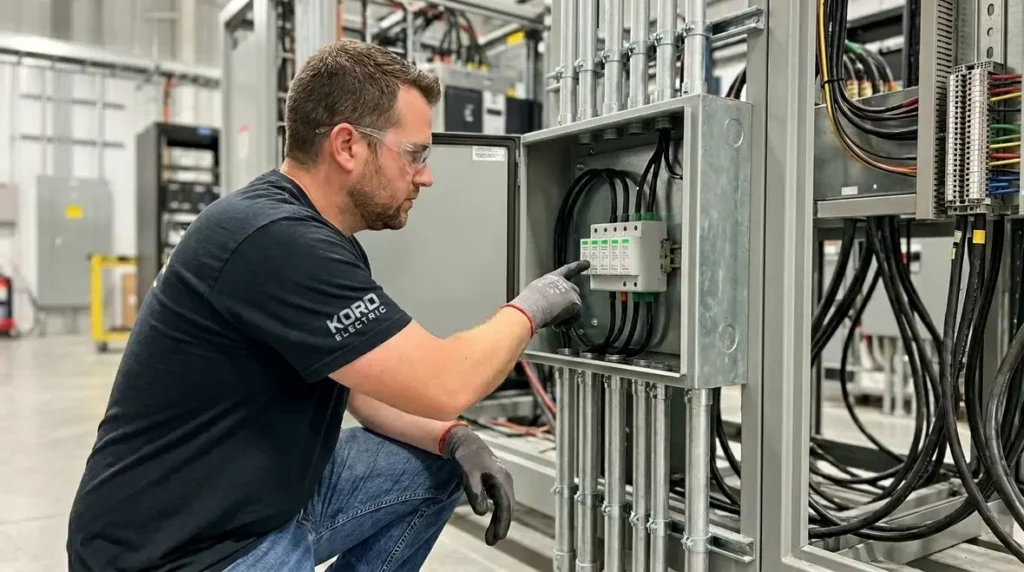
In every commercial or industrial site we support, facility electrical hazard identification starts before anyone swings a wrench. Our team looks for the patterns that lead to trouble: worn insulation, loose terminations, hidden moisture, overloaded panels, and poor grounding that turns a minor fault into a major outage. At Kord Electric, we treat these risks like a safety inspector treats a flickering exit sign. You do not ignore it, even if the building “seems fine” today. Because in the real world, the best time to prevent an electrical incident is before it becomes a headline.
And yes, we have heard the jokes. Someone always says, “It’s not broken, it is just… dramatic.” Yet industrial facilities do not need drama. They need reliable power, clear labeling, and safe conditions that hold up under real production schedules.
Common electrical hazards in industrial facilities to avoid

When we speak with facility managers and EHS teams, we often see the same hazards repeating across plants, warehouses, and large commercial buildings. First, we address the hazards that cause shocks, fires, and shutdowns. Then, we connect them to the failure points we see during inspection and preventive work.
Below are the most common issues we help others avoid, and how they show up in everyday operations.
- Moisture and contamination: Water intrusion in junction boxes and switchgear increases leakage current and corrosion, especially around cables, conduits, and cabinet seams.
- Loose connections: Thermal cycling in industrial environments works like an uninvited drummer. Tight bolts loosen over time, creating hot spots that can ignite wiring insulation.
- Overloaded circuits: Facilities add equipment, and loads creep upward. Without updated load calculations, panels operate above safe limits.
- Damaged or degraded insulation: Aging insulation, rodent damage, vibration, and chemicals reduce dielectric strength.
- Incorrect fusing and bypassing: Improper protective devices or temporary workarounds can defeat the purpose of the protection system.
- Poor labeling and undocumented changes: When others cannot trace circuits quickly, troubleshooting delays can raise risk and downtime. For a deeper dive on this, you can also review our Electrical Panel Labeling Best Practices Guide.
To keep things calm and clear, our technicians explain the “why” during service visits, not just the “what.” That approach helps facility teams make smarter decisions after we leave, because electrical safety does not pause when the job ends.
How preventive maintenance prevents shocks, fires, and shutdowns
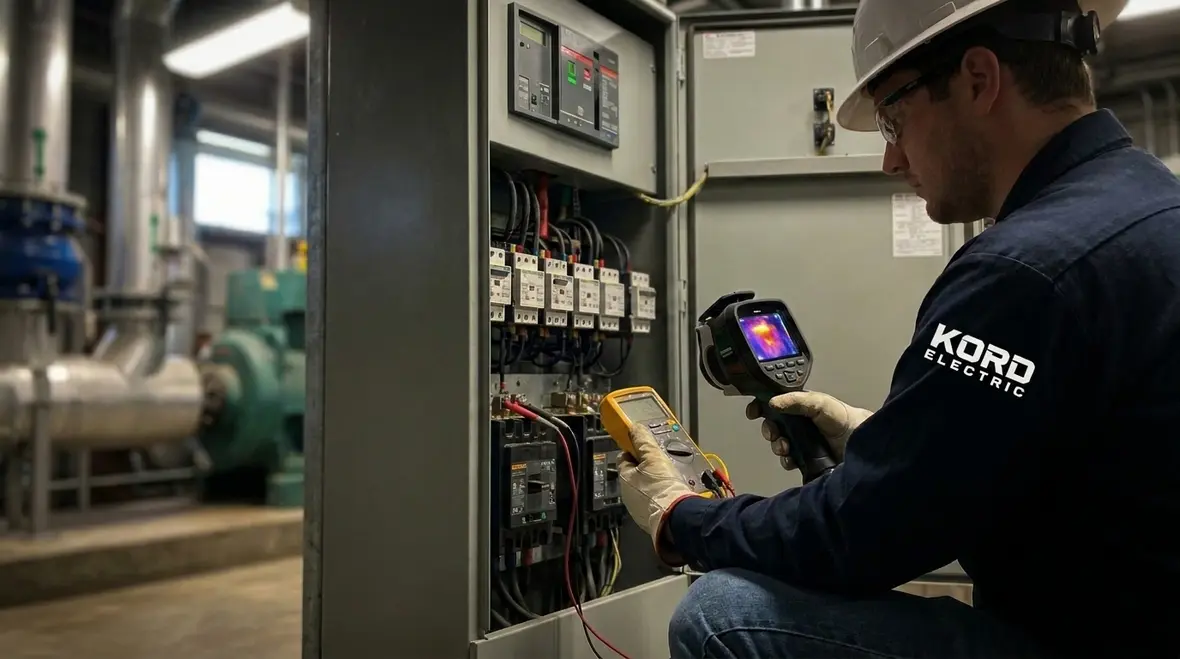
Most electrical failures do not arrive out of nowhere. They build. And then, they escalate when heat, vibration, and load changes push a borderline condition past its limit. That is why we align our work with the logic behind electrical preventive maintenance and we follow practical steps tied to the real risks in major properties.
In plain terms, our process helps others catch problems while they are still small. We inspect, test, and correct conditions that could lead to shock hazards, overheating, or failure of protective systems. Over time, this reduces surprise downtime, protects equipment, and supports safer daily operations.
Our expert service staff also takes a “site understanding” approach. We ask how power flows, when equipment runs, and where the facility adds new loads. Then, we tailor recommendations for commercial and industrial settings. If you own or manage a large facility, you already know downtime costs more than most people budget. So we focus on the work that keeps power steady.
For facilities that want to turn this into a structured program, you can explore our dedicated Electrical Preventive Maintenance service, which is designed specifically for commercial, industrial, and government properties.
Where hazards hide: panels, switchgear, and cable routes

Industrial sites love corners. Electrical hazards do too. They show up in places that get overlooked during routine walks, especially when work is happening at night, under production pressure, or during shifts where no one wants to “stop the line” for inspections.
Here is what our technicians typically spot when they examine panels, switchgear, and cable pathways.
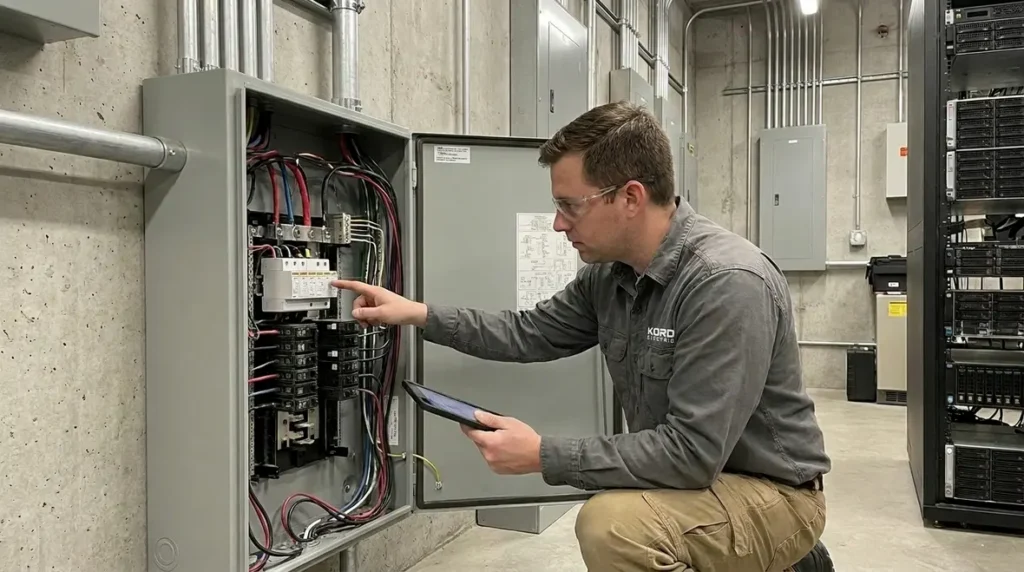
- Inside switchboards and MCCs: We check for overheating marks, damaged bus connections, uneven torque patterns, and signs of moisture ingress.
- Panel interiors: We look at conductor condition, breaker condition, and the quality of terminations. If someone rushed a connection, heat usually tells the story.
- Cable trays and conduits: We identify areas where abrasion, bending stress, or chemical exposure can weaken insulation.
- Penetrations and seals: We confirm that where cables enter enclosures, seals and fittings stay intact. Otherwise, water and contaminants get in like an uninvited guest who never RSVPs.
- Grounding paths: We verify continuity where equipment relies on grounding for safe fault clearing.
Then, we help others move from observation to action. Our team explains which findings are urgent, which are trending, and which can be planned without disrupting operations. That is where people appreciate our pace. We do not rush, and we do not leave loose ends.
Safe work practices during maintenance and upgrades

Even when the wiring is sound, work practices can create hazards. During maintenance, upgrades, and temporary repairs, electrical risk increases because systems get opened, circuits get moved, and verification gets skipped. We see it across commercial and industrial buildings, especially when schedules tighten.
So we push for safe, repeatable methods. Our technicians emphasize clear steps, proper testing, and tight control of who works where and on what.
- Deenergize and verify: We make sure equipment is not only turned off, but also tested to confirm absence of voltage before anyone touches conductors.
- Lockout and tagout discipline: We support procedures that reduce accidental energization, even when someone thinks they “know the switch.”
- Use correct test equipment: Tools must match the task. We calibrate and verify as needed so results stay credible.
- Protect against arc flash risks: We evaluate working conditions and help implement appropriate controls and PPE.
- Document changes: When work updates circuits, we ensure others can trace what changed and why. This reduces future confusion and prevents repeat mistakes.
To keep the mood light while staying serious, we tell clients: electricity does not care if you are wearing a hard hat and feeling confident. Confidence is great. Verification is better. And written records? Those are the superhero capes that prevent the next person from walking into a problem blind.
Field testing and documentation that stand up in the real world
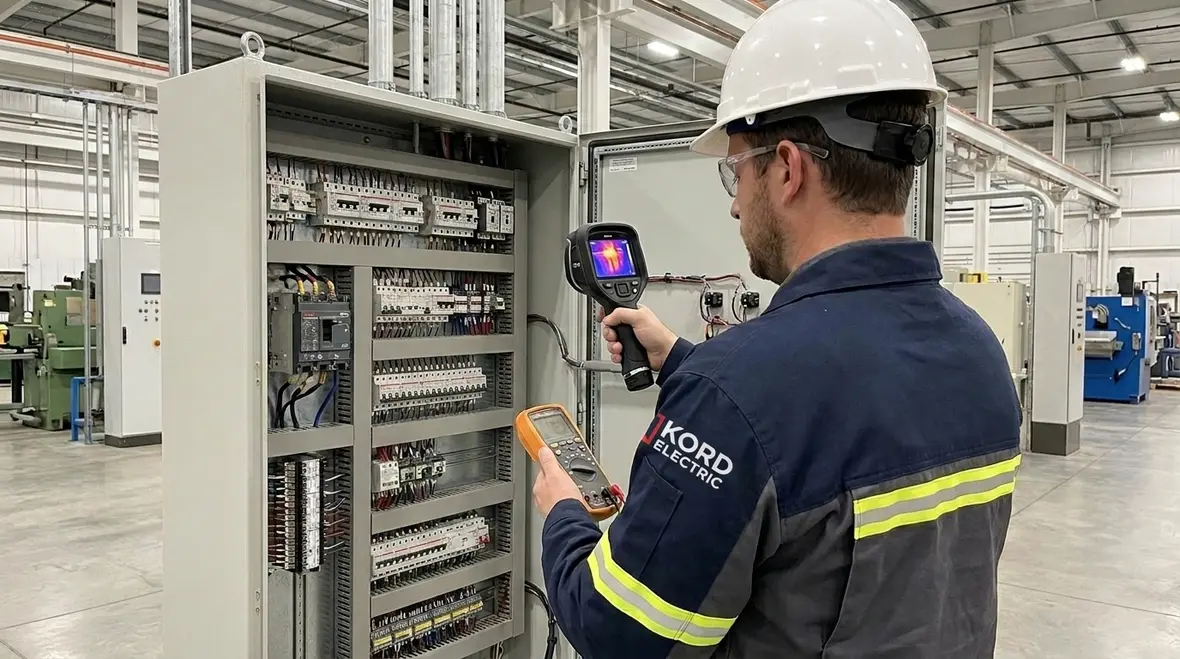
After we identify hazards and check unsafe conditions, we move to verification. Testing matters because it turns suspicion into evidence. It also supports better planning for repairs, replacement, or targeted updates.
Our expert service staff commonly uses practical testing and inspection methods that align with site conditions. Then, we compile results in clear documentation so facility teams can act quickly.
In many cases, we focus on:
- Thermal indicators: We help locate hot spots that can point to loose connections or overload issues.
- Continuity and grounding checks: We confirm protective pathways work as intended.
- Insulation and cable condition reviews: We evaluate the health of insulation so others avoid failures that look “random” until they are not.
- Load and panel condition context: We connect findings to real usage patterns and equipment schedules.
Because industrial facilities run 24 7 in many sectors, the documentation must also be usable. We explain results in a business friendly way, so decision makers understand risk without needing to memorize a textbook. And importantly, we provide follow-up recommendations that support ongoing electrical preventive maintenance, not just a one time report that gets filed and forgotten.
FAQ
Conclusion and call to action
If your facility runs on uptime, you cannot afford guesswork. At Kord Electric, we perform facility electrical hazard identification, support electrical preventive maintenance, and help your team reduce shock and fire risks with clear findings and practical action steps. Our technicians and expert service staff take the time to explain what matters and why, so decisions feel confident, not rushed. If you want a safer electrical system and fewer surprise shutdowns, contact Kord Electric today and schedule an assessment for your commercial or industrial property.
If you are also planning system upgrades or long term reliability improvements, you can pair hazard identification with our broader services, including structured Electrical Preventive Maintenance programs and project work such as Recessed Lighting Installation or other commercial and industrial electrical services tailored to complex facilities.