Facility Electrical Infrastructure Assessment Guide
At Kord Electric, we often start with one simple goal: help a facility stay stable, safe, and efficient long before a problem turns into a shutdown. That is why we guide owners through a Facility Electrical Infrastructure Assessment, using our experienced technicians to review how power moves through the building, where it strains, and what it will likely struggle with next. In other words, we do not wait for the lights to flicker like they are auditioning for a horror movie. Instead, we plan ahead, document conditions, and prioritize upgrades that protect people, equipment, and budgets.
What we assess in modern commercial and industrial power systems
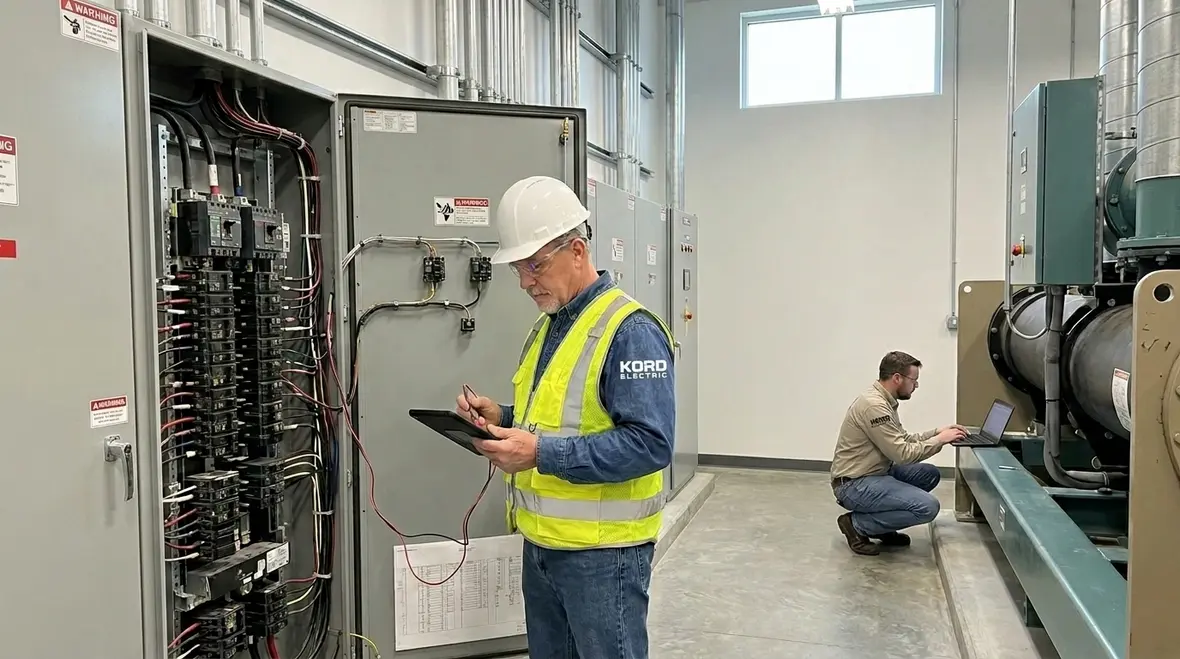
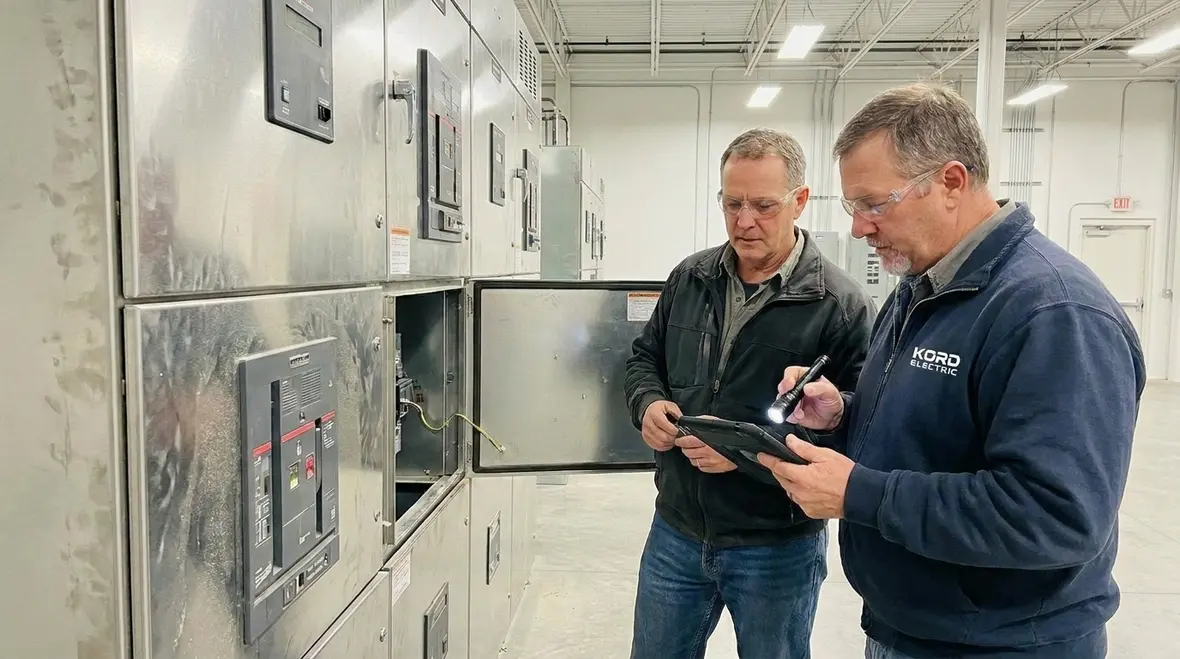
A proactive assessment is not just a checklist. We look at the whole electrical story, from utility service to the final circuits feeding critical loads. That means we examine panels, switchgear, transformers, busways, grounding systems, and protective devices, then we connect those findings to real operating conditions.
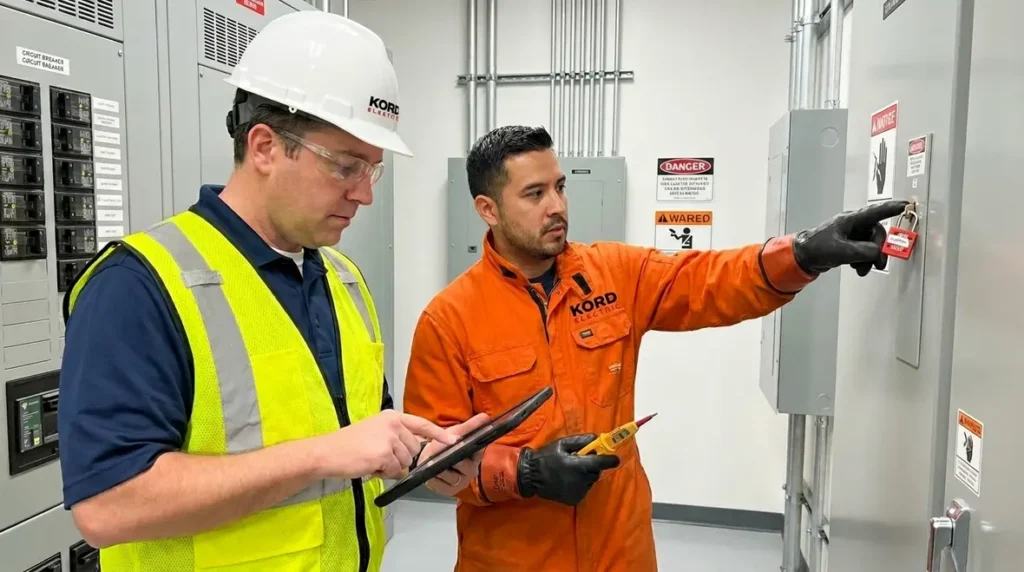
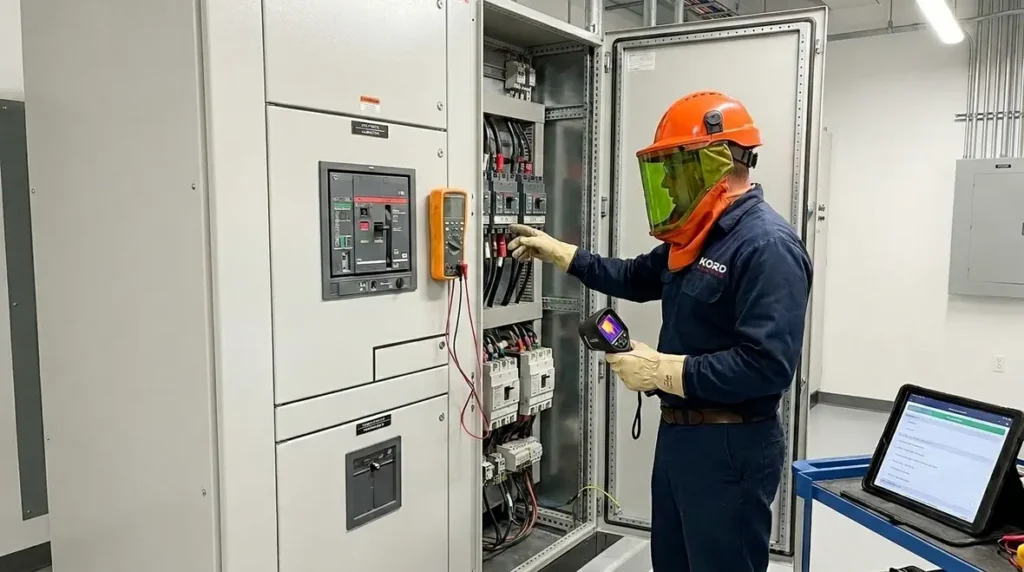
To do this well, our technicians use practical methods that match how commercial and industrial facilities actually run. They verify labeling accuracy, measure electrical performance, check component condition, and review how the facility protects itself during abnormal events. Then, they align what they find with the demands of the building: production lines, HVAC loads, motors, data rooms, pumps, cranes, and other major power users.
And yes, we also look at the boring stuff, because boring stuff is usually what fails first. If someone replaced a part once, it might be fine. If they replaced it several times without addressing the cause, that is where trouble starts.
Why proactive assessments prevent costly downtime
When electrical problems show up, they rarely announce themselves politely. They arrive as overheating, nuisance trips, voltage issues, and escalating maintenance calls. Consequently, teams often treat symptoms instead of root causes. That approach can feel like rearranging deck chairs while the ship is already listing.
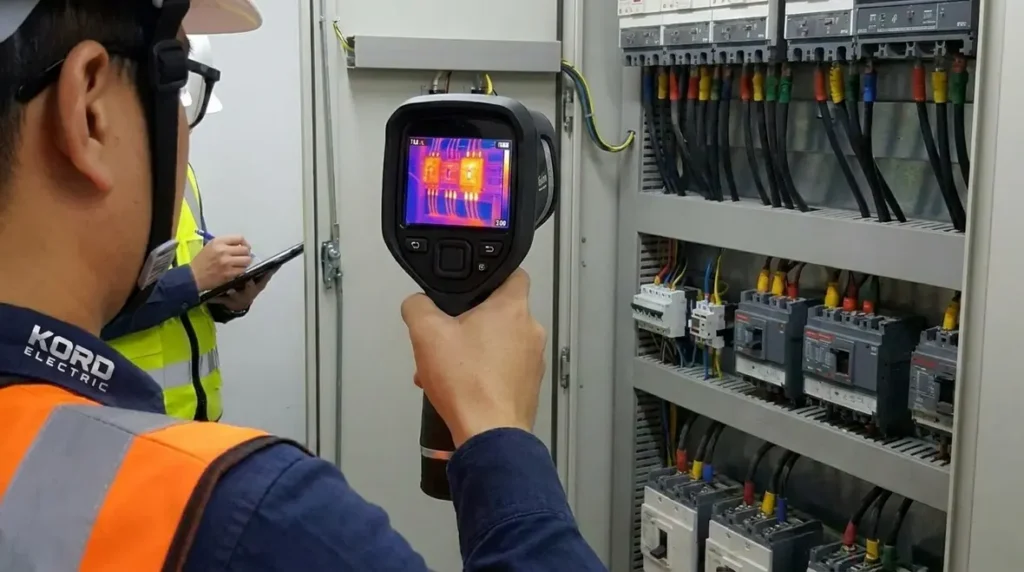
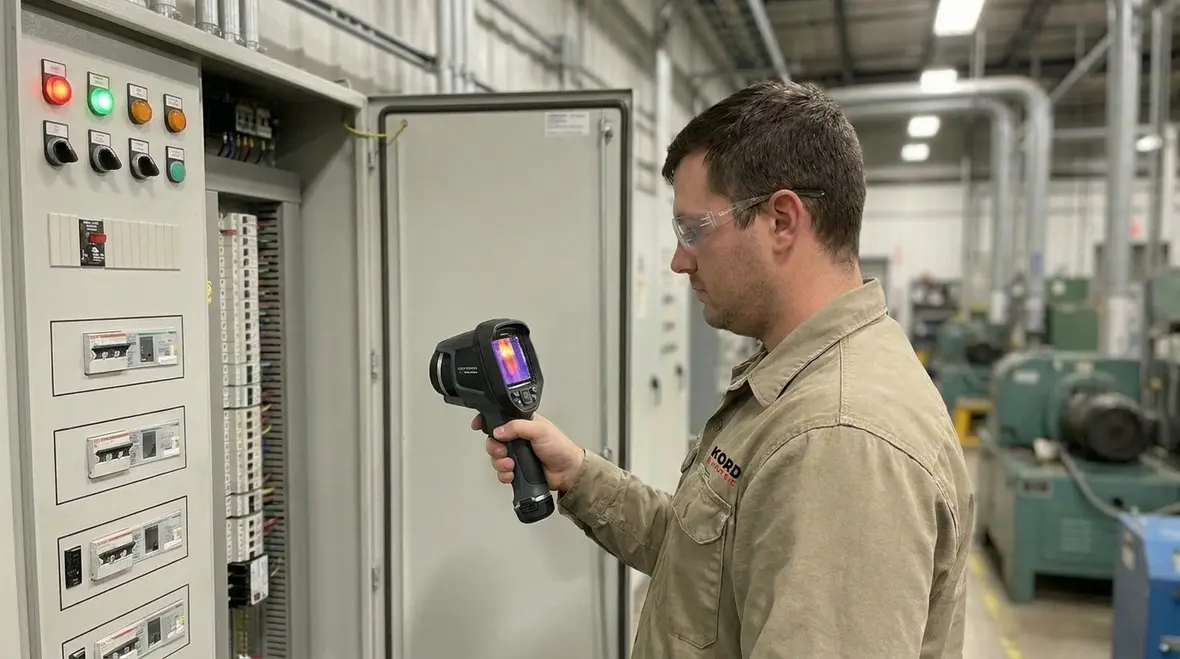
During our Facility Electrical Infrastructure Assessment, we evaluate risk signals and failure patterns. We look for weak points in connections, signs of deterioration, and mismatches between equipment and load profiles. We also consider how the facility has changed over time, such as expansions, added machines, renovations, new drives, or upgraded lighting and controls.
Then we translate the findings into priorities. For example, a component that looks “mostly fine” might be close to failure under normal operating temperature. Meanwhile, another part might still run, but it may do so at reduced performance, which increases energy use and shortens lifespan. By addressing these issues early, we help facility owners avoid unplanned outages and protect production and operations.
We also connect assessment results to how modern commercial electrical systems behave in real facilities. If your building relies on complex distribution, automation, or integrated life safety systems, our team can align recommendations with broader planning resources like Kord Electric’s guide to commercial electrical systems for modern buildings, so you see how everyday reliability and long term infrastructure strategy fit together across your portfolio.
How our technicians explain findings in plain language
Some electrical reports read like a foreign language written on a napkin during a power outage. We do not do that. Our expert service staff explains what we see, why it matters, and what options make sense for a commercial or industrial building. We speak like operators, not like textbooks.
For example, if we find that protective devices do not coordinate properly, we explain what that means during faults, not just what the readings say. If grounding needs improvement, we describe how that affects safety and equipment stability. And if load growth is stressing an existing distribution path, we show the practical impact on reliability.
Most importantly, we help decision makers connect electrical conditions to business outcomes. We can discuss timelines, likely impacts, and upgrade paths in a way that supports planning. So your team does not just receive data. They get direction they can act on.
Common risk gaps we look for in commercial and industrial buildings
Modern buildings rely on systems that behave like they are on a schedule, even when no one notices. That is why electrical risk hides in the gaps between design intent, installation quality, and day to day operation. We focus on those gaps because that is where preventable failures usually live.
Here are key areas we routinely evaluate, especially in facilities that carry heavier loads and higher uptime expectations:
Distribution health: We check condition and performance of switchgear, distribution panels, and bus systems, because aged components can degrade under load.
Protection and coordination: We verify breakers and protective devices respond correctly, so faults do not escalate or shut down the wrong area.
Grounding and bonding: We review grounding paths and connections to support safe operation and stable performance.
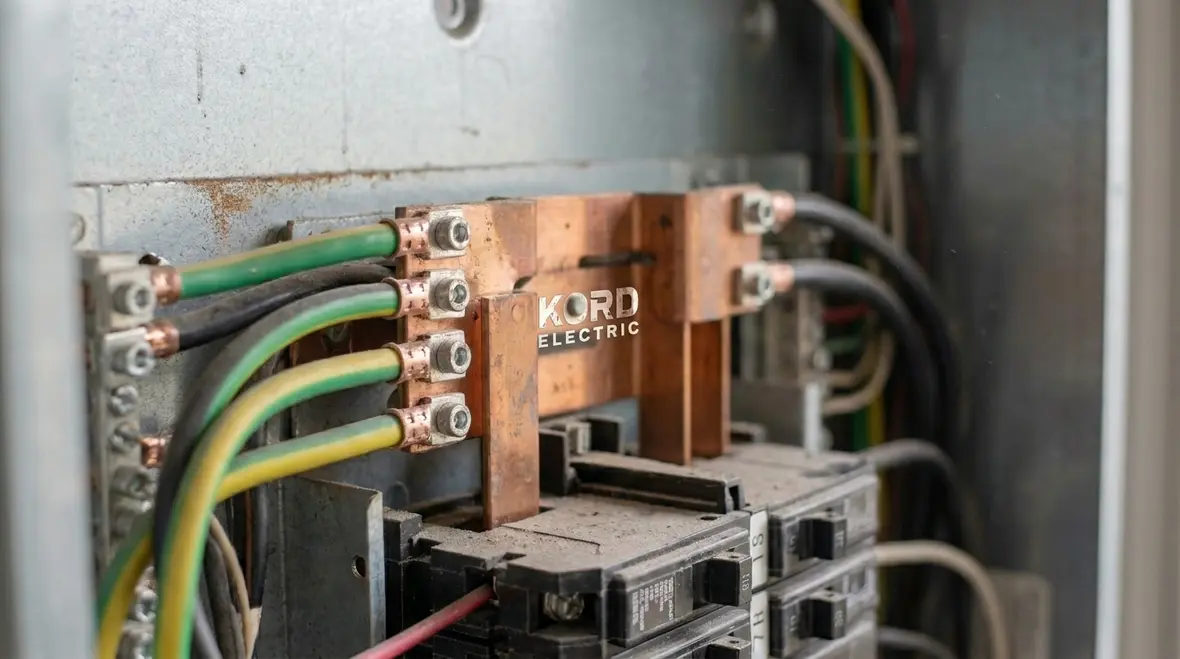
Wiring integrity: We examine terminations, connections, and insulation condition, since loose or damaged connections create heat and loss.
Load patterns: We consider how motors, drives, HVAC, and process equipment impact voltage stability and demand.
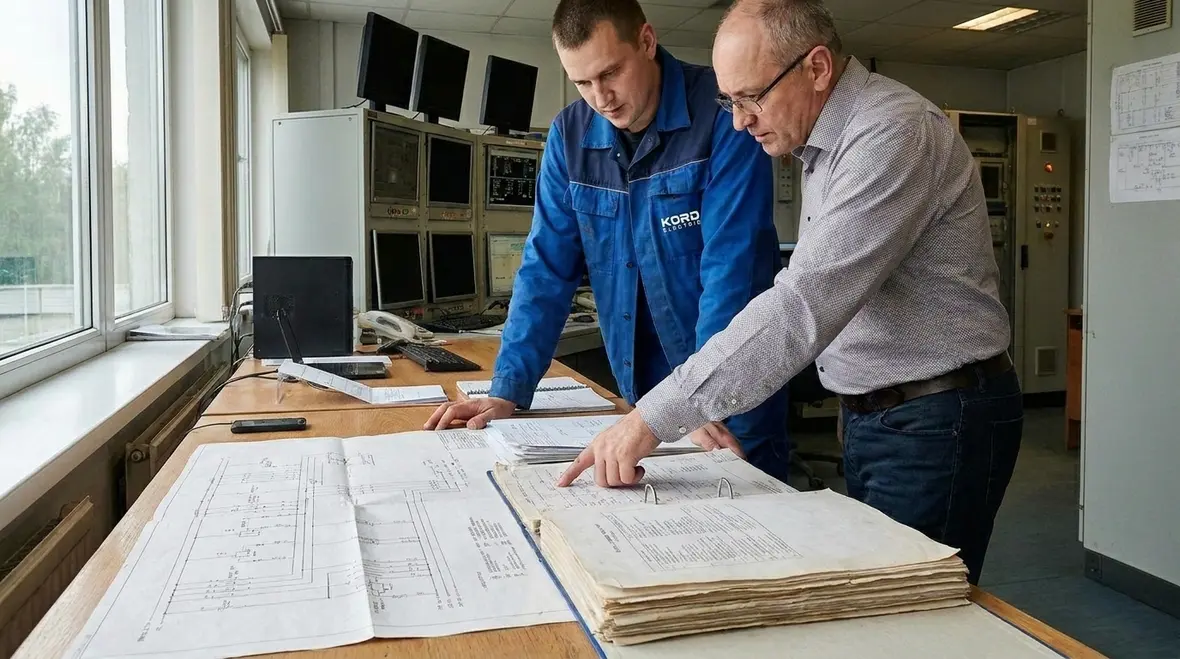
We also review how facilities manage documentation. When labeling is inaccurate or drawings do not match reality, electrical teams spend time searching during emergencies. And let us be honest, nothing kills confidence faster than not knowing what feeds what.
What the assessment delivers and how it guides upgrades
A good evaluation ends with actions that fit the facility. We provide findings in a format that supports planning, budgeting, and scheduling. We help others prioritize work so they can reduce risk without disrupting operations more than necessary.
First, we categorize issues by urgency. Then, we identify which electrical elements drive the risk. Next, we recommend next steps, whether that means targeted repairs, component replacement, updated protective settings, better labeling, or upgrades to distribution capacity.
Additionally, we connect our recommendations to how modern commercial electrical systems function in real buildings. When owners plan improvements, they need the work to support both current loads and future growth. We help ensure upgrades align with the building’s electrical architecture rather than patching symptoms like a puddle under a leaky roof.
For multi site owners or managers, a structured Facility Electrical Infrastructure Assessment also becomes a baseline they can compare across buildings. It is easier to prioritize capital projects when you know which location has the most urgent switchgear issue, where panel labeling needs the biggest overhaul, and which distribution paths are most constrained for expansion.
Balancing safety, efficiency, and long term reliability
Facility owners usually want three things at once: safety, efficiency, and dependable power for years. And while those goals sound simple, they compete in the real world. One upgrade might increase reliability but cause short term downtime. Another might reduce energy use but require controls changes and coordination.
That is why we treat the Facility Electrical Infrastructure Assessment as a planning tool, not a one time event. We look at power quality and equipment behavior, then we align recommended improvements with the facility’s operating priorities. We also consider how maintenance teams will support the updated systems, because the best plan fails if the day to day process cannot sustain it.
As we discuss options, we keep the tone practical. We help facility managers understand the tradeoffs in a calm, clear way. Think of it like good leadership on a long shift: steady, focused, and never surprised when problems show up after hours.
In many cases, our assessment also highlights where ongoing maintenance, testing, and documentation can be strengthened. When those pieces line up with a clear upgrade roadmap, your facility can move from reactive firefighting to a confident, staged improvement plan that keeps production and building operations steadily supported.
Two column view: assessment outcomes vs facility benefits
Assessment outcome |
Facility benefit |
|---|---|
Root cause findings for faults and hotspots |
Fewer unplanned trips and safer operation |
Load and distribution capacity review |
More stable performance during peak demand |
Protection and grounding verification |
Better fault response and fewer equipment surprises |
Clear priority list for upgrades |
Smarter scheduling and budget control |
FAQ for a commercial electrical assessment
Call Kord Electric for a proactive plan you can trust
If your facility runs on schedules that do not care about equipment age, you need electrical reliability you can bank on. Kord Electric helps commercial and industrial owners stay ahead with a Facility Electrical Infrastructure Assessment that identifies risks early, explains results clearly, and supports confident upgrade decisions. Reach out to us today to schedule an assessment and get a prioritized path forward. Because when power stays steady, the whole operation breathes easier.
If you operate in Southern California and want support beyond a single assessment, Kord Electric’s dedicated Los Angeles County electrical services team can help you turn recommendations into completed upgrades, tested protections, and better everyday reliability across your properties.
From initial walkthrough to final report and follow up work, our goal is simple: give you a Facility Electrical Infrastructure Assessment that feels like a practical roadmap, not a stack of technical notes. When your electrical backbone is documented, prioritized, and upgraded with intention, your people, processes, and equipment can focus on the work they do best.