Industrial Electrical Panel Upgrades: Capacity, Safety & Compliance
Kord Electric helps commercial and industrial facilities protect people, power equipment, and operations with Industrial Electrical Panel Upgrades: Capacity, Safety & Compliance. We focus on real-world issues like worn components, outdated designs, unsafe workmanship, and rising electrical loads. In other words, we handle the kind of problems that show up when a facility adds new production lines, expands offices, or simply runs longer hours than the original panel was ever built to handle.
In this guide, we explain what upgrades actually involve, why safety matters, and how our experienced technicians walk facility managers through decisions with clarity. And yes, we do it without the “mystery box” explanations. Your electrical system should not feel like a sitcom plot twist waiting to happen.
What signals that a panel upgrade is overdue?
Facilities rarely wake up one morning and say, “Today we will fail our inspection.” Instead, issues build quietly over time. For example, our technicians often find panels that look fine at a glance, yet fail under closer review. That is where careful service makes the difference, and where our expert staff explains the findings in plain language.
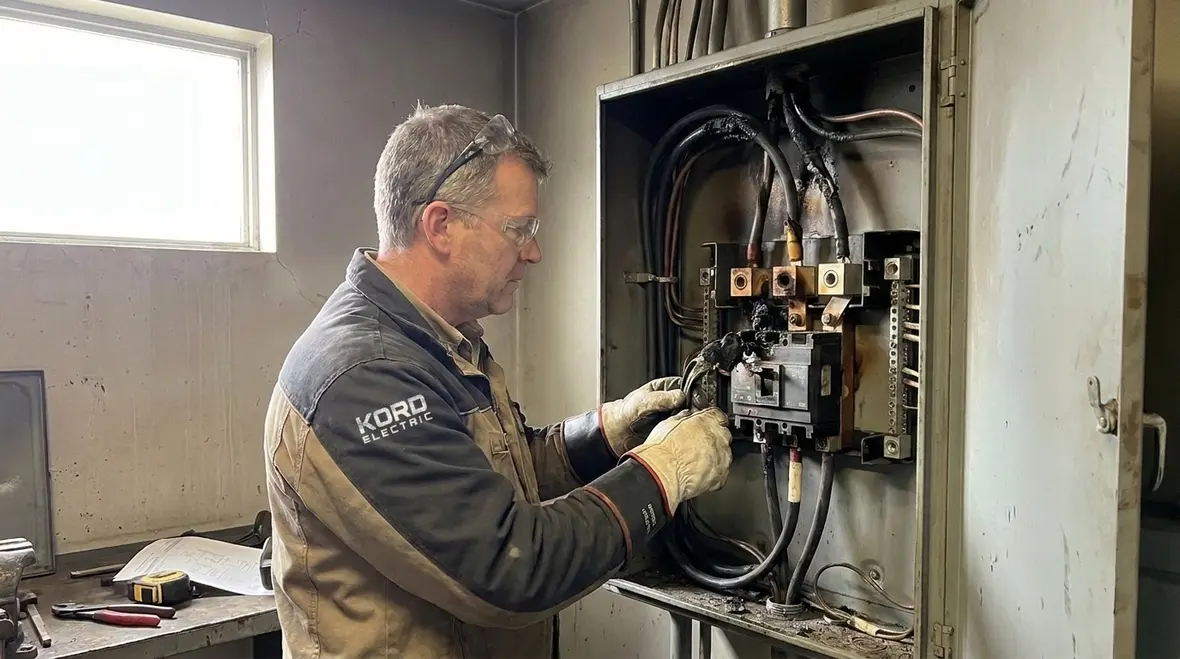
Typically, we see upgrade triggers like frequent breaker trips, overheating at terminations, melted insulation, or visible corrosion. Additionally, facilities may notice rising maintenance calls, nuisance faults, flickering lighting, or equipment shutdowns that line up with load changes. These symptoms usually point to aging components, poor connections, or insufficient capacity.
Also, if a panel was installed decades ago, it may not match modern safety expectations. Even if it “works,” it can fall short on protection, labeling, or coordination. That is like driving a truck with tires that still roll, but look ready to file for retirement. It might pass a short trip, yet it will not pass a long future.
If your building is already stretching its existing electrical gear, it can help to look at the bigger picture of service capacity, not just the main panel. Many facility managers pair panelboard work with broader service evaluations similar to the approach described in Kord Electric’s guide to upgrading commercial electrical service capacity, so both upstream and downstream equipment stay aligned as loads grow.
How our technicians assess panel capacity without guesswork
When we evaluate electrical panel upgrades, we do not rely on guesswork or rough assumptions. First, we review the facility’s load profile: lighting, receptacles, motors, HVAC systems, process equipment, and any future expansion plans. Then we trace circuit history, breaker sizing, and load distribution across phases.
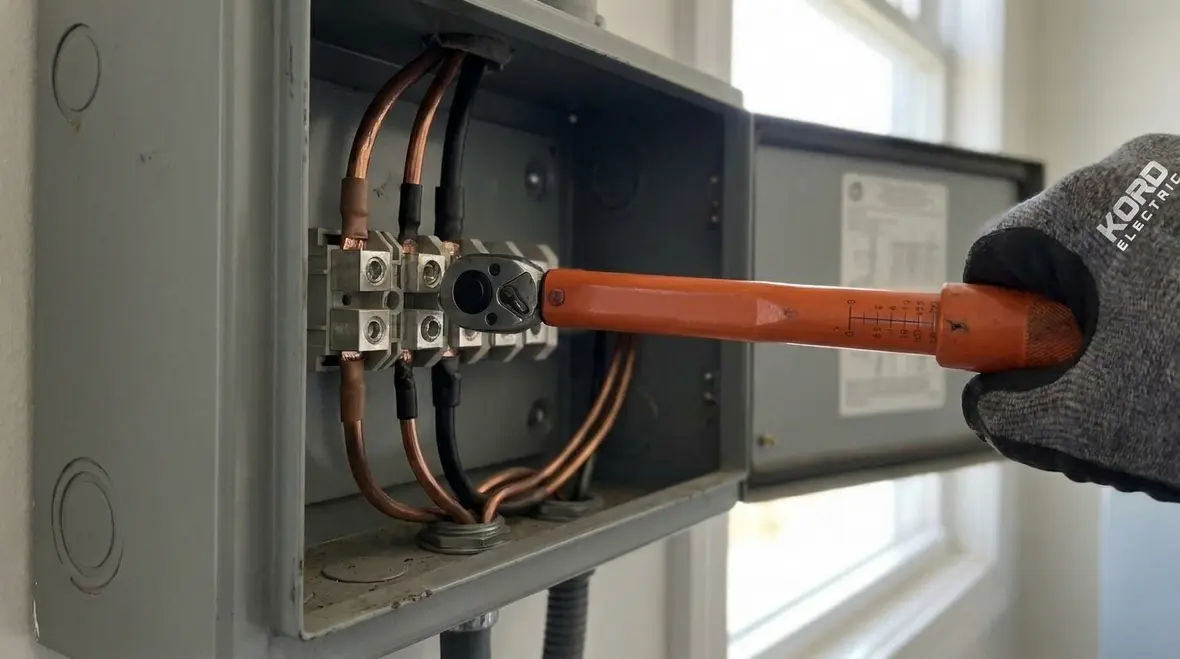
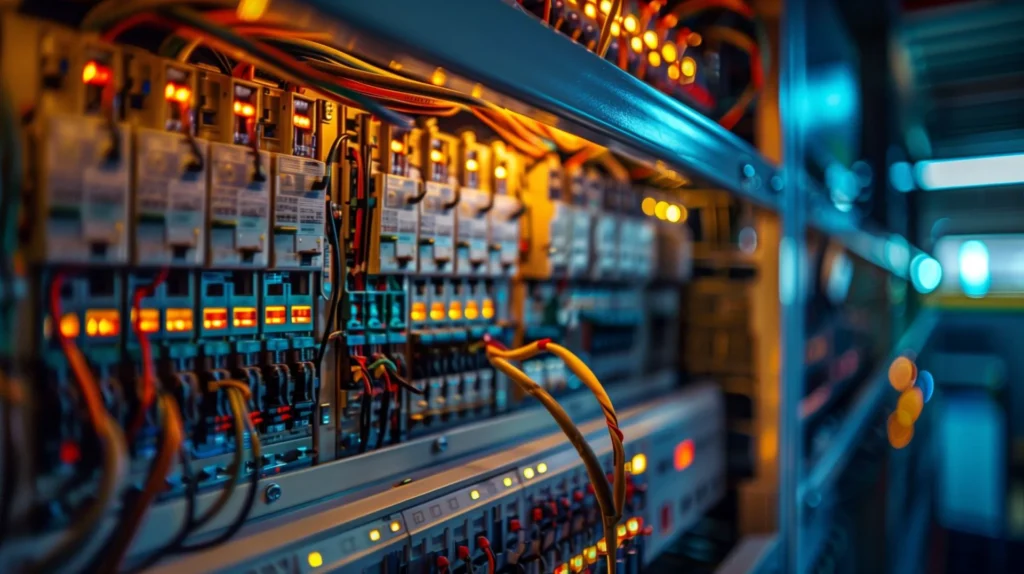
Next, we check temperature clues and physical condition. For instance, we inspect for discoloration around lugs, signs of arcing, loose conductor fit, and degraded busbar surfaces. If something looks off, our expert service staff explains what it means and how it affects safety and long term performance.
After that, we map the panel’s available space and rating against the facility’s actual needs. We also look at whether the panel supports proper protection for each circuit type. Finally, we verify the panel’s ability to manage demand spikes, because in industrial and commercial settings, loads do not stay steady. They surge, start, ramp, and sometimes behave like a crowd that forgot it bought tickets for the loudest ride in the park.
For larger campuses and production sites, panel assessments often connect to broader reliability planning. Many organizations fold panel evaluations into structured electrical preventive maintenance programs so that capacity reviews, torque checks, and thermal scans become part of an ongoing strategy rather than a one-time reaction to a fault.
Safety first: what we check to reduce risk
Panel upgrades are not just about more power. They are about safer power. In our experience, the biggest risk comes from conditions that degrade over time and from design gaps that were never meant to last. That is why we use a safety focused process and then explain it thoroughly to building teams.
We pay close attention to terminations, conductor torque, and insulation condition. We also look at busbar condition, breaker quality, and how the panel is wired for grounding and bonding. If the grounding system does not do its job, the whole protection strategy gets weaker. And if protection gets weaker, facility operators pay the price later, often at the most inconvenient moment.
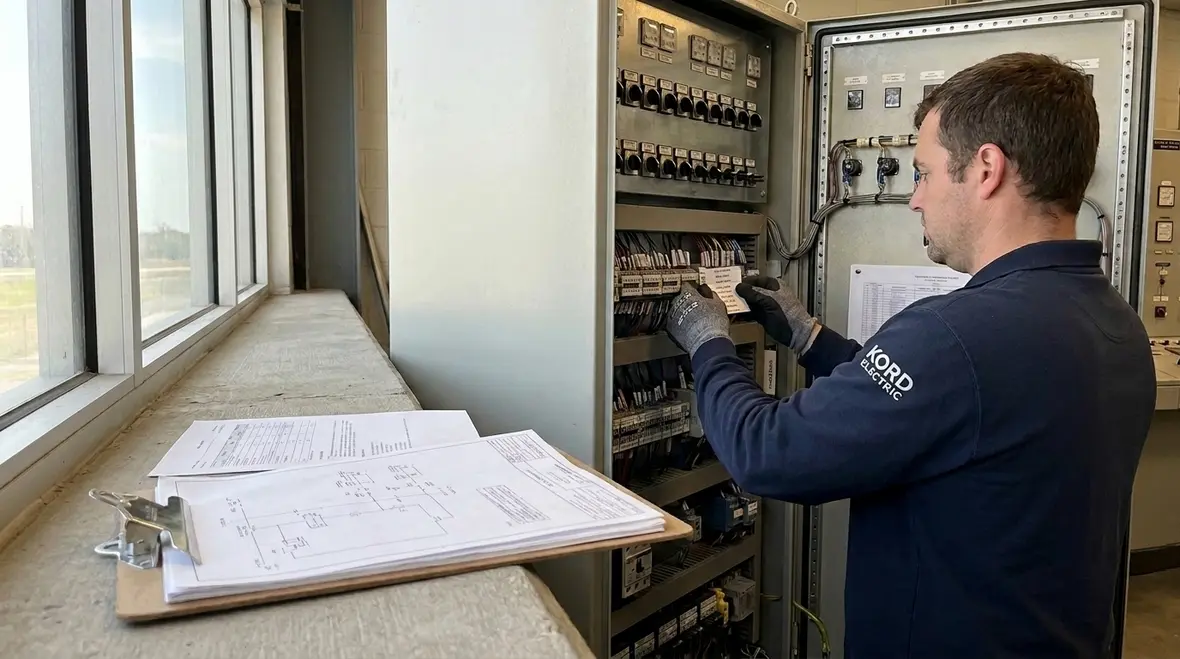
We also review clearances and working space. A panel must be accessible and safe to service, not buried behind clutter or blocked access. Furthermore, we ensure proper labeling so technicians and operators can understand what each breaker does without playing electrical “who’s who.”
Our approach aligns with the practical safety guidance we share for facilities, including careful attention to hazards, safe operating conditions, and the importance of reliable protection. You can have a panel that powers everything and still be unsafe. We help you fix that disconnect.
Compliance and inspections: how upgrades support the next round of approval
Commercial and industrial facilities usually live under strict inspection expectations. We respect that reality. When we plan Industrial Electrical Panel Upgrades: Capacity, Safety & Compliance, we build the job around safety fundamentals and code aligned practices so the facility does not face surprises after work is complete.
During upgrades, we focus on the details that inspectors actually care about: correct component selection, proper circuit protection, safe conductor sizing, and accurate labeling. We also confirm that the installation supports safe operation and safe maintenance. In many cases, older panels fail on documentation and labeling, even when the underlying wiring seems intact.
Additionally, compliance depends on coordination. Breakers must work together so faults clear safely without spreading risk. If upstream and downstream protection do not coordinate well, you can end up with larger shutdowns or repeated fault conditions. That is when a facility’s operations get hit twice, once by the event and again by the recovery.
Many facility leaders also use panel upgrade projects as an opportunity to align with broader electrical maintenance plans. Articles like Kord Electric’s breakdown of commercial and industrial electrical maintenance plans show how clear documentation, testing, and inspection-ready records make future approvals far easier to navigate.
Upgrade paths for commercial and industrial buildings
No two facilities upgrade the same way. We design the approach around the building’s risk level, production schedule, space limits, and power needs. Therefore, we offer several paths depending on what the site requires.
Capacity expansion
Capacity expansion is common when the panel can be improved with additional breakers and better distribution. In these cases, we often replace aging internal components, clean and rework terminations, and reconfigure circuits for safer balance.
Panel replacement
Panel replacement becomes necessary when a panel’s physical condition and design no longer support safe modernization. If busbars, breakers, or enclosure parts show wear, it is usually smarter to replace the system rather than patch it. And yes, sometimes the best decision is the one that avoids future “temporary” fixes that lasted five years too long.
Selective equipment and distribution upgrades
Selective equipment and distribution upgrades apply when upstream power and the main service need improvements, while parts of the panelboard structure still work well. We help facilities target changes that reduce risk without wasting capital.
Phasing and operational planning
Phasing and operational planning matters because most facilities cannot shut down for a week. Our team coordinates with facility schedules, and we explain what downtime looks like before work begins. This is where our technicians earn trust: we set expectations and then follow through.
For many properties, panel changes are also a chance to align related distribution, such as commercial subpanels that may already be near capacity. If your building is seeing steady growth, it may be useful to review Kord Electric’s commercial subpanel electrical services guide alongside any panelboard project to keep distribution balanced from the main gear all the way out to remote loads.
What a smooth upgrade day looks like
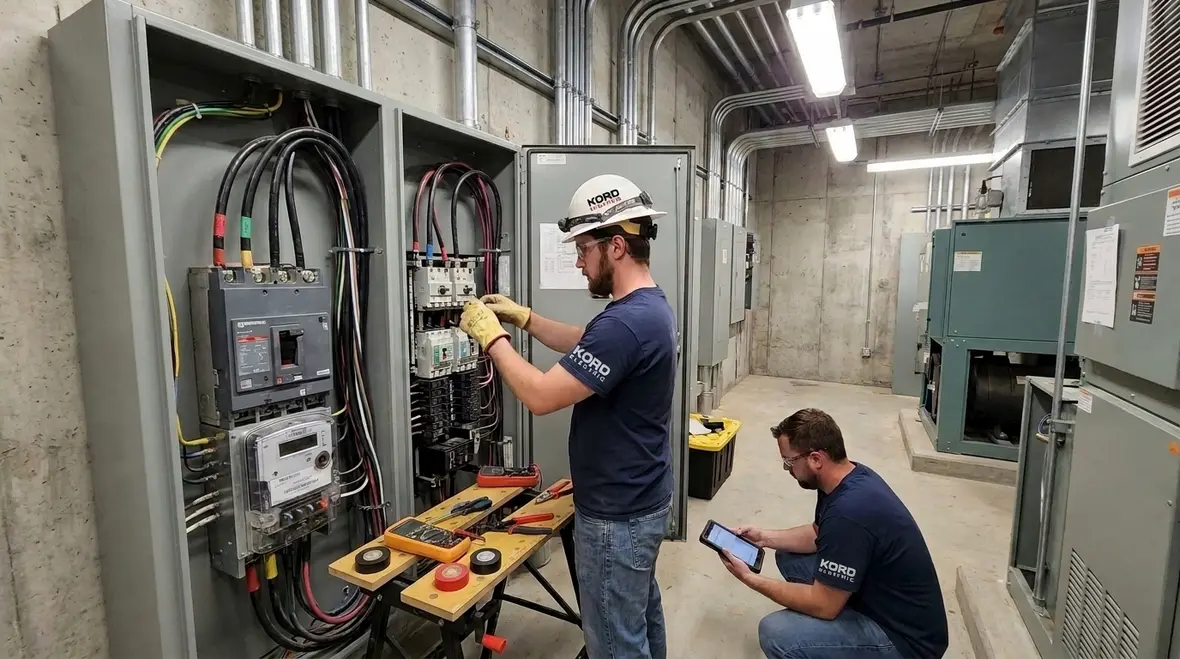
Upgrades go better when communication goes first. We start by confirming the job scope, the responsible contacts, and the safety process for the site. Then our technicians handle pre job checks, including circuit verification and confirming labeling accuracy.
During the work, we keep quality control tight. We verify torque and termination quality, ensure protective devices are correct, and test key functions as the system comes back online. We also document what changes we made, so the facility team can maintain the panel with confidence later.
After installation, we explain the new panel layout and what it means for operations. Our expert service staff takes time with the people who will actually use and maintain the system, because knowledge reduces mistakes. It is easier to protect a system when operators understand how it behaves.
Finally, we leave the facility clean and orderly. Panels are not meant to look like a construction zone after the work is done. If the upgrade is safe and tidy, it tends to stay that way.
When facilities combine clear project planning with ongoing support, they also tend to move through emergencies more smoothly. For teams that want backup when issues cannot wait, Kord Electric’s 24/7 emergency electrical services can complement planned panel upgrades with rapid response when something unplanned happens at 2 a.m. instead of 2 p.m.
FAQ: Industrial Electrical Panel Upgrades for facilities
Next step: request a facility panel upgrade review from Kord Electric
If your facility’s electrical loads are growing, safety risks are creeping in, or inspections keep arriving like clockwork, it is time to act. Kord Electric delivers Industrial Electrical Panel Upgrades with capacity improvements, stronger protection, and documentation that makes sense. Our technicians explain every step, so facility teams can make confident decisions. Contact us to schedule an assessment for your commercial or industrial building and bring your power system into a safer, more reliable future.
For organizations managing multiple sites or complex operations across Southern California, it can also be helpful to look at how broader regional support fits into the plan. Kord Electric’s Los Angeles County electrical services provide a single, coordinated resource for panels, distribution, lighting, and preventive maintenance, so every location stays aligned on safety, capacity, and compliance.
If you are mapping long-term risk reduction across your portfolio, you can also explore related insights on the Kord Electric Blog, where topics like service capacity, maintenance plans, and code compliance support the same goals as your Industrial Electrical Panel Upgrades: Capacity, Safety & Compliance strategy.