Industrial Electrical Preventive Maintenance Guide
Industrial Uptime Starts With the Preventive Maintenance Checklist
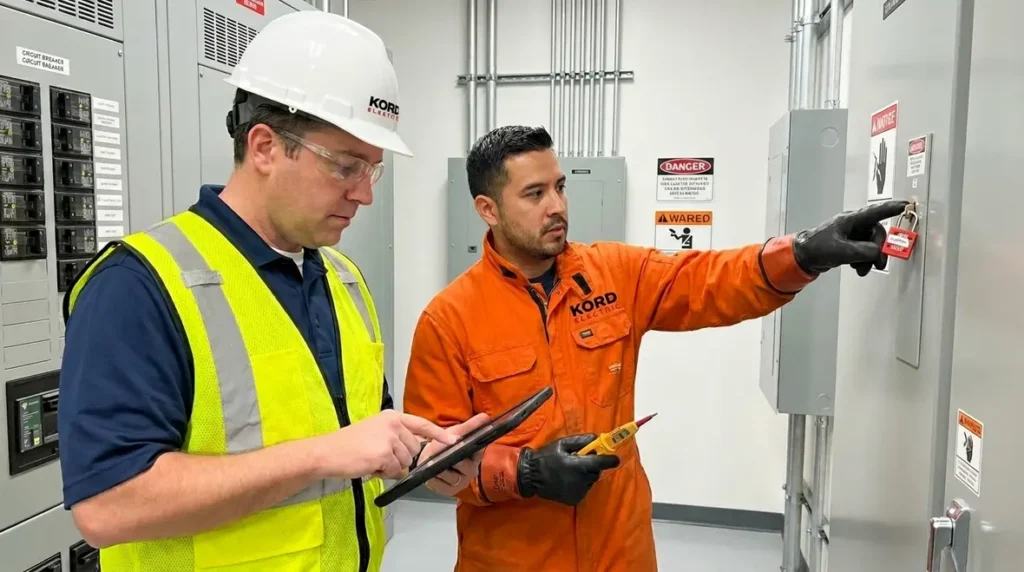
At Kord Electric, we treat uptime like a promise. And we keep it with an industrial electrical preventive maintenance checklist that our expert service staff use in the field, every shift, not just when something breaks. In the first pass, they verify protective devices, inspect insulation and terminations, check torque and labeling, review load patterns, and test key circuits for safe, steady operation. Then, they document what they find and what they recommend next. Because the truth is simple: electrical failures rarely announce themselves politely. They just show up like that one pop song on a loop you cannot turn off. We help commercial and industrial facilities and major property buildings prevent that kind of repeat nightmare.
What the Checklist Covers Before Problems Get Loud
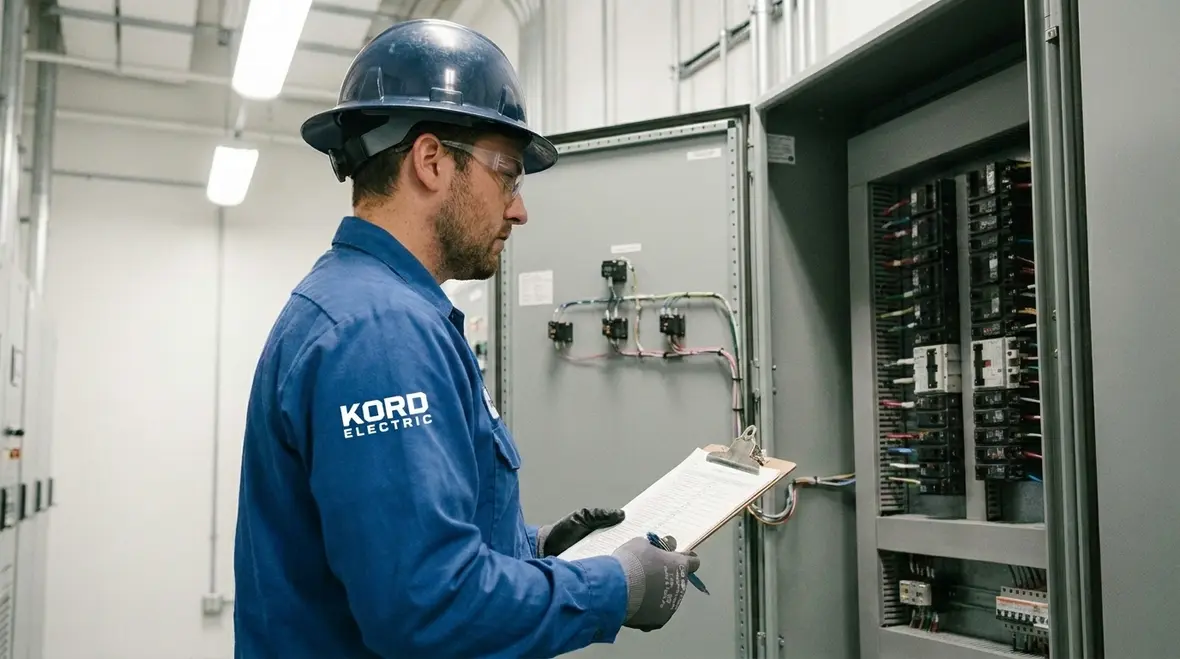
In our experience, the best maintenance work happens before the system starts to complain. Therefore, the checklist focuses on the parts that most often cause downtime, safety incidents, and costly shutdowns. First, it covers distribution gear and connections, since heat and vibration quietly degrade terminations over time. Next, it covers protective devices like breakers and relays, because the job of protection is to operate correctly, not to guess. Then, it includes grounding and bonding, since a weak path to earth can turn a harmless fault into a dangerous one.
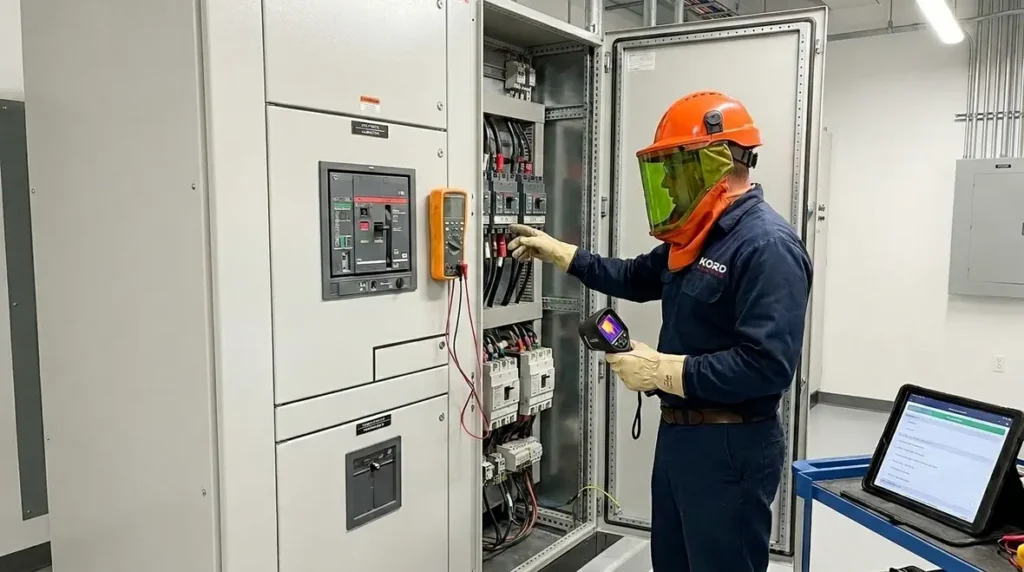
Meanwhile, our technicians do not just look. They measure. They check thermal condition, inspect physical wear, verify settings, and compare readings against expected performance. In other words, we treat maintenance like a health exam, but for your power system. And if you think that sounds dramatic, good. It should. Electrical equipment does not care about your schedule. It only responds to physics.
How We Inspect Panels, Switchgear, and Busbars for Real-World Faults
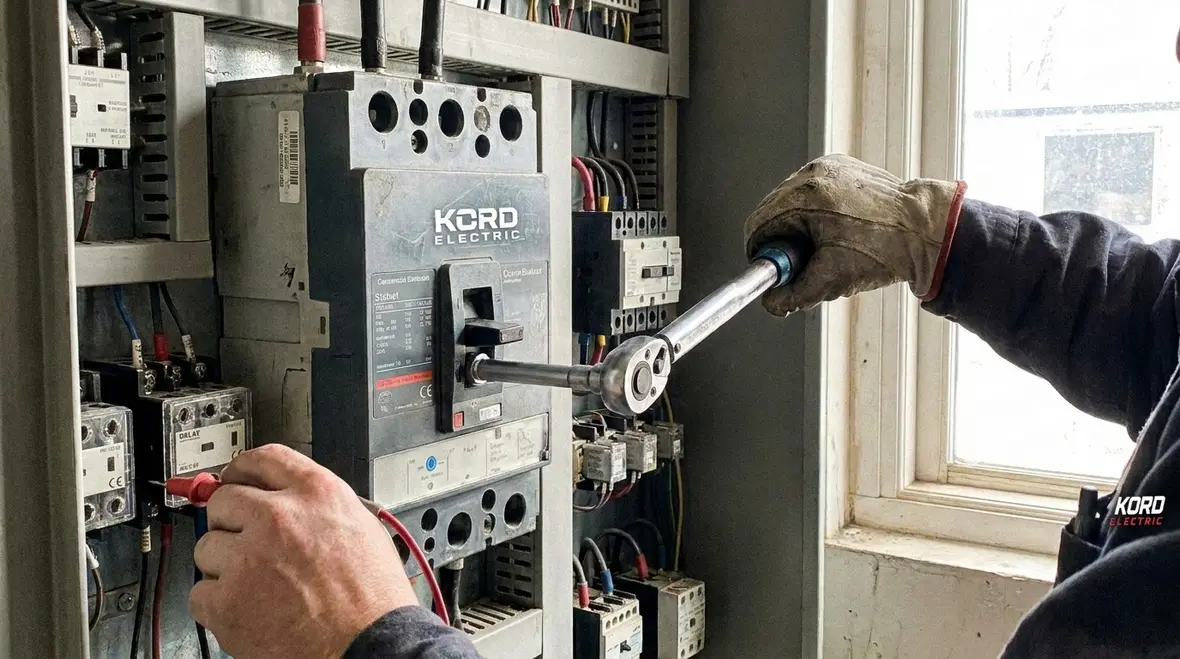
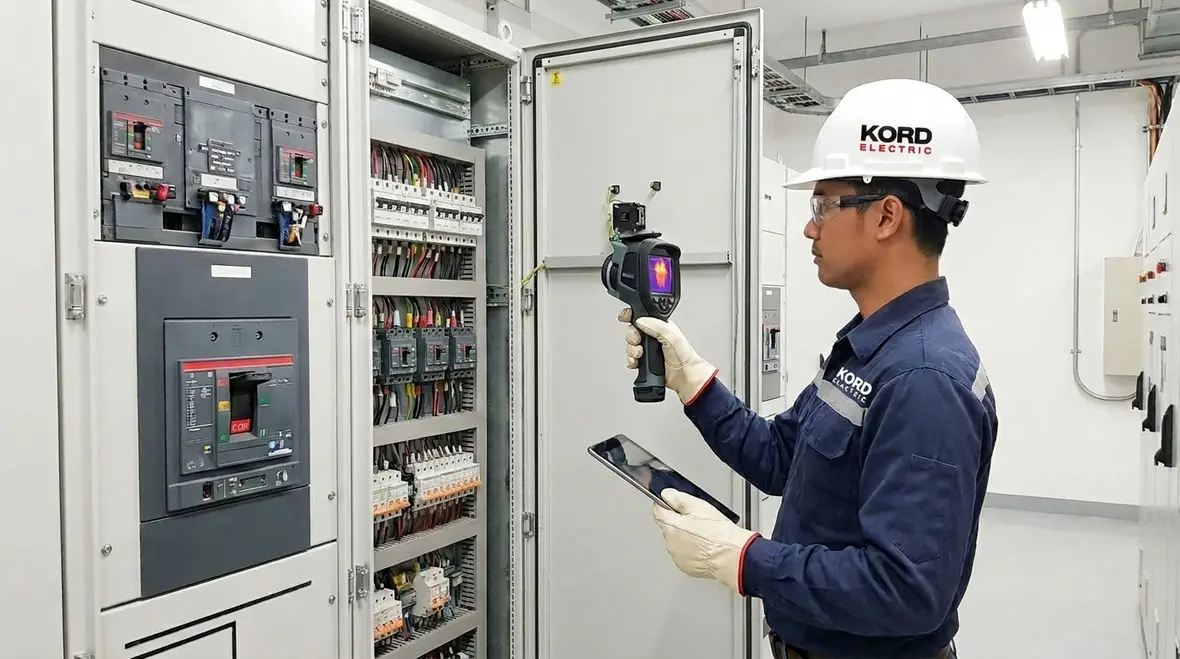
Most facilities want a fast visit. However, our team plans a thorough inspection because the most damaging issues hide in plain sight. For panels and switchgear, our industrial electrical preventive maintenance checklist approach includes cabinet condition checks, fan or heater operation when present, and verification of ventilation paths. Then we inspect busbars and terminations for discoloration, looseness, and signs of arcing. Even small changes matter, because bus and connection damage can grow like a leak in a ceiling that nobody watches.
In addition, we check for correct phasing, proper labeling, and clear evidence of previous work. When someone replaces a component in the past, they sometimes update the wiring but not the documentation. So we align what is installed with what should be installed. That reduces confusion during emergencies, and it keeps your electricians from playing “guess the circuit” under pressure.
Protection Testing and Calibration That Keeps Equipment Running Safely
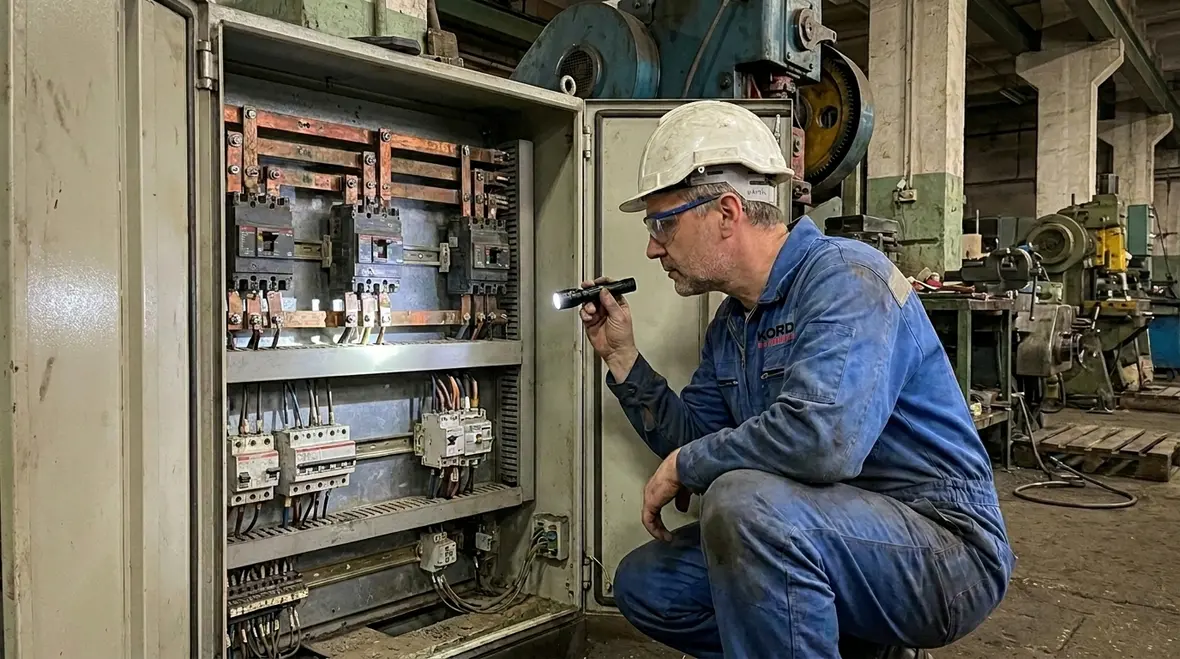
Protection systems act like the security guards of your electrical network. Yet many facilities only test them when there is already smoke. Kord Electric pushes earlier action by verifying that protective relays, breaker trips, and coordination still match your current load profile. As operations change, so do current levels and fault conditions. Therefore, what worked two years ago might not protect as intended today.
Our expert service staff typically review trip curves, settings, and time delays. They also test for correct response to simulated conditions where applicable. Then, they compare results to the design intent. If coordination drift appears, we recommend adjustments and document the plan. That way, the protective device clears the fault without taking down more equipment than necessary.
And yes, we explain the process in plain business language. If a manager asks what it means, we do not respond with a lecture. We translate. We show what the test checks, why it matters, and how it reduces downtime risk.
Thermal Checks, Torque Verification, and Cable Health for Maximum Uptime
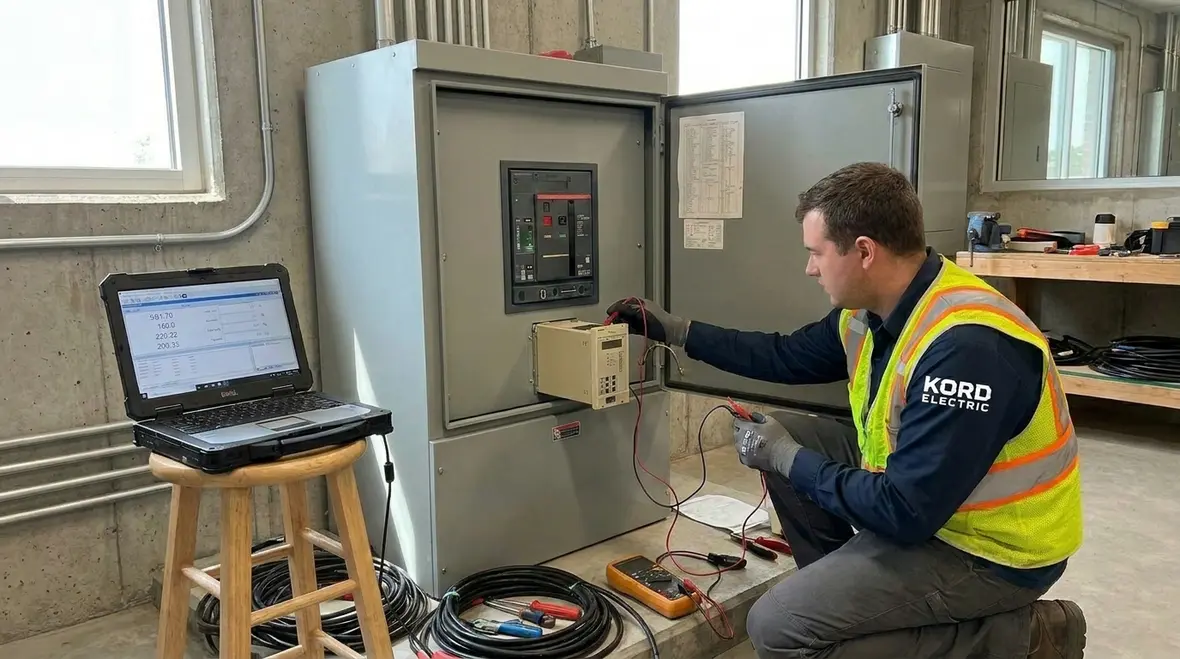
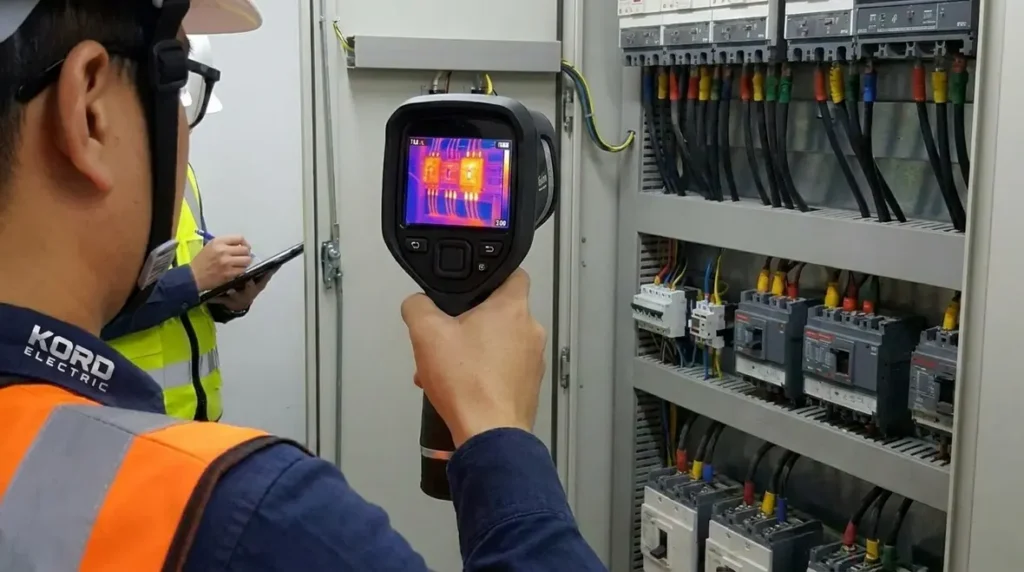
Heat tells a story before anything fails completely. Consequently, our preventive work leans on thermal inspection and connection quality checks. We look for hotspots at terminations, examine cable jackets, and inspect for signs of moisture intrusion, mechanical stress, or aging insulation. Then we verify torque on critical connections using the right method for the equipment type.
When torque stays wrong for long periods, it accelerates resistance and increases temperatures. That is how a “small” connection becomes a “major” event. And because most commercial and industrial sites run with high schedules, downtime hurts in more ways than one. It impacts production, labor planning, and even contract obligations.
To support better decisions, we also consider how total electrical work affects operating costs. For example, when teams plan upgrades or repairs, they often ask about rewiring expenses. Our blog guide on rewiring cost for commercial electrical systems covers real cost drivers such as scope complexity and system access. While that guide targets commercial electrical changes, the same underlying lesson applies to preventive maintenance: catching issues early usually costs less than replacing parts after thermal damage or failure forces an emergency.
Electrical Preventive Maintenance Checklist as a Scheduled Program, Not a One-Time Task
Preventive maintenance only works when it becomes a routine. That is why we structure work by system criticality and site conditions. Some equipment needs attention more often due to heat, load swings, or harsh environments. Other components can follow a longer interval. Still, we keep the industrial electrical preventive maintenance checklist consistent so the facility sees trends over time, not random results from disconnected visits.
We also help property teams plan around operations. For major property buildings and industrial facilities, schedule conflicts are real. Therefore, we coordinate inspection windows, align with safety requirements, and communicate what work requires brief shutdowns or power state awareness. If a circuit cannot be opened, our technicians adjust the testing method to keep the process safe and effective.
Then, we document findings clearly. Our goal is simple: make it easier for you to prioritize repairs, budget correctly, and prevent repeating the same failure mode. If you run a facility, you already know that budgets do not like surprises. We keep yours on track.
Keeping Documentation, Spares, and Response Plans Ready for Emergencies
Even the best preventive plan does not remove every risk. What it does, however, is improve your response speed and quality when something unexpected happens. Kord Electric supports that outcome with detailed documentation, including photos, test results, and equipment identifiers. We also recommend spares strategies for items that commonly fail under your specific operating conditions, especially in environments with frequent cycling or older infrastructure.
Meanwhile, we help teams strengthen their emergency readiness. That means confirming access routes to electrical rooms, verifying labeling for fast isolation, and reviewing single line diagrams against actual installed equipment. In the heat of a problem, correct labeling saves minutes. And in electrical faults, minutes decide whether you restore power quickly or chase secondary damage.
We also explain what we see so other vendors and internal staff can act with confidence. That calm clarity matters, because one confused call can turn a manageable event into a long outage. Nobody wants to be the person on a team saying, “Wait, which breaker is that?” like it is a trivia night question.
FAQ
Final Word From Kord Electric
When your power system runs, your facility runs. That is why Kord Electric builds an electrical preventive maintenance program for commercial and industrial facilities and major property buildings, with expert technicians who inspect, test, document, and explain what matters. If you want maximum uptime without gambling on luck, we can assess your current condition and help you schedule the next steps with confidence. Contact us today and let’s turn your electrical maintenance from “when it breaks” into a calm, planned routine.
If you are ready to turn that plan into action, explore how our dedicated electrical preventive maintenance services support commercial and industrial facilities with structured programs, clear reporting, and safer long-term performance.