Industrial Electrical Safety Assessment Plan
Commercial and industrial teams need a plan, not surprises
In every facility, the biggest danger is often the one nobody sees. That is why Kord Electric starts with an industrial electrical safety assessment designed to uncover hidden hazards before they turn into downtime, injuries, or code problems. In our field work, our technicians and expert service staff look closely at the entire power pathway, from switchgear details to cable terminations, because “it worked yesterday” is not a safety strategy. And while electrical incidents rarely announce themselves with a dramatic movie soundtrack, they can still bring the kind of chaos that makes even a well paid building manager age ten years overnight. So we guide others through a calm, methodical review that makes risks visible and actions clear.
What hidden hazards show up in real facilities
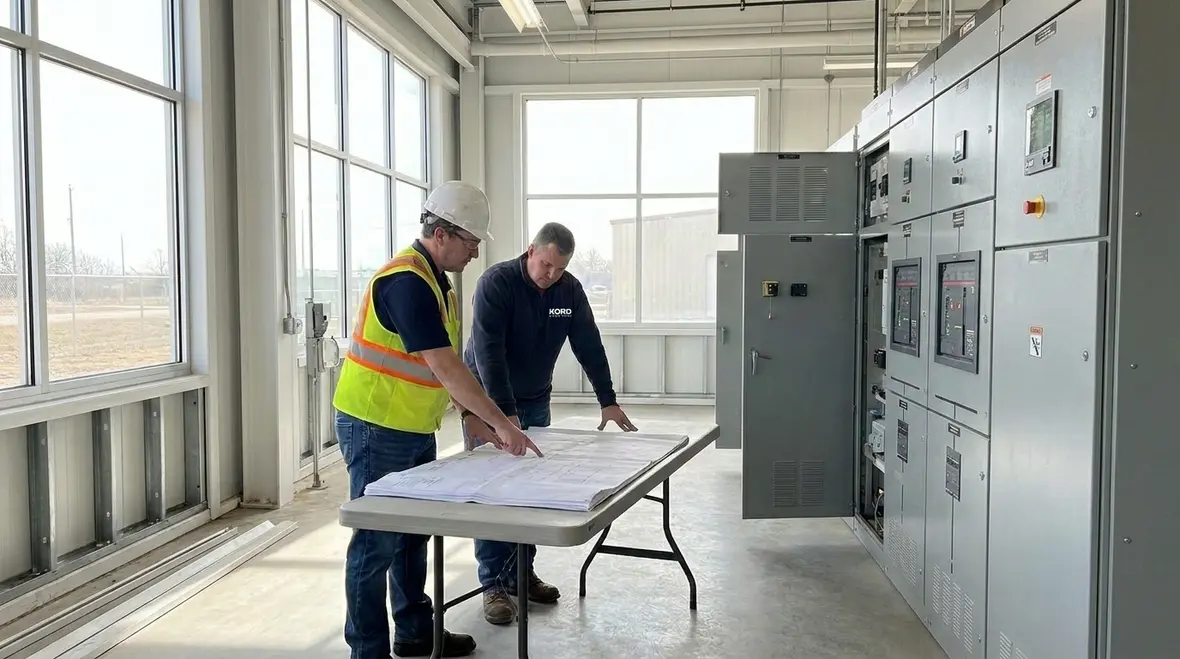
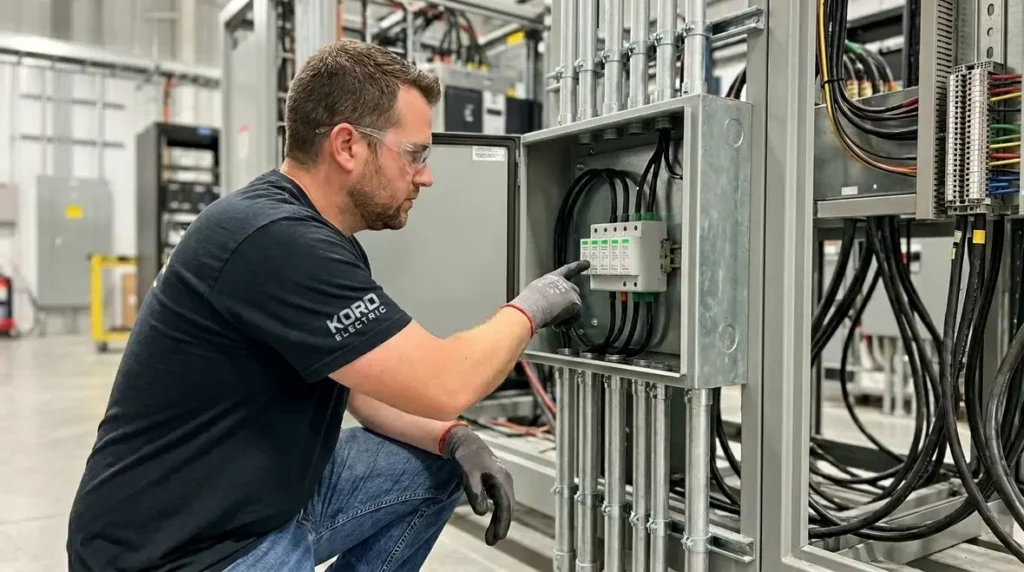
When we perform an industrial electrical safety assessment, we do not just glance at equipment labels. Instead, we trace where problems begin and how they spread. First, loose connections can hide behind clean-looking panels and “normal” readings. Over time, heat breaks down insulation, and the damage grows quietly, like a slow plot twist. Second, moisture and contamination can create a path for current where it should not go. In many commercial and industrial buildings, basements, mechanical rooms, and service corridors stay damp just enough to cause trouble.
Third, older components can fail in ways that a simple visual check misses. For example, a breaker might look intact, yet its internal contacts can wear down. Also, corrosion on bus bars and ground paths can reduce fault clearing performance. Then, there are human factors. Maintenance work that changes labels, moves conductors, or replaces one component without confirming coordination can create hazards that show up later.
Ultimately, our technicians document what they find, then they connect the dots so facility leaders understand the risk, not just the symptom. And when people ask why we take so many measurements, we respond with the same calm tone: because guessing is for trivia nights, not for electrical safety.
How we structure a safety assessment that actually protects people
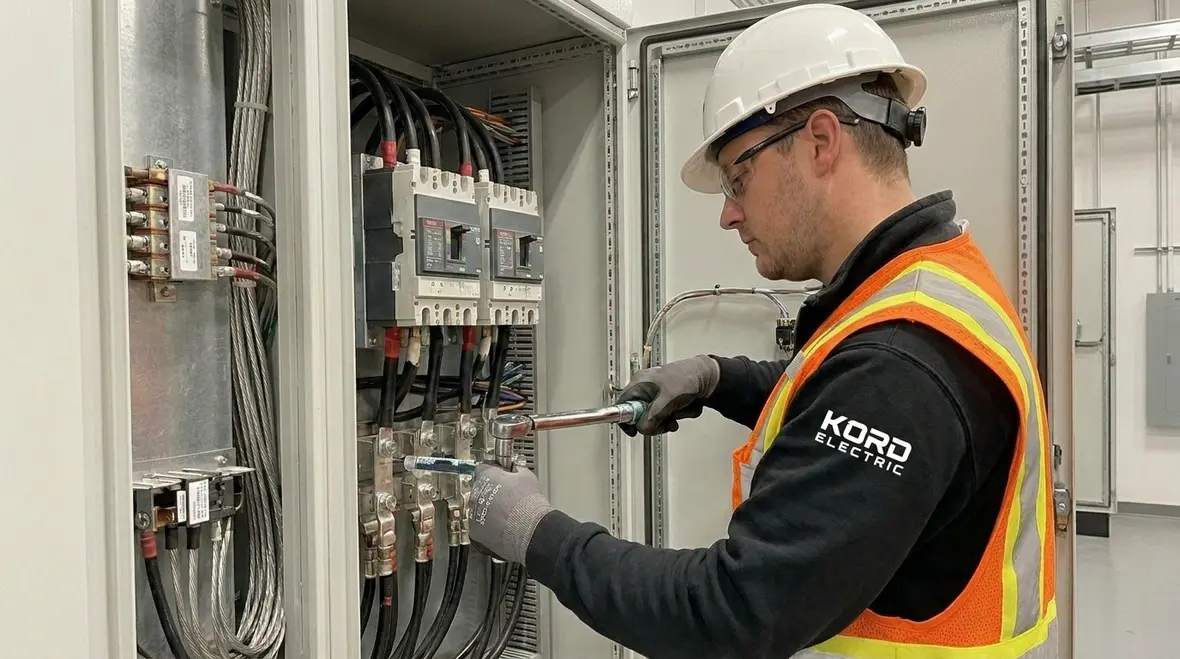
During an industrial electrical safety assessment, Kord Electric uses a step by step method that supports commercial and industrial facilities, plus major property buildings. We begin by reviewing the site history, including recent work orders, changes to loads, and any prior alarms or nuisance trips. Next, our expert service staff confirm the equipment boundaries, so we do not assess one portion while ignoring the rest of the system.
Then we move into field observations and controlled testing. Depending on the area, we may verify torque integrity on critical terminations, check for signs of overheating, and review grounding and bonding conditions. After that, we examine wiring routes and supports to ensure conductors remain protected from abrasion and movement. Finally, we validate whether safety features operate as intended, including fault detection and protective device behavior.
Because safety assessments should lead to action, we finish with a clear report. We classify findings by risk level, list the probable cause, and recommend practical fixes. Moreover, we coordinate our recommendations with facility schedules, since downtime is costly in manufacturing, data environments, and multi site operations.
Connecting assessment findings to real-world facility decisions
An industrial electrical safety assessment is only as valuable as what happens next. That is why we translate technical findings into decision-ready actions for facility management, operations leaders, and safety teams. We highlight where small changes can prevent larger issues, and we connect each recommendation back to reliability, safety, and compliance goals.
Conductive risk often starts where copper meets time
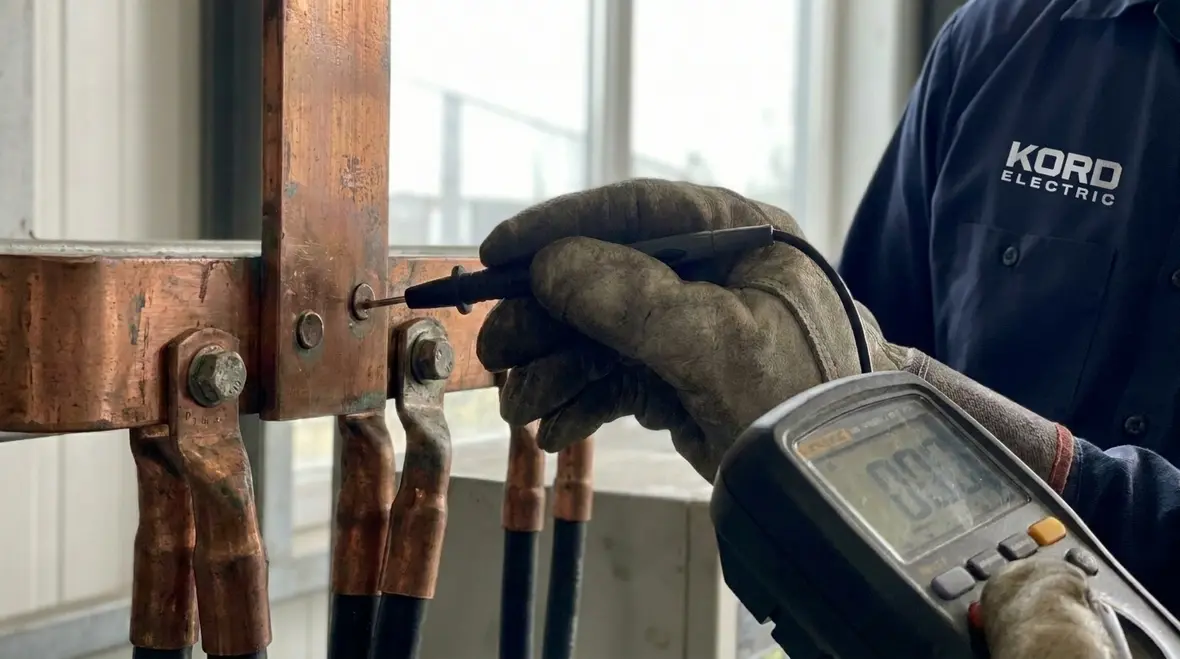
Conduction hazards usually grow at interfaces. That is where the quality of workmanship and the condition of materials meet reality. In switchgear, panels, and distribution equipment, the smallest issues can create big outcomes. For instance, a termination that is slightly off can increase resistance at the connection. As current flows, heat rises at that exact spot. Over time, that heat can carbonize insulation and weaken nearby components.
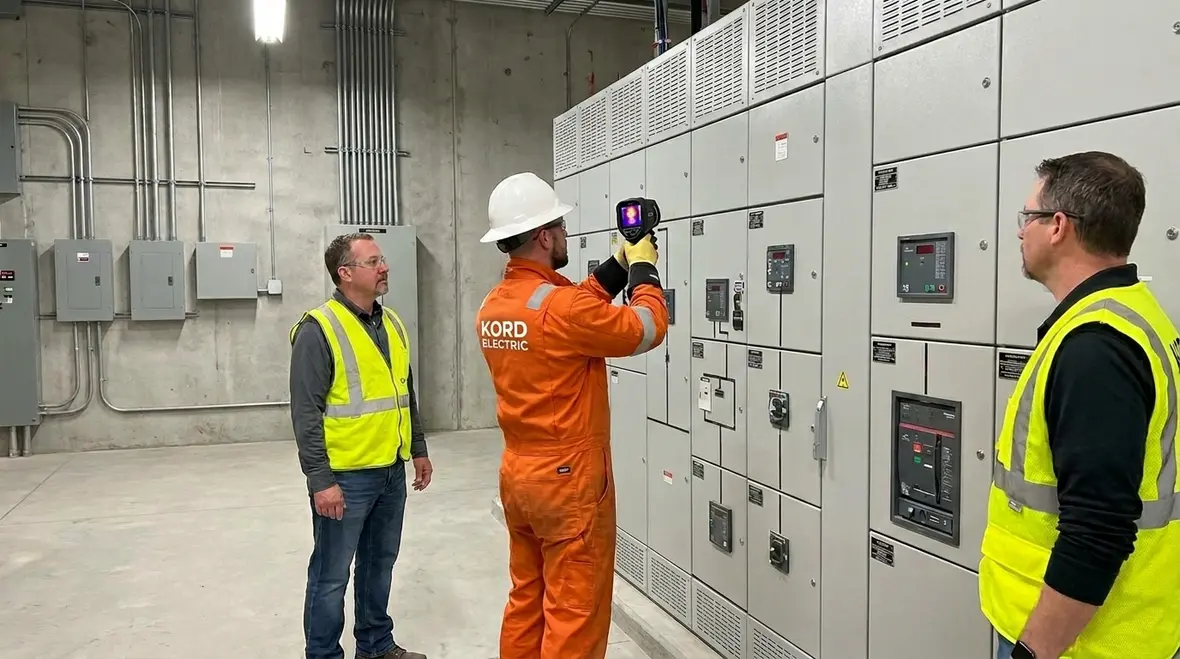
To prevent this, our technicians inspect lugs, bus connections, and cable interfaces using a careful look plus targeted checks. We also review whether maintenance activities matched the equipment requirements. If panel work happened without confirmation of torque standards, it can leave a connection either too loose or forced into place. Both conditions can fail. And yes, that includes “tight enough,” which is a measurement system invented by people who have never met a thermal camera.
We also pay attention to the protective grounding path. If grounding points corrode or become intermittent, fault current may not clear safely. Then, the risk shifts from electrical failure to personal safety. In commercial and industrial facilities, that is a line we do not cross. We recommend fixes that restore stable conductive paths and keep protective systems reliable.
Why grounded, documented maintenance supports safer operations
Grounding, bonding, and termination quality rarely become headlines, but they quietly determine how well a system behaves when something goes wrong. By documenting the condition of these components during every industrial electrical safety assessment, we give facility leaders a clear record they can reference during audits, planning meetings, and future upgrades.
Switchgear and panels: why maintenance details matter
Kord Electric draws from our knowledge around NFPA 70B and equipment upkeep. When facility teams treat switchgear and panel work like a “clean and close” routine, conductive hazards can slip through. Our blog on NFPA 70B electrical panels and switchgear maintenance highlights the practical side of doing the job right: following maintenance intervals, focusing on component condition, and confirming that protective systems stay within expected performance.
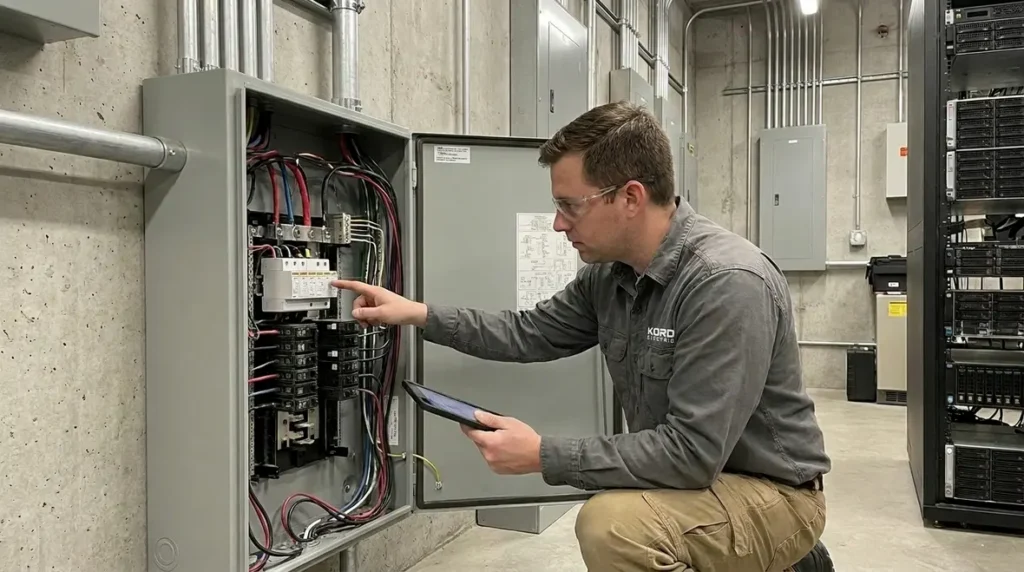
In the field, we apply those principles with a focus on what causes conductive risk. We check breaker and switch compartments for signs of overheating, verify that barriers and covers fit correctly, and review labeling and documentation to ensure technicians and operators have accurate information. We also pay attention to arc related concerns, because damaged insulation, loose parts, or compromised clearances can create hazards during fault events.
Additionally, we look at how the panels interact with upstream and downstream equipment. If a facility changes loads, the protective scheme may need review. Without that review, the system can behave differently during faults, and the outcome can become unpredictable. That is why we connect maintenance details to safety results, not just to compliance paperwork.
Linking panel maintenance to preventive programs
Panel and switchgear maintenance works best as part of a structured preventive plan. When our industrial electrical safety assessment identifies recurring issues, we often point facility teams toward broader electrical preventive maintenance strategies that keep equipment conditions stable instead of bouncing between crisis and quick fixes.
Documenting hazards for teams who need clear next steps
An assessment should not sit in a folder like a forgotten report in a desk drawer. Instead, it should guide decisions. After our industrial electrical safety assessment, we help commercial and industrial stakeholders understand what to do next, when to do it, and what impact to expect.
Our expert service staff organize findings in plain language. We include the equipment location, what we observed, why it matters, and what corrective action restores safe performance. Then we suggest a schedule that fits facility operations, since shutting down a production line or a critical building system is rarely a casual choice.
We also support prioritization. Higher risk findings receive attention first because they can lead to shock hazards, fire risk, or system interruptions. Lower risk items still matter, but we time them so your team stays safe without unnecessary disruption. In other words, we treat safety like a real business function, not a box to check.
And because we value clarity, we explain our recommendations in a way that your team can use. If someone says, “Can you just tell us the simple answer,” we smile and then we do the simple answer with the correct details behind it.
Turning assessment reports into practical work plans
Every facility has constraints, from limited shutdown windows to budget cycles and staffing limits. We help convert the assessment report into a staged plan that respects those realities, so you can tackle the highest risks first while still making steady progress on long-term improvements.
FAQ: quick answers for facility leaders
Take action before the next fault event
If you manage a commercial or industrial facility, you cannot afford hidden electrical hazards that only reveal themselves during failure. Kord Electric conducts industrial electrical safety assessment work that finds conductive risks early, supports safer operations, and helps your team plan repairs with fewer surprises. Our technicians and expert service staff guide you from observation to clear next steps, so safety stays steady and uptime stays protected.
For properties that want a structured path from assessment to long term reliability, partnering with Kord Electric on broader Los Angeles County electrical services and preventive programs keeps critical systems ready for real-world conditions, not just the monthly test everyone walks past in the hallway.
Reach out to Kord Electric today, and let us help you build a calmer, more reliable electrical future grounded in clear assessments, practical documentation, and maintenance that matches how your facility truly operates.