Industrial Electrical Surge Protection for Facilities
Industrial electrical surge protection starts with what we protect
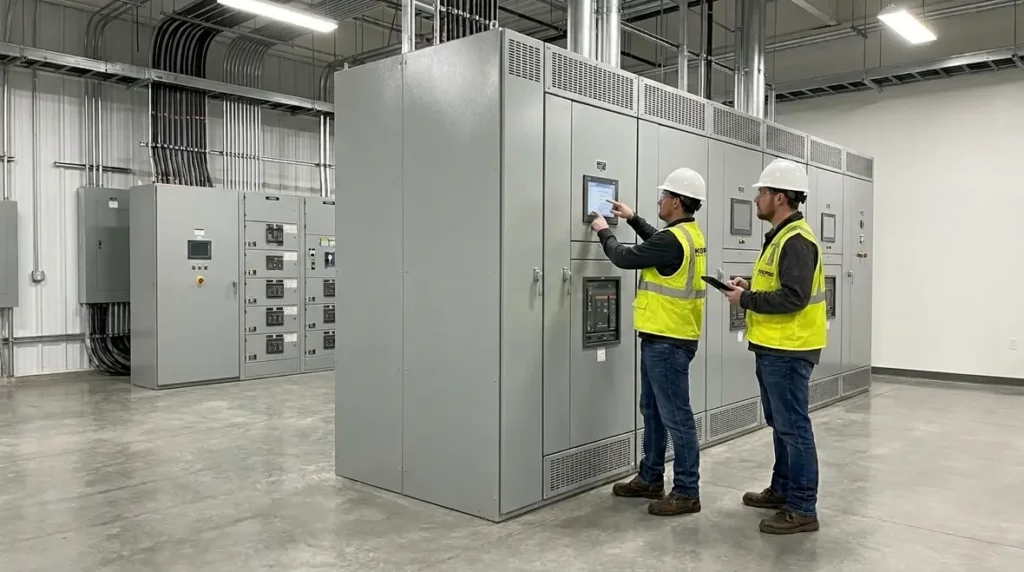
When voltage spikes hit, sensitive equipment can pay the price fast. At Kord Electric, we install industrial electrical surge protection to help safeguard motors, VFDs, PLCs, control panels, HVAC systems, and metering equipment across commercial and industrial facilities. We also support major property buildings where downtime hurts budgets and tenants notice. And yes, spikes can show up without warning, the way a pop quiz does when you thought you were safe.
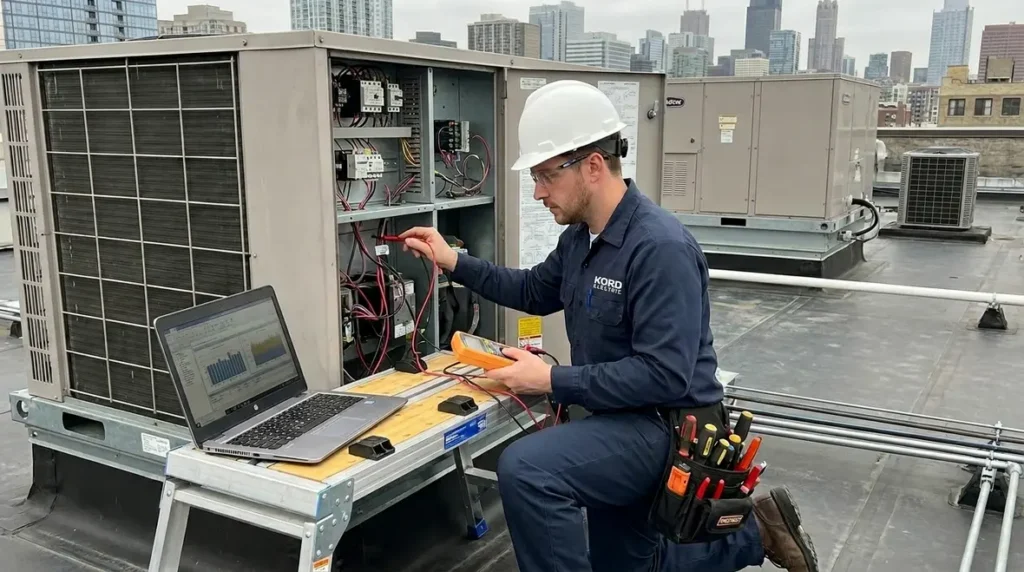
Our technicians explain what we see, what we test, and why the protection strategy matters. Then we build a plan that matches the site, the load types, and the way the power actually behaves. Because guessing is for movies. In real plants and property buildings, we use data, good design, and careful installation.
Why surge damage shows up before anyone finds the source
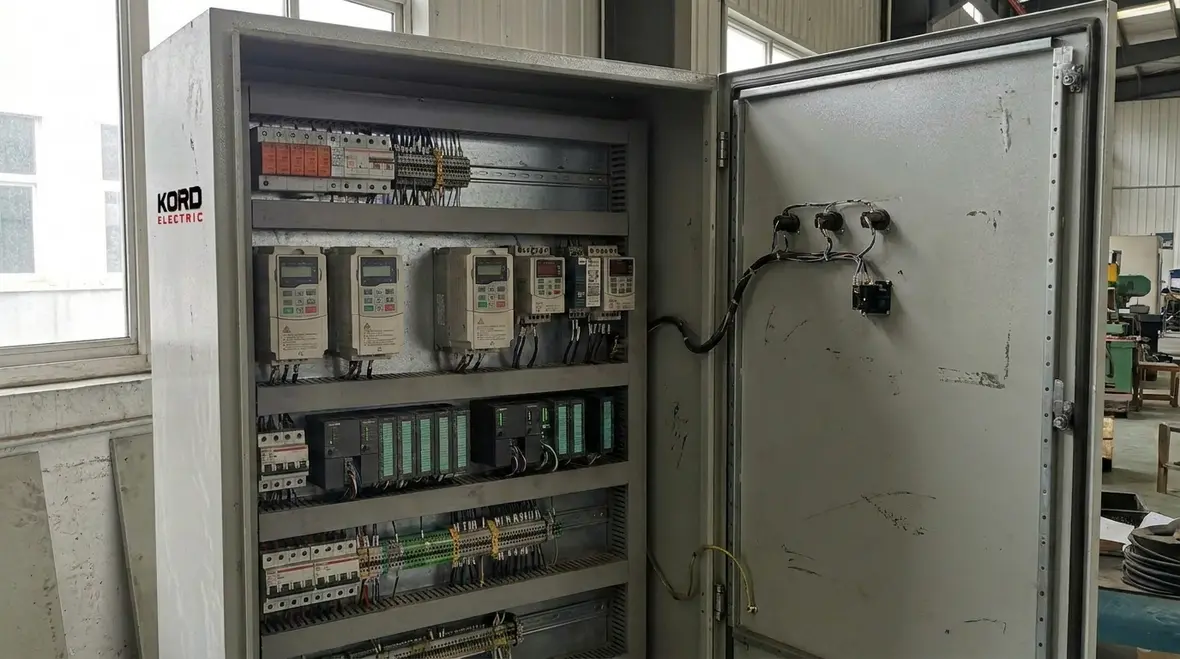
Most people blame lightning first, and sometimes that is correct. However, in commercial and industrial settings, surge events often come from internal causes too. For example, when large motors start, contactors switch, or welding equipment cycles, the electrical system can generate brief spikes and high frequency noise. Industrial electrical surge protection helps reduce the impact of these events, but only when we apply it at the right locations.
So, what does “damage” look like? Sometimes it is visible, like a blown power supply. Often it is sneaky, like a control board that fails months early. Additionally, a surge can weaken insulation and cause intermittent errors that feel random. Consequently, teams end up troubleshooting for hours, while operations stay down. We guide facilities through this problem by looking at the whole path from utility entry to the equipment it serves.
Where we install protection so it actually works
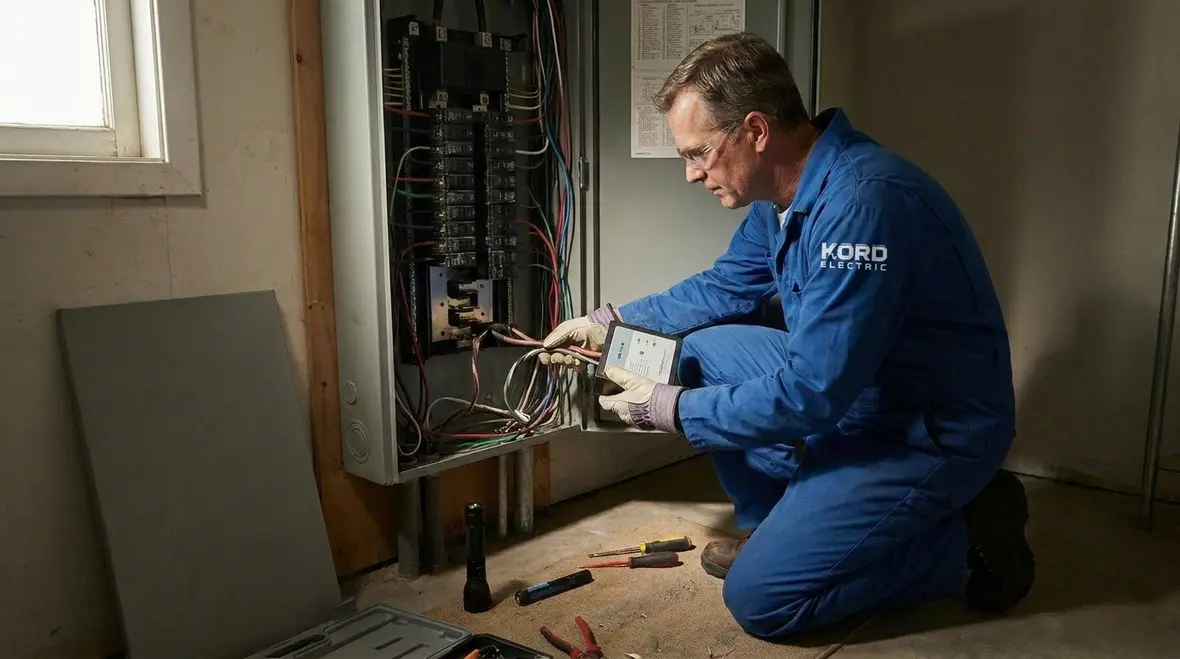
Effective surge protection is not a single device slapped on a panel. Instead, it is a coordinated system. First, we focus on the service entrance, where transients enter the building. Then we add protection closer to the loads that need it most. Finally, we may include device level protection for sensitive controls, communication equipment, and measurement circuits.
Our expert service staff approach is practical. We review the facility one circuit group at a time and map the electrical distribution. Then we select surge protective devices and design the layout for the real routing of conductors. This matters because long wire runs reduce performance. In other words, if the protection device is “far away,” it might help only in theory, like wearing a helmet after the crash.
Additionally, we coordinate protection stages. Many facilities need multiple stages, such as service entrance protection plus downstream devices at branch panels. We also consider grounding and bonding details, because surge control depends on a stable reference. When grounding is weak, energy has more room to roam.

How our technicians reduce risk for control systems and power electronics
Modern facilities run on electronics. Control systems, PLCs, SCADA nodes, and VFDs handle automation and speed control. These devices use solid state components that can be sensitive to voltage surges and fast rise-time events. Therefore, we do not treat every panel the same. We match the protection method to the device types and the operating environment.
During site work, we explain our process as we go. Our technicians show which panels feed critical equipment and where noise travels. Then we recommend industrial electrical surge protection that aligns with the voltage level, the wiring configuration, and the expected transient sources.
We also pay attention to coordination. For example, if an upstream device clamps energy but a downstream device conflicts in response time, performance drops. Moreover, poor coordination can lead to nuisance faults or reduced life of devices. We test, verify, and document as part of our service so facility teams can trust the results.
And just to keep things real, we sometimes hear, “We installed something years ago, so we must be fine.” Well, we respect confidence, but electrical systems do not age like wine. They age like a coffee machine left on all night.
What to include in a surge protection plan for property buildings
For major property buildings, the surge plan must protect more than one tenant or one mechanical room. We treat the building like a connected system. Power enters, distribution branches, and equipment clusters across floors and mechanical areas. Thus, we help facility owners and building managers reduce risk across the entire electrical network.
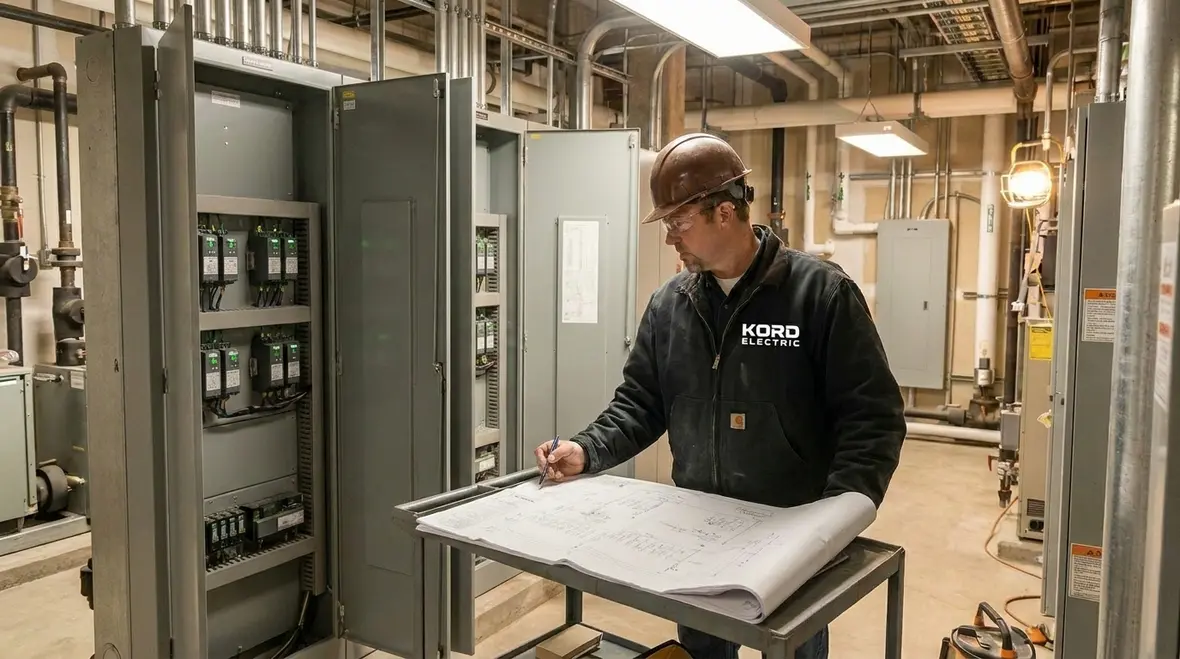
Our planning typically includes these steps, done in a sequence that makes sense on site. First, we collect electrical one line information and confirm actual panel feeds. Next, we evaluate grounding and bonding practices, because surge currents need a safe path. Then we assess where sensitive loads exist, such as elevators, fire alarm systems, security systems, life safety controls, data rooms, and building automation systems.
Then we design the surge protective device strategy with proper placement and coordination. After installation, we verify that the system functions correctly and remains aligned with operational requirements. We also consider future changes, because a building rarely stops evolving after the switchgear is installed.
How we keep performance steady with maintenance and testing
Surge protective devices are not “set it and forget it” in the way people imagine. When surges occur, devices can experience wear. Some designs include indicators, and we recommend inspection routines that match facility risk. Additionally, environmental factors like moisture, corrosion, and vibration can affect connections over time.
That is why our expert service staff focuses on consistency. We review device status indicators, inspect terminations, and check for signs of damage at panel locations. We also confirm that the grounding and bonding points stay secure and compliant. As part of our approach, we explain what we find and what we recommend next, so your maintenance team has a clear record.
We also help businesses plan for upgrades. If a facility adds new VFDs, expands automation, or changes the load profile, the surge strategy should evolve. Otherwise, the protection may no longer match the new risk profile. For many organizations, pairing surge strategies with structured electrical preventive maintenance keeps the entire system aligned with how the facility actually operates over time.
Dual column checklist for choosing the right surge protection scope
Use this quick checklist when deciding what to protect and where to start. It helps commercial and industrial facility teams move from “we should” to “we can,” fast.
Assess first
- Confirm service entrance voltage and wiring type
- Identify critical control panels and power electronics
- Check grounding and bonding quality
- Map branch circuits that feed sensitive loads
- Review recent equipment failures or nuisance trips
Design for performance
- Place protection at utility entry and downstream panels
- Coordinate device stages for fast transient events
- Verify conductor routing and length limits
- Use indicators and inspection points for tracking
- Plan upgrades when loads change
FAQ: industrial surge protection for facilities
Call Kord Electric before the next spike finds your weakest link
We protect commercial and industrial facilities and major property buildings with surge strategies that match the way power actually moves through your site. Our technicians explain the plan in plain language, then install industrial electrical surge protection with care and verification. If you are planning a retrofit, upgrading equipment, or you have seen unexplained failures, reach out to Kord Electric. We will assess your distribution, design the right protection scope, and help you reduce downtime risk.
Many facilities also connect surge protection with broader reliability work, from electrical preventive maintenance programs to support during emergency power failures in commercial buildings. When your surge plan, maintenance plan, and response plan all support each other, your equipment has a better chance of riding through the next surprise without turning into an unplanned outage story.
If you are ready to fold surge protection into a larger strategy for panels, switchgear, and distribution, Kord Electric can help you align it with your existing commercial and industrial electrical maintenance routines and upcoming capital projects. Let us handle it before your controls start acting like they are haunted.