Industrial Energy Audit Benefits for Manufacturing Profits
How Industrial Energy Audits Protect Manufacturing Profits
Industrial energy audit benefits can feel like a hidden lever inside a factory: you pull it, and suddenly the whole operation runs smoother. At Kord Electric, we see manufacturers and large property owners win back profit through targeted upgrades, fewer shutdowns, and smarter power use. In fact, when our team completes a focused review, the results often show up in energy bills, maintenance schedules, and production reliability. And while some people treat energy like background noise, we treat it like a key line item that can either drain margins or help them grow. After all, nobody wants their profits taking a surprise vacation while the lights stay on. They usually do.
What an Energy Audit Really Does on a Plant Floor
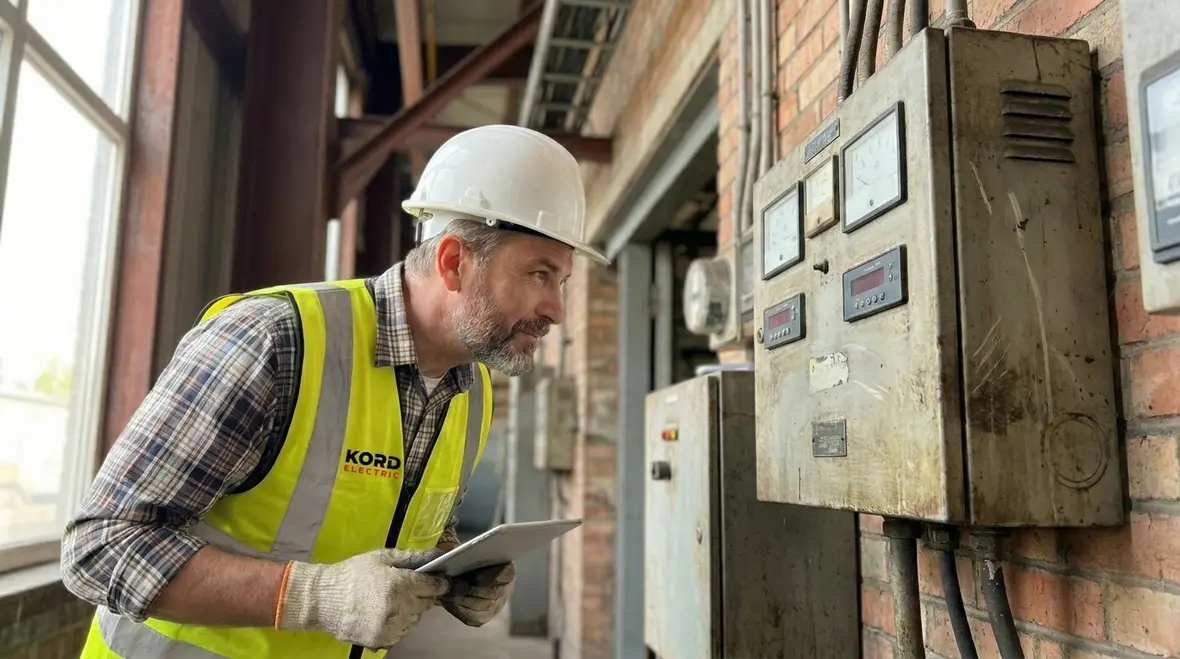
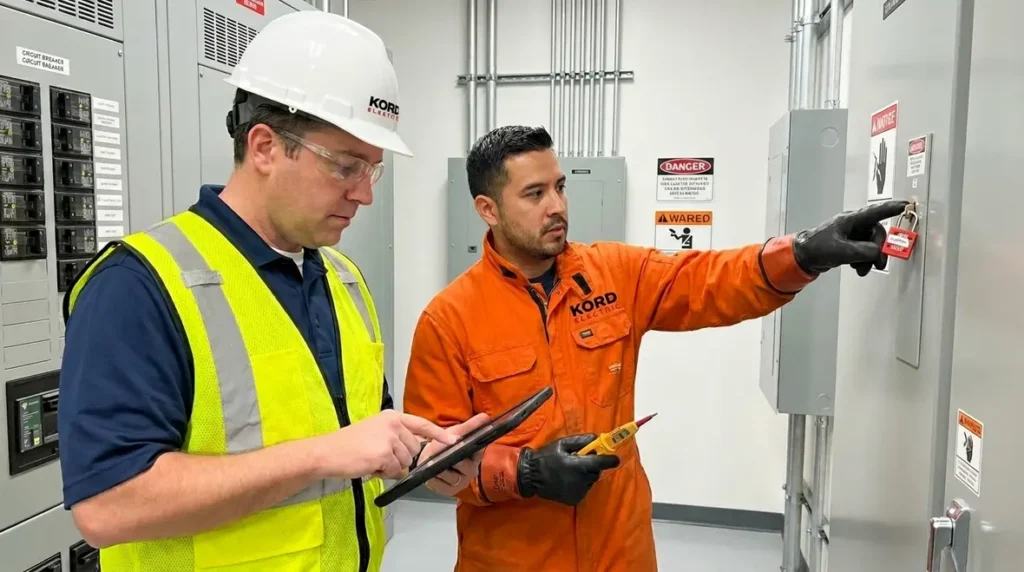
In our experience, an energy audit is not a generic spreadsheet exercise. It starts with how the site actually runs. Our technicians and expert service staff walk the facility, observe load behavior, review utility bills, and inspect equipment that drives demand. Then they build a clear picture of where power goes, when it peaks, and what wastes energy quietly every day.
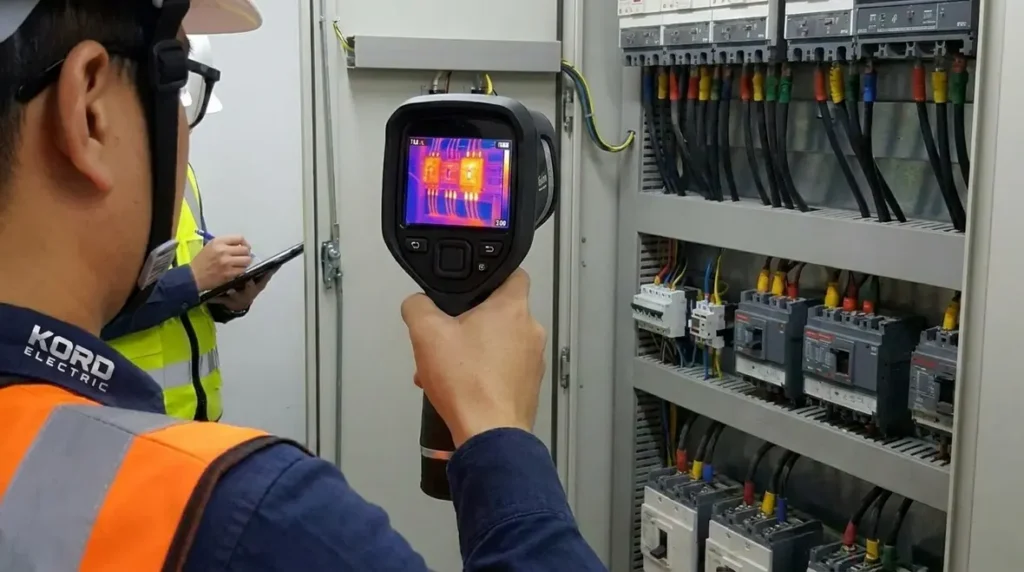
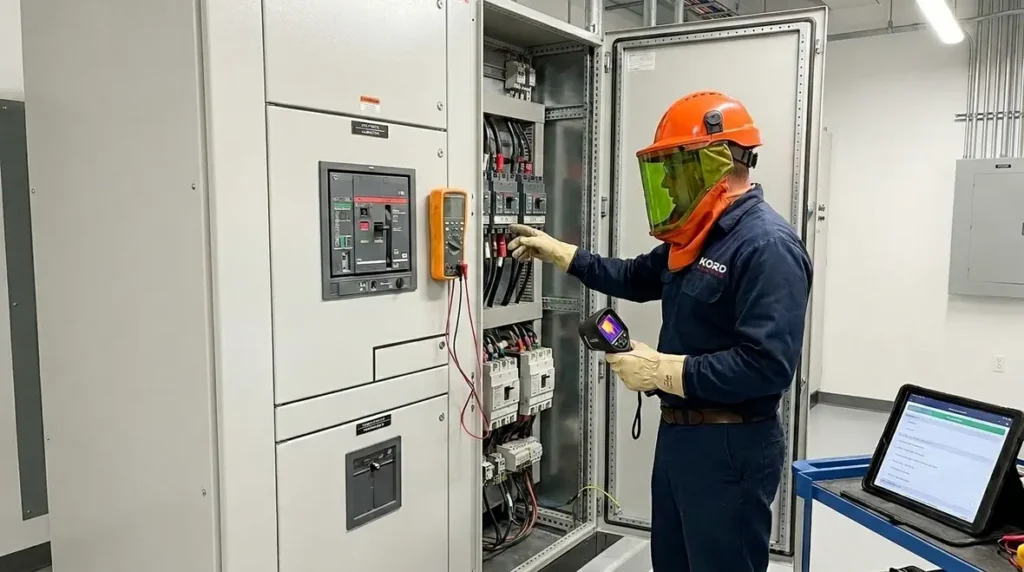
Next, we validate findings with real measurements, not guesses. We look at motor loads, compressed air systems, HVAC operation, lighting conditions, and power quality issues that can create extra losses. Then we compare those results against practical operating targets. Additionally, we identify operational habits that increase consumption, like running fans or pumps when no one needs them. Transitioning from observation to data is where many teams either step up or slow down. We step up.
For manufacturers in Los Angeles County and surrounding areas, pairing that on site review with local code requirements and practical upgrade options can keep projects grounded in reality instead of theory. That is one reason many facility teams connect an audit to broader commercial and industrial electrical services for Los Angeles County operations so electrical work, controls, and maintenance move in the same direction.
Where Manufacturing Energy Gets Lost, Quietly
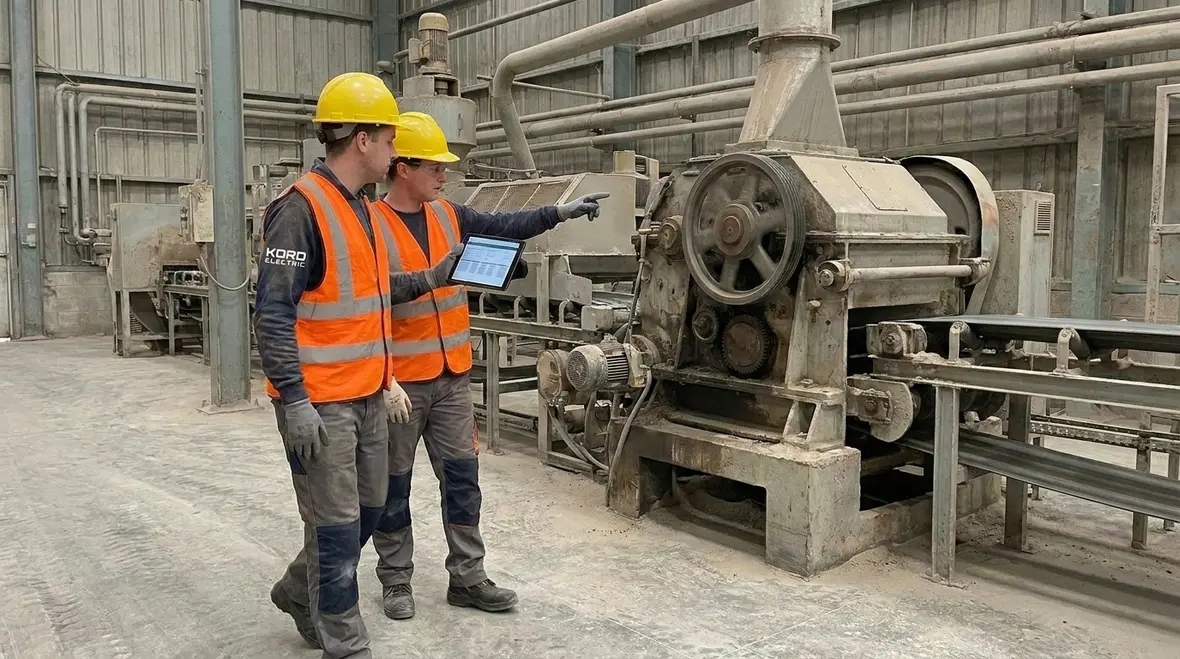
Manufacturing facilities often lose money in places that do not look dramatic. A motor that runs slightly inefficiently, a compressed air leak that seems small, or a control sequence that keeps equipment cycling can add up fast. And because production schedules change, those losses also move around. As a result, audits must track both steady loads and shifting demand across shifts.
Common loss areas we see in commercial and industrial facilities include:
- Compressed air that leaks or runs at higher pressure than needed
- Motor systems with poor control, oversized equipment, or aging drives
- HVAC schedules that ignore actual occupancy and process conditions
- Lighting that stays on too long or uses older fixtures
- Power quality problems that increase stress on equipment
At Kord Electric, we also look for how electrical distribution and protection devices behave under real load. Because if a system runs close to limits, even small changes can create maintenance trouble later. We help our clients see the “why” behind costs, not just the “what” on the bill.
This is where industrial energy audit benefits become very practical: instead of guessing at where energy disappears, you get a map of specific systems, schedules, and behaviors that quietly eat into margins, shift after shift.
Turning Findings Into Profit: The Industrial Energy Audit Benefits Plan

When we talk about industrial energy audit benefits, we mean financial benefits you can explain to leadership. So we build a plan that connects technical improvements to operational outcomes. First, we prioritize recommendations based on impact, urgency, and feasibility for your plant schedule. Then we present options in a way that helps decision makers act, rather than archive the report for later.
Typically, we break projects into sensible phases so operations do not get disrupted. For example, quick wins often include control tuning, leak repair programs, and operational scheduling changes. Meanwhile, larger upgrades might focus on motor efficiency, drive optimization, or lighting retrofits for manufacturing and support areas. In addition, we plan around downtime windows and maintenance cycles so crews can install with minimal disruption.
We also connect electrical preventive maintenance with energy performance. When equipment operates correctly, it uses less power and it fails less often. And that is the part people forget. Maintenance and energy are not separate worlds. They are roommates, and they either get along or they argue all year.
Many of our manufacturing clients treat the audit as a launch pad into a structured program like electrical preventive maintenance for commercial and industrial facilities, so that newly installed upgrades stay tuned, clean, and protected over time instead of drifting back toward waste and unplanned downtime.
How Electrical Preventive Maintenance Locks in Efficiency
Kord Electric supports major property buildings and industrial facilities with electrical preventive maintenance that protects performance over time. Our approach matters because even the best upgrade can lose value if controls drift, insulation degrades, or connections loosen. So we keep systems stable, and we help stop small faults from turning into expensive events.
Our philosophy aligns with the same discipline described in our electrical preventive maintenance work. In that framework, we focus on planned inspections, documented findings, and corrective action before problems become shutdowns. Additionally, we help clients maintain safer operations and better power delivery by monitoring key electrical components.
To keep things practical, we often recommend maintenance actions that support energy outcomes, such as:
- Inspecting and tightening electrical connections to reduce resistance losses
- Checking distribution performance to prevent overload and unnecessary heating
- Verifying protective settings so equipment runs within design limits
- Reviewing load patterns so systems match real production needs
And yes, we will explain what we find in plain language. Our technicians and expert service staff talk through the issues like they are telling you what is going on in the machine, not like they are reading a bedtime story from a 600 page manual. If you cannot understand it, you cannot improve it. If you understand it, you can act.
Over time, this blend of industrial energy audit benefits and disciplined preventive maintenance turns into a kind of “profit shield” for manufacturing: fewer surprise outages, steadier energy use, and a tighter grip on lifecycle costs for critical equipment.
Roadmap From Audit to Results for Commercial and Industrial Sites
Most clients want a clear path, not a pile of recommendations. So we help them move from audit findings to execution. First, we confirm priority areas and outline an installation strategy that fits production reality. Then we build a schedule that considers lead times for parts and coordination with operations.
After that, we support commissioning and verification. Transitioning from “installed” to “performing” requires testing, measurements, and adjustments. We help ensure controls behave as intended, and we monitor system response after changes. As the months pass, we track whether savings remain stable and whether maintenance activities protect performance.
Finally, we provide ongoing guidance so improvements stay locked in. Energy savings can fade when systems drift back to old settings or when maintenance stops. However, with preventive maintenance and periodic reviews, facilities keep performance on track. In our world, we treat efficiency like a production line that needs attention, not a one-time setup like a microwave clock.
For sites that want to pair energy improvements with reliability upgrades, it is common to align industrial energy audit benefits with services like voltage stability assessments, panel labeling improvements, or lighting layout optimization so that power quality, visibility, and safety rise together instead of in isolation.
FAQ: Industrial Energy Audits and Profit Protection
Key Takeaway: Keep Energy From Eating Your Margins
Industrial operations do not run on luck. They run on equipment, controls, and power that behave as designed. When facilities get an accurate assessment and then follow through with execution and preventive maintenance, the business benefits show up in dependable output and healthier budgets. Kord Electric helps manufacturing leaders and major property owners find waste, fix the root causes, and protect results over time. If you are ready to turn energy data into profit, contact Kord Electric today for an on site review and a clear action plan you can trust.
For many teams, the real win is realizing that industrial energy audit benefits are not a one time bonus. They become part of an ongoing strategy that ties together audits, electrical preventive maintenance, and focused upgrades across systems like lighting, distribution, and voltage stability—so the plant’s electrical backbone supports growth instead of quietly limiting it.
If your facility is ready to explore how these strategies fit into a broader reliability and upgrade roadmap, you can also review related services and schedule support alongside your next maintenance cycle, keeping projects coordinated and downtime under control.