Industrial Facility Electrical Audit Saves Money
Industrial facility electrical audit benefits: why annual checks save real money
In commercial and industrial facilities, an Industrial facility electrical audit is not a yearly box to tick. It is how we protect people, keep production steady, and reduce surprise costs. Kord Electric focuses on major property buildings and industrial sites where downtime is expensive and electrical faults can turn into safety incidents fast. Each year, we review how power actually moves through your systems, not how the drawings say it should. And when our technicians find problems early, others get to keep their schedules, their budgets, and their nerves.
So yes, an annual audit feels like homework. But unlike schoolwork, it earns you peace of mind. Others may ignore it until the lights flicker, the breakers trip, or equipment starts running “just a little off.” We prefer calm, predictable power over mystery outages.
What an annual electrical audit looks like in a real plant
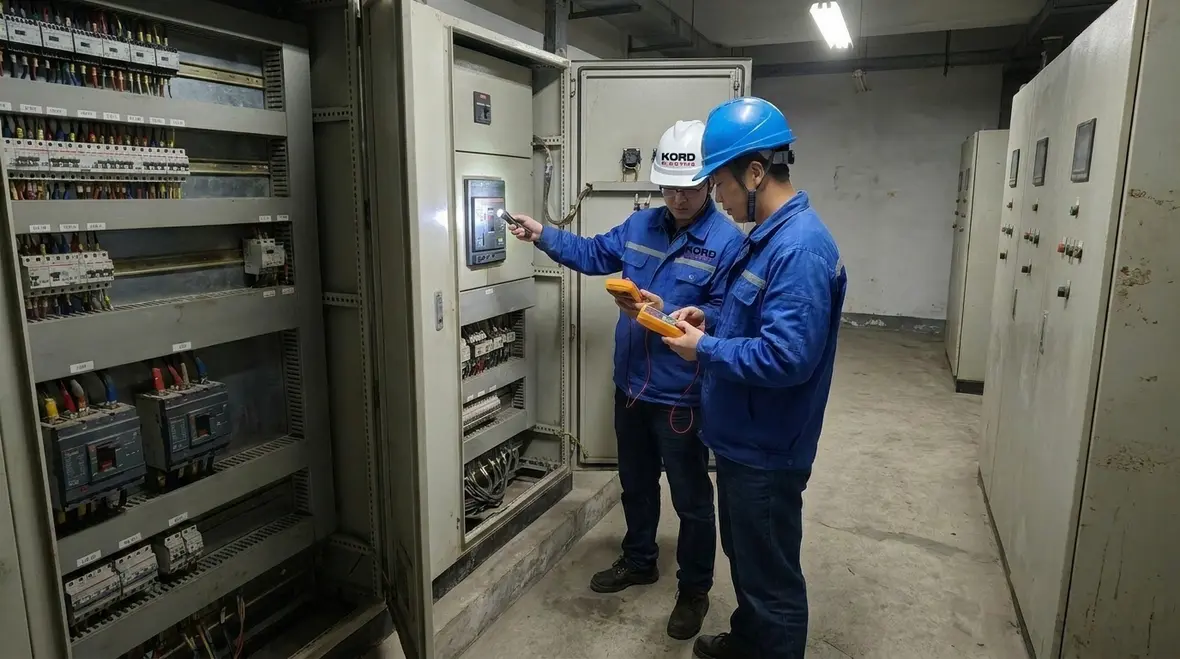
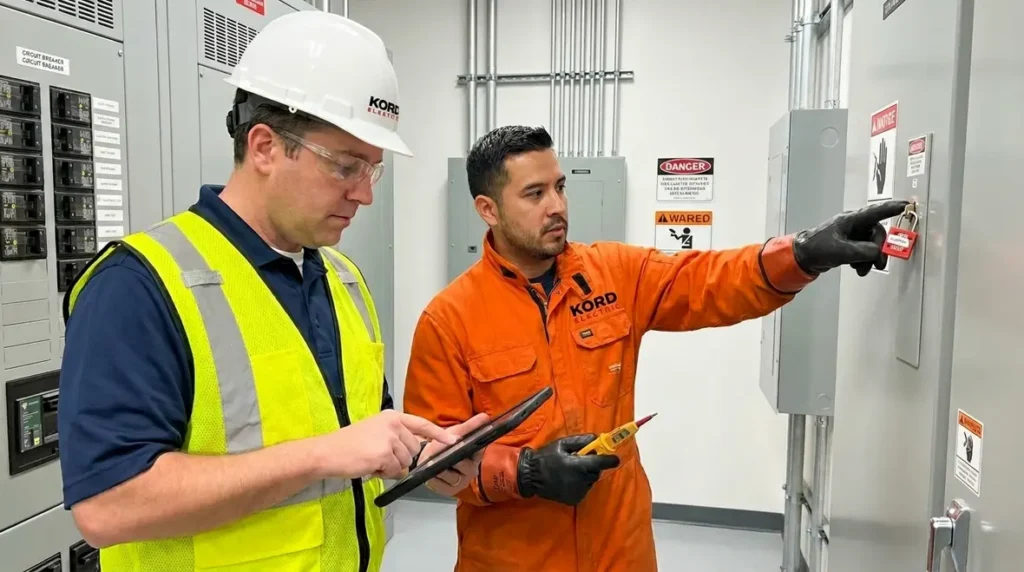
In practice, an audit is not one quick walk-through with a clipboard. First, our expert service staff starts by understanding your site. We review single line diagrams, maintenance history, arc flash labels, recent fault events, and any changes made during the past year. Then, we compare those documents to what is actually installed and operating.
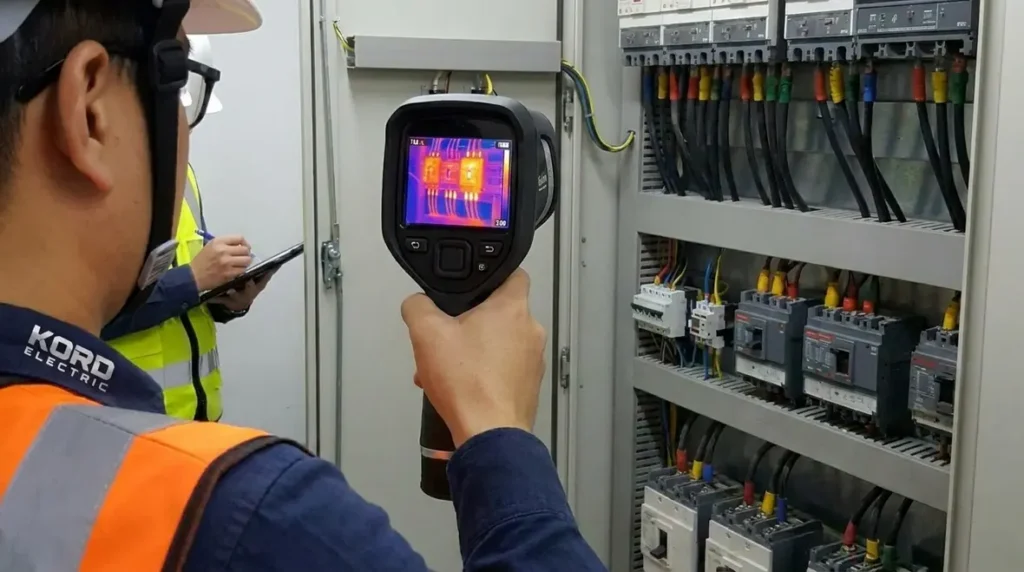
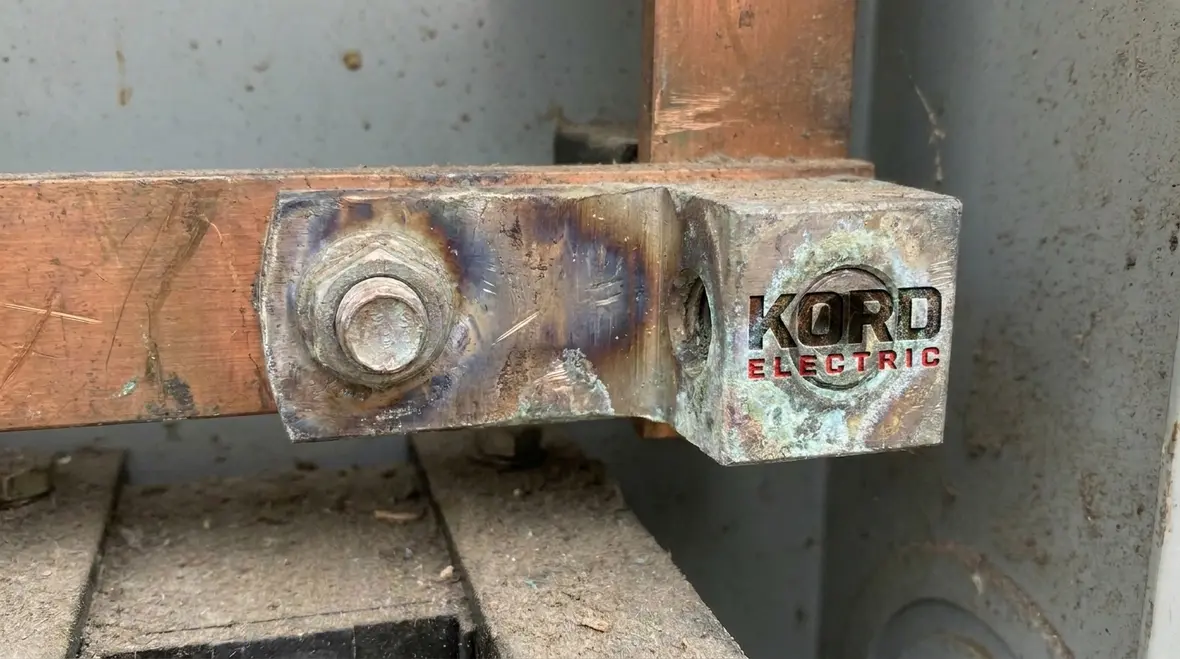
Next, our team inspects distribution panels, MCCs, transformers, switchgear, bus bars, grounding systems, and key feeders. We look at connections, signs of heat, insulation condition, and labeling quality. If a connection looks like it has been through a long, dramatic relationship with heat, we document it. If grounding and bonding look questionable, we test and verify. And if the load patterns changed, we update our risk view accordingly.
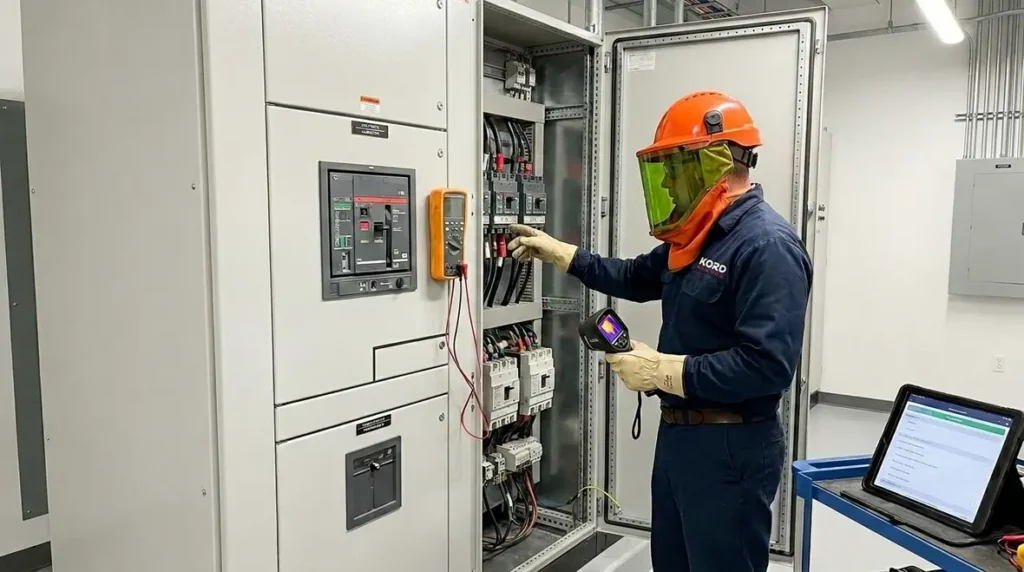
From there, we typically measure electrical parameters such as load current, voltage levels, harmonics indicators, and available fault current where appropriate. In addition, we evaluate protective device settings and coordination logic, so protective devices trip correctly in the right scenario. In other words, we make sure your system fails safely, not just loudly.
Why industrial electrical failures happen after months, not minutes
Industrial problems often build slowly. That is the part people miss. A loose lug might not cause a big failure on day one. However, heat cycles can loosen it further. Moisture can creep in where gaskets do not seal well. Dust and vibration can wear contact points. Over time, resistance rises, temperatures climb, and the risk accelerates.
Meanwhile, production changes. When others add equipment, shift operating schedules, or run processes differently, the site load profile changes. As a result, the electrical system can operate outside its comfortable range. That is when we start seeing nuisance trips, voltage dips, motor stress, and inconsistent performance.
Additionally, electrical components age in ways most teams do not track. Transformers drift, breakers get out of tolerance, and capacitor banks can detune if they are not maintained. Therefore, the annual audit becomes a disciplined way to catch gradual degradation before it turns into sudden downtime.
Safety, compliance, and the arc flash reality
Safety is not a slogan. It is a procedure, a standard, and a real-world outcome. In industrial settings, the stakes are high because maintenance tasks require access to energized or recently energized equipment. We know this. Our technicians explain hazards in plain language so facility teams can act without guesswork.
During an audit, we support safety risk understanding by reviewing arc flash and shock hazards based on system configuration and protective device behavior. We also verify that safety labels match the equipment as it exists now. If someone modified a panel or replaced a component, that label can become outdated. Then the risk calculations no longer reflect reality.
Furthermore, annual reviews support ongoing compliance efforts that commercial and industrial facilities must maintain. Others often treat compliance as paperwork. We treat it as an engineering habit. It keeps training accurate, job plans safer, and emergency response clearer.
And yes, if your arc flash study feels like it was written in another century, we do not blame you. But we still bring it forward into the current electrical setup.
Power quality and downtime: the hidden costs
Power quality issues rarely announce themselves with a siren. Instead, they show up as a slow leak: reduced motor efficiency, sensor glitches, unstable control performance, and early component wear. Even if operations continue, the equipment often takes the long way to finish the job.
In many industrial facilities, harmonics and voltage irregularities can strain transformers and wiring. Also, capacitor banks for reactive power correction can behave differently under varying load conditions. If that behavior drifts out of target, you may see overheating or unexpected breaker activity.
Therefore, our technicians focus on how power quality affects your specific equipment. We look for patterns that align with production changes. Then we recommend practical fixes that fit industrial schedules, not just theoretical best practices.
When others say “we will troubleshoot later,” the cost usually lands later. We prefer to prevent the later part. That is one reason the Industrial facility electrical audit process reduces chronic performance problems and supports long-term reliability.
For facilities already fighting unstable voltage or unexplained trips, pairing an annual audit with dedicated voltage fluctuation diagnostics and repair helps close the loop between root cause and long-term correction.
Equipment longevity and efficiency improvements that actually stick
Another reason we push annual audits is simple. Electrical systems are expensive to replace, and they rarely fail on a clean timeline. However, when we uncover issues early, we help extend equipment life. A tightened connection, a corrected protective setting, or a verified insulation condition can keep a component operating in its designed range.
Efficiency also improves when the electrical system runs as intended. Less heat means less wasted energy and fewer thermal stresses. Better protective coordination means fewer unnecessary trips and fewer interruptions to critical loads.
Importantly, we present findings with priorities. Our expert service staff does not dump a massive list and leave it at that. Instead, we separate risks from maintenance opportunities and outline what to address first, why it matters, and how it supports business goals. Then facility teams can plan repairs during scheduled downtime rather than during crises.
Think of it like tuning an engine. You can drive for a while with a rough idle. But once you hear the knock, you already lost some peace of mind. Our approach catches the “knock” before it becomes a headline.
For properties that are already planning upgrades, pairing Industrial facility electrical audit benefits with structured electrical preventive maintenance programs turns one-time fixes into long-term reliability gains.
How Kord Electric delivers clear recommendations and follow up
We serve commercial and industrial facilities, including major property buildings that need disciplined electrical oversight. That focus shapes how we work. We do not treat your site like a generic case study. We tailor the audit process to your distribution layout, your operating environment, and your maintenance routines.
First, our technicians gather evidence through inspection and measurement. Then we organize results into actionable recommendations. We also explain each item in plain language, so others on your team understand the “what” and the “so what.” From there, we help you create a practical plan that aligns with safety requirements and operational constraints.
To keep momentum, we support ongoing follow-through. Facilities do not always fix every item at once. So we track priority, verify what was resolved, and adjust future recommendations based on system changes. Additionally, if future upgrades occur, we can incorporate them into the next audit cycle.
This approach turns an audit into a repeatable improvement system, not a one-time event that lives in a folder. And we keep it that way because we want your electrical infrastructure to stay dependable, not just documented.
If your facility is already considering lighting, power distribution, or ceiling-mounted equipment upgrades, exploring how audits integrate with projects like commercial and industrial lighting installation or large-scale ceiling fan installation can streamline both safety planning and construction schedules.
FAQ
Conclusion: schedule an audit with Kord Electric
Annual electrical audits keep commercial and industrial facilities safer, steadier, and more cost controlled. Kord Electric brings expert service staff and field-tested practices to identify issues before they interrupt production or increase risk. If your facility runs critical systems, has added equipment, or experienced any recent nuisance trips, it is time to act. Reach out to us to schedule your next industrial electrical audit and get a clear plan you can execute during normal downtime. Let’s keep your power calm and your operations on track.
If your site is already planning broader upgrades or wants to formalize a maintenance strategy, exploring Kord Electric’s Electrical Preventive Maintenance services is a practical next step. Integrating Industrial facility electrical audit benefits with a structured service program helps lock in savings, extend equipment life, and keep critical power systems ready for whatever your production schedule demands next.