Industrial Lighting Retrofitting Benefits for Productivity
At Kord Electric, we help commercial and industrial facilities go beyond basic energy savings with industrial lighting retrofitting benefits that you can actually feel on the floor. When we replace aging fixtures with modern, well designed lighting, we do more than lower kWh. We improve how well people can see, how safely they move, and how smoothly they do their work. In other words, we do not just brighten hallways, we support performance. And yes, we hear the jokes about “turning on the lights and calling it a day.” But our technicians know better, because a lighting retrofit can change productivity in ways energy bills cannot fully measure.
Why lighting quality changes how people work
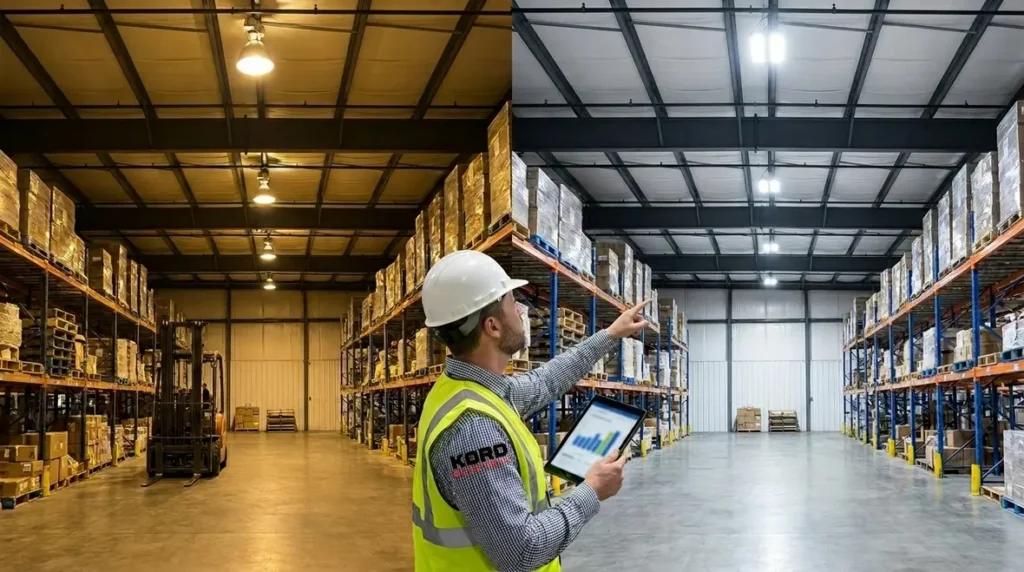
Industrial lighting affects more than visibility. It shapes comfort, focus, and the speed at which workers complete tasks. When light levels are too low, people lean in, slow down, and take extra steps to confirm what they see. When lighting is uneven, eyes constantly adjust, and that adds friction to every shift. Meanwhile, glare can create distraction and raise the risk of mistakes.
So, we approach upgrades like a practical system, not a one time purchase order. Our team examines the work environment, the tasks being performed, and where the fixtures create bright and dark patches. Then we design changes that keep light stable across the entire area. As a result, workers spend less time “rechecking” details and more time completing jobs correctly the first time.
And if you have ever watched a forklift operator squint at a shadowy corner, you already understand the issue. We fix the shadows, not just the bulbs. That is how industrial lighting retrofitting benefits start to show up in real workflows.
What we measure before we recommend a retrofit
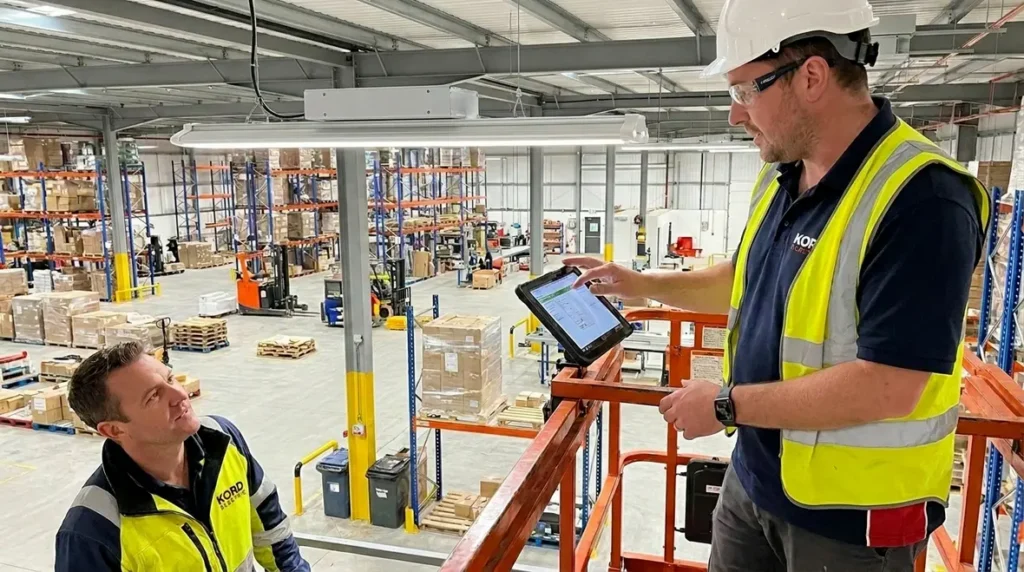
Our expert service staff explains the process clearly because industrial teams deserve answers, not mystery. First, we evaluate the existing lighting performance. We review fixture age, lens condition, dirt buildup, and how the layout affects beam spread. Next, we consider how tasks are actually done. A warehouse picker needs different lighting than a maintenance bay. A loading dock needs different treatment than a quality control station.
Then we check the “human side” of illumination. We look at glare sources, contrast ratios, and lighting consistency near common work points. We also think about how often the area is used, when shifts run, and whether emergency lighting requirements impact the plan.
At this stage, we may also confirm electrical conditions such as driver compatibility, wiring status, and control options. However, our goal stays the same: build a lighting approach that improves comfort and reduces visual strain. That is the foundation for higher output, fewer errors, and steadier work quality.
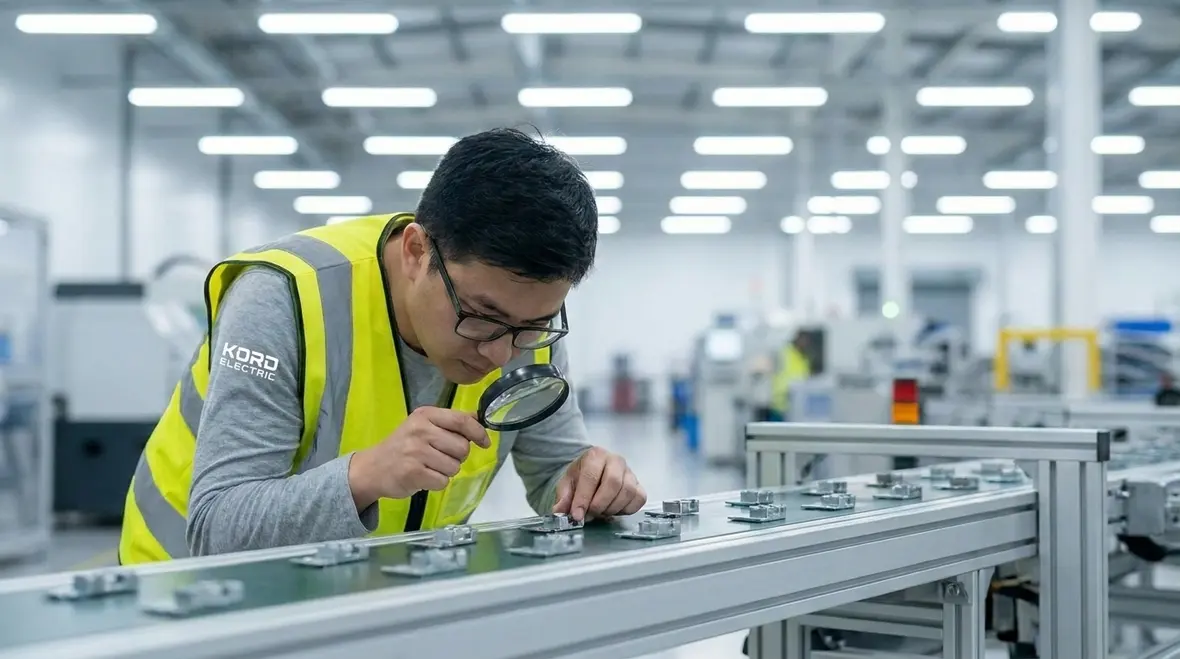
Better visibility reduces mistakes and rework
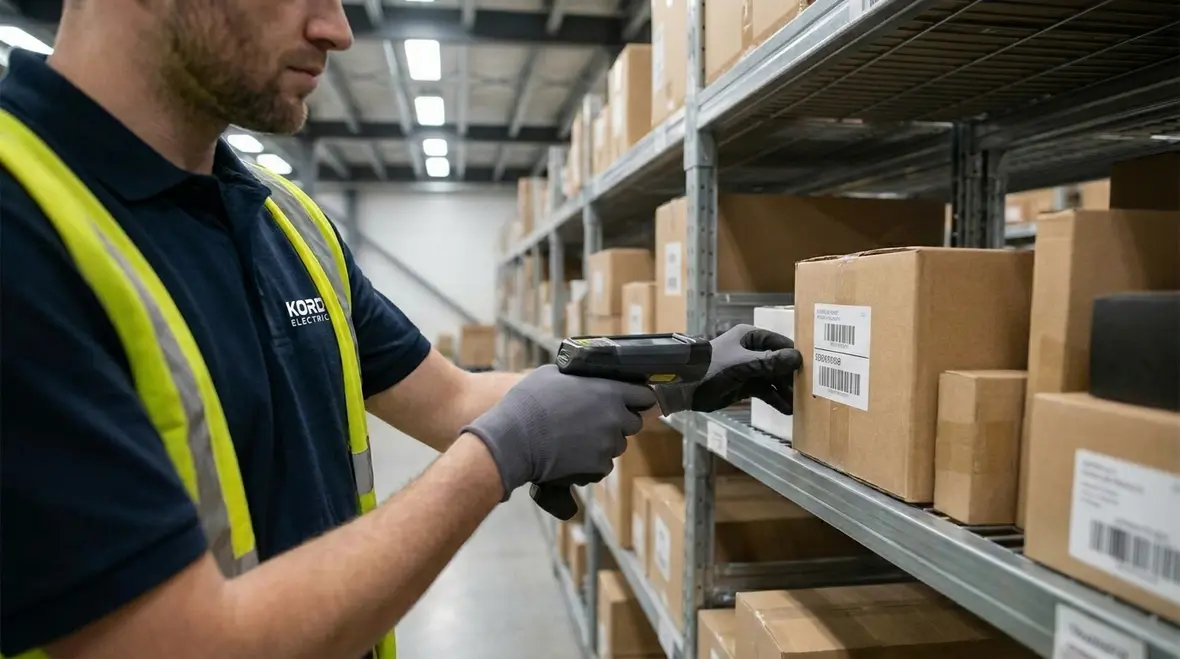
When workers can see accurately, the whole chain gets cleaner. Small errors in reading labels, identifying parts, or spotting defects lead to rework. Rework is expensive in time and materials. It also frustrates teams, and frustration quietly drains productivity faster than any outdated fixture.
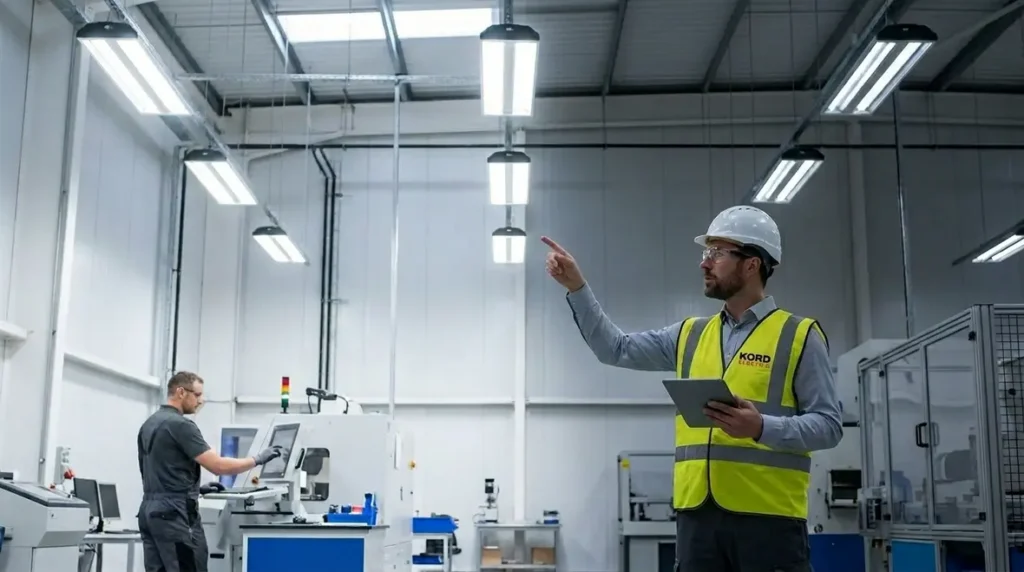
During industrial lighting retrofitting, we help clients target problem areas that create visual uncertainty. We adjust spacing, aim to improve uniformity, and select lighting output that matches the task requirements. Additionally, we consider color quality, because certain visual inspections depend on how accurately light reveals surfaces and markings.
Then we communicate expected outcomes in straightforward terms. Our technicians do not speak in vague slogans. They explain what changes in light distribution and why those changes matter for daily work. In that calm, deliberate way, we move people from “we think it will help” to “we know what it will do.”
It is like having a better map. You still reach the destination, but you get there with fewer wrong turns.
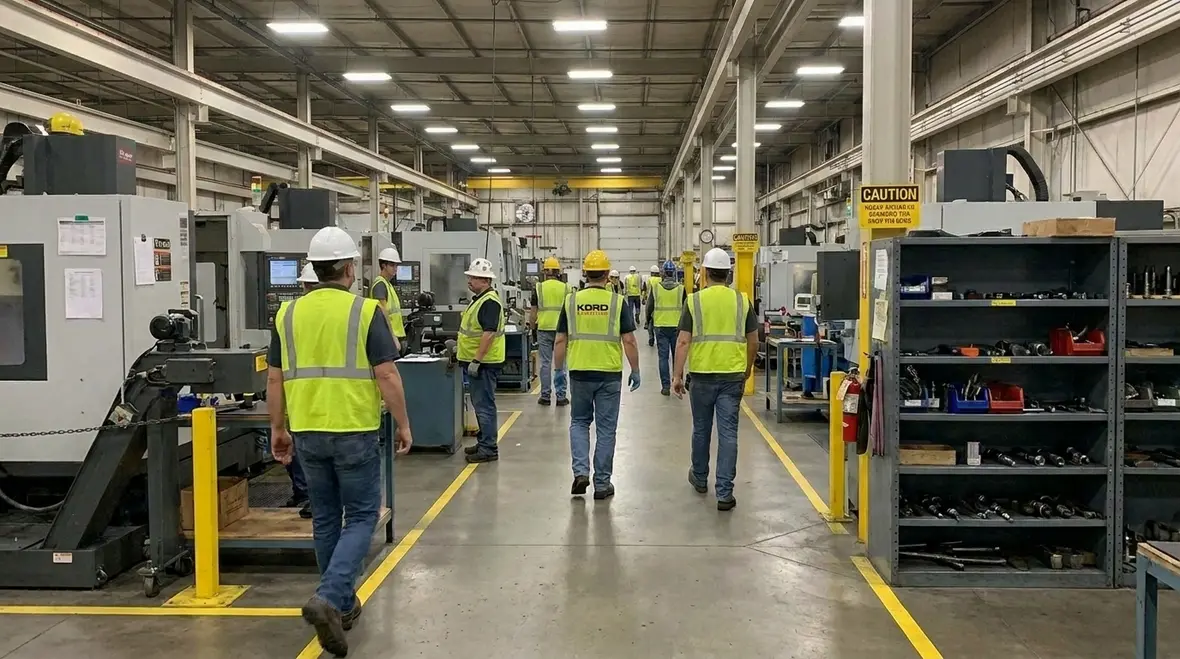
Comfort and safety go together on industrial floors
Safety is not a separate department from productivity. When lighting causes glare, shadows, or inconsistent visibility, safety incidents become more likely. Workers can miss obstacles, misjudge distances, or lose track of moving hazards in high traffic zones. And once an injury happens, the downtime is not just “time off.” It is the cost of replacement labor, delayed shipments, and lost momentum.
So, we design for steady, comfortable visibility across walkways, aisles, mezzanines, and workstations. We also pay attention to control strategies that prevent sudden brightness swings, especially in large spaces where people move between zones. For example, motion based controls can help keep areas lit when people are present without forcing everyone to work under harsh constant intensity.
Moreover, better lighting supports training and onboarding. New workers learn faster when they do not fight the environment. They can identify instructions, labels, and equipment with less effort. That means fewer mistakes early on and more confidence sooner.
And yes, we make sure the humor stays light. But we take the safety details seriously. Like any decent team, we would rather keep the “oops” moments for comedy clubs, not your loading dock.
How controls help productivity without extra hassle
Lighting controls can feel like “extra features,” until you run a shift in a busy facility. Then you realize that the right control plan keeps the work environment stable, supports energy performance, and avoids disruptive maintenance cycles.
We consider control options such as scheduling, dimming strategies, and occupancy sensing. However, we do it with the facility’s workflow in mind. We coordinate plans so lights behave predictably where people operate. If your facility uses downtime for restocking, cleaning, or maintenance, controls can keep lighting appropriate for those modes.
As a result, workers get the light they need when they need it, while facility managers avoid constantly changing settings. Our technicians walk clients through how controls function, what to expect day to day, and how to handle fine tuning if operations change.
This also helps maintenance planning. When fixtures are modern and reliable, teams spend less time chasing failed components during peak hours. Instead of calling for emergency fixes, maintenance staff can follow a clean schedule.
Real outcomes for commercial and industrial facilities
Clients often start with cost questions, but they stay because the performance improves. We see productivity gains when the work area becomes easier to read and navigate. Teams move with more confidence. Quality inspections become more consistent. Training becomes faster. And maintenance interruptions reduce because lighting systems need less urgent attention.
To keep expectations grounded, we explain what improvements look like in practice. We discuss how improved uniformity supports stable visual perception across the space, and how better glare control reduces eye fatigue. Then we describe how those factors connect to fewer errors and smoother shift work.
In addition, we help large property buildings maintain lighting standards across multiple zones. That matters because inconsistent lighting across wings can cause confusion, delays, and uneven task performance. By coordinating a retrofit strategy facility wide, we bring the environment toward a consistent baseline.
We also make it easier to manage the change. Our expert service staff describes the work plan, timelines, and safety procedures so operations do not get blindsided. When people can keep working without chaos, productivity stays intact during the upgrade. That is the part many vendors forget. We do not.
If you are comparing options or trying to understand how lighting upgrades fit into the bigger financial picture, it can help to look at both the cost and the return over time. Resources like Kord Electric’s Commercial Lighting Upgrade Cost Guide walk through how retrofits affect energy, maintenance, and long term value for large properties.
Case style example: a distribution floor that stopped fighting the light
A major distribution area came to us with complaints that sounded familiar. Pickers reported eye strain in certain aisles. Supervisors noticed more confirmation scans for items near dim sections. And maintenance staff faced frequent fixture failures that forced ad hoc repairs during peak hours.
Our technicians conducted an assessment of light levels, fixture spacing, and the layout of high traffic paths. We then guided the selection of lighting that improved uniformity while reducing distracting glare. After the upgrade, workers reported that aisles felt easier to read and more consistent from start to finish. Supervisors noted fewer delays tied to visual verification. Maintenance appreciated the reduced number of emergency calls.
None of this was magic. It was better light where people work, with controls that supported shift patterns. And because the retrofit plan matched the workflow, the team did not have to change habits to benefit from the upgrade.
If some of these issues sound familiar, you may also find it useful to review workplace risk factors tied to poor illumination. Kord Electric’s article on workplace lighting safety hazards that hurt productivity takes a deeper look at how shadows, glare, and outdated fixtures can quietly undermine both safety and output on busy industrial floors.
FAQ
Ready to boost output with a smarter lighting upgrade?
If you want productivity gains you can point to on the floor, it is time to upgrade lighting with a plan built for commercial and industrial facilities. Kord Electric sends expert service staff to assess your environment, explain the options clearly, and guide industrial lighting retrofitting work that supports safety, comfort, and fewer mistakes. Reach out today for a focused evaluation. We will help you move from “good enough” to genuinely better work conditions, and yes, we will keep the process calm and professional.
When you are ready to take the next step, partnering with a team that specializes in large scale commercial and industrial projects makes the process much easier. Kord Electric’s dedicated Lighting Installation Services are built for facilities that need reliable, code compliant lighting systems, from initial evaluation through installation, commissioning, and long term performance.