Industrial Power Quality Solutions for Facilities
Commercial and Industrial Facilities Need Industrial Power Quality Solutions, Not Luck
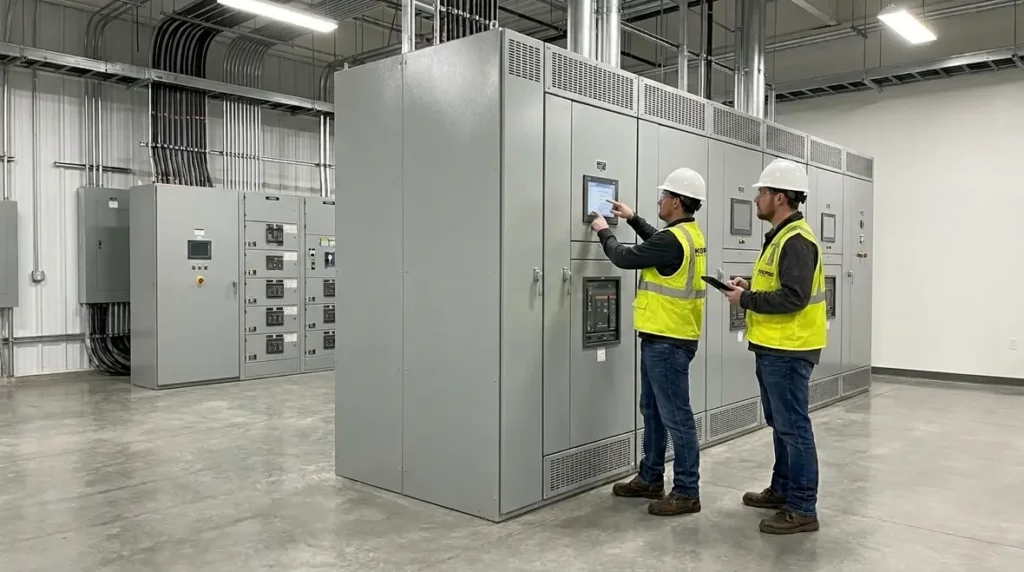
In industrial manufacturing, even small electrical problems can turn into big downtime, angry shifts, and costly repairs. At Kord Electric, we deploy industrial power quality solutions that help commercial and industrial facilities protect equipment, stabilize operations, and restore confidence in the electrical system. Our technicians and expert service staff take the time to explain what they find, why it matters, and how we correct it without guesswork. And yes, we still believe you should be able to run a plant without the power acting like it is in a superhero movie. Then again, if your voltage is swinging like Spider Man on a web, we would like to be the responsible adults.
How Power Quality Problems Show Up on the Plant Floor
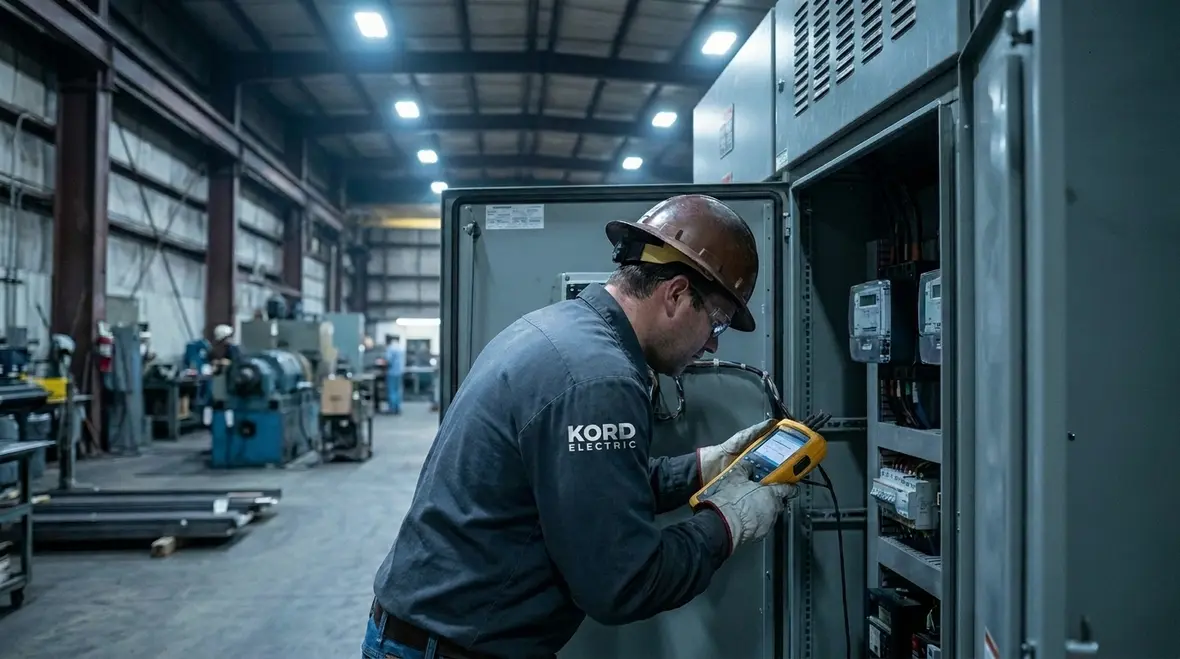
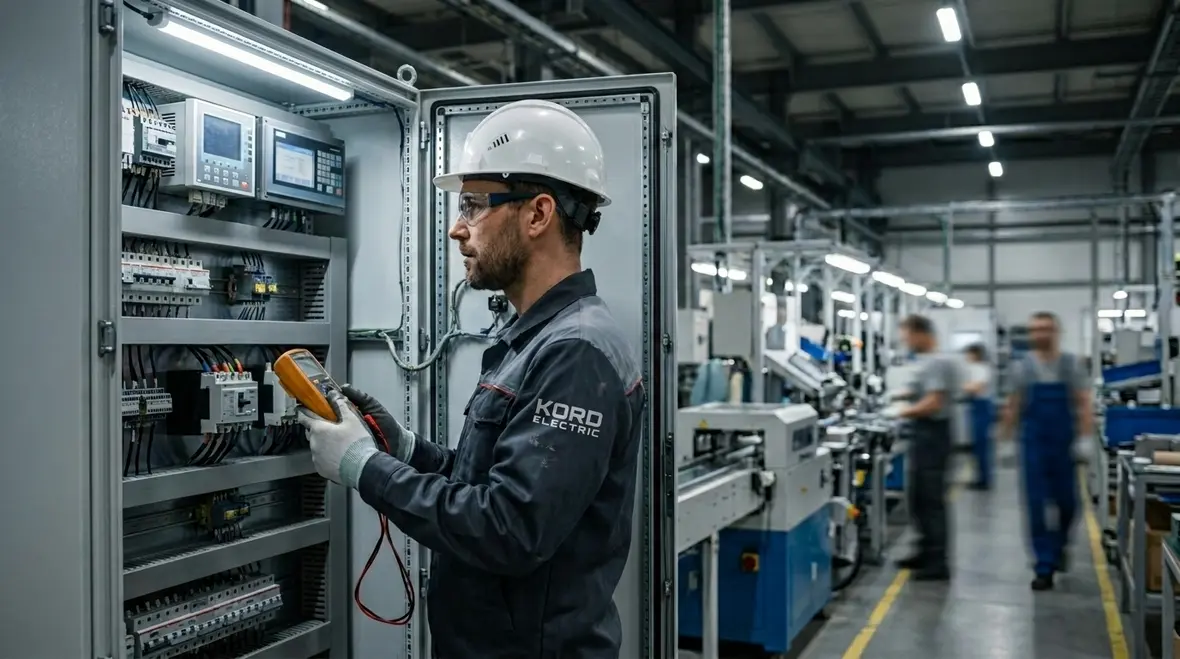
Third person observation, first person action: our service teams often hear the same story from facility managers. Machines slow down, drives trip, welders act inconsistent, and product quality slips. Then, once someone finally checks the electrical side, they discover the plant has been fighting invisible problems for months. Meanwhile, operators think the fault is mechanical, because the symptoms look familiar.
However, power quality issues do not announce themselves politely. They show up as voltage sags during motor starts, harmonics that overheat transformers and neutral conductors, and transients that stress control boards. Furthermore, intermittent outages can trigger resets in PLC systems, even when the utility service looks “mostly fine.” In addition, unbalanced loads across phases can cause current to rise and motors to run hotter than they should. If the facility is a major property building or a manufacturing site, the stakes rise even faster because the electrical network serves many critical loads at once.
So our approach begins with identifying the exact pattern. We do not just measure and leave. We track what happens before failures, not after. Then we match the electrical events to the production timeline so the facility team can stop playing detective.
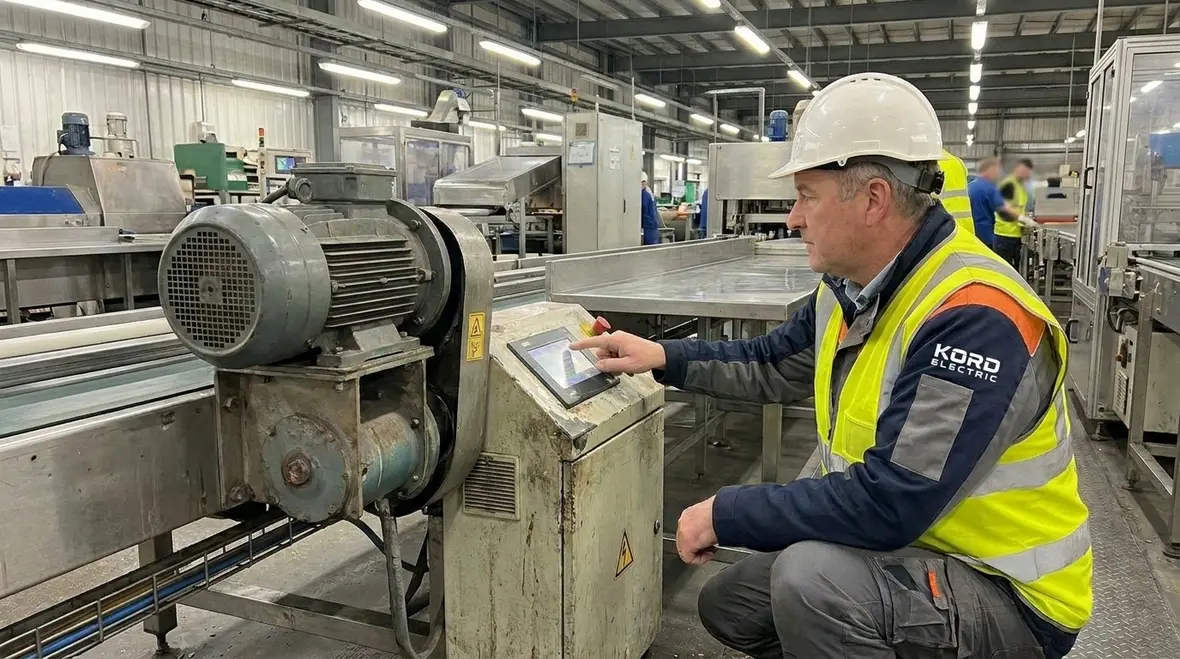
Why Voltage Sags, Swells, and Transients Hit Equipment Hard
When a voltage sag hits, drives and power supplies do not always fail completely. Often they behave worse than that. They cause nuisance trips, reduce torque, or create repeated restart cycles that shorten component life. Moreover, welders and large process equipment can create fast changes that trigger transients. These events can damage sensitive electronics and corrupt signals.
At Kord Electric, our technicians explain the difference between the types of disturbances in plain language. For example, they describe how a short sag can coincide with a compressor starting, while a transient might line up with a switching action in a panel. Because we explain clearly, the plant team knows what to expect during testing, and the next steps feel less like mystery and more like a plan.
Next, we evaluate mitigation options based on the cause and the criticality of loads. Some facilities need quick ride through support, while others need improved coordination and better protection settings. Also, we consider the electrical architecture, including distribution levels, grounding practices, and how the loads behave under real operating conditions.
In short, we treat power quality like a process issue. And if you are thinking “we already maintain the equipment,” that is fair. Yet, electrical disturbances act like hidden process variables. When you control them, the whole line stabilizes.

Harmonics and Unbalance: The Quiet Heat Problem
Harmonics rarely make a dramatic scene. Instead, they quietly add heat and stress. For industrial manufacturing, harmonics can distort voltage, increase current in transformers, and push neutral conductors above safe temperatures in systems with nonlinear loads like VFDs, rectifiers, and modern drives. Over time, that extra heat accelerates insulation aging and leads to premature failures. Meanwhile, unbalanced phases create similar damage by increasing negative sequence currents that work motors harder than necessary.
In commercial and industrial facilities, these issues also show up in ways that feel unrelated. Lights may flicker, some relays may operate unpredictably, and communication systems can act “glitchy.” Then the team replaces parts, spends money, and the root cause remains unchanged. That is the part that makes our job both challenging and a little funny, because the electrical system keeps its jokes too.
Our service staff typically begins by locating where harmonic distortion enters the system. Then we map how it travels through switchgear, transformers, and branch panels. After that, we evaluate mitigation options such as filtering and load balancing. Crucially, we do not recommend generic add ons. We aim for industrial power quality solutions that match the facility’s load profile, so the fix performs in the real world, not just on paper.
Furthermore, we verify results with measurement after implementation. That means the facility does not just get new equipment. It gets confirmed improvement.

Power Quality Testing That Finds the Real Cause
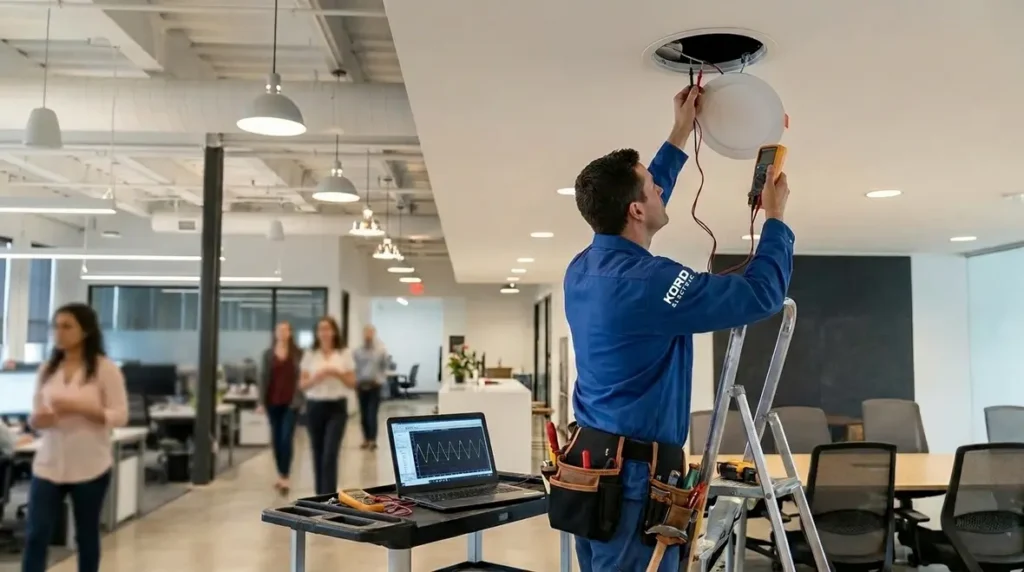
We understand that testing can feel like downtime you cannot spare. So we plan it carefully, and our technicians explain the process before any equipment touches a panel. We coordinate with operations and maintenance schedules, and we focus on the points that matter most to the production line and major building systems.
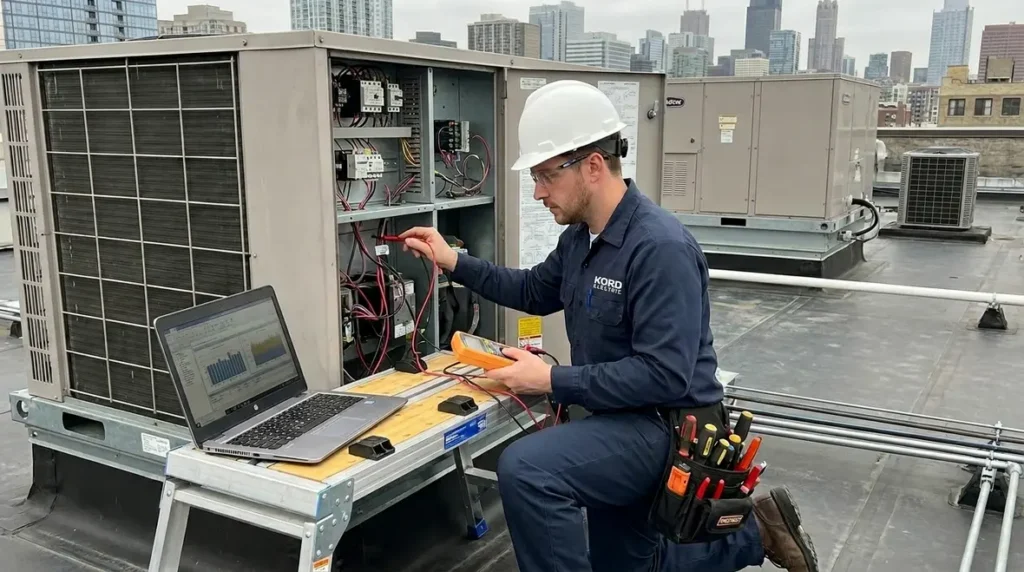
Our testing often includes event capture for sags, swells, and transients, plus harmonic analysis and power factor evaluation. In addition, we check current and voltage relationships across phases to spot unbalance. We also review protection device settings and coordination, because the best mitigation fails if the protection behaves wrong under disturbance conditions.
Once data is collected, we translate it into operational terms. We tell the facility team what happened, when it happened, and what likely caused it. Then we outline a mitigation plan that reduces the specific risk, rather than applying broad changes that can create new problems.
At Kord Electric, our expert service staff stays involved after the first report. We do not vanish like a magician after the rabbit disappears. We follow through with recommendations, implementation support, and verification testing so the facility knows the electrical system is truly stable.
Industrial Protection and Mitigation Options That Actually Work
Mitigation is not a single product. It is a strategy. And in industrial environments, that strategy must protect both power and the controls that run production. Therefore, Kord Electric evaluates several layers of protection and stabilization based on load sensitivity, site requirements, and electrical design.
Common approaches include voltage regulation support, ride through solutions for critical processes, and protection coordination updates to handle disturbances correctly. For harmonics, we may recommend filtering and system improvements that reduce distortion at its source. For transient events, we look at grounding, bonding, and surge protection coordination so energy has a safe path. Additionally, for unbalance, we may address load distribution and control settings so current stays within safe limits.
We also consider how solutions impact operation. For example, some facilities need fast response and high availability, while others can tolerate brief interruptions on noncritical loads. Because we work with commercial and industrial facilities and major property buildings, we build plans that align with how the site runs on a Tuesday, not just how it runs during a test window.
And if you are worried about complexity, relax. Our technicians walk the team through what changes, what is expected, and how we verify success. That way, the electrical system stops acting like an unpredictable coworker who never shows up on time.
FAQ: Quick Answers for Featured Snippets
What to Expect When Kord Electric Builds Your Improvement Plan
When we work with a site, we keep the process structured and clear. First, our service staff reviews what the facility has observed, including failure history and production timing. Next, we test and capture data that matches the reported problems. Then we develop industrial power quality solutions with a cause based plan, so you address the disturbance source, not just the symptom.
After implementation, we verify performance through follow up measurements and equipment checks. Moreover, we explain the results in plain terms so your team can maintain the improvements. We also share practical guidance for how to monitor and respond when conditions change, like seasonal load shifts or new equipment installs.
And because we work with commercial and industrial facilities and major property buildings, we prioritize reliability, safety, and continuity. In other words, we help you keep the lights on and the line running, without turning your electrical system into a never ending troubleshooting saga.
If you are planning broader reliability improvements, you can also explore how our electrical preventive maintenance programs and our focused work on issues like voltage fluctuations in commercial and industrial facilities support long term stability across your distribution system.
Ready to Stabilize Power Quality and Reduce Downtime?
If your manufacturing equipment trips, overheats, or behaves inconsistently, do not guess. Contact Kord Electric for a power quality assessment designed for commercial and industrial facilities and major property buildings. Our technicians and expert service staff will test, explain the findings clearly, and recommend industrial power quality solutions that fit your loads and your schedule. Then we verify results so your team can move from frustration to confidence. Reach out today, and let’s make your electrical system act like it has a job.
For facilities across the region, our broader Los Angeles County electrical services support everything from emergency repairs to planned upgrades, so your power quality improvements fit into a complete electrical strategy.
When you are ready to move from diagnosing symptoms to stabilizing your entire electrical system, our team can align testing, mitigation, and preventive maintenance into one coordinated plan tailored to how your facility actually runs each day.