Industrial Safety Inspection Checklist for Audits
At Kord Electric, we believe safety should not feel like a surprise party where the lights never go on. Instead, we start with a clear plan and an industrial safety inspection checklist that prepares your facility for electrical safety success. Within the first round of pre-audit work, others on our team review documents, verify access, and confirm that the right areas get attention before any testing begins. And yes, we remind people that electricity does not care about good intentions. Once the groundwork is in place, our technicians and expert service staff can do the audit with less disruption, better accuracy, and real confidence.
What our industrial safety inspection checklist does before we test
When Kord Electric prepares a facility, we do it in a sequence that reduces confusion and avoids delays. First, our team gathers key information so we understand how your electrical systems operate in the real world. Then we confirm that the space and equipment are ready for review. After that, we map what we need to inspect and where we need clear access. This step matters because an audit is not just a checklist with a clipboard. It is a controlled look at risks that can be hidden in plain sight.
We also align with your internal schedule. Therefore, we coordinate entry times, lockout expectations, and any operational constraints with facility leadership. Because commercial and industrial environments run on deadlines, we keep the process steady and respectful. If your site has multiple buildings, we plan travel and inspection flow so the audit stays on track.
In short, the industrial safety inspection checklist guides our pre-audit readiness so the full electrical safety audit delivers the results you need, not the results you wish you had.
Site readiness: clear access, lighting, and labeled realities

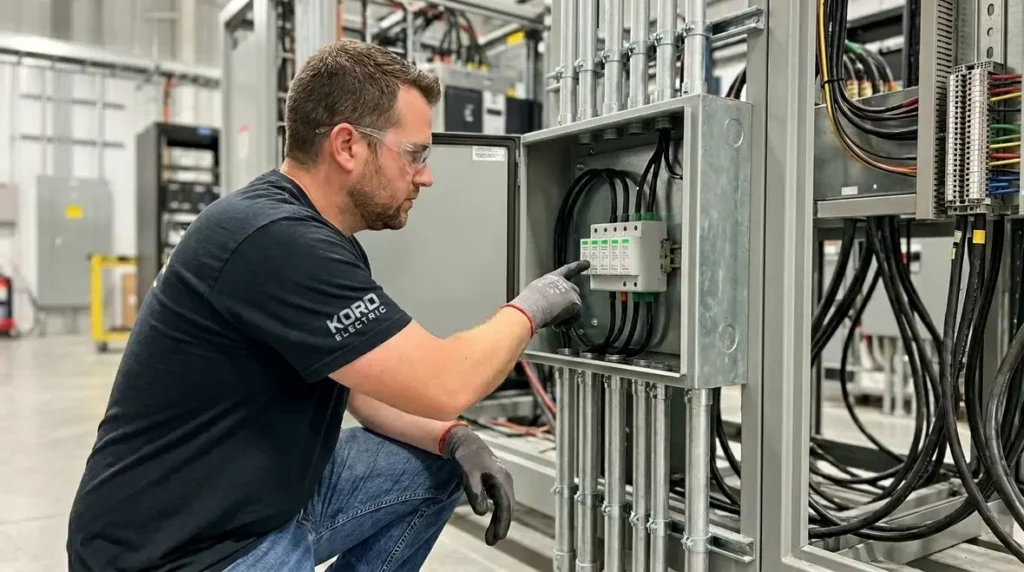
Before our technicians arrive with test gear and experience, we want the area to be reachable and readable. That means doors open safely, panels have proper clearance, and walkways do not turn into a “storage museum.” We look for blocked service entrances, trip hazards near switchgear, and areas where labeling has faded into mystery. If labels are missing, we note it. If labels conflict, we flag it. If labeling matches the equipment but no one can explain it, we ask until we get the story straight.
Good lighting is another practical point. So even if your facility thinks it has “enough light,” we still confirm that our team can see markings, test points, and condition details. Additionally, we check that covers, locks, and access restrictions match your safety process. We do not want anyone rushing through access steps while trying to stay safe. And frankly, we would rather prevent the avoidable moment where someone says, “We thought it was locked already.”
Finally, we confirm that the equipment location matches the single line diagrams and system descriptions you provide. When drawings and reality differ, an audit becomes harder, and safety recommendations get less precise. We tighten that gap early.
Documents and system knowledge you should bring
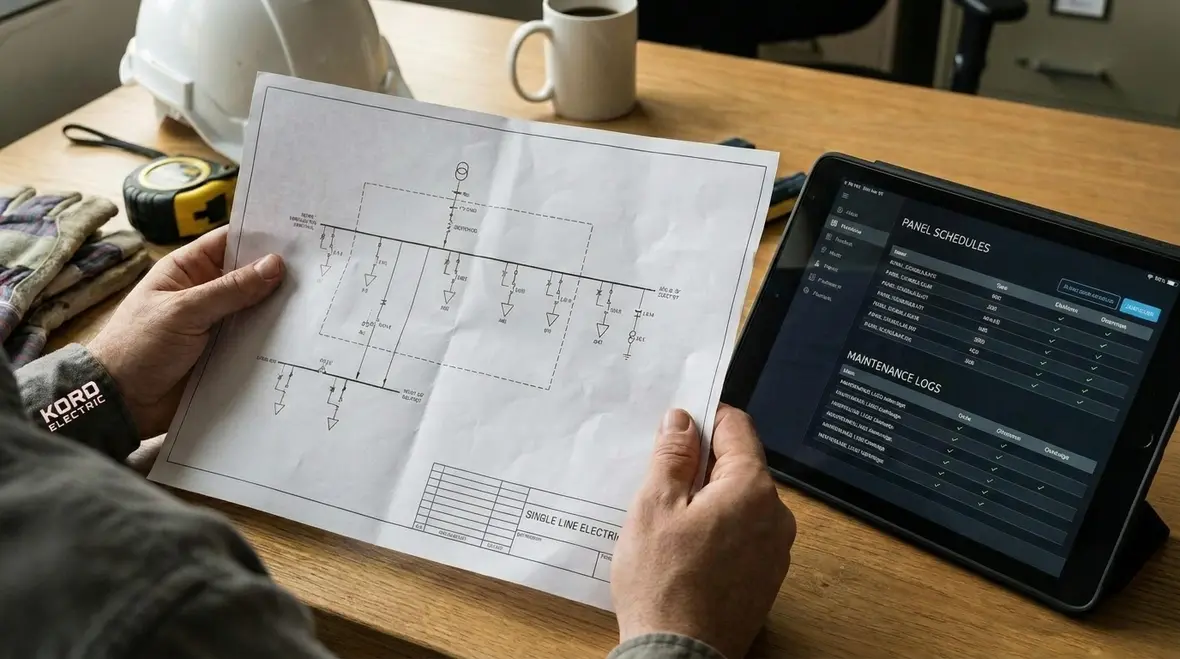
Electrical safety work improves when the paper trail is complete. Therefore, we ask for core documentation before the audit. This typically includes single line diagrams, panel schedules, recent modifications, maintenance logs, and equipment nameplate details. We also request inspection records from prior years, including any utility correspondence or compliance reports. If your site has arc flash studies, we want those as well, especially for major property buildings and high energy systems.
Our expert service staff does not just collect documents and move on. Instead, we review them for consistency. We compare the diagrams against what maintenance teams say they see during normal operations. Then we note where updates may be overdue, where equipment may have been swapped, or where responsibilities have shifted. When documentation is missing, we still proceed, but we adjust the approach so we do not guess where we should verify.
Also, we ask about typical operating modes. For example, some plants shift loads seasonally. Some buildings run different equipment schedules based on occupancy. When we understand those patterns early, our inspection targets become smarter and more relevant.
For facilities that want to pair documentation with ongoing reliability, connecting this work to a structured electrical preventive maintenance program helps keep the industrial safety inspection checklist aligned with real-world wear and tear over time.
People and procedures: lockout, coordination, and training
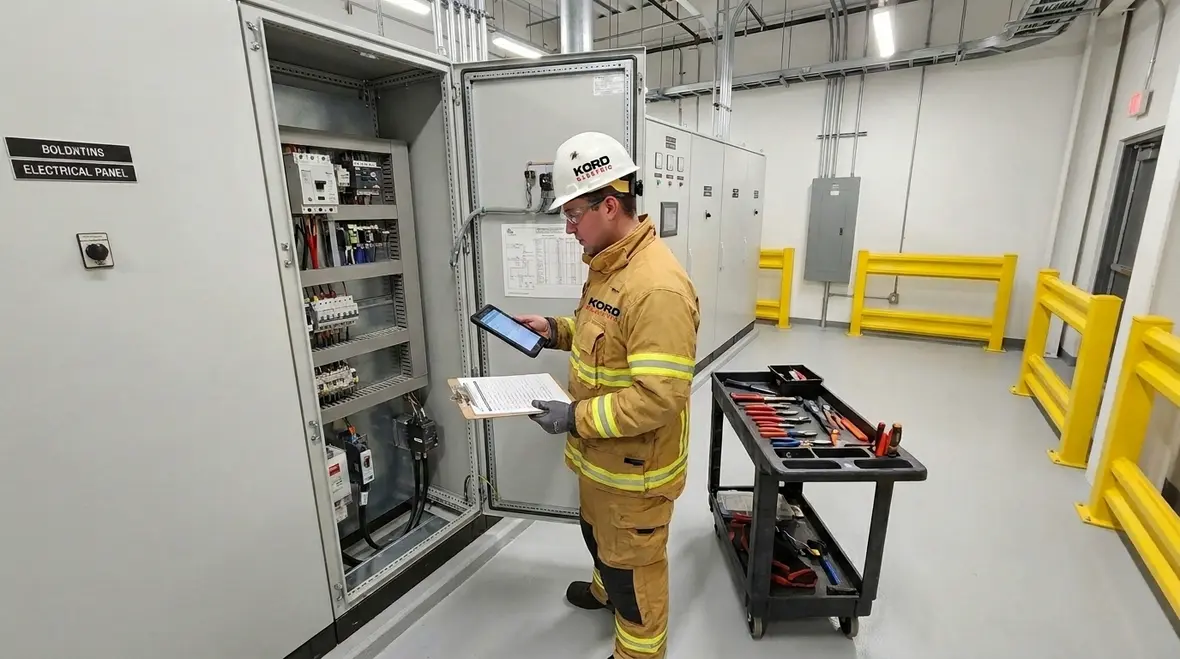
Electrical hazards do not live only in equipment. They live in the way people work around it. That is why we prepare your facility by aligning with your safety procedures before we begin deeper evaluation. We confirm that lockout and tagout steps are understood across relevant teams, including maintenance, engineering, and contractors. We also look for how your site coordinates work between operations and electrical personnel.
When procedures are clear, our audit moves smoothly. When they are not, we slow down, explain what we need, and help you correct the workflow. Our technicians communicate in straightforward language, and our team often clarifies common mix ups. One of our staff jokes that a procedure is like a recipe. If someone “sort of” follows it, the meal turns into chaos. Safety is not the place for improvisation.
Training also matters. We ask which employees handle panel access, which teams perform maintenance, and what your site requires for electrical safety knowledge. Even if you have training in place, we verify whether it matches the current work roles. Then we identify gaps that could lead to risky shortcuts during emergencies or routine adjustments.
Finally, we ensure your site leadership supports clear lines of communication during the audit. That way, if we need someone to move a process or confirm an operating condition, the response time stays fast and safe.
Many facilities also use this stage to connect the industrial safety inspection checklist with broader training on electrical safety compliance, so employees understand not only what is being inspected but why those steps protect people and equipment.
Visual inspection focus areas that prevent common failures
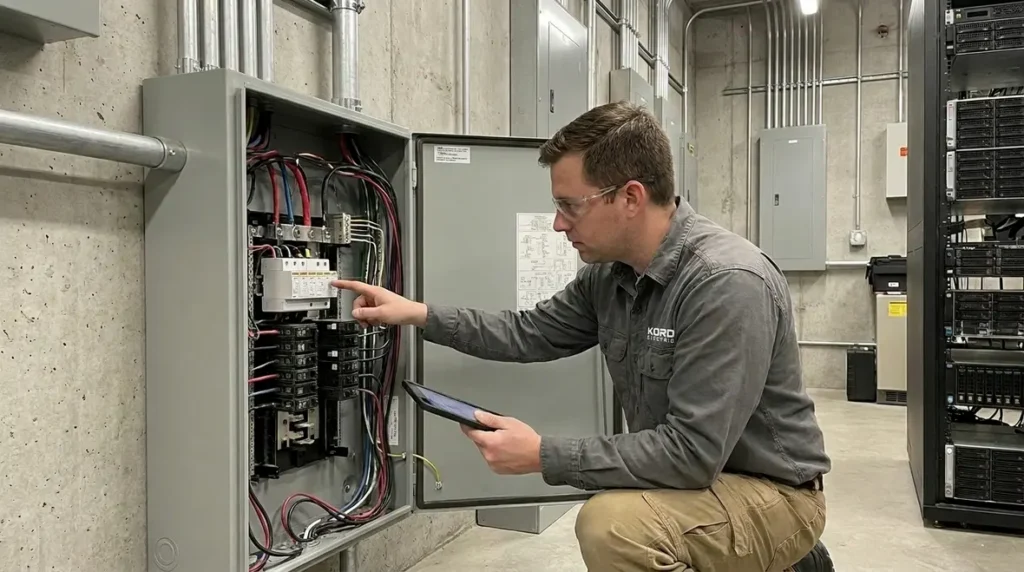
Our pre-audit work makes the visual inspection more meaningful because the areas are accessible and documented. Then, during the actual inspection, we focus on details that often explain larger electrical safety issues. We look for signs of overheating, discoloration, loose connections, and damaged insulation. We also check for improper bonding and grounding practices. When bonding and grounding are weak, they can turn normal electrical behavior into unpredictable risk.
We pay attention to cable routing and protection. Therefore, we look for abrasion points, poor support, and any evidence that cables experience stress from movement or vibration. We also check that conduit entries and fittings support a safe seal where needed. Moisture and contaminants can be a silent accomplice, so we confirm whether the environment matches what the equipment is designed to handle.
Another focus area involves switching devices, terminations, and protective components. We verify whether parts show wear consistent with the plant’s operating conditions and maintenance schedule. We do not chase every minor detail for fun, but we do prioritize anything that could escalate quickly, especially in major property buildings and commercial industrial facilities where downtime costs real money.
Once we identify patterns, we recommend actions that reduce risk and support long term reliability. Many of those actions connect naturally to ongoing services like electrical preventive maintenance so that findings from the industrial safety inspection checklist turn into scheduled improvements instead of one-time notes.
How we coordinate the audit schedule to reduce downtime
Commercial and industrial facilities do not pause just because an audit is due. So we plan coordination with your operation needs before any major inspection steps happen. Our team confirms which sections can be accessed without disruption and which areas require planning. We also align with your internal team on what can remain live and what must be de-energized. When work requires shutdown windows, we help you plan them so the audit does not create new production problems.
Because Kord Electric serves major property buildings and commercial and industrial customers, we understand the pressure to keep things running. That is why we communicate clearly about timing, site entry routes, and any safety preparation needed beforehand. We also explain what our technicians will do on-site so your team can support the work efficiently. Our expert service staff often walks facility leads through the sequence, and we answer questions right away instead of leaving gaps.
Moreover, we plan for documentation review in parallel with on-site checks. That means we do not force you to wait for information. Instead, we capture what we need while we are already at the location, which helps speed up the final report.
For facilities in and around Los Angeles, this coordination often includes tying the audit plan into broader Los Angeles County electrical services support so that corrective work, upgrades, and future inspections follow a clear, regional roadmap instead of one-off visits.
FAQ about pre-audit electrical readiness
Ready for electrical safety success with Kord Electric
Preparation turns an electrical safety audit from stressful to effective. If you want a smoother process, better findings, and clear next steps for your commercial or industrial facility, Kord Electric can help you get ready the right way. We bring experienced technicians and expert service staff who explain what we find and what you should do next, without muddying the waters. Contact us today to schedule a readiness review and start your audit with confidence. Your systems deserve that kind of respect.
Many facilities choose to extend this work into broader electrical preventive maintenance and safety compliance programs, using the same industrial safety inspection checklist mindset to manage upgrades, testing intervals, and documentation year after year. When you connect readiness, inspection, and ongoing service under one plan, electrical safety stops feeling like a scramble and starts looking like a stable part of your operations.
Whether you manage a major property building, a regional industrial plant, or a multi-tenant commercial facility, Kord Electric can align audits, maintenance, and structured electrical preventive maintenance so that your next inspection feels less like a surprise and more like a confirmation that your preparation is paying off.
If your operations are based in the region, you can also connect pre-audit planning and post-audit corrective work directly with dedicated Los Angeles County electrical services that understand industrial timelines, commercial tenant needs, and the practical realities of keeping power systems dependable.