Kord Electric Cuts Commercial Lighting Costs
How Kord Electric Cuts Energy Costs with Commercial Smart Lighting Energy
At Kord Electric, we focus on commercial smart lighting energy that lowers costs without hurting comfort or reliability in major property buildings. We help property owners and facility managers reduce waste, keep spaces bright where people need it, and dim what they do not. Then, we back it up with expert service staff who explain the system in plain language, because no one should need an electrical engineering degree to manage their lighting. In this guide, we show how smart commercial controls work, how technicians commission them, and how we keep the whole setup clean, safe, and easy to operate. And yes, we will make the boring parts feel like a quick sitcom scene.
What smart lighting controls actually do in commercial spaces
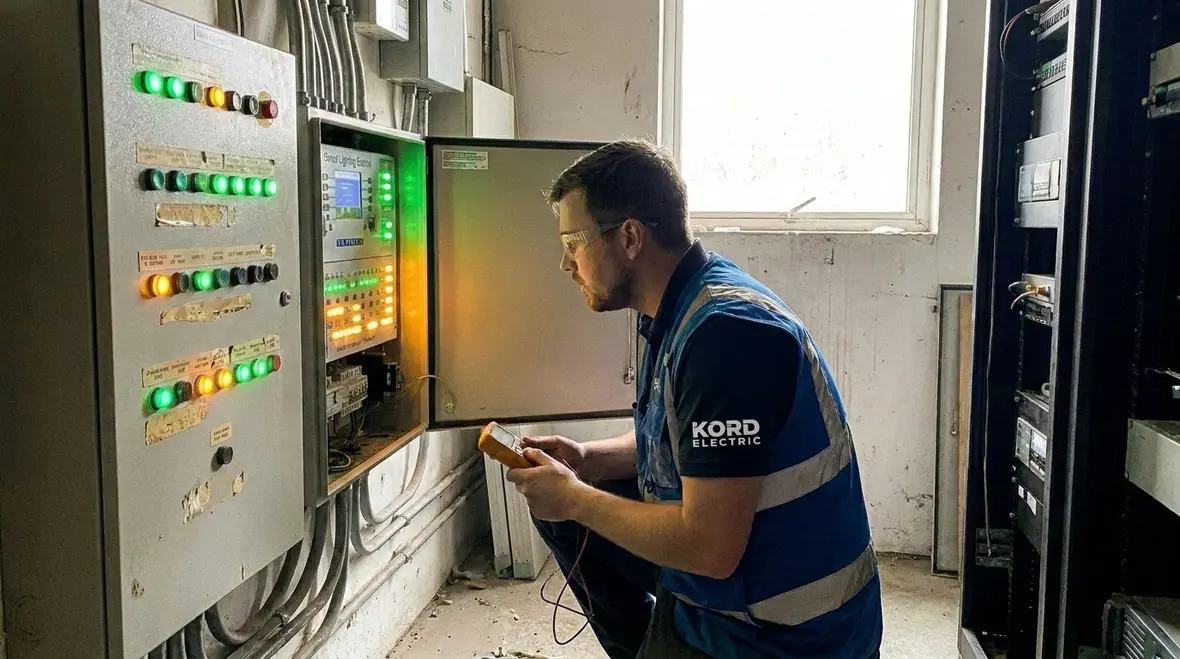
Smart controls use sensors, scheduling, and switching logic to manage lights in real time. Instead of running at full output all night, the system decides when fixtures should turn on, dim, or shut down. As a result, you stop paying for light you do not use.
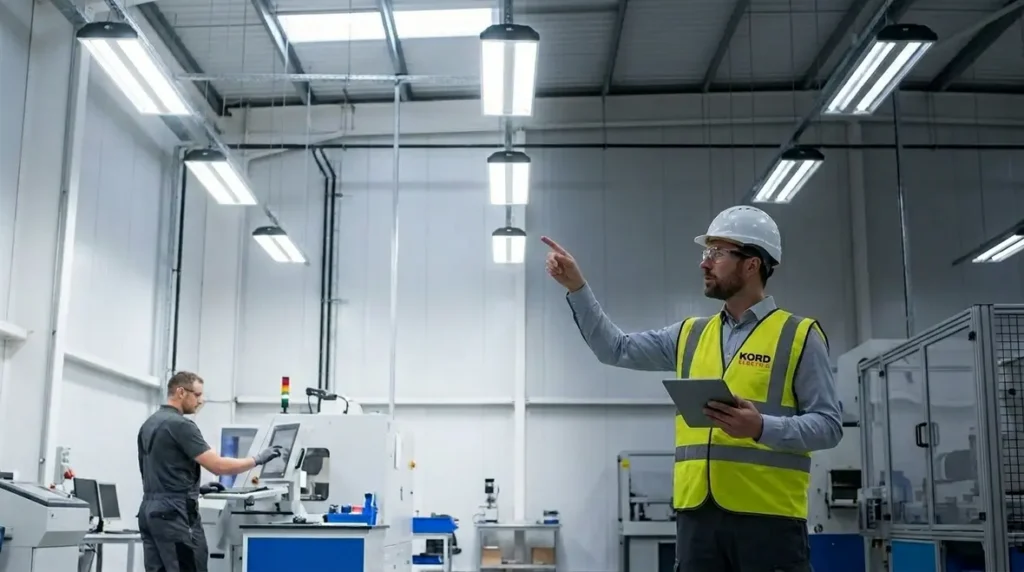
Typically, we install controls that respond to occupancy and daylight. Occupancy sensors detect motion in offices, corridors, and warehouses. Daylight sensors measure natural light near windows, so the system dims lamps when the sun does the job. Meanwhile, time schedules handle predictable patterns like cleaning hours, shift changes, and weekend operations.
Here is the key point: the control system does not only “switch.” It continuously balances comfort and energy. That is why Commercial smart lighting energy often delivers savings without guests or employees feeling like they are walking into a cave. We also make sure the control zones match how people actually move, not how a blueprint guesses they might.
Where energy waste usually hides
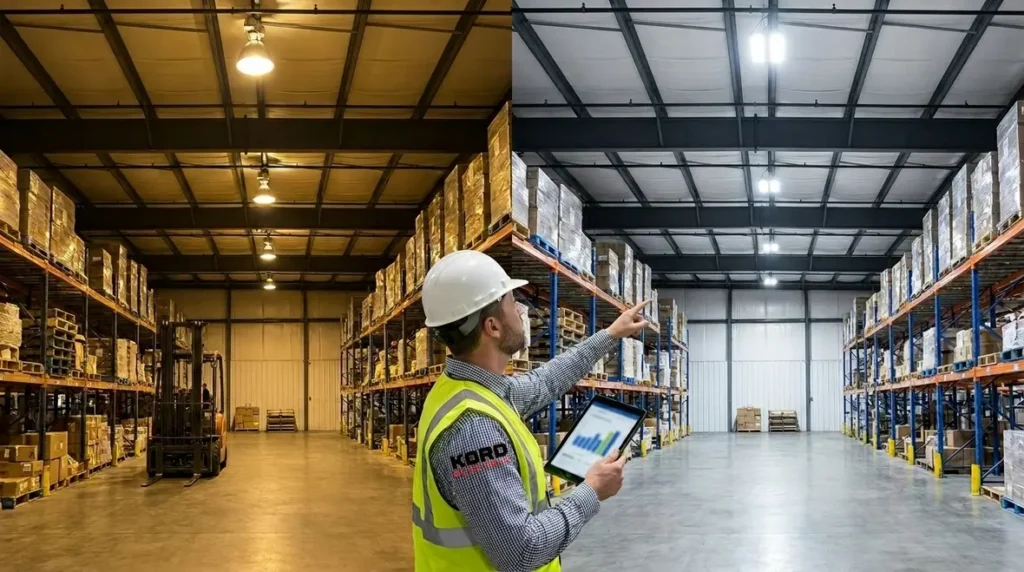
Most facilities lose energy in places that look fine from across the parking lot. However, inside, the details add up. For example, many lights still run full brightness during low occupancy hours. In addition, fixtures that stay on during daylight create double lighting costs. Over time, that waste becomes a steady drain on operating budgets.
Another hidden issue involves improper timing. If a building uses generic timers, lights may stay on too long after a room empties. Then, when a night shift arrives late, staff scramble to manually adjust lighting. That leads to inconsistent conditions, more complaints, and more overrides. Finally, maintenance gaps can worsen savings. If the system cannot report faults, broken sensors or failing drivers may go unnoticed.
Our approach at Kord Electric targets these failure points directly. We tune control settings, verify sensor placement, and train your team so the system behaves the way your daily operations demand. For example, if you are planning a future LED retrofit or evaluating upgrade budgets, you can also pair smart controls with a commercial lighting upgrade cost review to see how controls and fixtures work together over time.
How we reduce costs with zoning, dimming, and schedules
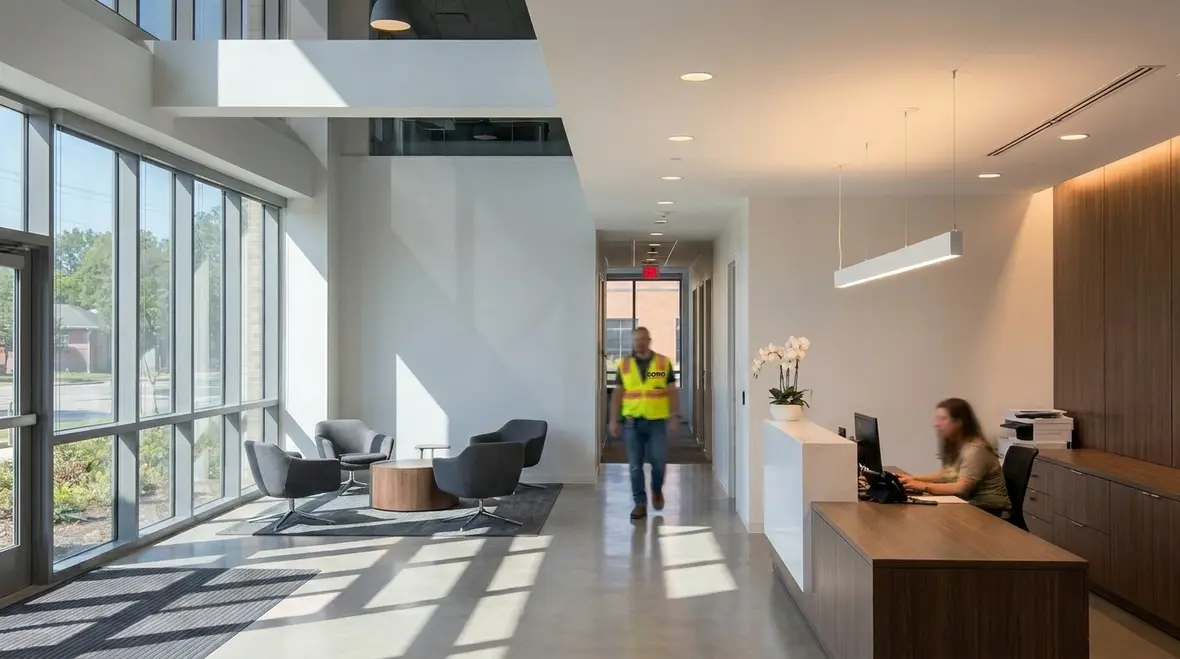
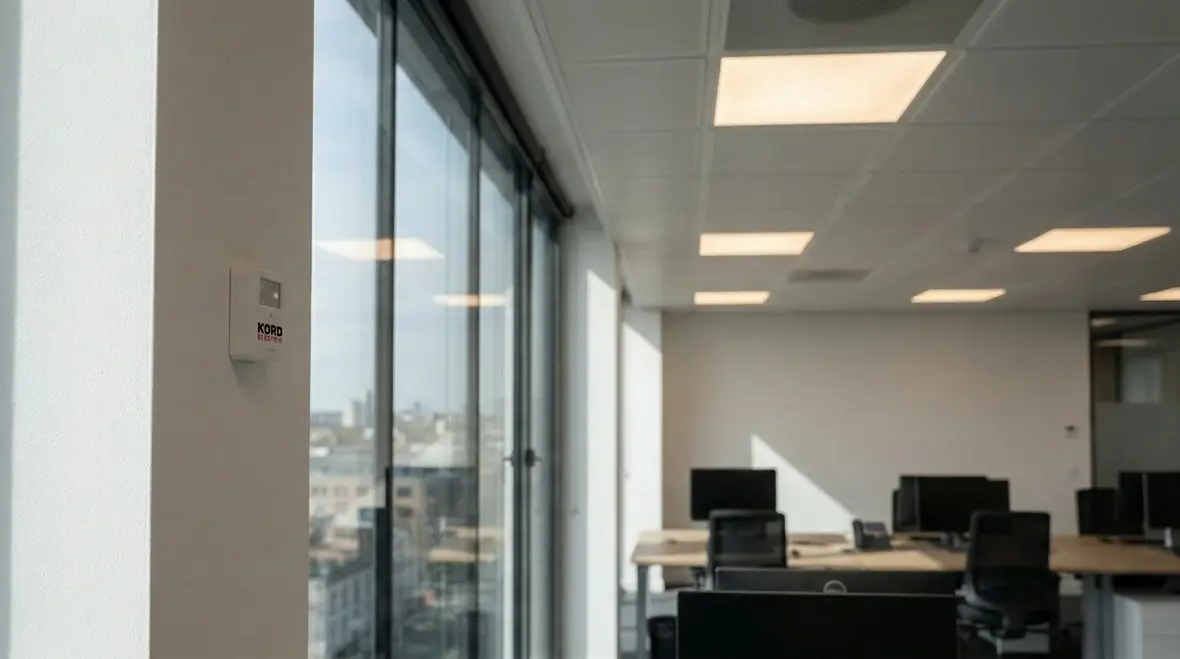
When we design a smart lighting system, we start with how your facility operates. Then we build zones that reflect real usage. A lobby should not behave like a storage aisle. A conference room should not mimic a restroom corridor. As we map your spaces, we also consider HVAC airflow, cleaning schedules, and building access routines.
Next, we apply dimming strategies. Dimming reduces energy faster than most people expect because many fixtures draw less power as output drops. Even small percentage changes can produce meaningful savings across thousands of hours. Moreover, dimming maintains visual quality when matched to task needs. For example, we can keep brighter levels at desks while allowing lower levels in circulation areas.
Slightly smarter scheduling finishes the job. Instead of one blanket schedule for the entire building, we set different routines for different floors and use cases. Consequently, lights follow reality, not assumptions. And when your schedules change, the system supports updates without rewiring.
Of course, there is always a “what if” scenario. Maybe a tenant changes operating hours. Maybe a department expands. In those moments, our technicians and expert service staff step in to adjust the system and keep performance stable.

Commissioning and ongoing support from Kord Electric technicians
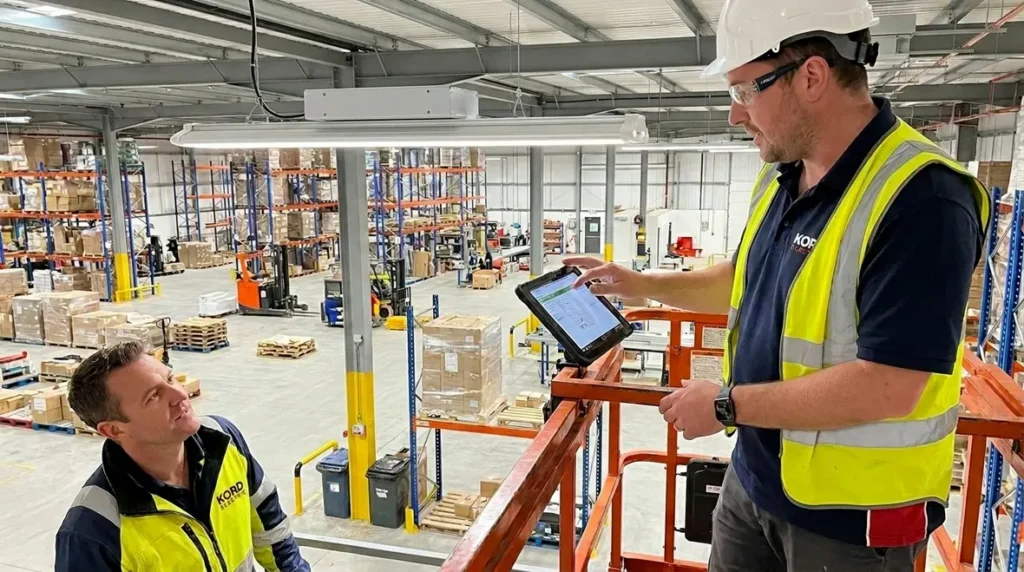
Smart lighting energy savings only hold when the system runs correctly after installation. That is where commissioning matters. Kord Electric technicians test sensor coverage, confirm switching behavior, and validate daylight response. Then we verify that each zone activates on the correct triggers. We also check that dimming levels stay within safe ranges and that equipment reports status when problems occur.
After commissioning, we walk your team through day to day operation. We explain settings in simple terms, and we show how to handle common situations like manual overrides or holiday schedules. Our goal is to make your staff confident, not dependent. Because nothing derails progress like a locked control panel and a single person who “knows the code.” (We have seen that movie. It ends with frustration.)
Also, we consider coordination with your broader electrical and building systems. For example, we ensure controls integrate smoothly with your existing panels and lighting circuits. If you operate an electric vehicle charging program, we help with EV charger installation planning as well, so your site upgrades work together rather than competing for capacity. You can explore our approach here: EV charger installation at kordelectric.com/ev-charger-installation/.
Safety, reliability, and code minded design for major properties
Commercial and industrial facilities demand more than “it works.” They need safe operation, predictable behavior, and documentation that holds up during inspections. Therefore, we design control systems with proper circuit protection and we follow standard practices for installation quality. We also confirm that the system supports the life of the building, including ongoing use by multiple teams.
Reliability is also tied to how we manage components. We select equipment that fits the environment, especially in warehouses, loading areas, and mechanical rooms. Then we plan sensor locations so dust, vibration, and lighting glare do not break performance. In addition, we avoid overcomplicating zones. Too many tiny zones create confusion and maintenance burden, and that can erase savings through constant adjustments.
From there, we support the facility over time. When things change, we update configurations. When sensors drift or fixtures fail, we help troubleshoot quickly. In other words, we help keep the savings real, not theoretical. For properties navigating California requirements, our team also connects smart controls with commercial lighting compliance strategies so efficiency never comes at the expense of passing inspections.
Smart controls performance: what to expect in real budgets
Facilities often ask about payback, and we treat that question seriously. Smart commercial lighting energy typically reduces use through fewer operating hours at full output, better dimming, and less energy during daylight. Then, the savings become even stronger when you have long operating schedules, large floor areas, or multiple shifts.
However, every building differs. Lighting type, fixture age, occupancy patterns, and daylight access all influence results. That is why we start by evaluating your current lighting behavior. Next, we compare it with the control strategy that makes sense for your spaces. Then, we help you plan the system so it supports your people and your budget.
We also encourage a simple mindset: measure and refine. After installation, we review performance and adjust settings if needed. That prevents the common “set it and forget it” problem. Sometimes the first week reveals that a zone needs a little more coverage, or that the daylight response should match how your windows actually perform.
If you ever want a control strategy that only looks good on paper, we can do that. But we do not. We build what stays stable in the real world.
FAQ
Final takeaway: take control of lighting spend with Kord Electric
If your facility pays for light you do not need, smart lighting controls can change that. We design, install, commission, and support commercial smart lighting energy systems built for commercial and industrial buildings. Our technicians explain settings clearly, and our expert service staff keeps the system running the way your operations require. If you want to lower energy costs and improve lighting quality without headaches, contact Kord Electric today for an evaluation and a plan that fits your site.
For facilities that want a broader reliability plan around their power systems, you can also pair controls work with electrical preventive maintenance services. That way, your panels, feeders, and Title 24 lighting compliance checks stay aligned with the same team that understands your controls, fixtures, and daily operations.