
Kord Electric NEC Securing and Supporting Wiring 300.13
How Kord Electric Handles NEC Securing and Supporting Wiring in Real Life
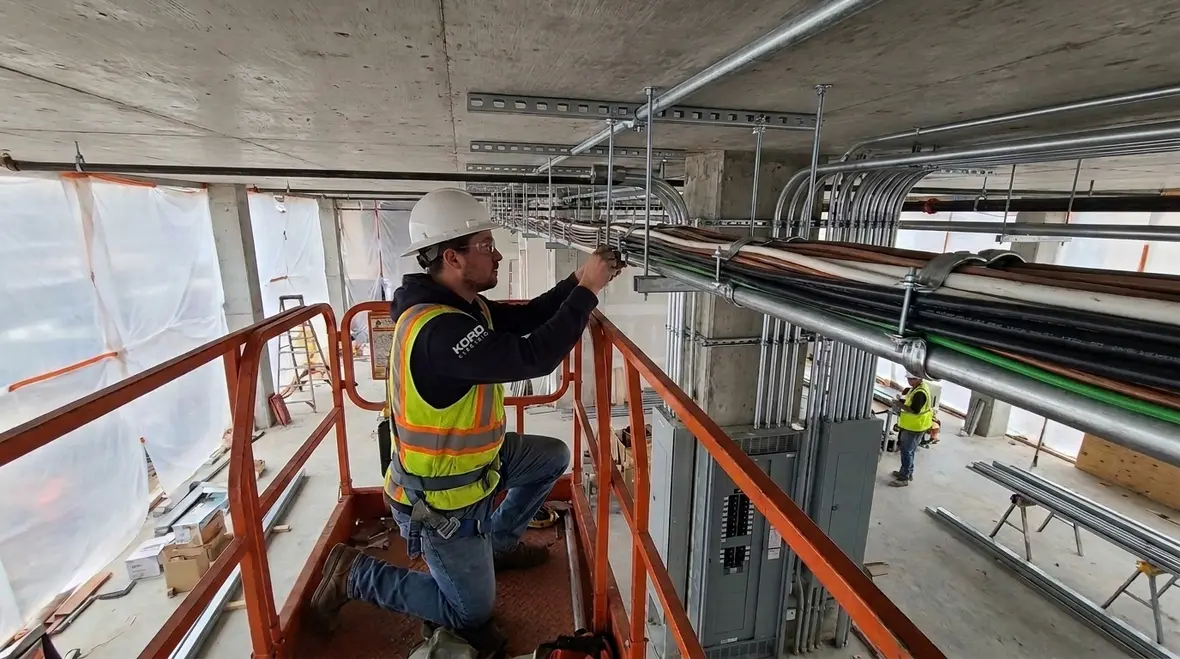
Kord Electric treats NEC securing and supporting conductors like a job that starts before the first wire is even unspooled. In the early stages, we verify routing, check clearances, and plan how wiring will stay put as the building settles, warms, and moves. That matters because NFPA 70 Section 300.13 is not a suggestion. It is the backbone of how we keep conductors secure and supported under the rules of the NEC.
Of course, people sometimes think it is all paperwork. Then the inspection day shows up, and suddenly everyone remembers that gravity always wins. Our expert service staff explains the “why” in plain language, so facility teams can make solid decisions instead of guessing. And yes, we still laugh a little, because even serious electrical work should not feel like a funeral.
NFPA 70 Section 300.13, Explained for Commercial and Industrial Teams
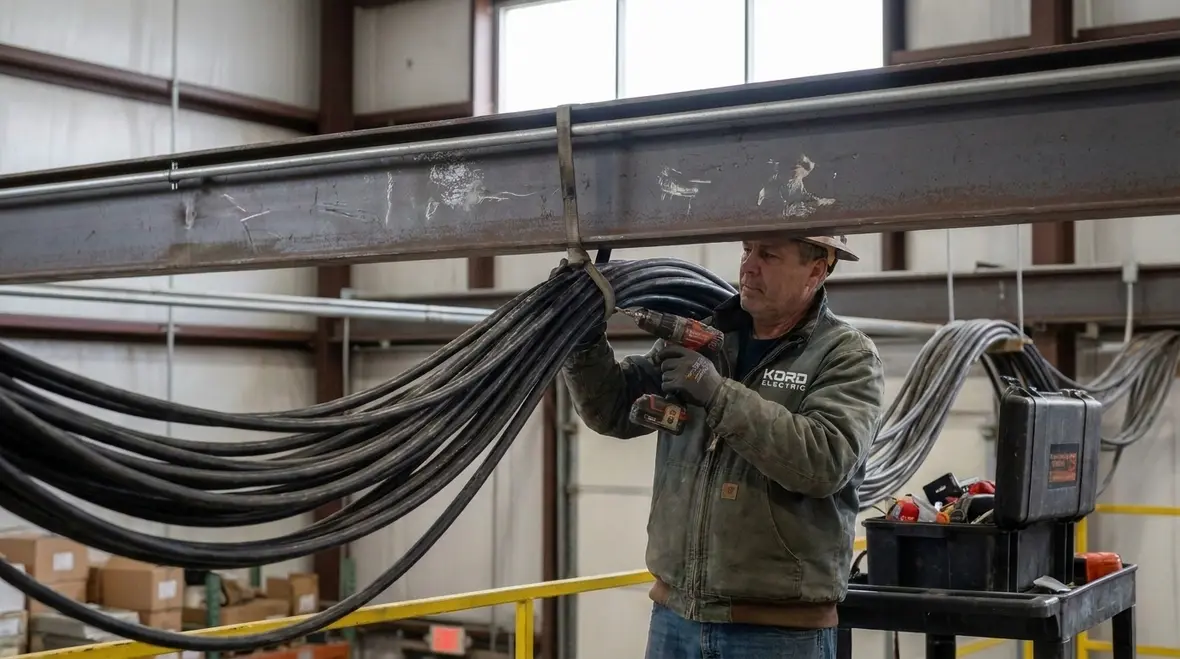
NFPA 70 Section 300.13 focuses on how raceways, cables, and conductors get secured and supported so they do not loosen, sag, or get stressed over time. In commercial and industrial facilities, that issue grows bigger because wiring runs longer distances, travels through more areas, and faces more vibration, temperature change, and daily activity.
Our technicians approach this section as a system, not a checklist. First, we look at how the wiring is installed. Next, we confirm the support method matches the environment. Then, we review whether the spacing and attachment points create stable support for the conductor and its insulation. Finally, we confirm the installation does not set up a future problem like abrasion or strain at fittings.
When we walk building teams through it, we keep the tone calm and direct. The code can feel dense, but the goal is simple: secure the wiring, support the wiring, and avoid damage that can turn into downtime. And downtime is the one thing nobody schedules on purpose.
For facility managers who want a broader view of how this fits into the National Electrical Code, we often point them to resources such as our guide Understanding NFPA 70: The National Electrical Code Explained for 2026 on the Kord Electric blog, as well as Kord Fire’s overview of NFPA 70 and current NEC guidelines. Those references help teams see how securing and supporting conductors fits into the bigger compliance and safety picture across their entire facility.
What “Securing and Support” Means in the Field
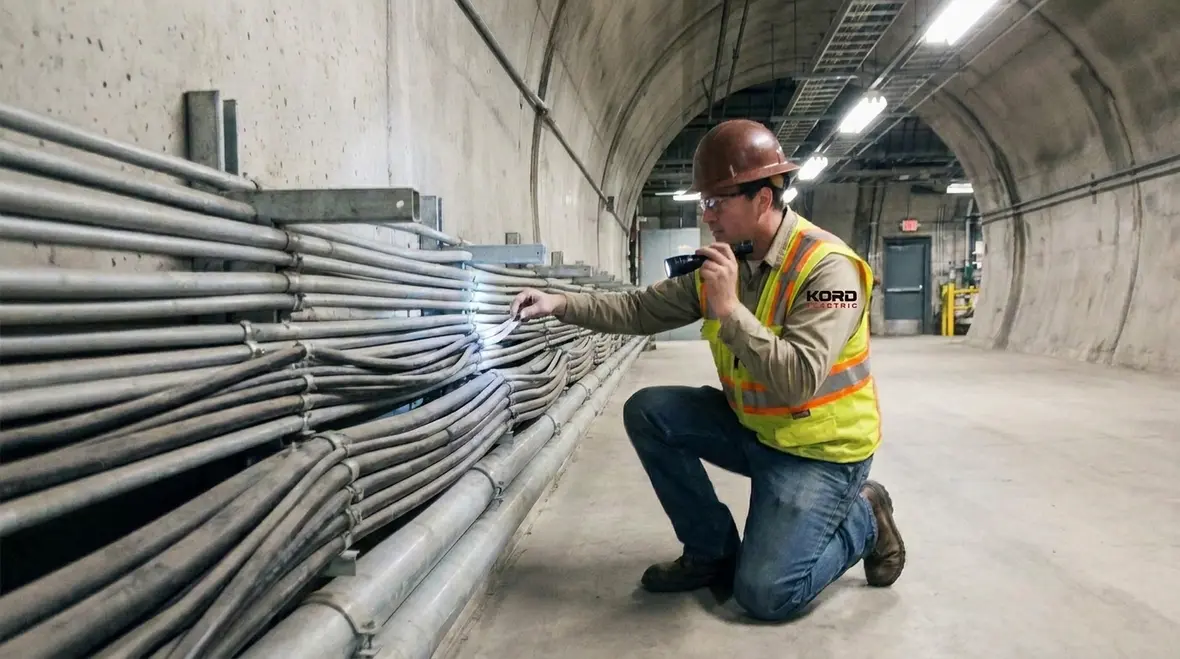
“Support” does not just mean holding wire up for a moment. It means the wiring stays stable as loads, movement, and heat cycles happen across years of operation. Therefore, we treat the install as long term engineering, not short term hanging.
In real facilities, wiring can experience forces from several directions. Vibration can come from motors, HVAC equipment, production lines, or large doors. Temperature changes can cause expansion and contraction. In addition, installers may pull cables with tension during routing, which can create stress points if supports do not manage the load.
So, we verify more than placement. We check how wiring is routed around corners and through transitions. We also check how it behaves near panels, connectors, and where raceways change direction. If a conductor must bend, we support it in a way that avoids stress at bends and fittings. That is how we prevent nuisance faults and reduce the chance of insulation damage.
Meanwhile, our expert service staff makes sure the facility team understands what we are doing and why. That reduces confusion later when maintenance technicians need to work around the system, and it keeps everyone on the same page when updates or expansions are planned down the road.
Routing, Spacing, and Attachment: The Details That Matter
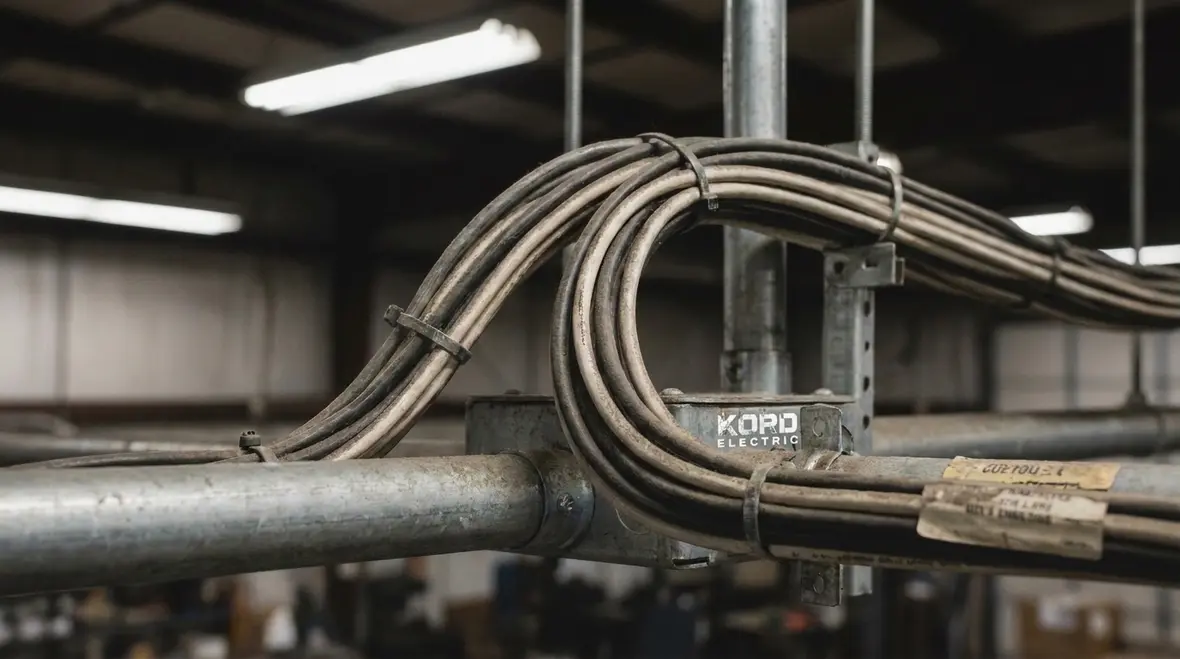
Section 300.13 comes alive in three practical areas: routing, support spacing, and how attachments hold the wiring in place. We do not treat these as separate topics because, in the building, they work together.
Routing: When we choose a path, we consider obstacles, movement areas, and where service access is needed. Then we plan for how the conductor will transition from one section to another without creating strain. We also confirm the wiring does not rest against sharp edges or rough surfaces that can wear insulation over time.
Spacing: Support spacing should match the conductor type and installation conditions. If supports go too far apart, the conductor sags and flexes. Over time, that flex creates stress, which can lead to degraded insulation, intermittent connections, and costly troubleshooting.
Attachment: The attachment method matters just as much as spacing. We ensure supports and fasteners hold reliably and do not loosen due to vibration. Also, we avoid improper hardware that can corrode, fail, or fail to grip properly.
In short, we aim for support that behaves consistently. And consistent behavior is what keeps inspections calm and equipment dependable. If electrical work were a TV show, this would be the episode where the plot actually resolves before the credits.
Why Compliance Impacts Safety, Performance, and Inspection Readiness
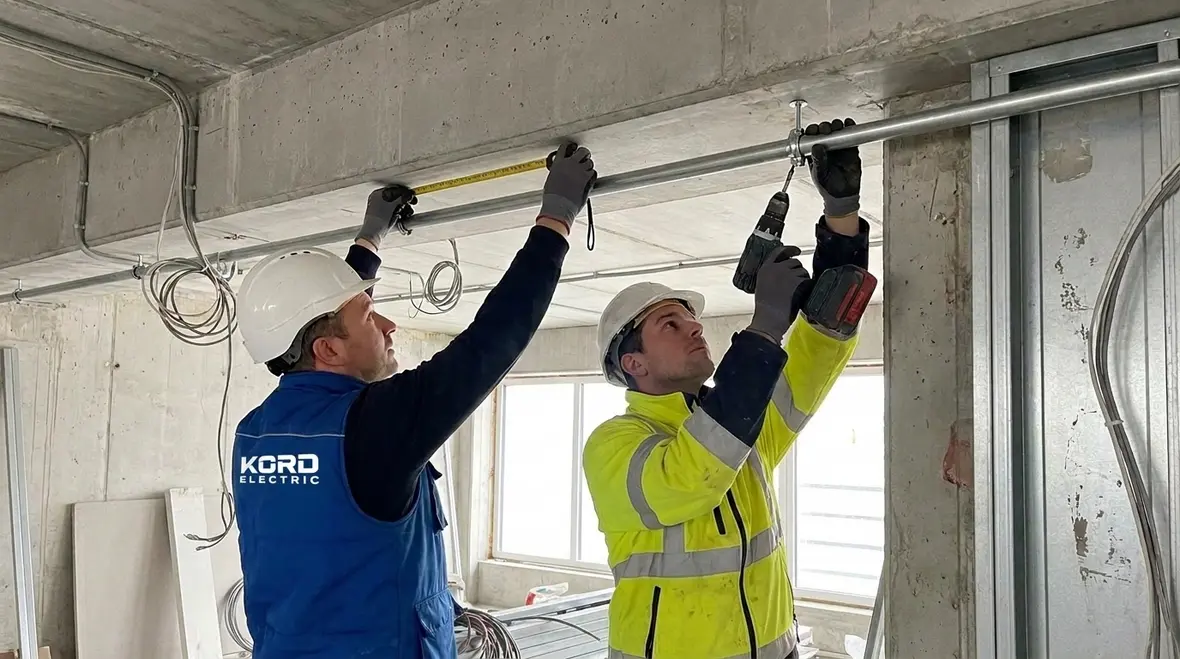
Safety benefits show up first. When wiring is properly secured and supported, it reduces risk from abrasion, strain, and movement related failures. That protects circuits and helps prevent conditions that could cause overheating or faults.
Performance benefits follow quickly. Stable wiring means fewer intermittent issues, fewer repeated visits, and better predictability for facility operations. In addition, good support helps keep loads balanced and reduces the chances of loose connections created by flexing.
Inspection readiness improves because the installation aligns with NEC expectations. When we handle NEC securing and supporting conductors correctly, we reduce guesswork during review. That saves time for both contractors and facility teams.
Our team also communicates clearly. We explain the approach in a way that a plant manager, construction lead, or maintenance supervisor can use. Then we document what we did so others can follow it without needing a decoding class. For facilities in Los Angeles County and across Southern California, this ties directly into our broader commercial and industrial electrical services for Los Angeles County, where code compliance, reliability, and practical field support all move together.
How Our Technicians Apply NEC Requirements in Commercial and Industrial Projects
Kord Electric focuses on commercial and industrial facilities and major property buildings. That means we handle environments where electrical systems must stay dependable through busy operations. We also coordinate with other trades so support and routing get planned, not patched later.
Our technicians start with site review and plan the wiring path. Then we confirm the support method before installation. During the work, we maintain discipline on spacing, attachment quality, and routing clarity. After installation, we verify the system is stable and that there are no stress points or risky transitions.
We also align with the broader NEC education resources that our teams keep close. For teams who want a wider view of the code, Kord Electric references guidance like the National Electrical Code explainers published on our blog pages, and we follow current interpretations that impact planning and installation. If you want the bigger picture of NFPA 70, you can review related content from our Kord Electric blog and the Kord Fire resources that cover NEC essentials for safer design and installs.
And yes, we hear the joke about “code stands for catch me if you can.” In our world, code stands for “catch problems before they catch you.” That mindset shows up not just in securing and supporting conductors, but also in how we design emergency power systems, plan electrical supply for construction projects, and protect buildings from power quality issues throughout the life of the facility.
FAQ: NEC Securing and Supporting Conductors
Next Step: Bring Kord Electric Into Your Project Early
If you are planning an electrical upgrade, new build, or a major retrofit for a commercial or industrial facility, bring Kord Electric in early. Our technicians plan the wiring routes, secure the conductors correctly, and help your team stay inspection ready without chaos. We explain the approach clearly, document the work, and keep the focus on safe, dependable performance.
When NEC securing and supporting conductors is handled from the first layout sketch instead of the last-minute punch list, your project runs smoother. Coordination with other trades improves, support hardware shows up when it should, and the finished installation behaves like it was designed that way on purpose — because it was. Whether you are managing a distribution center, a medical campus, a high-rise, or a data-heavy operation, that level of planning turns electrical work from a stress point into a quiet advantage.
Kord Electric also brings experience from related projects, such as emergency power system design, data center redundancy, and electrical supply planning for large builds. That cross-project insight helps us anticipate where securing and supporting conductors will need special attention — at structural transitions, in vibration-prone areas, or in spaces where future expansion is likely. Instead of patching over problems after the fact, we design support that lasts through the entire life of the facility.
Contact Kord Electric today and let us help you build the kind of electrical system that behaves after the ribbon cutting, not after the first emergency call. Our commercial and industrial teams serve Los Angeles County and the broader Southern California region with disciplined planning, clear communication, and field-proven NEC expertise.


