
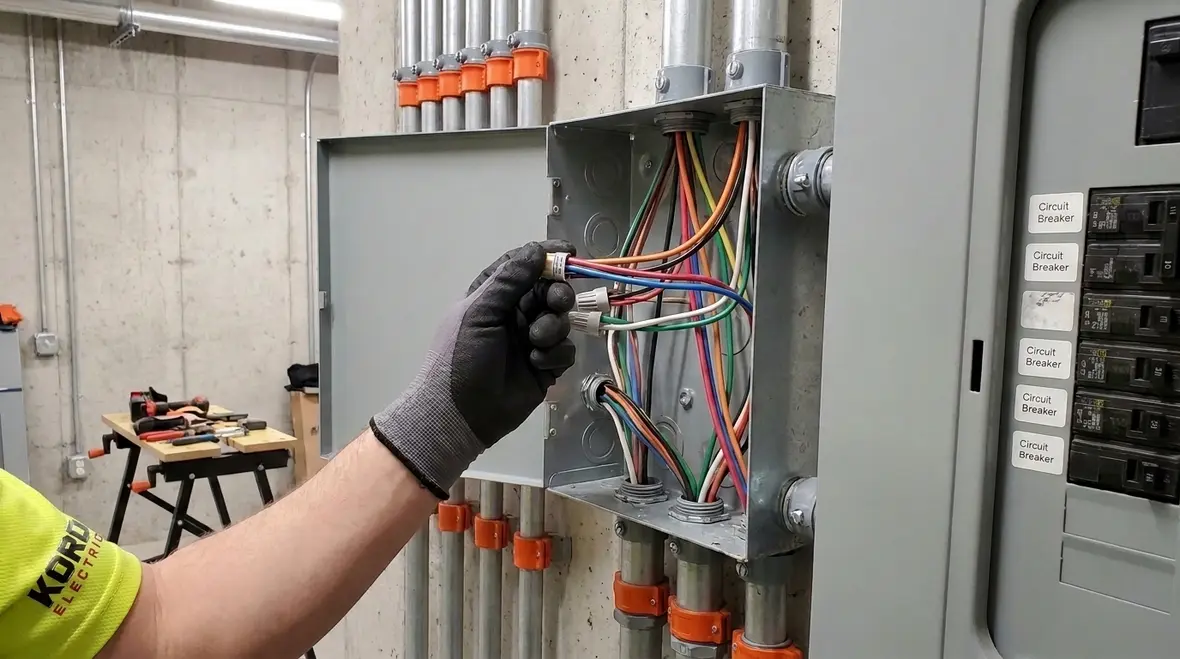
NFPA 70 Section 300.15 NEC Conductor Continuity
At Kord Electric, we treat NFPA 70 Section 300.15 like the quiet rule that keeps the whole electrical system steady. It focuses on continuity of conductors, so electrical paths do not break their promise midstream. In practical terms, we expect conductors to stay electrically continuous through fittings, splices, and terminations, and we plan for that continuity before anyone pours concrete, seals a wall, or closes a ceiling. Our team follows NEC requirements with the kind of patience you usually only see from a barista who has sworn loyalty to the perfect latte. Then, once our technicians are on site, they explain the “why” in plain language, because code compliance should not feel like a riddle written by a robot.
In this article, a third party perspective guides readers through what Section 300.15 demands, how facilities should verify compliance, and how Kord Electric supports commercial and industrial sites with careful planning and expert field service.
Why conductor continuity matters in real buildings
Commercial and industrial facilities run on power that must behave predictably. When conductor continuity fails, the effects can range from nuisance issues to serious hazards. For example, a loose connection might seem minor today, yet it can create heat, increase resistance, and degrade insulation over time. Over months, the problem can look like “mysterious” equipment problems that technicians chase like a pop culture villain evading capture. However, most continuity issues come from predictable causes: poor termination practices, unreliable splices, damaged cable jackets, or changes made during construction without updating the electrical plan.
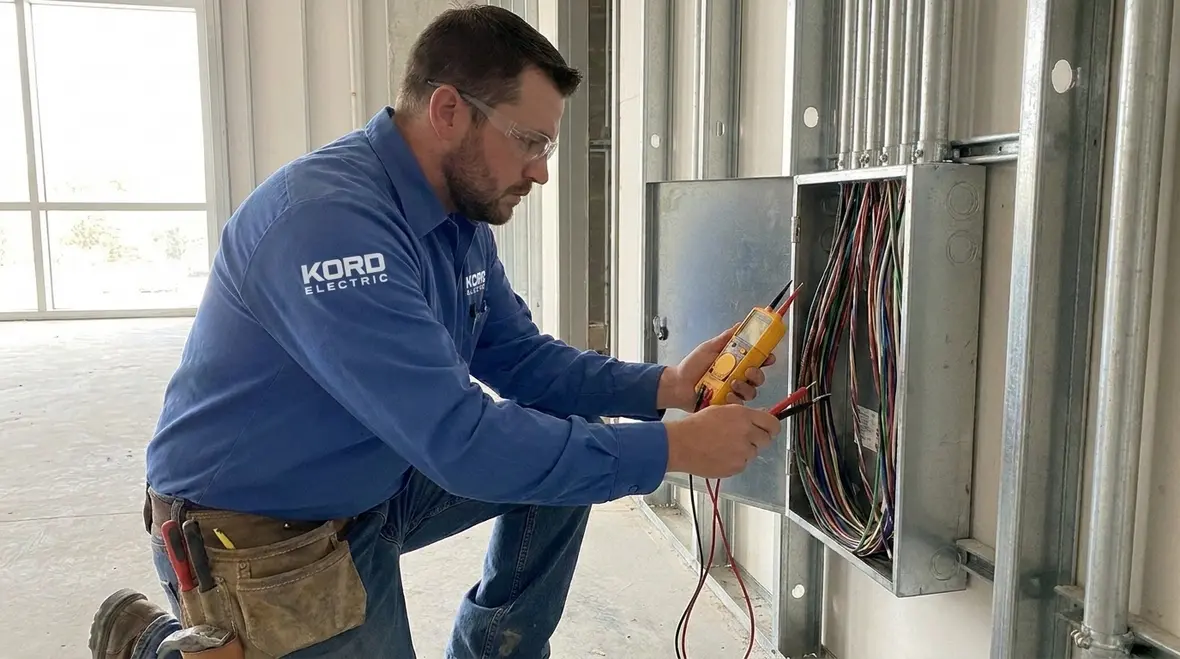
Because Section 300.15 supports safer installation practices, it pushes designers and installers to maintain electrical integrity across the full route of the conductor. Additionally, the code aligns continuity expectations with good workmanship. That means proper terminations and splicing methods, correct hardware, and clear labeling where systems get serviced later. Kord Electric’s expert service staff emphasizes that continuity is not a one time event. Instead, it is part of a workflow that starts in design reviews and continues through commissioning.
What Section 300.15 requires for NEC continuity
Section 300.15 addresses continuity of conductors, especially when conductors pass through raceways, cables, and enclosures where the path can be interrupted. Therefore, the rule ties into how conductors enter and exit fittings, how splices get handled, and how installers ensure the electrical path stays intact.
In practice, this means a facility should expect the following compliance themes:
- Proper conductor joining using approved splicing methods and compatible connectors, so the electrical connection stays continuous and secure.
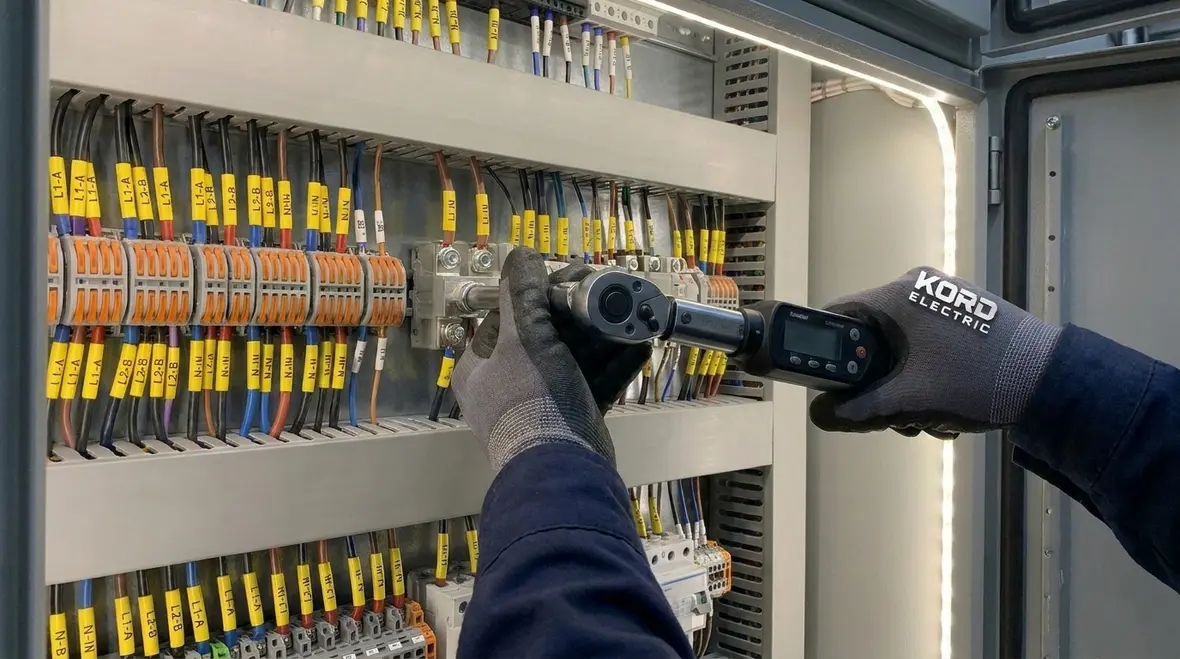
- Secure terminations that maintain a low resistance path, with correct torque and correct conductor preparation.
- System integrity at transitions when conductors move between raceways, boxes, cabinets, and other components.
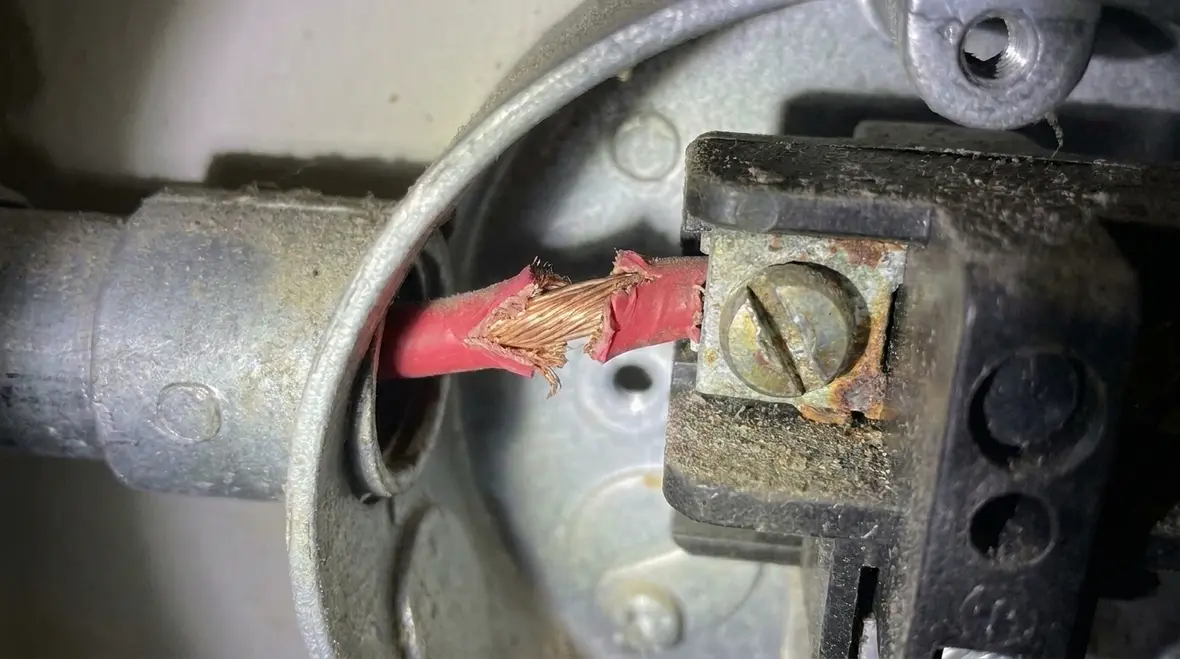
- Workmanship that avoids damage such as nicked insulation or compromised conductors during pulling, routing, and installation.
At Kord Electric, technicians treat this like a checklist with real consequences. We do not just “meet code.” We build a process that prevents failures before they land on the troubleshooting desk. Our expert service staff often says that continuity issues are like bad Wi Fi in a movie theater. Everyone complains loudly, yet the fix usually comes down to a few fundamental setup steps done correctly the first time.
How facilities should verify continuity during installation
Even well written drawings cannot prevent field problems if verification stops too early. Therefore, commercial and industrial facility teams should build continuity checks into their install schedule. That way, issues get caught before the schedule becomes a steamroller.
A practical verification approach usually includes:
- Pre installation reviews where installers confirm conductor types, sizing, and routing paths match the electrical design.
- In process inspections at key milestones such as cabinet terminations, splice locations, and raceway transitions.
- Documentation that records splice methods, connector types, and any deviations from the plan.
- Post installation checks that align with commissioning expectations for the specific facility.
Kord Electric supports large property buildings and industrial facilities with a steady workflow. First, our team reviews the scope and the electrical routes that matter most. Next, we coordinate with the on site superintendent so inspection windows remain real and not imaginary. Then our technicians explain what they verify, what they find, and how it ties back to the continuity of conductors and NEC conductor continuity requirements.

Common continuity failures we see in commercial projects
Nothing energizes a troubleshooting call faster than an intermittent problem. And yet, most conductor continuity failures follow patterns. Because commercial and industrial work often includes upgrades, expansions, and phased construction, field modifications can introduce risk if the work does not align with NEC expectations.
Some of the most common failure drivers include:
- Improper splices where installers use connectors outside their listed use or skip required preparation steps.
- Loose terminations due to missing torque procedures or rushed connections before equipment labeling and final closure.
- Conductor damage during pulling through tight bends or poorly managed raceway pathways.
- Unapproved transitions where cables change type or routing method without updating installation practices.
- Inadequate labeling and service documentation, which increases the odds of future work disturbing an existing splice.
To be fair, people do get busy. The schedule does not care that a connection needs one more minute to be done right. Still, our expert service staff at Kord Electric keeps the message steady. We remind teams that continuity does not survive neglect. And we say it with the calm confidence of a technician who has seen the same mistake long enough to laugh softly, not cry loudly.
Coordination with other electrical systems and safety practices
Continuity does not live alone. It interacts with grounding, overcurrent protection, equipment maintenance access, and inspection planning. So, facilities must connect continuity expectations to the broader electrical system strategy.
For example, if grounding and bonding work gets performed later than conductor installation, contractors may disturb terminations or splice areas. Additionally, equipment upgrades can require rework near enclosures and raceway pathways. Therefore, teams should coordinate timing and access needs to protect installed continuity.
Kord Electric takes this seriously for major property buildings, industrial facilities, and commercial sites. We coordinate with project partners so continuity sensitive areas stay protected. Then, we explain how continuity impacts performance and safety so decision makers can prioritize the right inspection gates.
For clients who also manage fire protection components, Kord Electric’s related approach aligns with the broader code awareness many facility managers already track through resources such as Kord Fire’s NFPA codes guide for commercial building owners. While Kord Electric focuses on electrical installation and service, the facility mindset stays consistent: maintain system integrity, document work, and reduce the odds that surprises show up after move in.
If you are mapping out broader NEC planning and want a deeper dive into how the National Electrical Code shapes design decisions, you can also explore Kord Electric’s coverage of NFPA 70 and the National Electrical Code explained for 2026 as a companion resource.
Where experts help: planning, documentation, and service
Many projects fail not because the code is unclear, but because the field execution lacks consistency. Therefore, facilities benefit when a knowledgeable electrical provider leads with planning and supports it with documentation. That is where our technicians and expert service staff make a difference.
Kord Electric supports clients with:
- Code aligned planning that respects installation constraints on large commercial and industrial sites.
- Clear field guidance during installation so continuity of conductors and NEC conductor continuity requirements remain consistent across trades.
- Service minded documentation so future maintenance does not create accidental disruptions.
- Commissioning support that helps teams validate performance without guesswork.
And yes, there is a simple truth behind this: good documentation prevents the “Who touched this last time” mystery. If code compliance feels like a labyrinth, our approach turns it into a map with named roads, readable signage, and no dead ends. Facilities do not need drama. They need stable power, safe installations, and clear responsibility.
FAQ: NFPA 70 Section 300.15 and continuity of conductors
Featured snippet FAQ: quick answers
What is continuity of conductors? It is the requirement that the electrical path through conductor connections stays intact, secure, and properly joined, so current can flow without unexpected breaks or high resistance points.
Does Section 300.15 apply to all installations? It applies to the installation practices covered by the NEC where conductor continuity must be maintained through fittings, splices, and terminations, especially in raceways, cables, and enclosures that can interrupt the path if not handled correctly.
What should a facility document to help future service? Record splice and connector types, termination details, locations, and any deviations from the plan. Clear labeling, panel schedules, and as built drawings give future technicians a straightforward map to verify continuity and avoid disturbing critical connections.
What happens when continuity gets ignored? Over time, increased resistance can cause heat, equipment problems, and higher risk of unsafe conditions, including potential damage to insulation, nuisance tripping, and premature equipment failure that disrupts operations.
Next steps with Kord Electric
Kord Electric helps commercial and industrial facility teams maintain stable, safe electrical systems by applying NEC requirements with disciplined field execution. Our technicians and expert service staff explain the “why,” verify continuity during installation, and document details so future service stays smooth. If a project needs conductor continuity support, code aligned planning, or service coverage for major property buildings, we can help. Reach out to Kord Electric today so your electrical system runs like it should, quietly and reliably, without surprise plot twists.
For properties that need broader upgrades or ongoing coverage, our dedicated Los Angeles County electrical services team supports everything from design reviews and continuity checks to preventive maintenance and emergency response, so NEC conductor continuity requirements stay aligned with real world operations.


