

NEC Conductor Count Raceway Limits Under NFPA 70 300.19
At Kord Electric, our experts often hear the same question after a project walk: how many conductors can a contractor pull into a raceway before it violates NFPA 70 Section 300.19. We explain NEC conductor count raceway limits early because the right answer changes how you size, design, and install wiring for commercial and industrial facilities. If a raceway gets overloaded, you invite excess heat, fill problems, and inspection delays. And yes, nobody wants that moment where the inspector raises an eyebrow like they just found a loose wire in a movie prop. Still, our technicians break it down calmly, so the installation stays safe, code compliant, and on schedule.
NEC conductor fill vs. conductor count: why people mix them up
In real field work, electricians and designers sometimes blend two separate ideas: how many conductors fit, and how full the raceway becomes. However, the code focuses on specific limits based on the type and size of conductors, insulation, and the raceway design. Then, there is the conductor count portion addressed through NFPA 70 Section 300.19, which directs installers on maximum conductor counts for certain raceways and conditions.
Therefore, we treat these as a system. First, we confirm the raceway type and construction. Next, we verify conductor insulation, conductor size, and quantity. After that, we check any adjustment or fill rules that apply. Finally, we document the logic for the authority having jurisdiction. This is where our expert service staff earns their pay, because they do not just “look it up.” They connect the code language to the real installation details that show up in plan review and in the field.
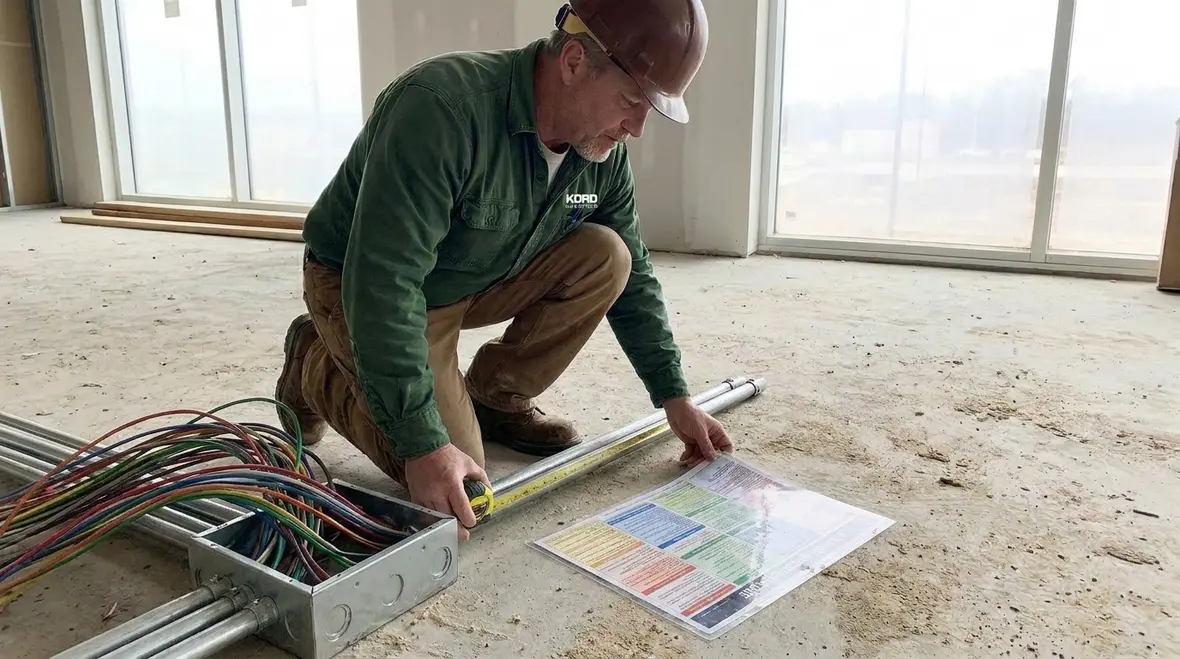
NFPA 70 Section 300.19 explained in plain terms
NFPA 70 Section 300.19 focuses on conductor count limits in raceways. In simpler terms, it tells you when a raceway can accept a certain number of conductors, based on the raceway category and the way the conductors occupy the space. Importantly, these limits help prevent conditions that can cause overheating or make the wiring impossible to install safely. In other words, the code does not want your crew wrestling conductors like they are stuffing a sofa through a doorway.
Our technicians also point out that the rule does not live in isolation. Conductor counts work alongside wiring methods, conductor fill expectations, pulling tension realities, and the thermal behavior of installed cable. So, when you plan early, you avoid late redesigns. And when you plan late, you get the kind of “creative scheduling” that project managers remember in therapy later.
For facility teams who want a broader view of how these rules fit into the full code landscape, we often recommend reading Kord Electric’s guide Understanding NFPA 70: The National Electrical Code Explained for 2026, which connects high-level NEC concepts to everyday decisions on commercial and industrial projects.
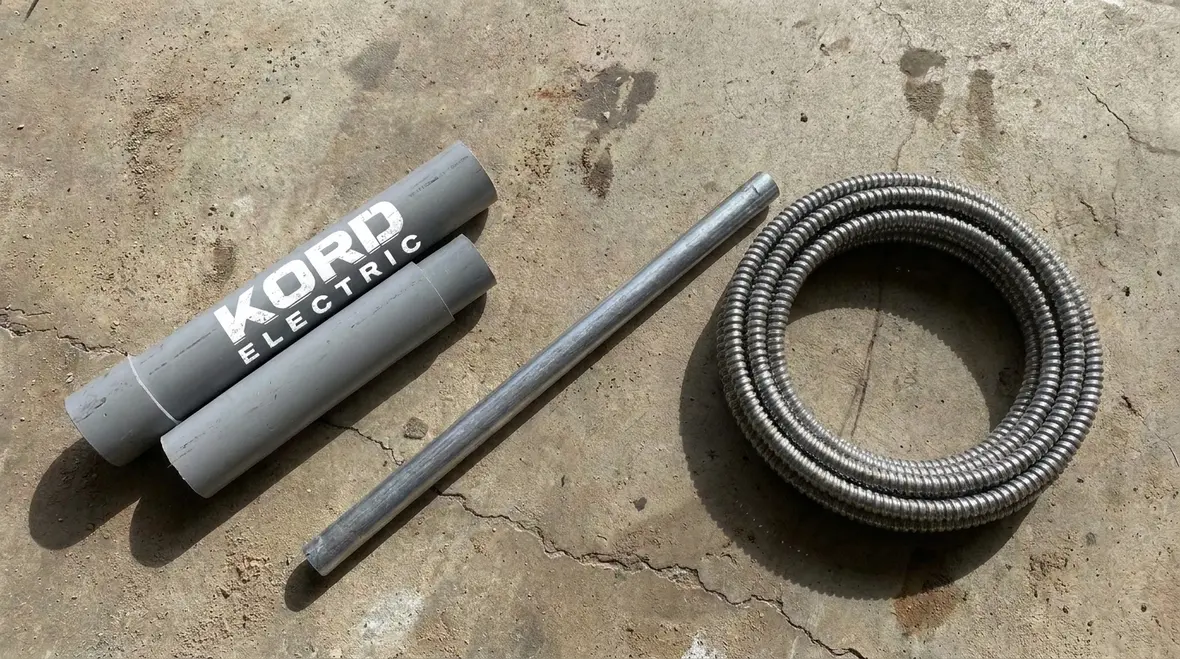
How raceway type changes conductor count limits
Raceways come in different forms: conduit types, electrical metallic tubing, and other approved raceway systems used in commercial and industrial construction. Each raceway type behaves differently, and therefore, conductor count and practical installability also shift.
As a result, our team begins by identifying the approved raceway method for the facility. For major property buildings, we do not treat this as a minor detail, because it can affect the routing, the number of pull points, and the equipment connections. Then, we align the conductor planning with those constraints. If the design uses multiple systems, such as power and control, we also make sure the raceway planning supports separation where required, and prevents future changes from turning one raceway into an all purpose junk drawer.
On many jobs, we also cross-reference raceway decisions with broader electrical system strategy. Articles like Kord Electric’s resources on modern electrical systems for commercial buildings show how raceway choices influence reliability, expansion capacity, and integration with modern loads over the life of the facility.
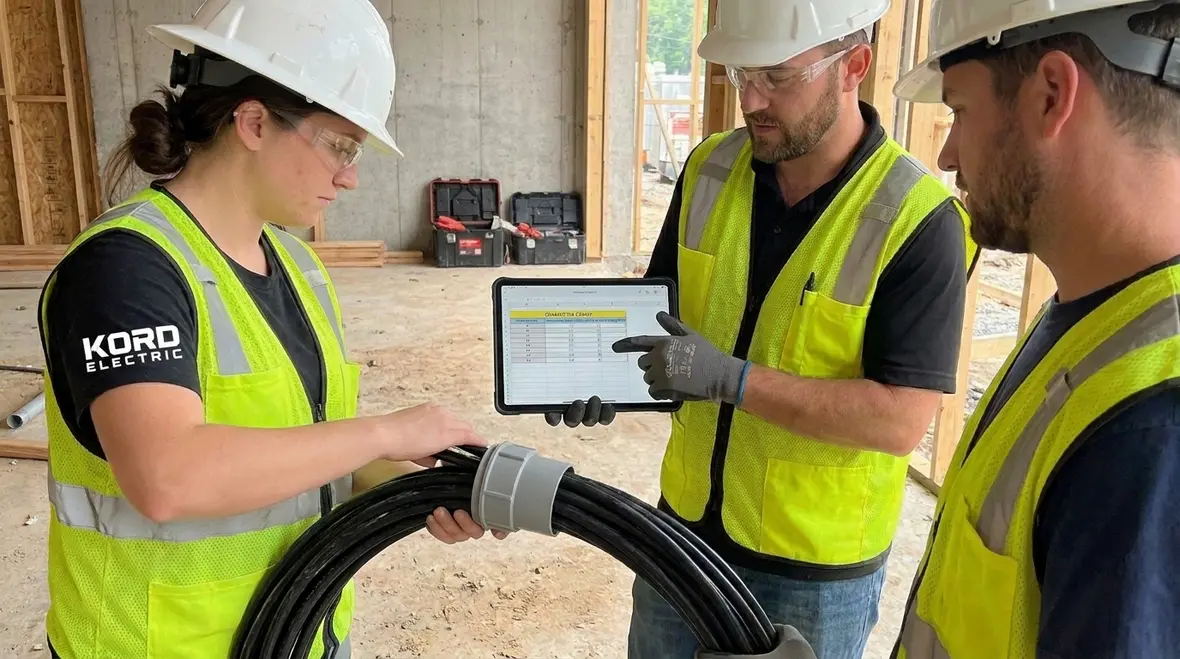
Step by step: how our experts apply the limits on real projects
When Kord Electric supports a commercial or industrial facility, our process stays steady from preconstruction to commissioning. First, our technicians review drawings and equipment schedules. Then we translate those schedules into conductor lists per raceway run. Next, we verify the insulation type, conductor size, and count. After that, we compare the quantities to the NEC conductor count raceway limits that match the raceway method and installation conditions.
After the check, we consider install realities, because code compliance must also be buildable. If a conduit run runs long, includes bends, or needs multiple splices, we plan for pulling access. Additionally, we coordinate with other trades to avoid conflict that forces shortcuts later. Finally, we document the calculation approach so the building team can defend the design during inspections.
And yes, sometimes a design team wants to “just cram it in.” That is when our service staff steps in gently, but firmly, like the calm voice in a chaotic kitchen. They explain what happens if the conductor count limits get ignored, and why the cost of rework usually grows faster than anyone’s patience.
Common failure points that trigger rework and delays
Even with good intentions, teams often stumble in predictable places. One frequent issue involves mixing conductor sizes or insulation types without updating the raceway plan. Another involves using an incorrect raceway category during takeoff. Yet another happens when the design changes late, but the conduit schedule does not update with the new conductor quantities.
Additionally, teams sometimes forget that conductor counts do not only affect how wiring fits. They also affect how the crew installs it. If the raceway fills too heavily, pulling becomes harder, insulation risks increase, and the chance of damaged conductors rises. Then inspections get delayed because the installer has to swap materials, reroute, or open walls to correct the plan.
For commercial and industrial facilities, those delays compound quickly. Therefore, our technicians push for early coordination with the entire job team, not only the electrical scope. That includes architects, mechanical contractors, and those managing firestopping. We aim to keep the project moving forward, not back to the drawing board.
Coordination with other code needs: heat, access, and future changes
Conductor count limits exist for safety, but they also support long term performance. Heat matters. If the wiring system carries more load than planned or occupies space beyond the code’s intent, temperature rise can increase long term wear. Then, sensitive equipment suffers first, and everyone looks surprised, like a character who ignored the villain’s warning label.
Access also matters. Code compliant raceways often require proper support spacing and access for maintenance and troubleshooting. When conductor quantity increases, the physical handling of cables becomes more difficult, which impacts how you maintain the system later.
Finally, future changes matter for major property buildings. When you allocate enough raceway capacity, you reduce the risk that later expansions force risky workarounds. Our approach helps facility teams keep flexibility, so future tenant upgrades do not turn into emergency conduit archaeology.
To support that long view, we often pair conductor count planning with broader assessments, such as Kord Electric’s electrical asset site analysis process, which evaluates feeders, switchgear, and raceways together so changes support both code compliance and operational uptime.
FAQ: NFPA 70 Section 300.19 and raceways
Facility teams often ask how NEC conductor count raceway limits show up in everyday decisions, planning conversations, and inspection walk-throughs. Below are some of the most common questions we hear when we review NFPA 70 Section 300.19 on real projects.
Why Kord Electric supports code right the first time
Kord Electric serves commercial and industrial facilities and major property buildings, where electrical systems must perform for years without surprise downtime. And because our team includes experienced technicians and expert service staff, we do not just react after construction starts. We help teams plan raceway capacity with accurate conductor counts and clear documentation. When the job stays code aligned from the beginning, you reduce costly changes, shorten inspection cycles, and protect the building’s electrical reliability. That is good engineering, and it is also good business.
For many clients, that support extends beyond a single project. We often pair conductor count planning with services highlighted across the Kord Electric blog, from electrical infrastructure upgrade planning to modernization strategies that keep systems ready for new loads and new code cycles.
Ready for a safer, smoother inspection process?
If your project involves complex raceway routing, changing schedules, or multiple power and control systems, Kord Electric can help you apply NFPA 70 requirements with confidence. Our technicians review your conductor schedules, verify the applicable limits, and coordinate the installation plan so your team installs once and moves on. Reach out to us for commercial and industrial electrical support, and let us keep your building wiring compliant, reliable, and ready for the real world. Because nobody should lose sleep over a preventable code issue.
If you operate in Southern California and need help tying NEC conductor count raceway limits into broader system upgrades, our Los Angeles County electrical services team can align raceway design, conductor planning, and field installation so inspections feel like a checkpoint, not a crisis.
Whether you are planning a new build, a renovation, or a phased modernization, starting with the right raceway and conductor strategy protects your schedule, your budget, and your facility’s long-term performance.


