
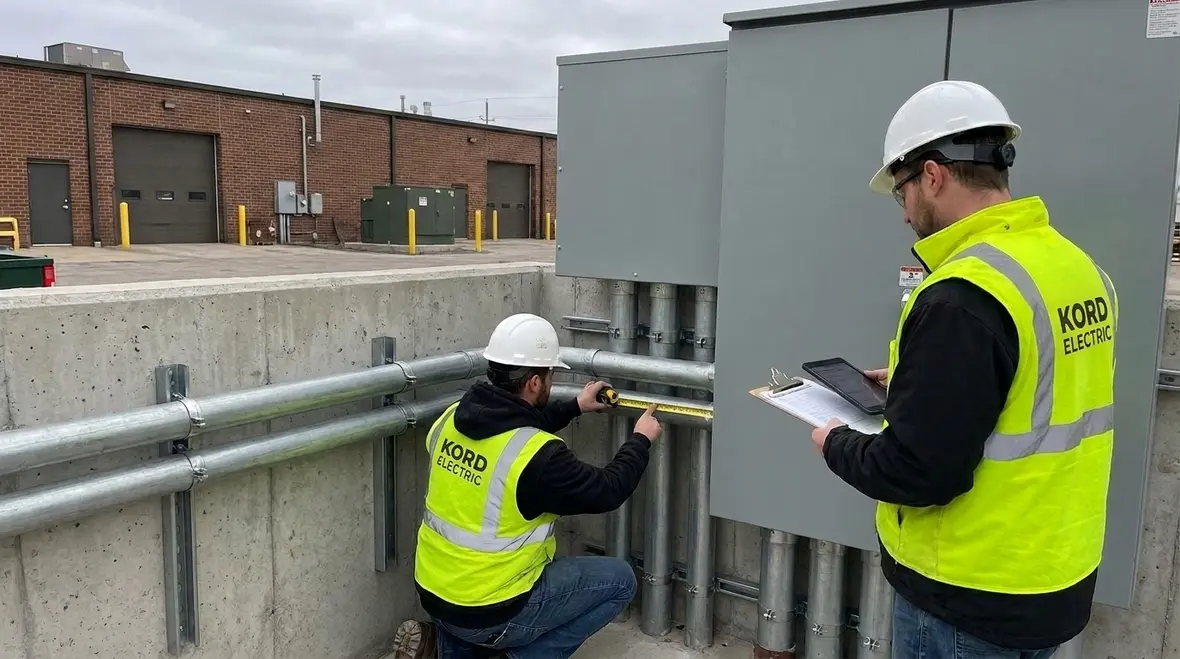
Kord Electric NEC Service Entrance Mounting Supports
Kord Electric helps teams meet NEC mounting rules for service entrances
At Kord Electric, we support commercial and industrial facilities with safe electrical work that meets code and passes real-world inspections. In this article, we focus on NEC service entrance mounting supports and what NFPA 70 Section 230.51 requires for service-entrance conductors. Early on, we remind our clients that these supports do more than look tidy. They protect connections, reduce stress on cables, and help keep fault risks lower when weather, vibration, and building movement show up uninvited.
And yes, we have seen conduits sway like they are auditioning for a role in a movie. The goal is to prevent that kind of drama before it starts. Our technicians and expert service staff explain the “why” behind the rules so facilities managers and electrical coordinators can make confident decisions.
What NFPA 70 Section 230.51 actually covers
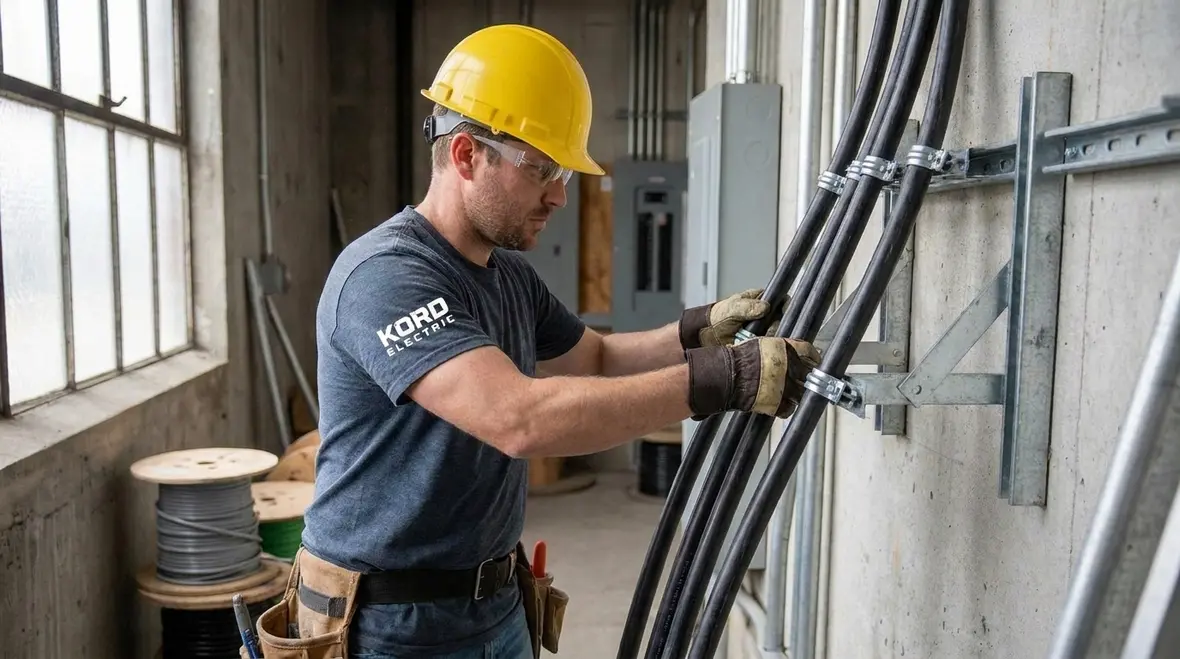
NFPA 70 Section 230.51 focuses on the mounting supports for service-entrance conductors. In plain terms, it tells you how and where you must secure conductors at the service entrance so they stay in place and remain protected. However, the rule does not treat mounting as an afterthought. It expects you to design for how the conductors behave over time, not just at the moment of installation.
Therefore, when we plan a service, we look at the full path from the service point through the routing and into the service equipment. Then we check the mounting approach so the conductors do not sag, whip, or pull on terminations. This matters because loose or overstressed conductors can lead to overheating at terminations, increased maintenance, and problems during inspection.
For facility leaders who want a broader primer on how these mounting rules sit inside the larger National Electrical Code story, we often recommend pairing this article with the Kord Electric guide Understanding NFPA 70: The National Electrical Code Explained for 2026, which explains how current NEC direction shapes planning for major property buildings.
Why mounting supports reduce risk in commercial and industrial installs
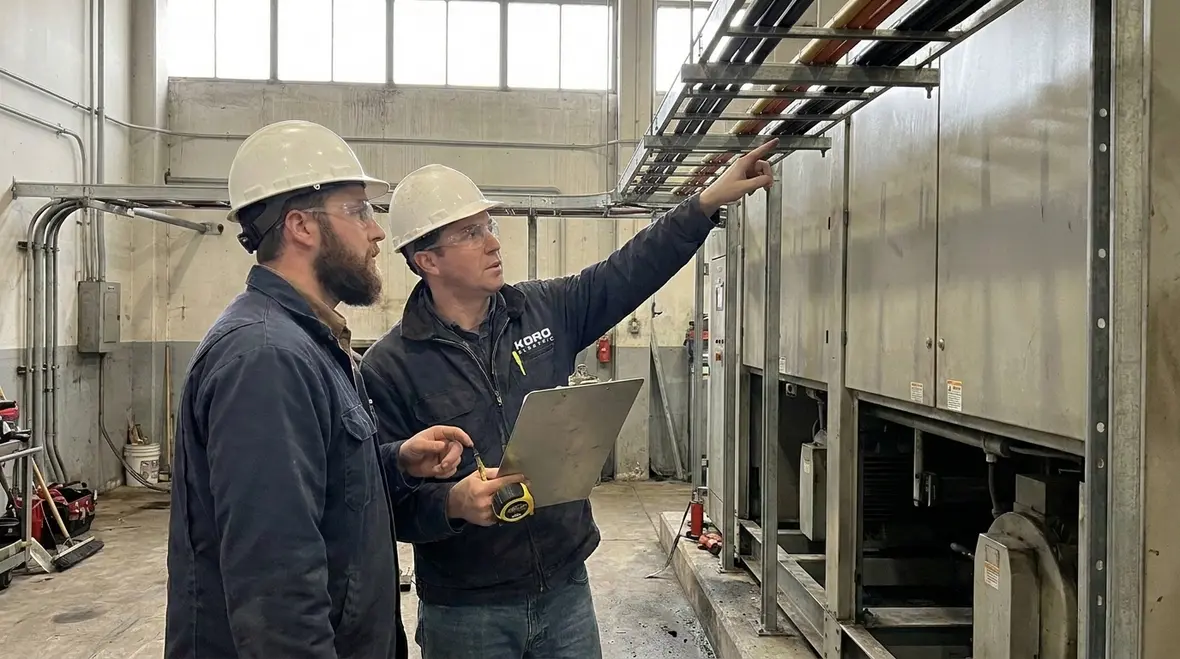
Commercial and industrial buildings often face conditions that light-duty installations never see. Larger cable runs, heavier equipment rooms, frequent upgrades, and ongoing mechanical activity can all change how electrical components handle stress. As a result, mounting supports become a key part of the safety story.
First, proper support controls conductor movement. When wind, thermal expansion, and building vibration act on service-entrance cables, supports help reduce strain at critical points. Next, supports protect against mechanical damage. Crews move materials, service doors close, and ladders get used. Without solid mounting, conductors can end up taking hits they never asked for.
Third, code compliance supports consistent inspection outcomes. Our experienced team often helps property owners avoid the “quick fix” cycle where someone mounts something loosely, then the inspector requires changes. We prefer doing it right the first time, because nobody wants a repeat visit that eats up downtime. We say it with love, but also with the calm authority of people who have stayed on site long enough to know how delays feel.
These NEC service entrance mounting supports do more than satisfy a line in a rulebook. They keep conductors stable so protective devices, terminations, and raceways can do their jobs through everyday operations and through the weird days when something unexpected happens at the site.
How we assess conductor support points during design and installation
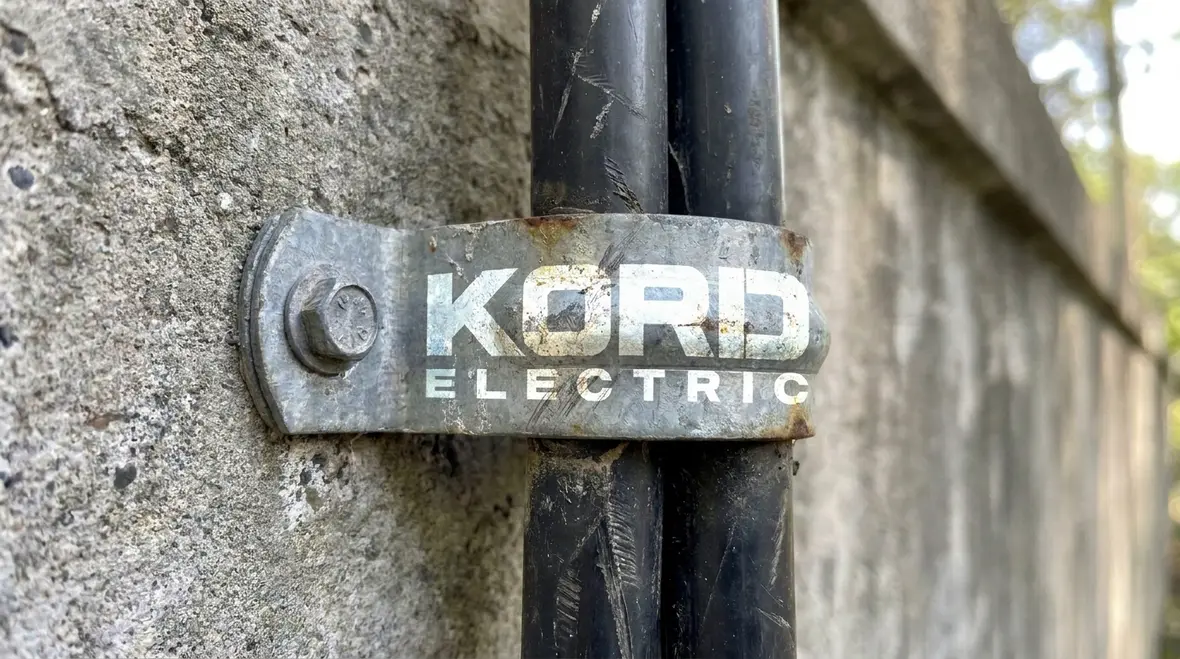
When our Kord Electric team works on a service entrance for a facility, we evaluate the support plan in stages. We start by gathering details on the building layout, routing constraints, conductor size, and the service equipment location. Then we identify where the conductors require secure mounting according to NFPA 70 Section 230.51 and related rules.
After that, we confirm that the mounting method matches the installation conditions. For example, we consider cable type, surface mounting versus raceway routing, exposure to moisture, and physical protection where needed. Also, we check how supports interact with other systems, like fire protection piping, HVAC penetrations, and structural steel.
To keep things clear, we explain it to clients using the same approach our technicians use on site: supports should control movement, prevent damage, and avoid stress at terminations. In addition, we confirm that the installer can maintain the same support quality during future changes, such as adding circuits or replacing equipment.
On many projects, we also align this assessment with broader NEC planning. Teams who are already studying national electrical code resources on Kord Fire or our 2026 NEC application guides can fold this mounting support review into their overall upgrade roadmap instead of treating it like a separate “extra.”
Common mistakes we see with service-entrance conductor mounting
We do not judge. We troubleshoot. Still, we see patterns that show up again and again in commercial and industrial facilities. Here are the issues that most often create inspection headaches or raise safety concerns.
- Supports placed too far apart, which allows conductor sag or movement that grows over time.
- Supports installed without regard to termination stress, so the cable pulls against equipment lugs or connectors.
- Improvised fastening methods, such as mounts that do not properly secure the conductor or that loosen due to vibration.
- Missing coordination between electrical routing and mechanical trades, which can lead to later changes that remove or weaken supports.
- Inadequate physical protection where conductors face impacts from normal site activities.
When these mistakes happen, the fix usually takes more labor than the original work. That is why we emphasize planning and quality control. Our expert service staff walks clients through what we observe and how we correct it. We keep the tone professional, but we also keep it human. Code does not have to feel like a riddle written in invisible ink.
In our review conversations, we often connect these issues back to broader workmanship expectations like those in NFPA 70 Section 110.7, so teams understand that NEC service entrance mounting supports are part of an overall integrity standard, not a one-off detail.
Practical installation tips from our technicians
In the field, the “right” mounting approach shows up as clear workmanship. So we share practical steps our technicians follow for service entrance builds on major property buildings.
First, we verify support hardware and spacing before conductors go in. We do this early because once the cable is laid, adjustments become messy and costly. Next, we align supports so the conductor route stays true. Even when a cable looks straight today, it can shift after thermal cycles.
Then we secure at the right locations to reduce strain on connections. After that, we check that supports remain stable and do not create sharp bends, pinch points, or uneven loads. Finally, we document the layout and our installation choices. That documentation helps when facility teams plan upgrades later.
If you have ever watched a sitcom where someone says, “It worked yesterday,” you know why this matters. Electrical systems do not run on sitcom logic. They run on physics and safety margins, and they keep score over time.
During those installation walkthroughs, our crews also point out how mounting supports interact with raceway selection, conductor size, and equipment ratings, so facilities see the full picture instead of treating each NEC requirement like a separate trivia question.
How Kord Electric aligns code knowledge with real inspections
Kord Electric stays focused on commercial and industrial facilities and major property buildings, where electrical systems must perform reliably and meet strict requirements. We do not treat code as a checklist we rush through. We treat it as a safety framework that guides how we plan and execute service entrances.
Additionally, our approach matches the broader NEC education clients often seek from trusted resources. We also use local fire and electrical compliance context when appropriate, since NFPA 70 and related safety planning often show up together in real projects. For teams that want background context on the National Electrical Code, we encourage reviewing guidance like the discussions on Kord Electric’s blog and Kord Fire resources, including practical explanations that support planning for 2026 updates and beyond.
In short, when our technicians handle NEC service entrance mounting supports, we help ensure the installation supports both safety and ongoing operations. The goal is not just to pass the inspection. The goal is to keep the facility stable, safe, and ready for the next upgrade cycle.
If your facility is in Southern California and you want this kind of detail applied across your electrical systems, you can connect our code-focused planning directly to field crews through our dedicated Los Angeles County electrical services, which support commercial and industrial properties across the region.
FAQ
Conclusion: Let us tighten the plan before the cables go in
When you build or upgrade a commercial or industrial service entrance, mounting supports should never be treated like a last-minute detail. Kord Electric brings expert service staff, field experience, and careful planning to help your team meet NFPA 70 Section 230.51 with confidence. If you want a support plan reviewed before installation or need a quality-focused install for major property buildings, contact us. We will explain the requirements clearly, document our approach, and help you move forward without surprises.
From early design through final inspection, we treat NEC service entrance mounting supports as part of a larger safety and reliability strategy. Tightening that plan before the cables go in is one of the simplest ways to protect your investment, your operations, and the people who count on your building every day.


