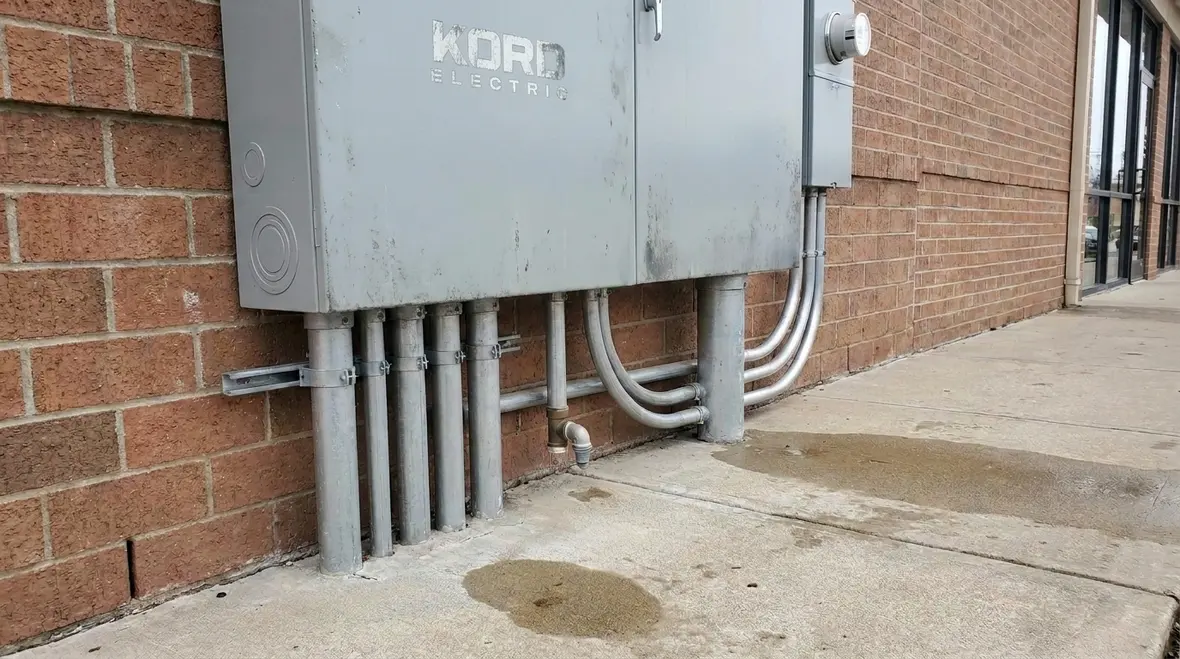
NEC raceways drain at the service entrance 230.53
Keeping NEC raceways ready at the service entrance
At many commercial and industrial facilities, we see the same quiet problem show up over and over: water and moisture moving into the wrong places. In our world, that means crews must plan how NEC raceways to drain service pathways behave at the service entrance. That single idea connects directly to NFPA 70 Section 230.53, where the code explains when and how raceways at the service must drain so equipment stays reliable. Our technicians and expert service staff at Kord Electric walk through this in plain language, because electrical compliance should not feel like a riddle written by a comic book villain.
And yes, moisture loves tall buildings almost as much as it loves leaving fingerprints on your screen. The difference is we design so the moisture loses the fight.
When facility leaders start thinking about drainage at the service entrance, they often realize how many systems depend on that one small detail. Service raceways feed the brains and backbone of the building: main switchgear, major distribution, life safety infrastructure, and downstream equipment that keeps tenants, production, and data moving. If moisture finds a path into those raceways and has nowhere practical to go, it does not just sit politely. Over time, it looks for companions, follows heat, and finds weak points in insulation, terminations, and metallic parts.
That is why we treat the phrase “NEC raceways to drain service” as more than a technical line in a book. It becomes a design habit. Our team reviews elevations, routing, coordination with structural elements, and the relationship between outdoor exposure and indoor equipment. Then we translate all of that into field-friendly instructions that installers can follow without flipping through pages of code text on a scissor lift.
What NFPA 70 230.53 requires for service entrance draining
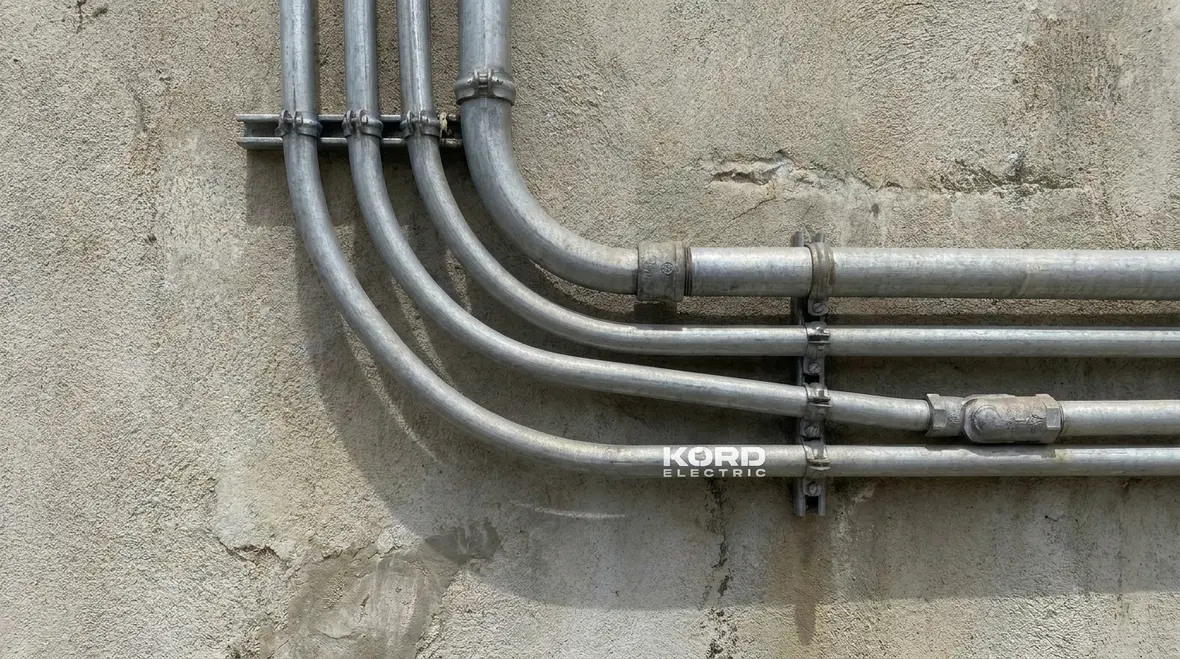
NFPA 70 is the National Electrical Code, and Section 230.53 focuses on one thing: draining raceways that connect to the service. When raceways run in a way that can trap water, the code pushes for a route that lets water move out instead of settling inside conduits and fittings.
In practice, others often assume conduit is “sealed” and therefore safe. However, water can enter through temperature changes, imperfect fittings, or condensation. Then, once the system is energized and warmed, that moisture can migrate. As a result, it may impact equipment enclosures and cable terminations over time, especially in large commercial and industrial sites where loads run hard and continuously.
Section 230.53 tells installers to treat the route like a drainage path, not just a wire path. Therefore, we plan the run with the idea that water must drain where it can be managed, inspected, and removed. Our field experience shows that when engineers and contractors treat this section as a checklist only, problems usually appear later during inspections, troubleshooting, or after a storm.
Because so many facilities depend on clean, predictable power, we also connect 230.53 back to broader NEC strategy. When teams read resources such as Kord Electric’s guide on Understanding NFPA 70: The National Electrical Code Explained for 2026, they see how requirements like service entrance drainage share the same goal as grounding, bonding, and overcurrent protection: keeping faults small, controlled, and manageable instead of dramatic.
For owners and managers, that connection matters. A single overlooked low point in a raceway might not trip an alarm on day one, but over several seasons of condensation, expansion, and contraction, that moisture can help corrosion and insulation breakdown sneak into equipment that everyone assumes is protected.
How raceway slope, bends, and fittings prevent trapped water
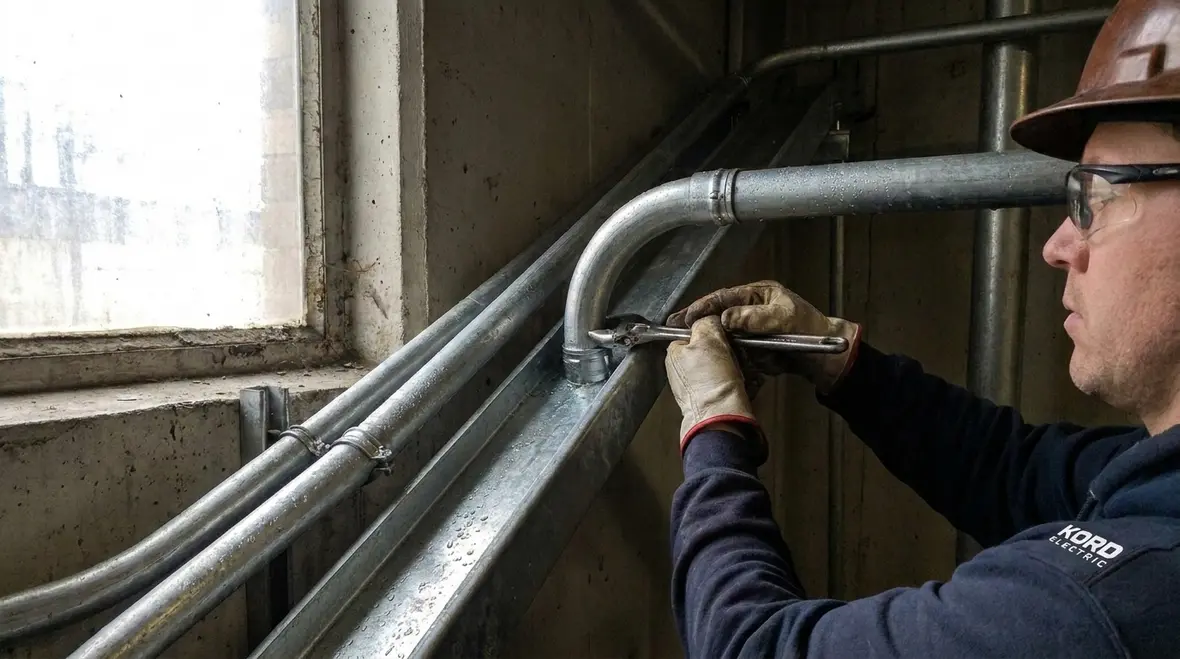
To follow the intent of 230.53, the details matter. First, contractors must consider the direction of the run. If a raceway rises and then turns into a low spot, water can collect. Next, bends and fittings can create pockets where moisture sits, even if the conduit looks fine from a distance.
Our technicians explain it like this. Imagine walking into a cold lobby after a rainstorm. You can bring in water on your shoes, and it does not instantly vanish. The same principle applies inside conduit. Water behaves like a guest that keeps checking in through tiny openings and then waits for a quiet moment to pool.
So we look at the entire system, including:
- Run direction so the path supports drainage rather than trapping
- Bend choices so fittings do not create collection points
- Entry and exit details so raceway routes align with service equipment needs
- Support and alignment so the raceway does not sag over time
Then we coordinate with the team responsible for the service entrance design. Commercial and industrial facilities often have multiple trades working at once, and routing changes happen during the job. Because of that, we confirm the final route matches the drainage intent instead of assuming the original drawings still hold.
On some projects, that coordination even extends to larger code planning. A facility might be reviewing switchgear maintenance under NFPA 70B, planning modern electrical system upgrades, or exploring how to read NFPA 70 for a coming renovation. Those bigger conversations help keep small but critical details, like raceway slope at the service entrance, aligned with the same standard of care.
Ultimately, raceway drainage is a geometry problem with safety consequences. Good slope and fitting choices turn water into a managed variable. Poor slope and haphazard fittings turn water into a wandering hazard, especially when it has nowhere to exit gracefully.
Why drainage at the service entrance protects major property systems
In a major property building, the service entrance acts like the front door for power. It feeds switchgear, transformers, and critical distribution panels. When moisture sits in raceways, it can contribute to issues that grow with time, such as corrosion at terminations, insulation stress, and recurring nuisance troubles.
Some facility managers treat these events as random “electrical gremlins.” Yet the gremlins usually have a cause, and moisture often plays a bigger role than people expect. That is why we focus on drainage behavior at the service entrance, not just compliance paperwork.
We also recognize the operational side. Many large facilities cannot shut down easily, and shutdowns cost real money. As a result, the best time to handle drainage is before systems energize and before the building runs under full load for months on end.
Think about how many other systems hang on the performance of that service entrance. Fire protection, data centers, manufacturing lines, elevators, HVAC, and life safety circuits all depend on a stable electrical backbone. If trapped water at the service quietly undermines connections, a future fault or storm can turn that hidden weakness into an outage at the worst moment.
By treating NEC raceways to drain service requirements as foundational, we also support long-term maintenance strategies. When technicians open gear ten years from now, they should see clean conductors, solid insulation, and dry, well-kept compartments—not the telltale signs of water that has been wandering through your infrastructure for years.
Common mistakes we see during reviews and commissioning
When our expert service staff reviews projects or supports commissioning, we notice a few patterns. They show up on new construction and in upgrades. And like any bad sitcom plot, they repeat because teams often believe the risk is low. Still, NFPA 70 230.53 does not negotiate with assumptions.
Here are common mistakes and how they show up:
- Low points created by routing changes during install, which can trap water in the service section
- Incorrect alignment where supports allow subtle sag, turning a drain path into a collection path
- Poor coordination between electrical routing and structural or architectural elements
- Overlooked condensation in temperature cycling environments, especially in mixed-use commercial areas
Then, during troubleshooting, the team chases the wrong clues. They may inspect terminations first, since corrosion looks dramatic. But water may have been quietly collecting upstream. Therefore, we trace the system mindset from service entrance routing outward.
Our technicians document what they find and explain it so facility stakeholders can plan next steps clearly. If a section needs correction, we outline the path and timing so the building can keep its schedule.
We also encourage owners and managers to use service entrance reviews as a chance to catch related issues. For example, a project that missed raceway drainage details might also need a closer look at labeling, disconnect access, or how emergency outside disconnects are configured elsewhere on the site. Bundling those checks can save time and cut down on repeat shutdowns.
Because commissioning days are often busy, with multiple trades finishing work at once, our team keeps the tone practical, calm, and focused on solutions. The goal is not to point fingers—it is to get your facility across the finish line with a service entrance that drains properly, performs reliably, and satisfies the inspector the first time.
How Kord Electric approaches NEC compliance on service work
We do not treat NEC requirements like a distant academic subject. At Kord Electric, we help commercial and industrial facilities build safe, reliable electrical systems, and we explain the “why” behind the code so teams can make smart decisions quickly.
Our process typically includes a practical review of the service entrance raceway route, confirmation of routing details that support drainage, and coordination with the broader installation plan. We also consider how the building operates, because a warehouse, a data driven facility, and a manufacturing site all face different moisture and temperature realities.
When questions come up, we answer them directly. In other words, we speak like the seasoned pros you wish every vendor was. If you have ever tried to decode a technical spec while your project manager is asking for updates every ten minutes, then you understand why we keep communication calm and clear.
That approach lines up with how we talk about the National Electrical Code in general. Whether a team is digging into a “how to read NFPA 70” guide or mapping out modern electrical systems for a new facility, our technicians connect theory to jobsite reality. Service entrance drainage is one more example of that connection, where a few smart decisions at layout time solve a decade of potential headaches.
We also keep documentation tight. Photos, notes, routing sketches, and code references all help support inspections and future maintenance work. When someone years from now asks, “Why did they route it this way?” the answer should be clear: to keep raceways draining properly and the service entrance working as designed.
When to involve fire and safety experts early
Electrical systems do not live alone, and neither does safety. Service entrance design can influence other systems, including fire pump power, monitoring systems, and protective signaling. If your facility involves fire protection equipment, coordination matters because the power path must stay stable and dependable.
For major property buildings, we recommend early alignment with fire protection stakeholders and related engineering. That approach keeps the job moving and helps prevent late revisions. In some cases, teams also consult fire and code resources to align their understanding of NEC and related compliance goals, since safety programs run best as a unified plan.
Our team stays ready to support that coordination while keeping the electrical scope solid and inspection friendly. We want your site to pass inspection on the first attempt, not after three rounds of meetings that sound like “just one more adjustment.”
It also helps to connect these conversations to long-term reliability. When electrical and fire protection teams share a clear picture of how service raceways drain and how equipment stays dry, they can better predict how fire pumps, alarms, and emergency systems will behave during storms, heat waves, or unusual operating conditions.
In the end, everyone on the safety side is trying to avoid the same outcome: a moment when systems are needed most and something simple, like trapped moisture at a low point in a raceway, undermines all the planning. Involving the right experts early keeps that story from becoming reality.
Frequently asked questions about NFPA 70 230.53
Request a service entrance review
If your facility faces a new service entrance, an upgrade, or a project close to commissioning, we can help you avoid drainage related issues before they turn into downtime. Kord Electric serves commercial and industrial clients, and our expert service staff explains NFPA 70 needs in clear, practical terms. Reach out to us for a review of your service entrance raceway routing and draining plan. Then we can coordinate next steps so your installation stays safe, reliable, and inspection ready.
For facilities planning broader electrical improvements, service entrance drainage can be folded into a larger strategy that includes data-driven electrical design, modern electrical systems for commercial buildings, and regional considerations for Los Angeles County electrical services. Treating these elements as a single, coordinated effort makes it easier to pass inspections, protect operations, and keep equipment performing the way the drawings promised.
Whether you are mapping a new major property project or tightening up an existing service entrance before the next inspection, the goal stays the same: NEC raceways that drain correctly, service equipment that stays dry, and a facility team that can stop worrying about hidden moisture and focus on the work they were actually hired to do.
Kord Electric is ready to help you get there with clear guidance, careful field review, and service work that respects both the National Electrical Code and the realities of running a busy commercial or industrial site.