NFPA 70 Section 230.62 NEC Service Equipment Barriers
Kord Electric designs and services power systems for commercial and industrial facilities, and for major property buildings where reliability has to show up on time. In many installs, NEC service equipment barriers help control access to enclosed or guarded service equipment. That matters because energized parts do not care about office hours, and they definitely do not care about “someone will look at it later.” In this guide, we explain NFPA 70 Section 230.62, then we translate it into practical steps our technicians follow in the field. And yes, we will keep it calm and clear, because electrical safety should feel like a steady hand, not like a jump scare from a bad horror movie.
What NFPA 70 Section 230.62 actually requires in the field
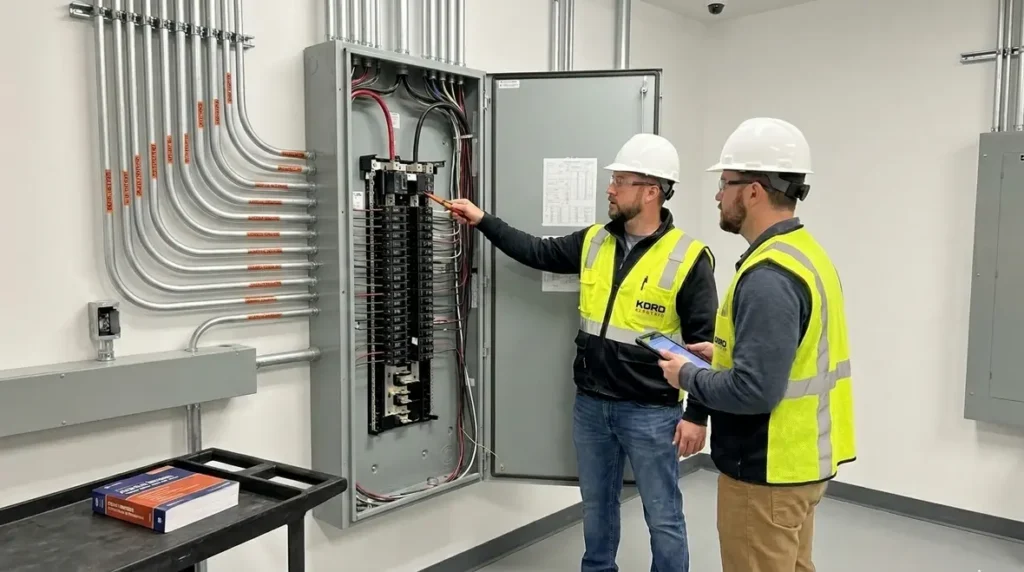
In simple terms, NFPA 70 Section 230.62 addresses enclosed or guarded service equipment and it explains what rules apply when the equipment is not intended for routine access. In our work, we treat this section as a safety framework. First, we confirm the service equipment is installed in a way that prevents accidental contact. Then we verify that any openings, access points, and exposed areas meet the code intent.
Additionally, this section supports a clear goal: reduce the chance that a person can reach live electrical components. So, when an inspector walks the site, we can show not only that the equipment looks “proper,” but also that it aligns with the required protection approach. When facility teams want a broader code overview, we often pair this discussion with resources like our National Electrical Code explainer for 2026, which connects high-level NEC structure to everyday decisions about installation and verification.
In commercial and industrial environments, this requirement does not live in a vacuum. It connects directly to how we read and apply the National Electrical Code at large. For teams who want to zoom out and see how Section 230.62 fits within the bigger picture of NFPA 70, our detailed overview on understanding the National Electrical Code for 2026 gives useful context before we zoom back into service equipment and barrier design.
Where NEC service equipment barriers show up in real installations
Commercial and industrial facilities face different risks than small residential projects. For instance, they often include busy corridors, shared loading areas, and areas that contractors use during maintenance. As a result, service areas can become a traffic pattern. Therefore, we use NEC service equipment barriers and related protective methods to control access.
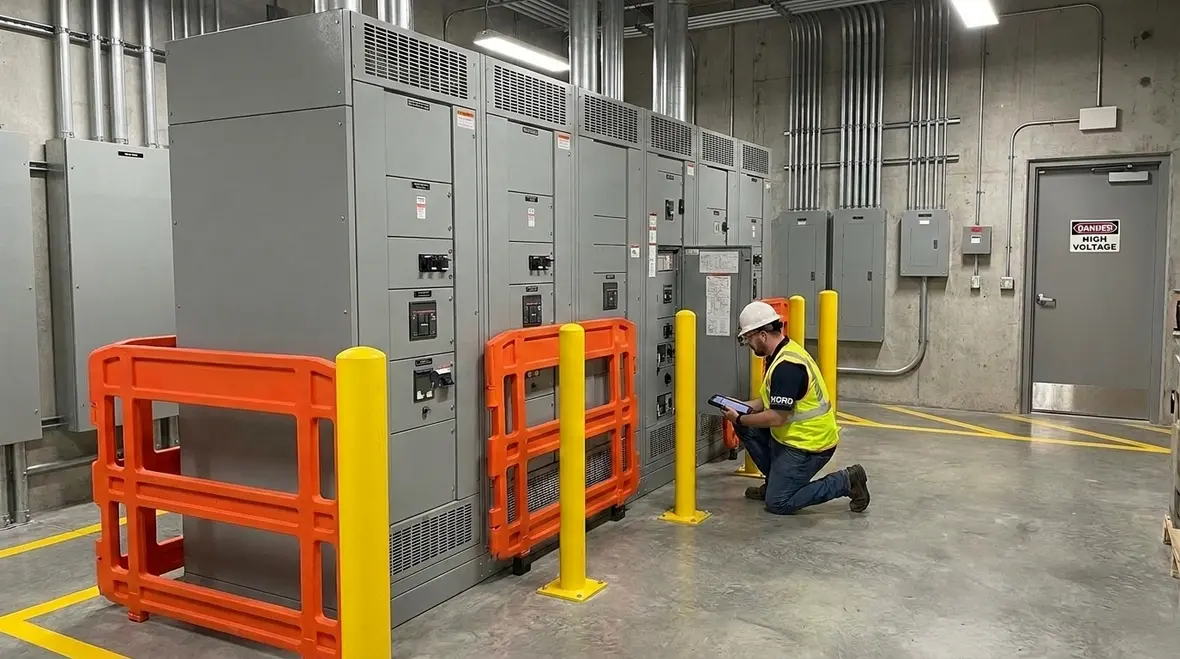
In practice, we see these barriers used when service equipment is located where people can reasonably approach it. Moreover, they help when the equipment sits in a semi-public zone, such as near common electrical rooms, walkways leading to switchgear, or utility areas accessed by multiple vendors. When barriers or guards are properly applied, they act like a physical reminder: “This is not a workbench. Do not touch.”
Our technicians also pay close attention to how the barrier behaves under everyday conditions. For example, they check whether doors stay latched, whether openings remain controlled, and whether temporary access measures could weaken the protection. Because in the real world, someone will eventually prop a door open. That is where careful planning saves lives and schedules.

We often coordinate these barrier layouts with other NEC-driven requirements such as clear working space, approach boundaries near live parts, and overhead clearances. When those pieces support each other, the service equipment area feels deliberate instead of improvised, and future upgrade work has a safer, more predictable starting point.
Understanding “enclosed or guarded” without getting lost in jargon
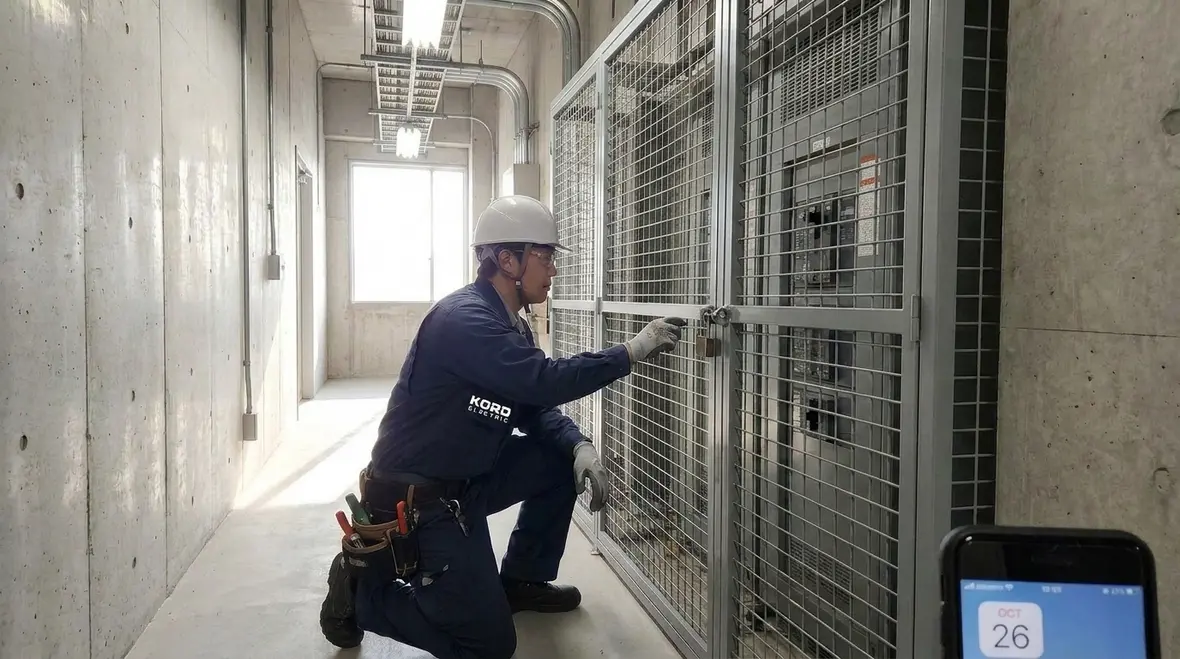
Because the code uses specific language, we explain it the way our expert service staff teaches it on site. “Enclosed” means the equipment is inside a housing that prevents contact with live parts. “Guarded” means there is a physical barrier that blocks access, even if the equipment is not fully enclosed.
So, the key difference is not just appearance. Instead, it is the functional protection. If a guard allows easy reach into live areas, it does not meet the intent. If an enclosure has openings that people can defeat with a casual reach, it does not meet the intent. And if a barrier relies on “good behavior” rather than construction, our team treats that as a red flag.
Meanwhile, we also watch for common site problems that show up over time. Gaps can widen, panels can loosen, and hinges can wear. Therefore, our approach includes verification during installation and checks during ongoing service work. We do not just build it once. We help keep it safe for the long run, including after renovations, equipment moves, and seasonal contractor activity.
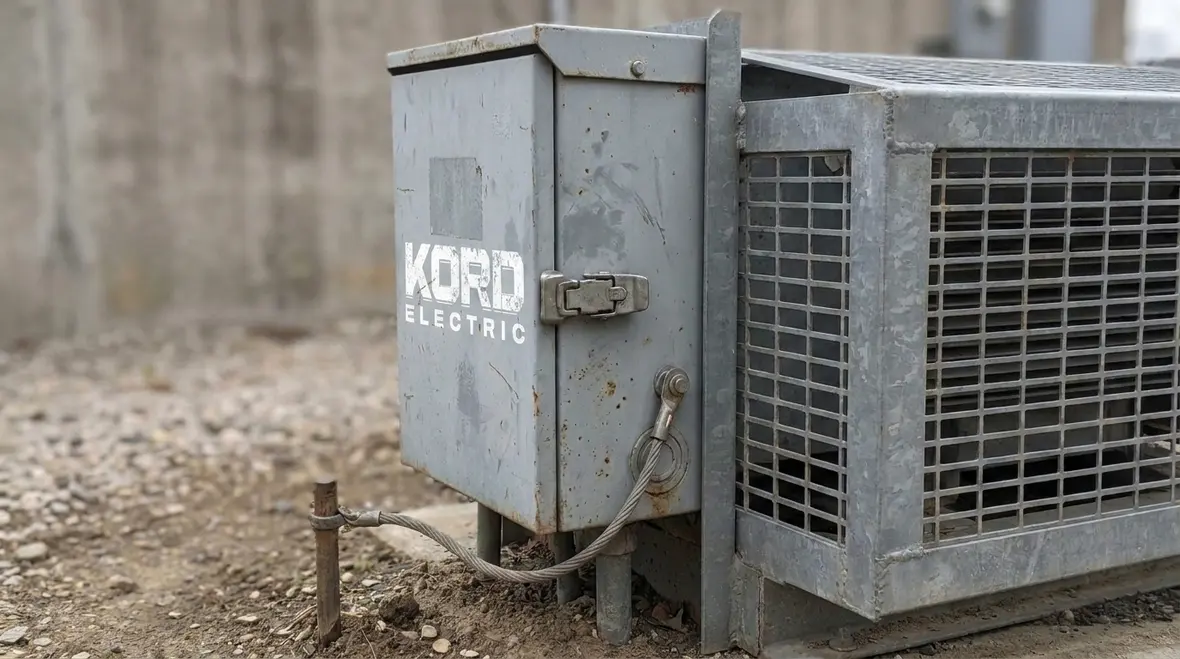
Across large facilities, this “enclosed or guarded” question often comes up alongside other NEC fundamentals like general safety scope and application rules. That is why we connect barrier conversations to broader code topics such as general requirements for electrical safety and the overall NEC scope for 2026, so decision makers can see how one section influences another.
How we verify compliance during inspections and service calls
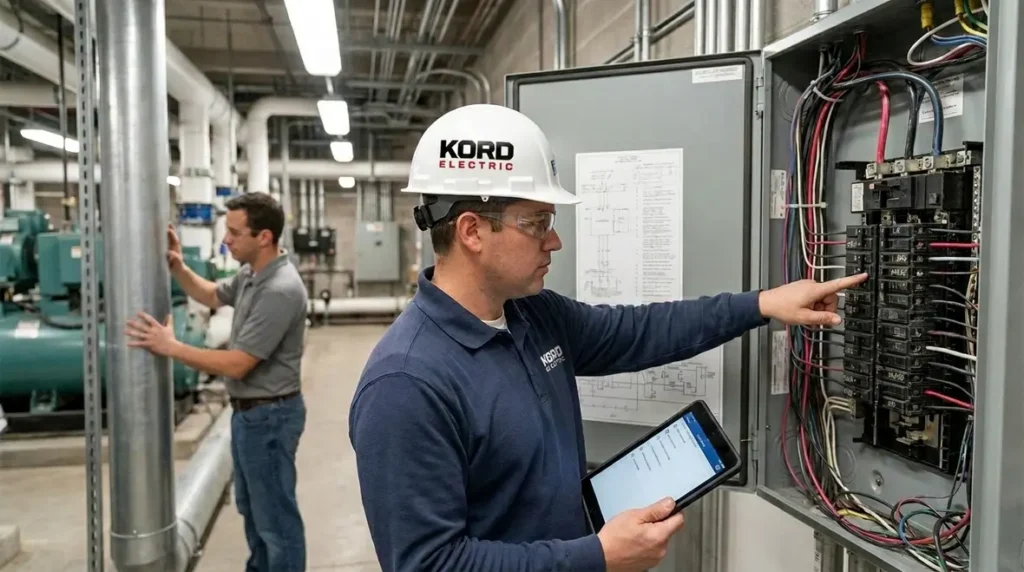
When we support a facility, we do more than point at equipment and say “looks good.” First, our technicians evaluate the service equipment layout in relation to people flow and maintenance access. Then we compare the installed protection method to the code intent in NFPA 70 Section 230.62.
Next, we look at the practical details that often decide whether an inspector is satisfied. We check door and cover construction, barrier spacing, secure attachment, and the way an enclosure handles accidental contact. Additionally, we consider how the equipment will behave when normal work happens around it.
For example, we confirm that maintenance tasks do not lead to “temporary defeats” that become permanent. In one facility, we once found a guard that was installed, then modified after an equipment upgrade. The modification was small, but it changed the access path. It is like adjusting a seatbelt after a test drive. Sure, it still looks like a seatbelt, but now it does not do the job it was built for. Our team corrected the condition and documented it clearly for the client.
Finally, we ensure facility staff understand what they can and cannot do. So, our expert service staff explains the “why” behind the barrier decisions, not just the “what.” That reduces the chance of future workarounds that weaken safety. When clients want to see how this approach lines up with wider NEC practice, we often reference companion resources that show how we navigate NFPA 70 structure and its 2026 direction in day-to-day planning.
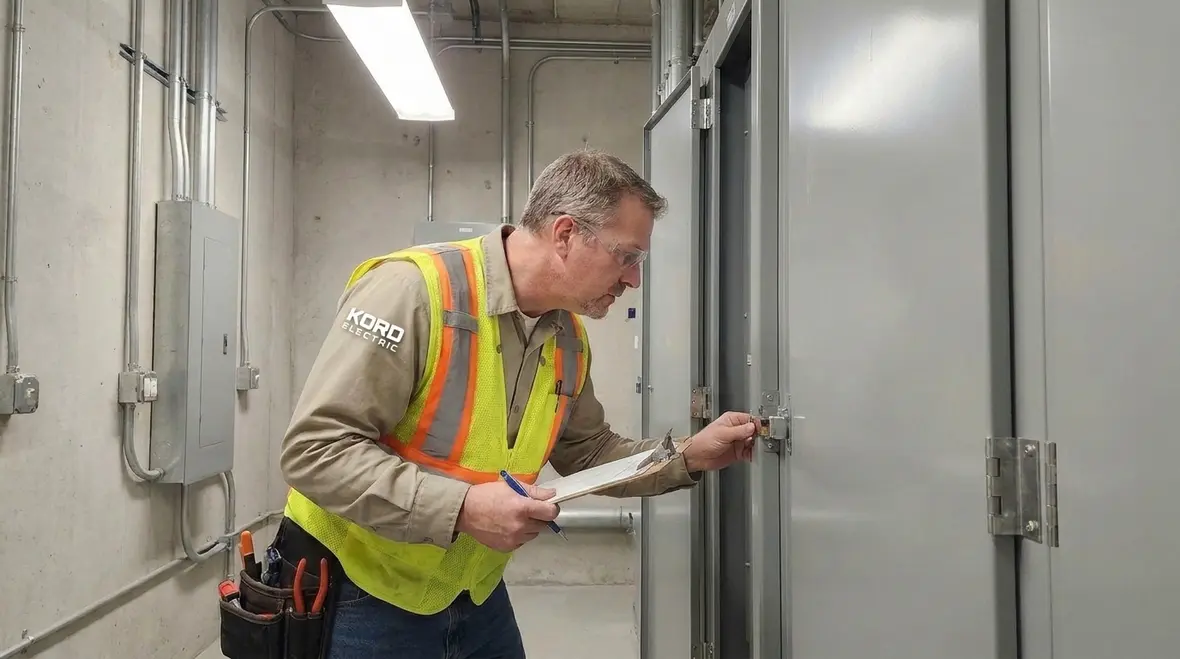
This methodical inspection style lets us interact smoothly with authorities having jurisdiction and internal safety teams. By the time an external inspector walks in, we have already mapped out what NEC sections support the installed barriers and how those barriers preserve safe access to energized equipment.
Barriers, access, and workflow: keeping power reliable while staying safe
Every major property building wants two things at once: safe access and reliable operations. Therefore, we design barrier strategies that do not slow down real maintenance. When barriers block access, they should still allow authorized service work without compromising protection.
So, we coordinate the electrical room workflow early. We help facilities plan where technicians stand, how they open equipment compartments, and how they handle testing and troubleshooting. Moreover, we align barrier design with how the building uses the area, including deliveries, tenant activity, and common maintenance schedules.
In many cases, we also advise on signage and access control practices that pair with the physical protection. When the facility staff knows the rules, the barrier does less “convincing” and more “protecting.” And when access is controlled, service equipment stays easier to inspect, easier to maintain, and less likely to be disturbed by uninformed hands.
If you are thinking, “This sounds like good planning, not just code talk,” you are correct. Electrical safety is not a checkbox. It is a system, and it includes construction, procedures, and the people who live with the equipment every day. That is why our planning often sits alongside other NEC-focused services like code upgrade consulting and electrical safety training, so barrier decisions match the overall safety culture for the facility.
Common mistakes we see and how Kord Electric prevents them
Our field experience shows repeat patterns. We do not enjoy finding issues, but we do appreciate catching them before they become expensive problems. First, some sites treat guards as optional cosmetics. Then, someone later adds equipment or runs new cables and accidentally changes access. The protection no longer matches the as-built condition.
Second, facilities sometimes rely on enclosures that look solid, yet have openings that allow reach. Third, maintenance access gets “improved” with temporary steps that never return to the original safe configuration. And fourth, teams may schedule service without coordinating with the site rules, which leads to hasty workarounds.
To prevent these, we apply a clear process. We inspect the service equipment area and confirm the protective method meets the intent for enclosed or guarded protection. Then we correct conditions that weaken the barrier function. Finally, we document the results so the facility can keep consistent practices during future upgrades.
As a reference point, we also align our understanding with trusted NEC education resources. For those who want the broader context of the National Electrical Code, Kord Electric and our related fire and code resources publish helpful guides through Kord Fire and Kord Fire Australia. We aim to keep our customers informed, not overwhelmed. For example, our article on the National Electrical Code explained for 2026 helps teams see how sections like 230.62 relate to other rules on scope, clearances from buildings, and equipment condition.
How NEC service equipment barriers connect to wider NEC planning
Service equipment barriers rarely show up as a one-line decision. Instead, they are part of a broader NEC roadmap. When we plan a project, we look at how NFPA 70 scope rules apply, how general requirements shape design, and how specific sections such as clearances from buildings and branch-circuit guidance interact with service equipment layouts.
For instance, overhead service locations, working clearances, and approach distances all influence where enclosures and guards can sit. If we ignore one of those elements, the others quickly become harder to manage. By tying NEC service equipment barriers to larger code topics, we help facility leaders understand why certain layouts make inspections and long-term maintenance easier.
We also use this broader NEC lens when buildings schedule renovations, tenant improvements, or equipment replacements. During those phases, it is tempting to treat barriers as something you “put back roughly where they were.” Instead, we revisit the code requirements, verify that the new configuration still keeps people away from energized parts, and update documentation so future teams know what the barrier is supposed to do.
How Kord Electric supports facilities with NEC-focused services
Barrier design and verification sit alongside many other NEC-driven tasks we handle for commercial and industrial clients. We help teams interpret what NFPA 70 expects for their building type, voltage levels, and equipment, then we convert that into field-ready plans. Our technicians work with project managers, safety leaders, and inspectors so barrier decisions match the rest of the electrical strategy.
For facilities that need a deeper dive into how the National Electrical Code operates across upgrades and new work, we frequently point to internal education resources that walk through NFPA 70 for 2026, application requirements, and electrical code considerations for specialized environments such as data centers and industrial process plants.
If your building is in or around Los Angeles County and you want a team that treats NEC service equipment barriers as part of a complete safety plan, you can explore our Los Angeles County electrical services. That page outlines how we combine code-minded planning with real-world scheduling so barrier upgrades, equipment replacements, and inspections fit your operational needs instead of fighting them.
FAQ on enclosed and guarded service equipment
Conclusion and next step with Kord Electric
Kord Electric helps commercial and industrial facilities keep service equipment safely protected in line with NFPA 70 Section 230.62. Our technicians and expert service staff review equipment access, confirm enclosure or guarding intent, and help you maintain safe conditions through real-world workflow. If your facility plans upgrades, faces recurring maintenance access issues, or needs a safety-focused review, contact Kord Electric. We will assess your service area, explain our findings in plain language, and help you move forward with confidence.
For facility leaders who also want to deepen their understanding of the National Electrical Code, you can review our educational guide on Understanding NFPA 70: The National Electrical Code Explained for 2026. Paired with this barrier-focused discussion, it gives you a calm, structured way to see how each NEC requirement supports safer, more reliable power systems across your property.