
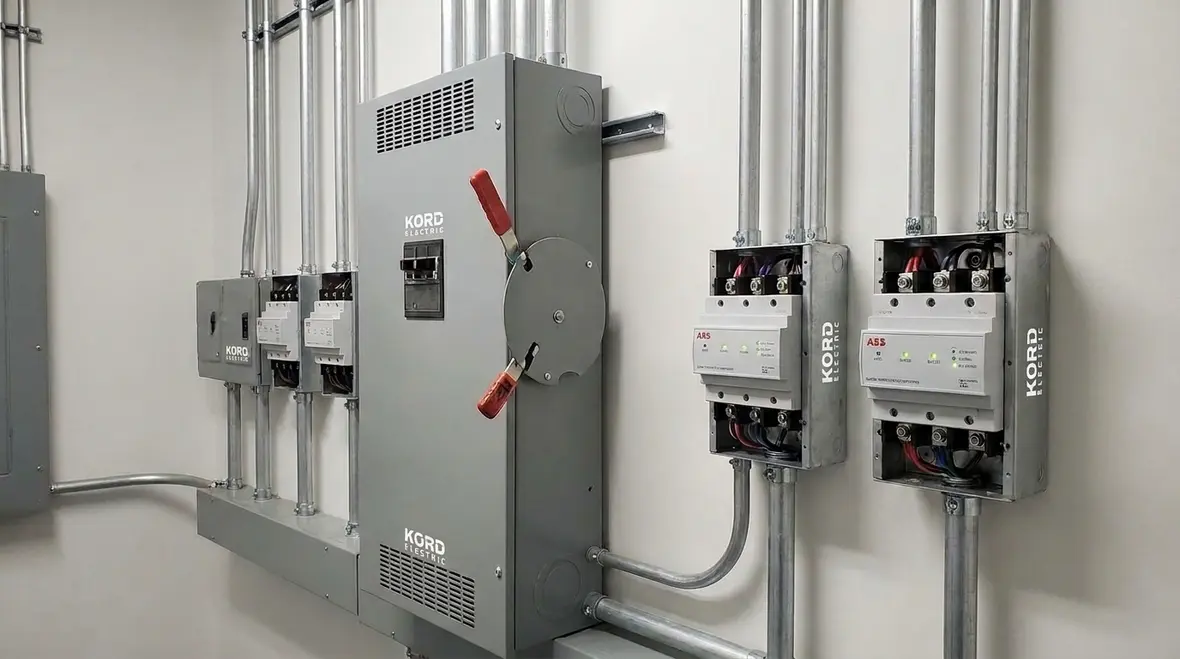
NFPA 70 and NEC Surge Protection at the Service Disconnect
NFPA 70 and NEC Surge Protection at the Service Disconnect sounds like the kind of phrase you would only say while holding a clipboard, wearing a hard hat, and regretting every life choice that led you to electrical code homework. At Kord Electric, we keep it practical. We explain NEC surge protection at service so our commercial and industrial clients can protect equipment, avoid downtime, and stay compliant. In this guide, we focus on NFPA 70 Section 230.67, which sets rules for surge protection at the service disconnect.
And yes, we explain it with the calm confidence of our expert service staff. They do not just quote code. They translate it into decisions your facility manager can use, and that decision can save money when the next lightning storm rolls in like a pop concert with bad timing.
NFPA 70 Section 230.67 and why it matters at the service
NFPA 70 Section 230.67 addresses how surge protection works when the surge protection device is installed at the service disconnect. In plain terms, it tells us where and how to add protection so surges do not sneak into your electrical system through the front door.
First, a surge is not one single event. It can come from lightning strikes, utility switching, or even the start and stop of large motors. Then the surge rides the power lines into your facility. Finally, it stresses or damages sensitive electronics such as drives, building controls, PLCs, HVAC automation, and communications gear.
Because the service disconnect sits at the entry point of power, it becomes the strategic location. Therefore, NEC surge protection at service in this section aims to reduce voltage spikes where they enter before they spread to branch circuits and connected loads.
Our technicians approach this by mapping your service equipment, reviewing the one line diagram, and then matching protection choices to what your building actually runs. In other words, we do not install “surge protection,” we install the right surge protection for your setup.
What “service disconnect” means in real facility wiring
Facilities use many terms that sound similar. Yet in the field, the exact equipment boundaries matter. The service disconnect is the point where the service conductors connect to a main disconnecting means for your building. It may include a main switch, a main breaker, or a combined service disconnect and switchboard arrangement.
To keep the process clean, we verify a few items early. We confirm whether the service disconnect is a single location or a set of gear assemblies. We also look for changes like metering arrangements, service entrance sections, and any upstream utility devices.
Next, we look at the grounding and bonding approach. Surge protection depends on a low impedance path so the protective function can work as intended. Then we inspect for existing transient protection devices on downstream panels, because those do not replace what should happen at the service.
Here is the part where we keep it business friendly. If your building protects computers at the office outlet but leaves the service entry exposed, the system still has a weak link. The surge may hit the service, and by the time it reaches the outlet, the damage already traveled through the building. It is like putting a lock on the front door and ignoring the windows. Someone can still get in. Not every time, but enough times to ruin your week.
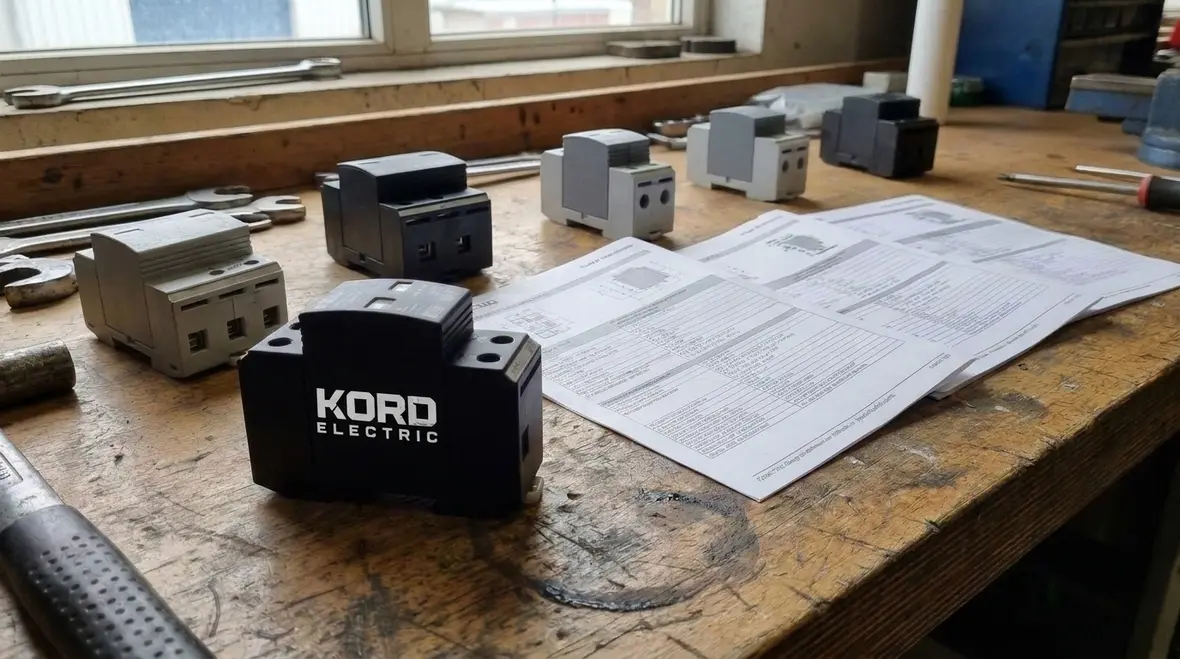
How surge protection devices work and what to select
Surge protection devices, or SPDs, shunt excess voltage away from equipment. Some also limit the voltage at the equipment terminals. However, the SPD only performs well when it connects to the right conductors and provides a path that matches the design requirements.
When we advise our clients, we focus on coordination and system fit. First, we identify the SPD type and where it connects relative to the service disconnect. Then we consider voltage rating, surge current ratings, and whether the SPD works with the wiring configuration of the service.
We also pay attention to the installation details that people skip because they seem “too small to matter.” Yet surge performance depends on conductor lengths, routing, and the integrity of terminations. Short, direct runs with good terminations help the surge device do its job. Loose or long leads can add impedance, and that can reduce how well the SPD controls the voltage during the event.
Finally, we help clients plan for long term operation. Many SPDs include status indicators. Some require follow up inspection or replacement after certain events or after end of life. Therefore, we set a maintenance approach rather than just handing over a drawing and wishing everyone good luck.
Our expert service staff does not just explain what the SPD does. They also explain what your facility should do next if the SPD reports a fault condition.
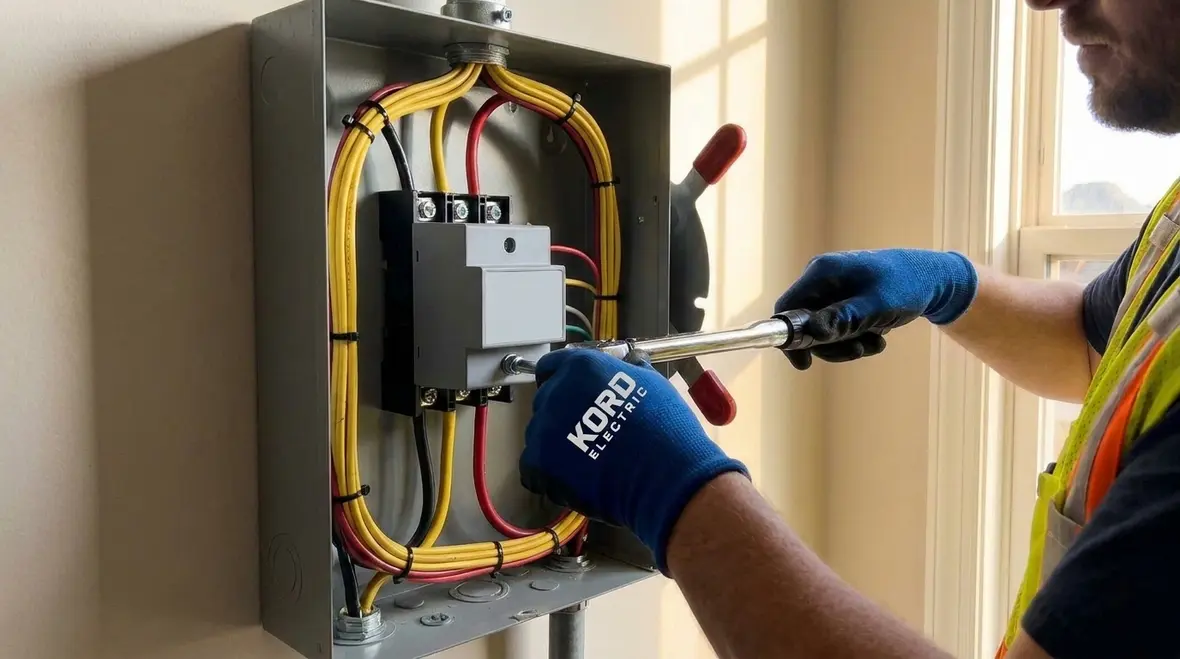
NEC surge protection at service installation steps we follow on major properties
Commercial and industrial facilities often have multiple loads and complex distributions. So we approach installation as a process, not a single-day task. And we schedule around operations because shutting down a building just to tighten one terminal is not our idea of a fun Tuesday.
We follow a structured sequence.
Review the one line diagram and confirm the exact service disconnect location, including any switching or sections that influence how surges enter the facility
Verify grounding and bonding and check that the SPD connection uses an appropriate reference to support the surge path
Select the SPD configuration for the service voltage and system arrangement, ensuring it matches the intent of NFPA 70 Section 230.67
Plan conductor routing to keep runs short and direct, and to maintain good separation from noise sensitive circuits where practical
Install and torque terminations to specification, since a “good enough” connection can behave badly under stress
Document and test so your staff has a clear record for inspections, reporting, and future upgrades
Then, we coordinate with site leadership about how to handle status indicators and what to check after major events. Lightning does not RSVP. So we build a response plan that helps the facility recover faster.
If you are thinking, “Is this really that serious?” Let us put it this way. A surge can be a one hit event or a slow grind of stress. Either way, the cost lands on maintenance budgets and downtime. We try to stop the cost before it shows up in the spreadsheet.
Coordination with other protection and avoiding common mistakes
Some facilities already have SPDs at branch panels or for specific equipment. That can help, but it does not remove the need for proper protection at the service entry point. Therefore, coordination becomes the key that makes the system behave as one design.
We often see mistakes that reduce performance. For example, a facility installs an SPD but uses longer routing paths than intended. Another common issue involves terminations that do not maintain solid contact over time. Also, some teams treat surge protection as a one and done item, even though equipment environments change and systems get expanded.
Another detail involves how protection devices work together. If downstream devices and service devices do not coordinate, you may see uneven clamping and less effective voltage control. Then sensitive loads can still see harmful transients. This is why we evaluate the full distribution path instead of focusing on a single panel.
Our approach stays practical for major buildings. We look at future growth plans, major equipment upgrades, and changes in controls. Then we confirm that the surge protection design supports the building’s life cycle, not just today’s equipment list.
And yes, we keep it clear. We explain how the service unit supports downstream SPDs, and we outline what to add when new floors, new tenants, or new processes appear. That way the facility does not end up with protection that resembles a patchwork quilt made by a very enthusiastic intern.
Code compliance, inspections, and how our experts guide the process
We serve commercial and industrial facilities, so compliance cannot be a last minute scramble. During planning, we review NFPA 70 requirements tied to surge protection and we connect them to real installation outcomes.
We also help clients prepare for inspection conversations. Our technicians explain what was installed, where it was installed, and why the service connection matters for surge management. That includes confirming design intent, ensuring equipment labels and indicators align with the installed devices, and verifying documentation.
Furthermore, we coordinate with facility teams so the plan fits how the building operates. Some clients prefer minimal disruption windows. Others need phased work across distribution sections. We handle these choices responsibly, because code compliance should not turn into operational chaos.
We also maintain a service mindset. Our expert service staff can return for follow up checks, status review, and planned upgrades. In other words, we do not disappear after the install. We stick around like a good maintenance partner who does not require three reminders to show up.
For clients who want more background on code updates and how the National Electrical Code is explained, we encourage you to explore our resources through Kord Electric and related educational content from our network.
Kord Electric blog on understanding NFPA 70 and NEC changes for 2026
Kord Fire guides about the NEC and practical code takeaways, including NFPA 70 coverage in their training resources
Kord Fire Australia for supporting regional guidance and learning in markets that align with NFPA 70 concepts
These materials help teams build shared understanding. Then our field work turns that understanding into protected equipment.
Planning NEC surge protection at service for your facility
When we design NEC surge protection at service for a commercial or industrial site, we start with the reality of how your building works. That means understanding which loads drive revenue, which systems carry safety responsibilities, and where a surge-related failure would create the worst pain. Only then do we match surge devices, ratings, and locations to your actual risk profile.
For some facilities, that includes coordination with emergency power, UPS systems, or data center infrastructure. For others, it centers on production loads, HVAC automation, and building management systems. In every case, NFPA 70 Section 230.67 becomes one piece of a bigger reliability plan that also includes power quality, redundancy, and maintenance.
If you are building or upgrading a facility in Los Angeles County or across Southern California, you can align surge protection at the service with broader commercial electrical upgrades. Teams often combine this work with service equipment labeling, disconnect identification, and panel maintenance so that inspections go smoother and unexpected shutdowns become less likely.
For additional context on how surge protection fits into the wider power reliability picture, many of our clients also review topics like preventing commercial power surge damage, data center power quality, and emergency power design. When these concepts come together, your electrical system behaves like a single strategy instead of a stack of unrelated projects.
And when you are ready to turn that plan into action, our Los Angeles County commercial and industrial electrical services team can bundle NEC surge protection at service with other upgrades, maintenance, or new installations so you get one coordinated project instead of a patchwork.
FAQ
Final word from Kord Electric
If you manage a commercial or industrial facility, do not treat surge protection like a last minute add on. We help you apply NEC surge protection at service in a way that matches NFPA 70 Section 230.67, supports your equipment, and stays aligned with how your building runs. Our technicians and expert service staff explain each step, install with care, and document the results. Reach out to Kord Electric and we will review your service gear and recommend a protection plan you can trust.


