NFPA 70 Section 230.70 Service Disconnecting Means
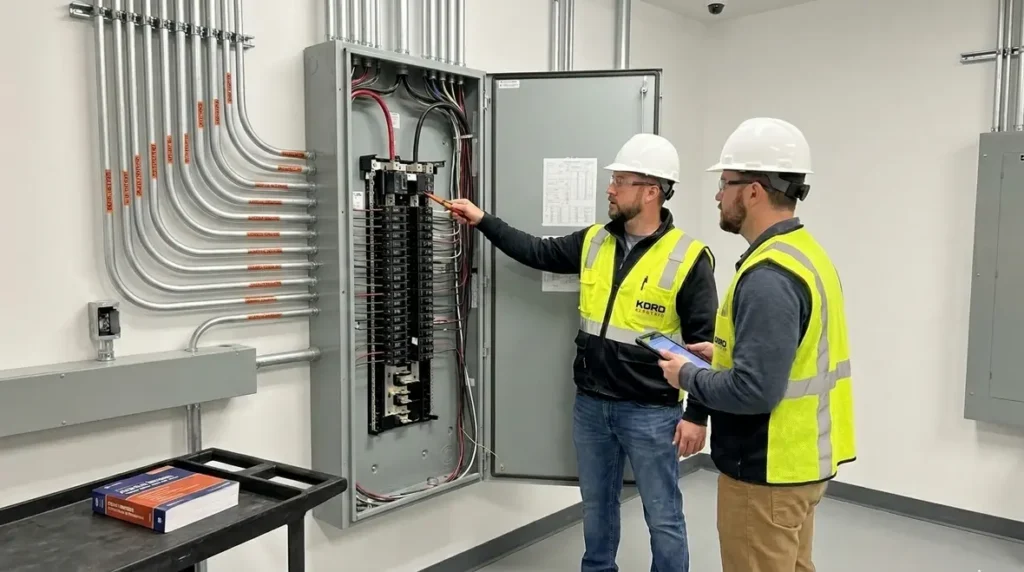
NFPA 70 Section 230.70 sets the baseline for how service disconnecting means must be handled in the real world, not just on paper. In other words, when a facility in the field needs to shut power down safely, the NEC service rules push for clear, practical general requirements that help responders and trained staff act fast. And yes, we know most people do not wake up excited to read section numbers. Still, our team at Kord Electric keeps it simple: we explain what Section 230.70 expects, we verify installations, and we document the results so commercial and industrial facilities stay compliant and dependable.
In this article, third person expert guidance meets hands on service. Our technicians and experienced service staff describe what to look for, what to avoid, and how the general requirements help prevent dangerous surprises during maintenance, renovations, or emergency response. So, let’s walk through what 230.70 really means for major property buildings and other commercial and industrial sites.
How NFPA 70 Section 230.70 shapes service shutdowns
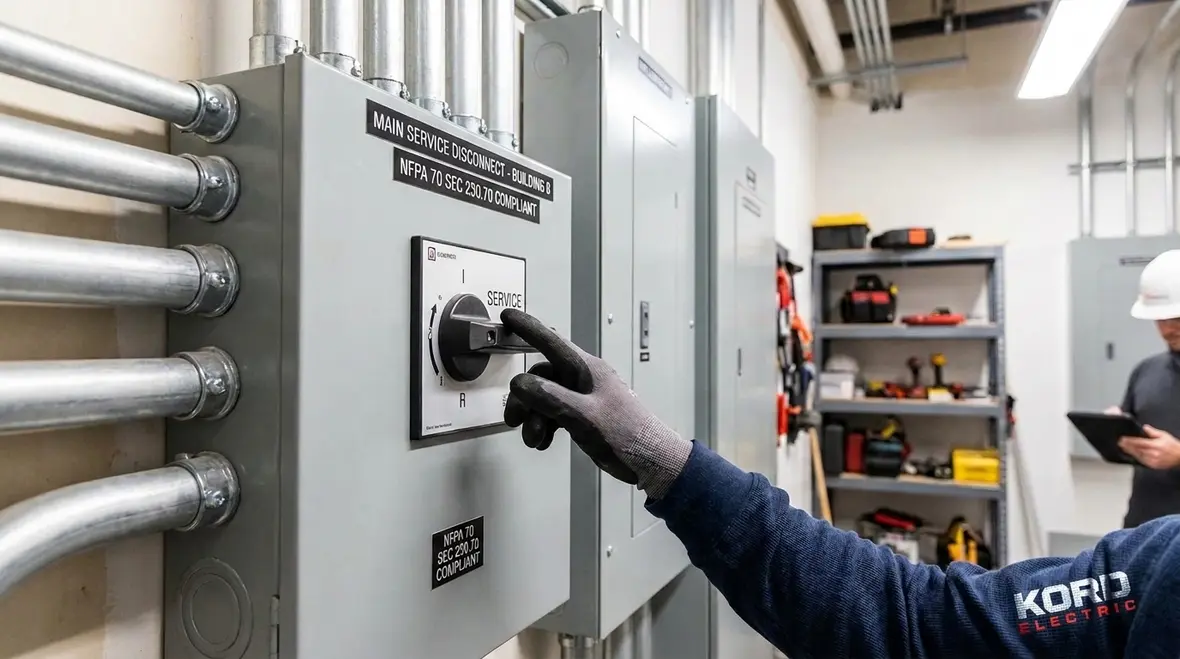
NFPA 70 Section 230.70 deals with service disconnecting means and focuses on the general rules that guide design, labeling, and installation. In practice, these requirements help ensure that when someone needs to isolate service conductors, the facility can do it without guesswork. Consequently, the rule supports safe shutdown procedures for trained electricians, facility managers, and emergency personnel.
At Kord Electric, we approach Section 230.70 like we approach any safety critical system: we treat it as the path that power takes from the utility to the building, and we verify that the path includes clear “off” capability. Then we cross check the details against the NEC logic explained in our resources, including the National Electrical Code overview pages from Kord Fire and our Kord Electric blog resource on Understanding NFPA 70: The National Electrical Code Explained for 2026. In the end, we want the service disconnecting means to behave the way everyone expects, not like a plot twist from a sitcom.
Where NEC service disconnect general rules show up in the field
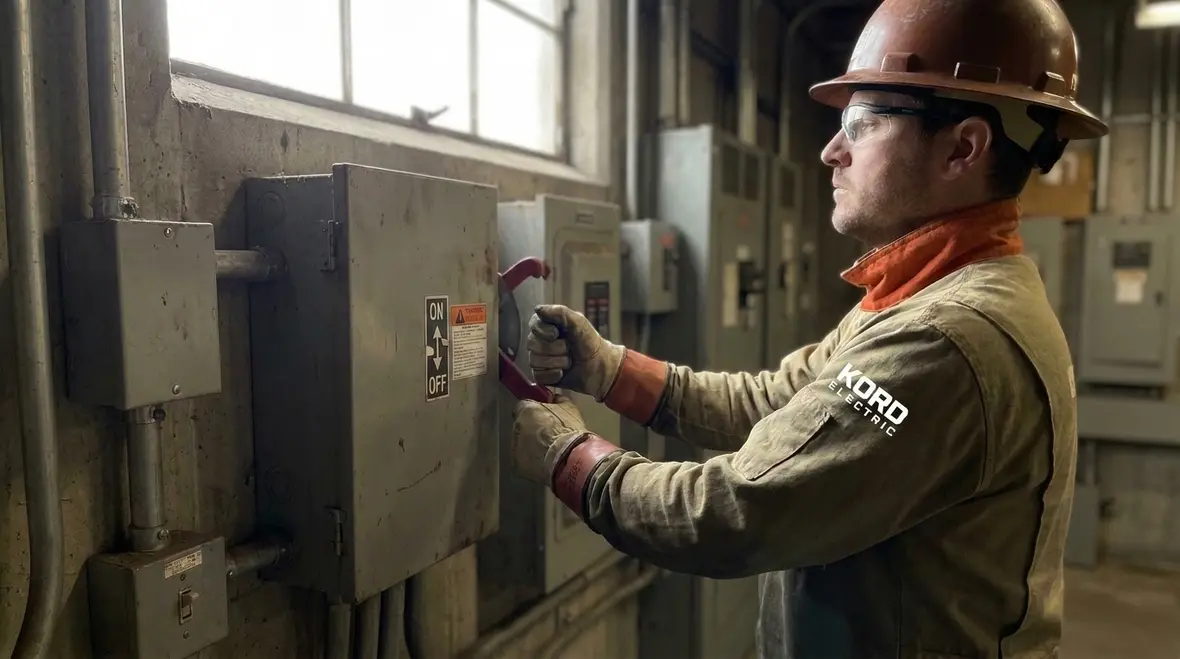
Commercial and industrial facilities do not run on vibes. They run on procedures, signage, maintenance plans, and consistent labeling. That is why the NEC service disconnect general rules matter when the building’s electrical service must be interrupted.
Section 230.70 acts like a checklist framework for the “service disconnecting means.” As a result, the disconnect setup connects to other NEC sections and impacts how the entire service is managed. Moreover, installations often include switchboards, switchgear, disconnect switches, and combinations that let personnel isolate power for safe work.
We typically see these needs come up during new tenant improvements, upgrades to comply with modern safety expectations, or major property building expansions. Therefore, our technicians guide facility teams through the changes so the disconnecting means fit the electrical system as it exists today and as it must perform tomorrow.
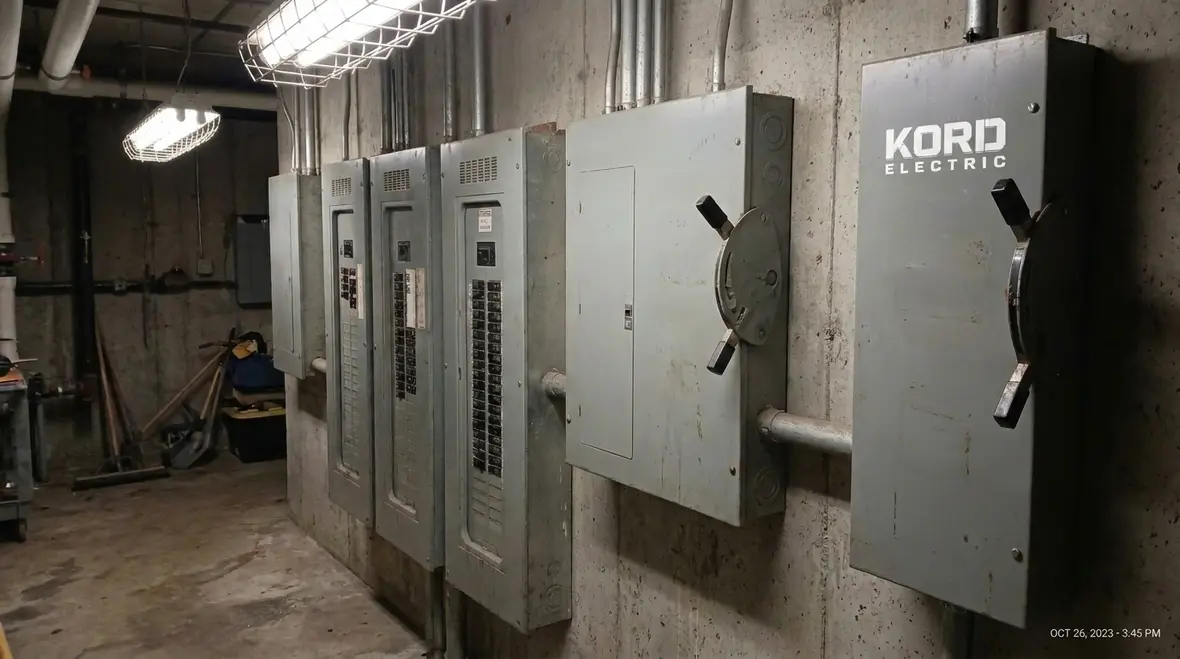
What the general requirements expect from the disconnect arrangement
Section 230.70 centers on general requirements, so it does not just tell someone “put in a disconnect.” It addresses how the disconnecting means should be arranged so the system supports safe operation.
First, the service disconnecting means must clearly function as the point where service conductors can be disconnected. Next, the arrangement must support safe access and use by trained staff. Then, the disconnect setup must align with how the rest of the system routes conductors and how breakers or feeders connect downstream.
Because many major property buildings use complex electrical layouts, the disconnect design must match the facility’s realities. For example, a service that supports multiple zones or floors often requires coordination between service equipment and distribution equipment. Consequently, the service disconnecting means must make sense in relation to the building layout, not just in a one line diagram.
Our expert service staff at Kord Electric also focuses on documentation. After all, a compliant disconnect on day one is great, but a compliant disconnect with clear records for day one hundred is what keeps maintenance teams confident. If there is a question later, we want the answer in writing, not in a memory contest.
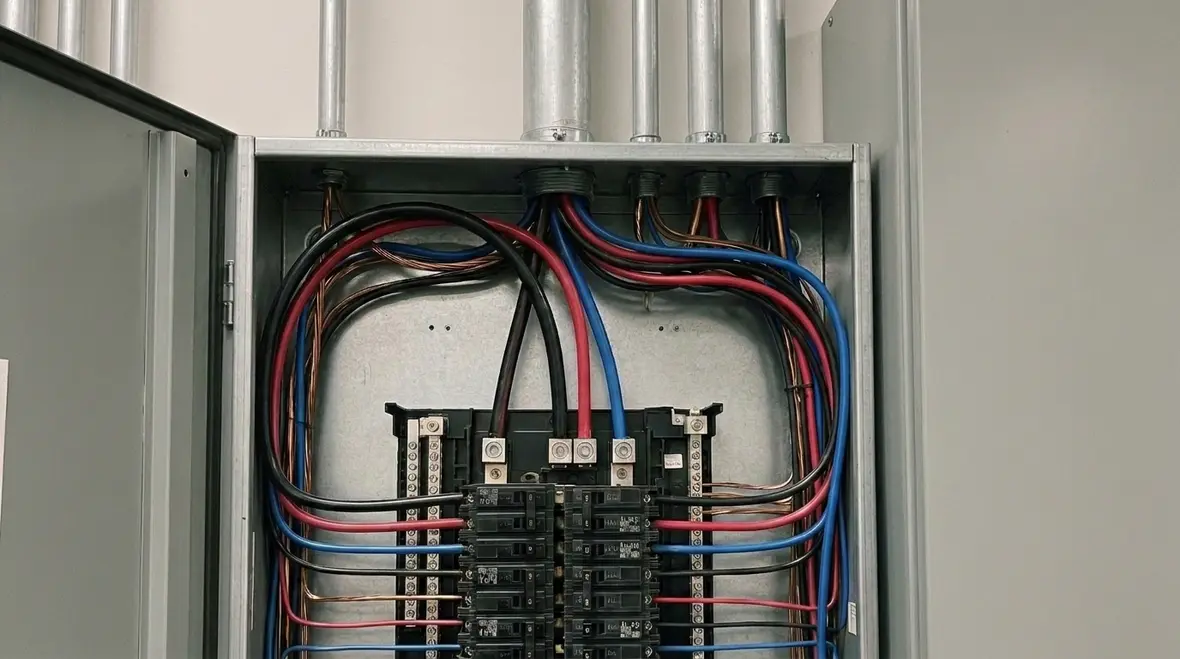
Access, identification, and safe operation for commercial sites
General requirements under Section 230.70 indirectly demand good behavior from the facility’s electrical setup. In practical terms, safe operation depends on access and identification that do not rely on “someone probably moved the label.”
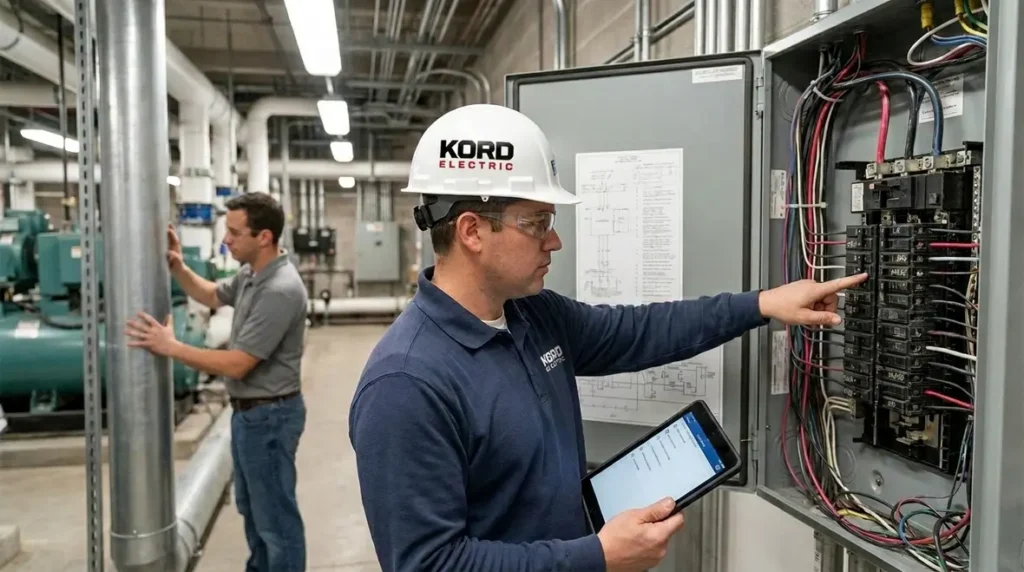
Our technicians confirm that the disconnecting means is placed and arranged so personnel can reach it without risky detours. They also verify that the equipment gets correct identification so the right disconnect isolates the right service. Additionally, they consider how shutdown procedures integrate into the facility’s documented work instructions.
When people hear electrical safety, they often picture flashing lights and dramatic movie moments. Real life is quieter. It is a controlled process. Still, confusion can happen. If a label is missing or unclear, then the shutdown can become a guessing game. And in commercial and industrial facilities, guessing games are not a strategy, they are a liability.
We advise building managers to treat identification and access as part of the ongoing electrical life cycle, not a one time installation detail. Therefore, when upgrades occur, our team rechecks labeling and ensures the disconnecting means still matches the system and the facility’s operating plans.

Coordination with service equipment and downstream protection
Section 230.70 works best when teams understand how the disconnecting means coordinates with service equipment and the rest of the electrical system. In other words, the service disconnect must align with how power distribution proceeds through the building.
Most commercial and industrial facilities include service disconnecting means feeding switchboards or switchgear, then feeders supplying distribution panels and branch circuits. However, the exact arrangement varies by building. So, our technicians review the service equipment and the downstream protection scheme to ensure the disconnecting means provides the intended isolation.
Furthermore, coordination helps prevent situations where staff isolate power to one part of the system, but other connected components remain energized. That mismatch can slow work and create safety concerns. Therefore, we focus on how the disconnecting means interacts with the wiring and equipment it controls.
Our approach stays practical and fast. We use the NEC concepts described in our code focused materials at Kord Electric and the broader NEC resources referenced through sites like Kord Fire and kordfire.com.au to support consistent interpretation. Then we apply that guidance to the site conditions we find on the ground. After that, we document the outcomes so other stakeholders can understand what changed and why.
And if you want the pop culture version, it is like coordinating a band. The disconnect is the conductor. If everyone plays out of sync, the show becomes chaos. If they play in sync, the building runs like it is supposed to.
Upgrades, renovations, and compliance after changes
Section 230.70 general requirements do not stop at inspection day. Commercial and industrial facilities evolve. Tenants change. Equipment gets replaced. Electrical loads increase. Consequently, the service disconnecting means must continue to meet the general requirements even as the building changes.
During renovations, teams sometimes alter equipment layouts, add panels, reroute conduits, or upgrade service gear. When that happens, our technicians review how the service disconnecting means and its identification integrate into the revised design. We also verify that the facility’s shutdown procedures still match the actual field setup.
For major property buildings, this includes multi phase upgrades and phased construction. In those cases, we coordinate with contractors and facility managers so power isolation stays predictable during transitions. Moreover, we plan for safe work windows so trades can install and test equipment without improvising shutdown methods.
Kord Electric also treats compliance as a continuing process. Therefore, we support owners with clear service documentation, and we explain what each verification step means for safety and code alignment. Our technicians speak plainly because facility teams deserve answers they can use, not answers they need to decode.
If your facility is planning significant changes, our Los Angeles County electrical services team helps align renovations and upgrades with NEC service disconnect general rules so shutdowns, labeling, and service equipment all work together from day one.
FAQ about NEC service disconnect general requirements
Final word from Kord Electric: make shutdowns clear before problems start
Electrical service disconnecting means should work the way people think they will, especially in commercial and industrial facilities where downtime costs real money. Kord Electric helps major property buildings understand NFPA 70 Section 230.70 service disconnect general requirements, verify access and identification, and coordinate upgrades so shutdowns stay dependable. If your facility is planning a renovation, adding loads, or reviewing code compliance, call us. We send our expert service staff to explain the findings and guide the next steps, so you avoid the “mystery off switch” problem and keep your electrical system aligned with the broader NEC guidance shared across resources like Kord Fire and our National Electrical Code blog series.
To keep your team ahead of the next inspection, you can pair Section 230.70 planning with other NEC-focused resources from Kord Electric, including articles that explain how service equipment and disconnecting means interact with the wider code. That way, your shutdown strategy, documentation, and day-to-day operations all reflect the same NEC service disconnect general rules before anyone reaches for the “off” position.