NEC Maximum Service Disconnects NFPA 70 230.71
At Kord Electric, we help commercial and industrial facilities stay safe, code compliant, and ready for the real world. In that spirit, we want to highlight the NEC maximum service disconnects allowed under NFPA 70 Section 230.71 early, because it often shows up during design reviews and later during inspections. In plain terms, the NEC places limits on how many service disconnects you can have for a service. Now, yes, that sounds like a rule meant to control paperwork. However, it also protects people and equipment when systems need to be shut down quickly and clearly. And while nobody here wants to be the “surprise electrical” character in a movie, that is exactly what good planning prevents.
What NFPA 70 Section 230.71 requires for service disconnects
Section 230.71 focuses on the maximum number of service disconnects allowed. In many commercial and industrial setups, owners and engineers want flexibility. They may prefer multiple disconnect points so operations can shut down equipment without hunting through a maze of cabinets. Yet the code does not treat flexibility as a free-for-all. Instead, it ties the number of service disconnects to safe operation and clear control.
Our expert service staff explains this the right way: you cannot look at disconnects like they are switches you can simply add for convenience. You have to look at how those disconnects function during emergencies, maintenance, and normal shutdown. NEC maximum service disconnects help keep the system predictable for trained personnel. Therefore, we guide facilities to match the electrical architecture to the code intent, not just to what “seems tidy” on paper.
How Kord Electric supports teams during design and upgrades
When a facility plans new electrical service or upgrades an existing one, we usually start with a practical question: what equipment needs protection and how will staff operate shutdowns? Then we connect that plan to the NEC rules that govern service equipment and disconnects. Next, our technicians review single line diagrams, panel schedules, and shutdown labeling so the field matches the plan.
As we walk the job with our team, we explain the “why” behind NEC maximum service disconnects, and we also show the “how” that matters for commercial and industrial buildings. For example, a multi-tenant campus, a logistics hub, or a manufacturing site may look like it needs lots of disconnect locations. However, when you apply Section 230.71 with care, you can often achieve operational goals without violating the limit. And when the answer truly requires more than what is allowed, we help the team adjust the design approach early instead of trying to fix it after equipment is installed. That is the difference between a controlled project and a late-night code scramble.
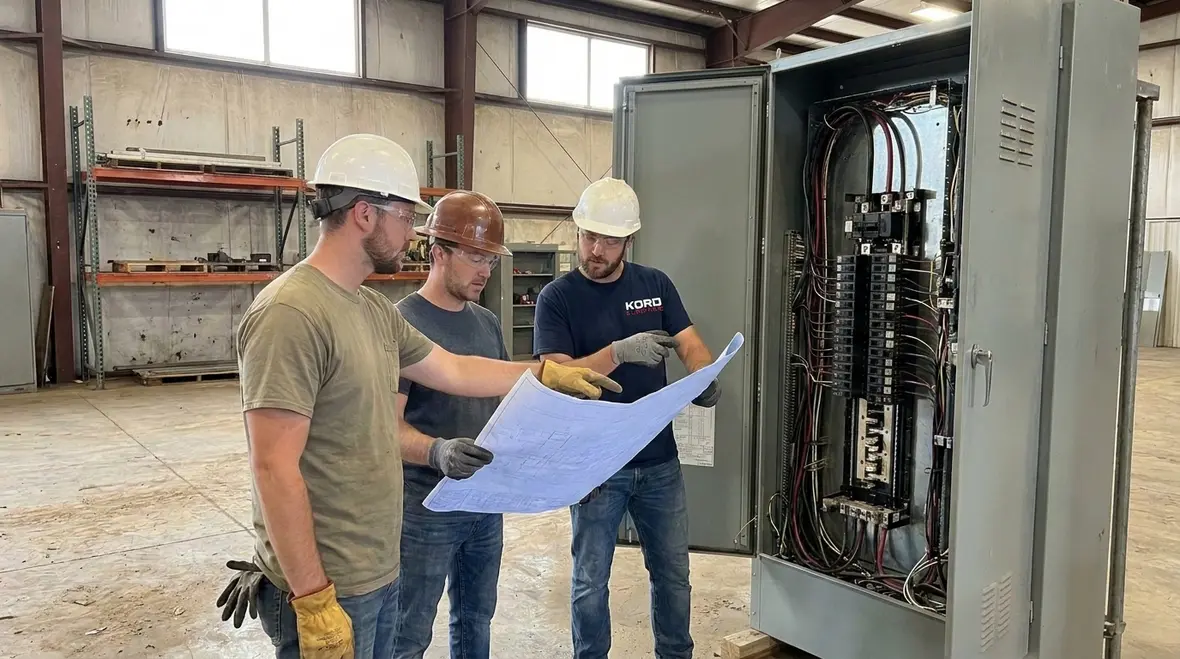
For facility teams who want a deeper dive into how the code framework fits into the bigger picture, our resource Understanding NFPA 70: The National Electrical Code Explained for 2026 connects Section 230.71 to broader NEC planning and inspection readiness.
Where multiple disconnects make sense in commercial and industrial buildings
Multiple disconnects can improve reliability and reduce downtime. For instance, a facility may need localized shutdown capability for specific systems while still maintaining a clear service shutdown path for the entire service. Additionally, you may have different building loads, separate distribution sections, or equipment that demands strict coordination during maintenance.
However, the key is coordination. Section 230.71 does not simply allow more disconnects because a building is large. It aims to prevent confusion when someone needs to shut down safely and quickly. That matters in facilities like processing plants, data centers, large office campuses, and major property buildings where safety procedures must work under stress.
Our technicians often find that the biggest problem is not the presence of multiple disconnects. It is the layout, labeling, and operating procedure. So, we push teams to define who operates each disconnect, what each disconnect feeds, and how staff confirms that a system is fully de-energized. Then we align that plan with the maximum limit and the code structure.
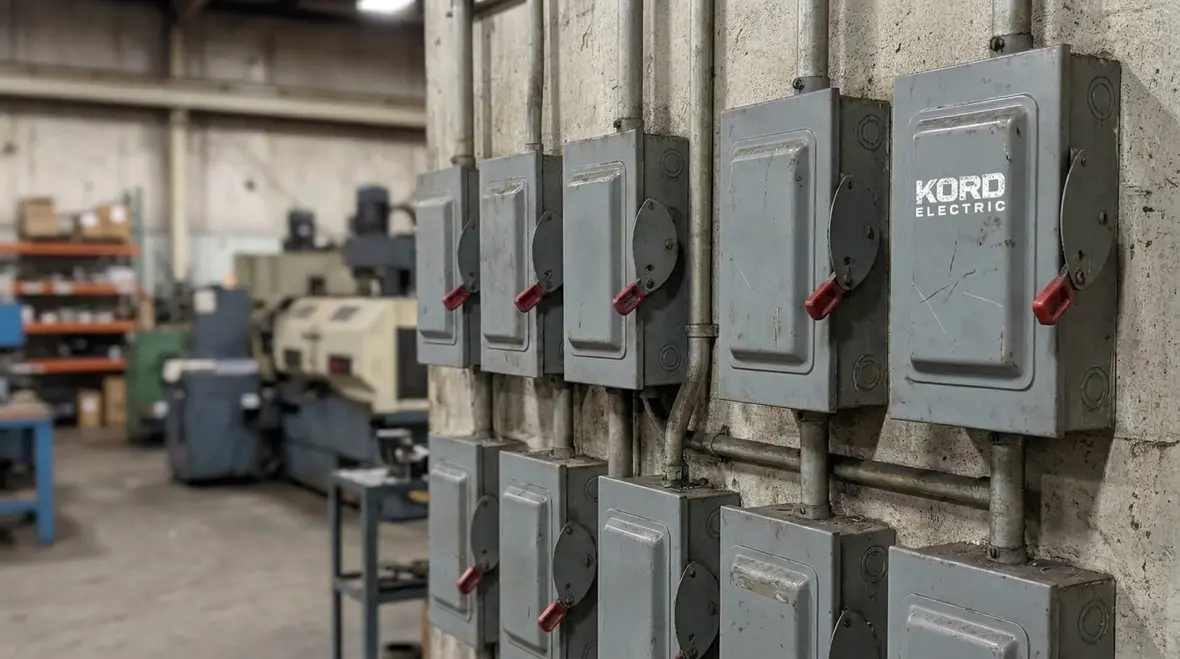
Coordination with emergency planning, labeling, and operational clarity
When you run a commercial or industrial facility, safety is a process, not a poster on the wall. Therefore, the service disconnect arrangement should support emergency planning. Fire response, maintenance shutdowns, and normal operational control all depend on a clear path to de-energize equipment.
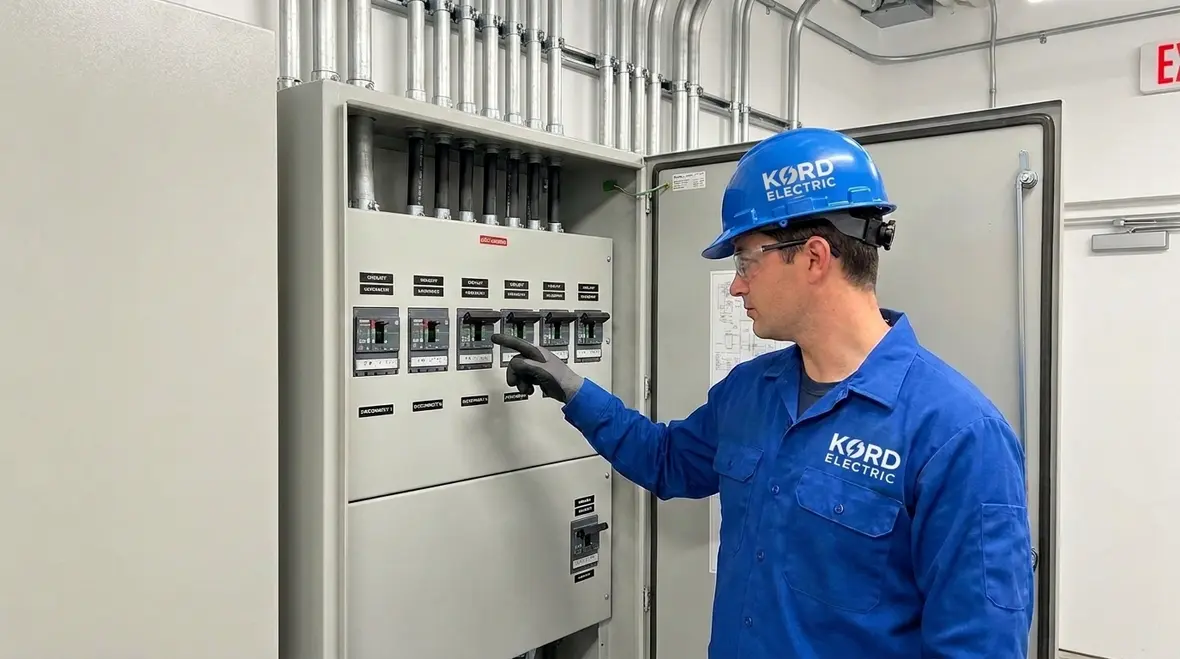
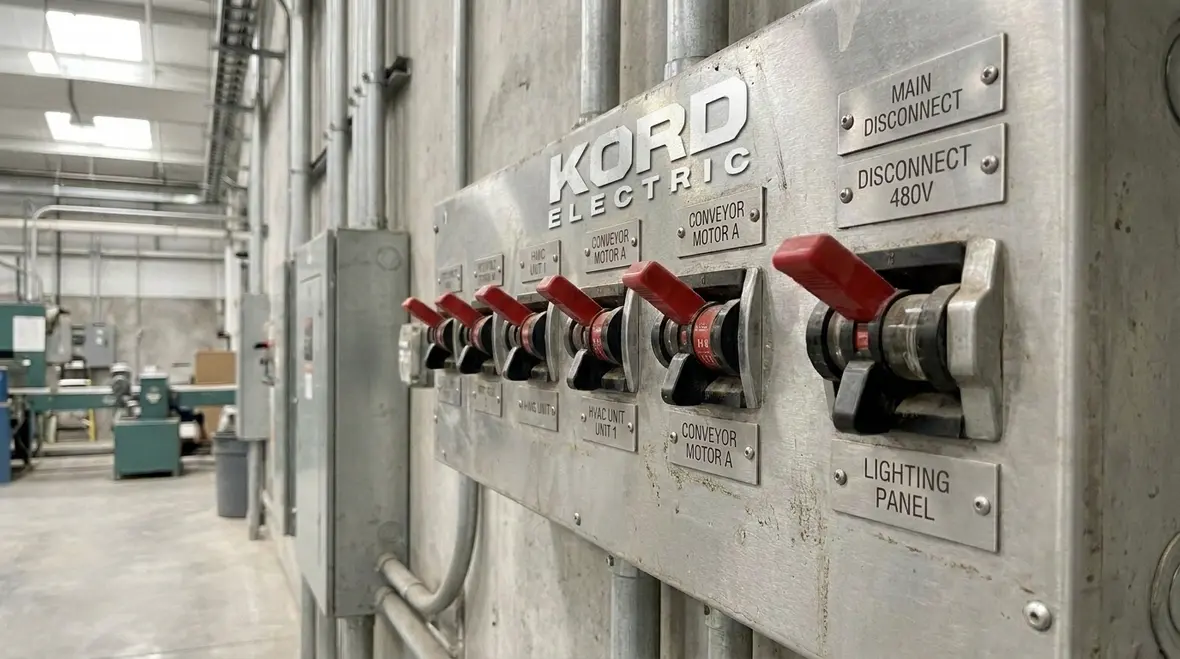
Our expert service staff explains that labeling and documentation carry real weight during live events. If the disconnects do not clearly indicate what they control, you create delay. And delay during emergency conditions becomes risk. So, beyond meeting NEC maximum service disconnects limits, we help facilities implement practical field marking that matches the one line diagram and schedules.
We also advise teams to coordinate shutdown procedures with the people who will actually use them. In other words, the code may tell you what is allowed. Operations tells you what will be used. When those two line up, you get a system that behaves the way you expect during real conditions.
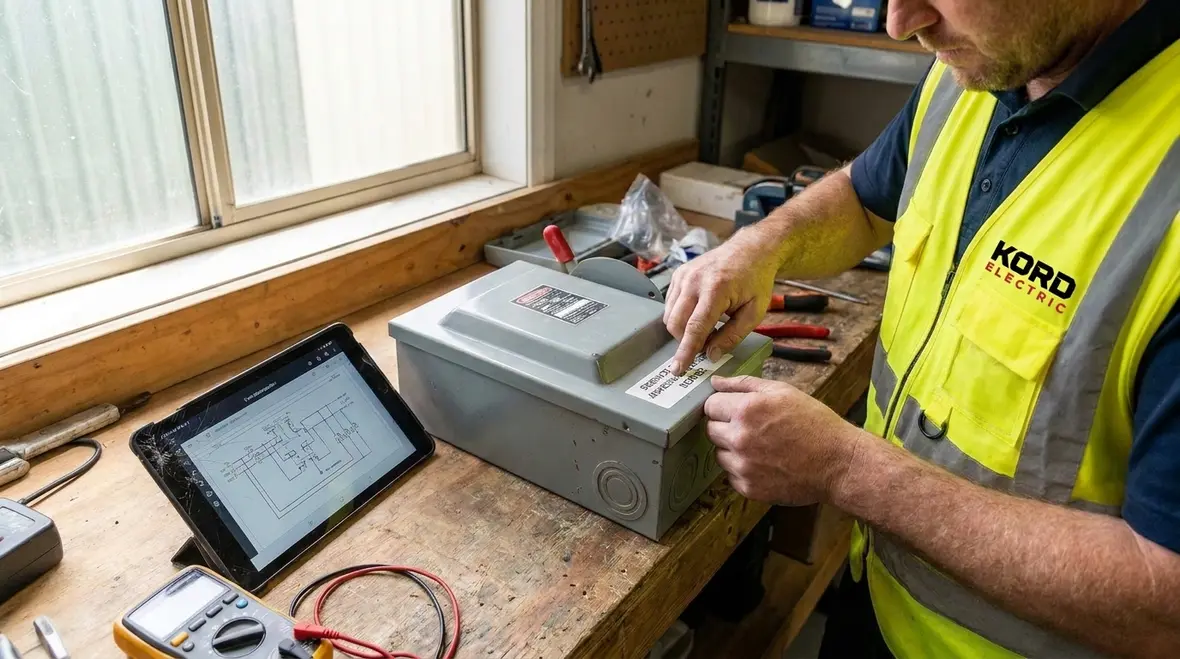
Common mistakes facilities make with service disconnect limits
Even well run projects can trip over service disconnect rules. Here are the issues we see most, and how our team helps prevent them.
- Assuming every disconnect counts the same: Some teams treat all disconnects as equivalent. We review the service equipment context carefully so the design matches the rule intent.
- Adding disconnects late: When teams discover a limitation after equipment selection, they often patch the layout. Then the project faces redesign and inspection delays. We prefer early checks.
- Weak naming and labeling: A disconnect that controls more than one system can confuse staff. Clear identification reduces operational mistakes.
- Skipping coordination meetings: Electrical design affects maintenance workflows. We bring our field experience to the design process so the plan works in the real world.
- Not updating documentation: One line diagrams and schedules drift from field reality. We help facilities keep records accurate so future service stays fast and safe.
And yes, sometimes the mistake feels like a sitcom plot. Somebody adds a “small change” and everyone pretends it will stay small. Then inspection day arrives like the season finale. We would rather avoid that storyline.
How to apply Section 230.71 during inspections and troubleshooting
When inspectors review service equipment, they expect a design that follows the code structure. They look for whether the number of service disconnects stays within the allowed maximum. They also look for clarity, since service disconnects must support safe operation. So, our approach helps facilities prepare before the truck rolls.
In practical terms, we recommend these steps for commercial and industrial sites:
- Confirm what qualifies as the service disconnect points: The project team needs a clear definition for each disconnect location and what it controls.
- Check the service arrangement against the maximum limit: We compare the planned disconnect setup to the rule requirements before installation.
- Verify labeling in the field: Documentation is helpful, but field marking must be readable and accurate.
- Review coordination details: If there are multiple distribution paths, the shutdown method must remain clear and consistent.
- Train operations for correct shutdown flow: We explain the steps so the right disconnect order happens under pressure.
When troubleshooting occurs later, clear documentation and correct disconnect arrangements shorten response time. That is why we treat the disconnect layout as part of life safety, not a box-checking exercise.
Because NEC Section 230.71 rarely exists in a vacuum, we often connect this discussion to broader topics like preventive electrical maintenance, commercial subpanel planning, and larger infrastructure projects that must remain code compliant from the service entrance outward.
For facilities coordinating broader work across Los Angeles County, our Los Angeles County electrical services support service disconnect planning, equipment upgrades, and inspection preparation under one clear, code-conscious umbrella.
FAQ: NEC and service disconnect limits for featured snippets
Facility teams and inspectors often ask the same core questions when they talk about NEC maximum service disconnects and NFPA 70 Section 230.71. We address those directly so you can move from confusion to clear decisions.
Final word from Kord Electric
At Kord Electric, we work with commercial and industrial facility teams who need electrical service designs to be safe, clear, and code aligned from day one. When your project touches NFPA 70 Section 230.71, we help you confirm the NEC maximum service disconnects plan, coordinate shutdown operations, and keep labeling and documentation correct. If you are planning an upgrade or facing an inspection question, call us. We will review your layout, explain the options in plain language, and help you move forward with confidence.
Sources Kord Electric references for NEC background and code overview: https://kordelectric.com/kord-electric-blog/understanding-nfpa-70-the-national-electrical-code-explained-for-2026/ , https://kordfire.com/nfpa-70-all-about-the-national-electrical-code-nec/ , https://kordfire.com.au/ , https://firepumps.org/
When you are ready to turn code language into a real-world service layout, our commercial and industrial team is here to help you design, install, and maintain systems that respect NEC maximum service disconnects while supporting day-to-day operations across Los Angeles County and beyond.