
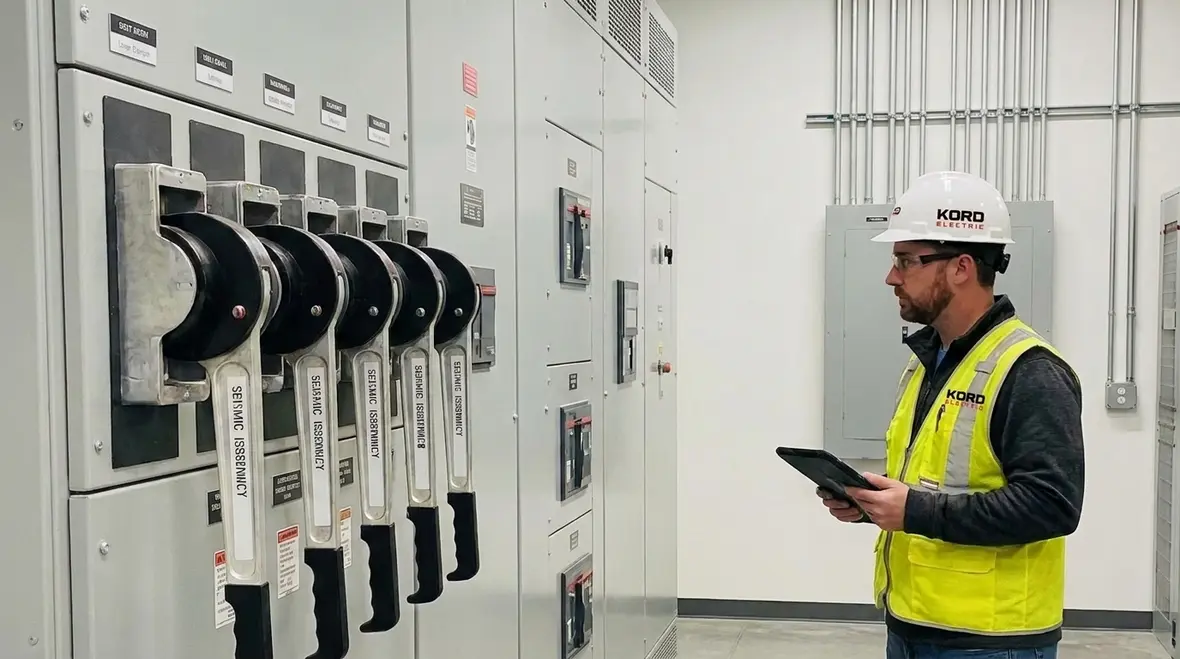
NFPA 70 230.72 Grouping Service Disconnects
Kord Electric often gets the same question from facilities managers: when do you group your service disconnects, and where do you draw the line? In many commercial and industrial projects, NFPA 70 Section 230.72 is the rule that decides whether a layout feels clean and code compliant, or like a cable maze designed by a caffeinated raccoon. We explain this in plain terms, and our technicians and expert service staff walk clients through the real world tradeoffs, not just the text. And yes, we also explain it slowly, because the National Electrical Code does not reward anyone for speed reading.
NFPA 70 230.72 in plain language for building teams
NFPA 70, also known as the NEC, sets requirements for electrical systems that serve buildings. Section 230.72 focuses on grouping of service disconnects. In other words, when multiple disconnects are used at a service, the Code allows them to be arranged together under specific conditions.

In commercial and industrial facilities, this matters because service equipment often connects to large loads, multiple feeders, and critical power branches. For major property buildings, you typically do not want disconnects scattered across different corridors, floors, or rooms like misfiled paperwork. Instead, NEC guidance aims for organized placement that supports safe access, clear operation, and practical servicing.
At Kord Electric, we emphasize that grouping is not only about neatness. It is about how quickly someone can reach the disconnect for operations, troubleshooting, or emergency actions, while still meeting the intent of the Code.
When NFPA 70 230.72 lets you group service disconnects
Section 230.72 does not say, “Group them whenever you feel like it.” It defines when grouping is permitted. To do this correctly, we look at the service arrangement, the type of disconnects, and whether the installation supports the required working clearances and access.
So, how do we apply this in the field? First, our technicians confirm how the facility’s service is laid out and whether the disconnecting means are part of the same service system. Then, we compare that plan to the grouping allowance. Finally, we document the reasoning for the inspection team, because clarity prevents delays.
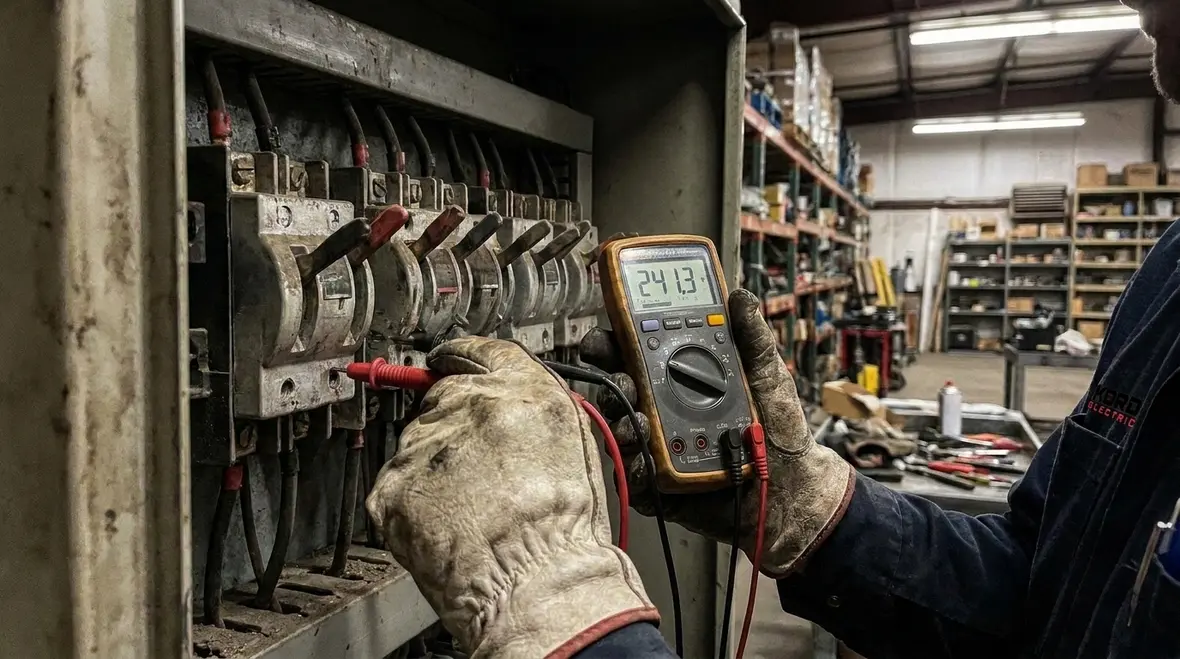
Even when grouping is permitted, we remind clients that the Code still requires safe working space, proper labeling, and equipment listed for the intended installation. If the design ignores those basics, you can group everything and still end up with a problem. Like assembling a custom desk using the wrong bolts, it looks close at a glance, but it fails under load.
Where grouped disconnects belong in real projects
Now we get to the “where” part, and this is where many plans accidentally wander. Section 230.72 ties grouping to practical access. That means disconnects should be located so that authorized personnel can reach and operate them without unreasonable obstacles.
For commercial and industrial settings, we commonly see disconnects near service equipment rooms, electrical closets, or designated switchgear spaces. However, we still verify that the path to the disconnects stays usable and that the arrangement does not block access with storage, equipment staging, or future renovations. And yes, future renovations are real. They always show up. Usually right after the inspector leaves.
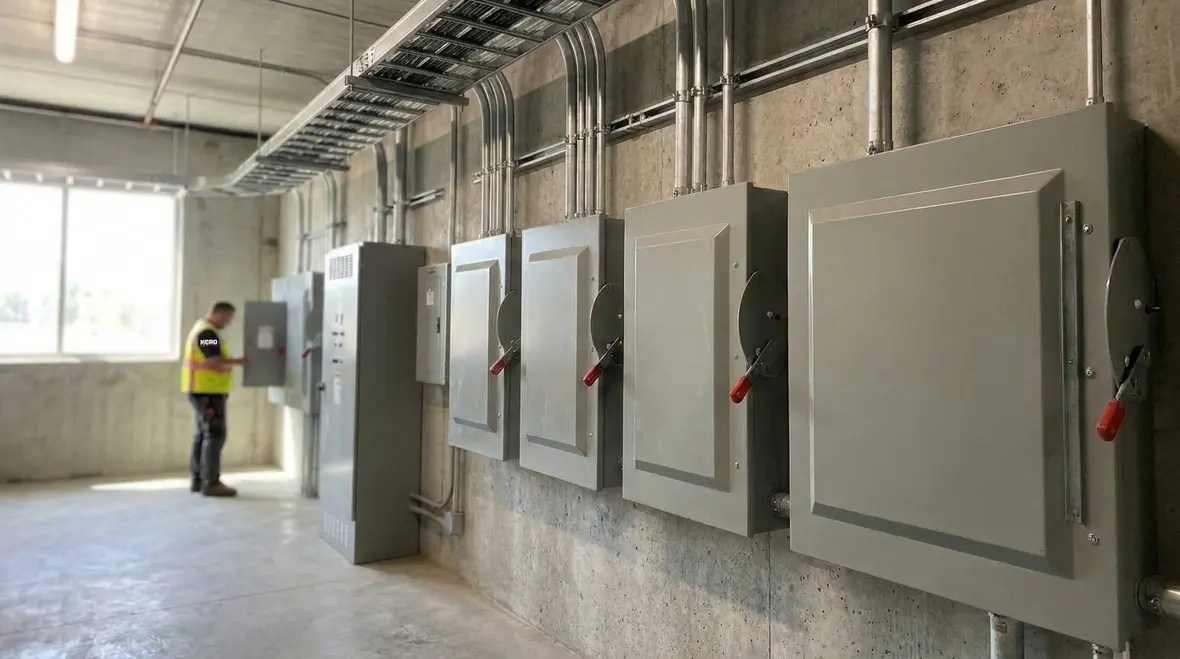
Our expert service staff also checks for consistent identification. When disconnects are grouped, labels should clearly tell someone what each handle controls. As a result, a technician or electrician can isolate the right circuits without guessing, which reduces downtime and protects personnel.
How electricians interpret grouping vs. scattered disconnects
Some facilities prefer “one disconnect per area” because it feels intuitive. Yet scattered disconnects often create the same operational headache: people search, someone calls a supervisor, and the outage stretches longer than it needs to. Therefore, we help building teams think beyond convenience and toward the Code’s access intent.
In practice, scattered disconnects can also complicate coordination with other systems such as fire alarm interfaces, life safety loads, and standby power sequences. While grouping is not designed to control every aspect of system architecture, it does affect how quickly power can be managed during testing and response actions.
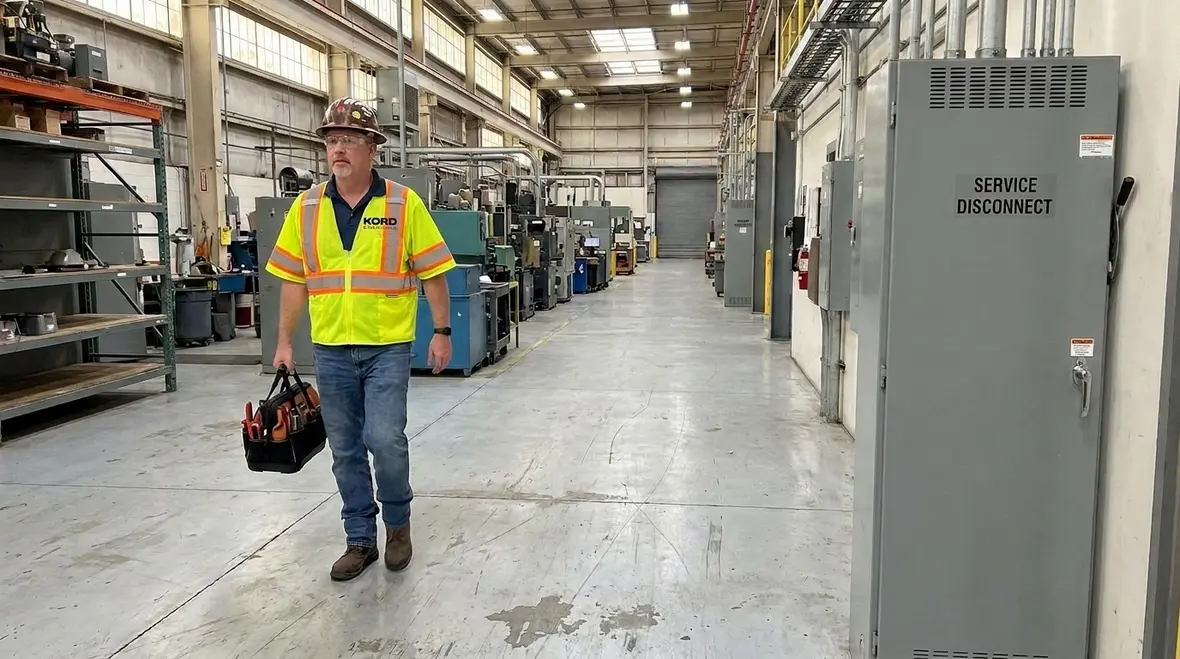
When we review a plan, we follow a simple method. First, we map where normal switching occurs. Then, we check how staff would perform emergency isolation. After that, we compare those steps to the grouped arrangement allowed under NEC grouping service disconnects requirements in 230.72. That comparison often reveals a better, safer layout without unnecessary redesign.
Designing around access, clarity, and inspection realities
Access
Grouping has benefits, but successful installations still require disciplined design. So we focus on three areas: access, clarity, and coordination. We ensure personnel can reach the service disconnects safely. That includes clear pathways, workable space around the equipment, and no “creative” obstacles. If access depends on moving temporary ladders, shifting pallets, or removing equipment that should never be removed, then the arrangement is not truly accessible.
Clarity
When disconnects are grouped, labeling must be specific. One label that says “service disconnect” might be technically true, yet it is rarely helpful. In commercial and industrial facilities, the label must guide the right action for the right load group. We also recommend consistent labeling methods across panels, switchgear, and downstream distribution.
Coordination
Large buildings seldom operate in isolation. Therefore, we coordinate with other trades and facility teams so that electrical spaces remain usable during construction and later service. We also plan for maintenance access, because a grouped arrangement should still allow safe servicing over time.
And if you think inspection teams love surprises, let us gently correct that. They love predictable installations with clear documentation. It is the same reason people prefer a calm meeting over a mystery tour.
Common mistakes with NEC grouping rules and how we prevent them
We see repeat patterns across commercial and industrial projects. So, here are the mistakes that most often create problems with Section 230.72 grouping of service disconnects.
- Grouping without confirming permitted conditions. Teams may assume “multiple disconnects” automatically means “grouped.” We verify the actual service structure first, then design accordingly.
- Placing grouped disconnects where access becomes awkward. A location can look fine on paper but fail in practice due to storage layouts, door swings, or later layout changes. We plan for the real facility, not the temporary one.
- Weak labeling. If labels do not clearly identify loads, someone will eventually operate the wrong disconnect. That is not a safety plan, it is a gamble.
- Missing documentation for inspection. We help our clients by organizing product information, as built details, and a clear explanation of the grouping logic.
To keep things smooth, our technicians and expert service staff explain decisions in simple language, and they show clients exactly how the arrangement meets the NEC intent. When people understand the why, the project stays calmer and the building runs safer.
How Section 230.72 connects to broader NEC planning
Grouping service disconnects under NFPA 70 230.72 is just one part of planning a code aligned electrical system. When we design or review a project, we connect this section with other NEC requirements that govern service equipment, overcurrent protection, grounding, and distribution. That way, the grouped disconnects fit into an overall plan instead of feeling like a stand alone detail.
For building owners and facility teams who want a deeper grounding in the Code itself, it helps to understand how NFPA 70 structures the rules around services, feeders, and branch circuits, and how newer editions adjust expectations for modern buildings and critical systems. Kord Electric regularly helps clients interpret the same NEC language that drives our NEC focused design and upgrade work, so decisions stay consistent from the service disconnects all the way out to the loads.
This bigger picture is where grouping decisions pay off. When service disconnects are properly grouped and documented, it is easier to plan selective coordination, arc flash studies, and maintenance outages. It also simplifies conversations with AHJs and utility representatives, because everyone can see how the services are structured and how shut down scenarios would play out in real time.
FAQ: Section 230.72 service disconnect grouping
Final word: let us help you plan safe grouping the first time
When we design electrical services for commercial and industrial facilities, we treat NEC grouping service disconnects as a safety and operations issue, not a paperwork exercise. Our technicians and expert service staff review the service layout, confirm the permitted grouping conditions in NFPA 70 Section 230.72, and guide your team toward a clear, accessible arrangement that inspectors and maintenance crews can live with.
If your project is in planning, remodeling, or service upgrade mode, Kord Electric can also connect grouping decisions with your larger power strategy, from distribution and protection to maintenance and uptime planning. For a broader view of how we support complex facilities across the region, you can explore our dedicated Los Angeles County electrical services for commercial and industrial buildings, where grouped service disconnects, selective coordination, and practical field work all live under one roof.
If your project is in planning, remodeling, or service upgrade mode, contact Kord Electric. We will make the code feel less like a puzzle and more like a plan.


