NEC Section 230.75 Grounded Conductor Disconnection Explained
NEC grounded conductor disconnection and Section 230.75, explained for commercial sites
At Kord Electric, we often explain the NEC grounded conductor disconnection issue that shows up in NFPA 70 Section 230.75, specifically when a grounded conductor can be disconnected. In plain terms, the grounded conductor is part of the path that helps systems stay stable and fault currents get where they should. However, the code limits when that conductor may be opened, switched, or otherwise separated. And yes, we know, it sounds like a small detail until someone tries it in the field and then the building behaves like it forgot its lines.
In this article, our expert service staff walks through what Section 230.75 means, why grounded conductor disconnection can be risky, and how commercial and industrial facilities can handle these rules with confidence. Others talk about code like it is a distant map. We help teams read it like a route plan that gets you to a safe, inspection ready destination.
What Section 230.75 actually controls
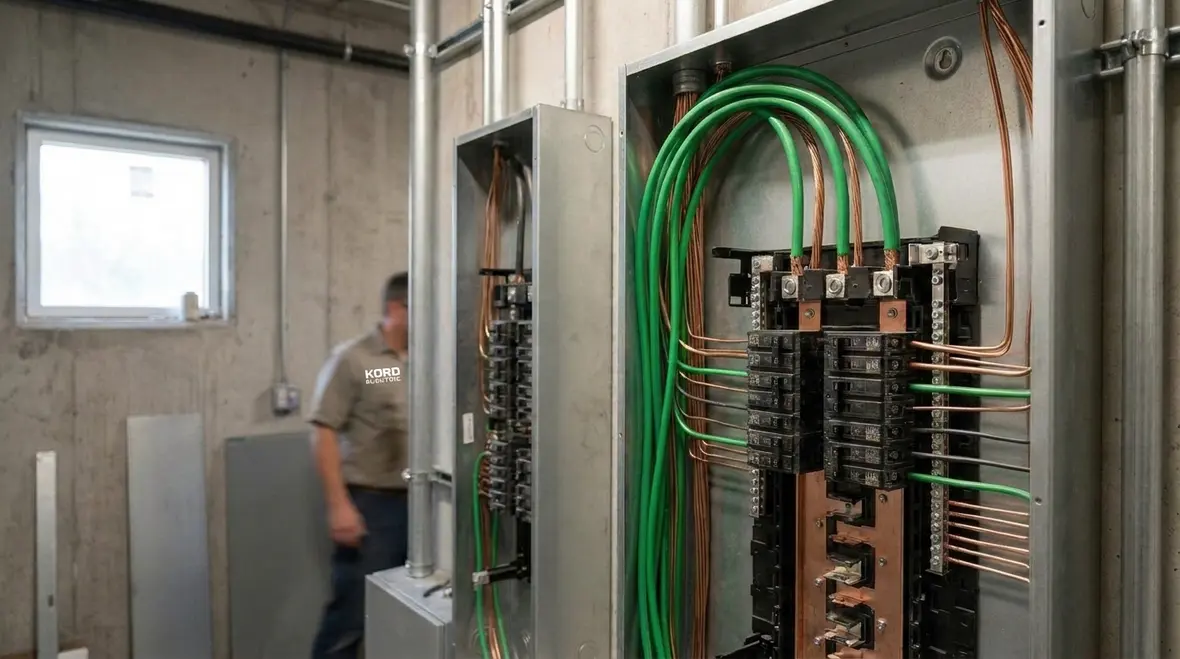
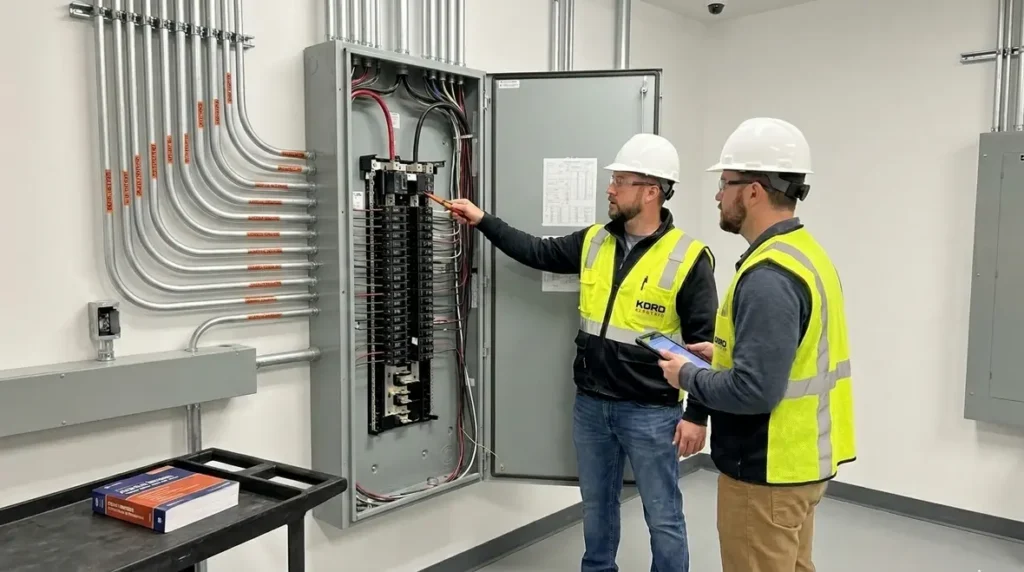
NFPA 70 Section 230.75 addresses when and how the grounded conductor is permitted to be disconnected. Grounded conductors are commonly tied to the system neutral point, and they work with bonding to manage the voltage and help protective devices do their job. Because that conductor participates in fault current return and keeps the system predictable, the code does not treat it like an ordinary wire that you can conveniently cut for “maintenance.”
Section 230.75 sets the expectation that the grounded conductor stays connected in service equipment unless the rules allow it. Furthermore, it directs attention to the difference between disconnecting the equipment disconnecting means and disconnecting the grounded conductor itself. Many teams mix those ideas up, usually under schedule pressure, and that is when trouble starts.
Our technicians frequently see the same pattern: a facility team plans work, a contractor wants a simple de energizing procedure, and the grounded conductor gets treated like a safety afterthought. Yet the NEC grounds the whole logic here in system reliability, so we focus on correct separation methods and correct labeling and verification practices before any opening occurs.
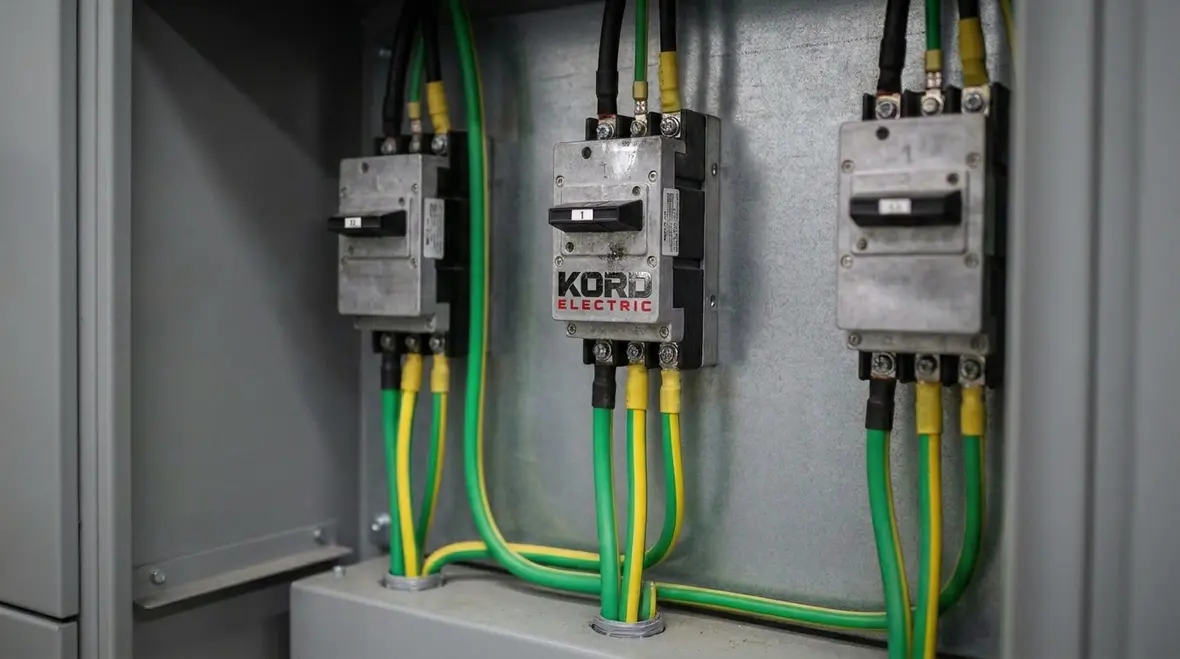
Why grounded conductor disconnection matters in real operations
Commercial and industrial facilities rely on power quality and dependable protection. When a grounded conductor becomes interrupted in places where it should not, a few unpleasant outcomes can show up. For example, protective devices might behave differently than expected because the fault current return path changes. In addition, equipment may experience abnormal voltages, and sensitive loads can suffer while staff tries to troubleshoot what looks like “mystery behavior.”
Now, here is the calming part. Our approach is not fear based. We explain cause and effect, step by step. When a grounded conductor disconnection occurs outside permitted conditions, the system grounding reference can shift. Consequently, even if breakers open normally, the system may not return to a safe, stable condition. That is why code provisions focus on keeping the grounded conductor connected except where the NEC specifically allows a controlled situation.
Also, field mistakes cost money. They can trigger emergency service calls, downtime, and rework. And nobody wants to pay for a learning experience twice. Like a sitcom character who keeps touching the same hot stove, the second incident becomes more expensive than the first.
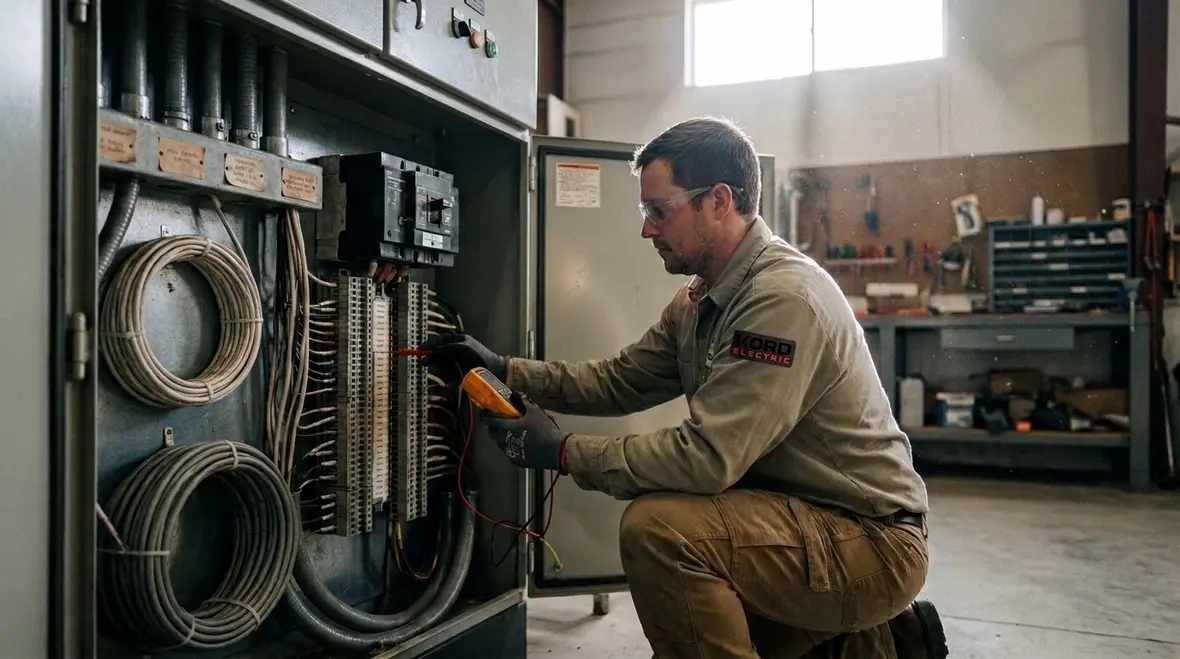
Permitted scenarios and the control points we emphasize
Section 230.75 does not give blanket permission to disconnect the grounded conductor at will. Instead, it permits grounded conductor separation only under specific conditions that keep the electrical system safe and predictable. Therefore, our technicians treat the approval process as a checklist exercise, not a guesswork exercise.
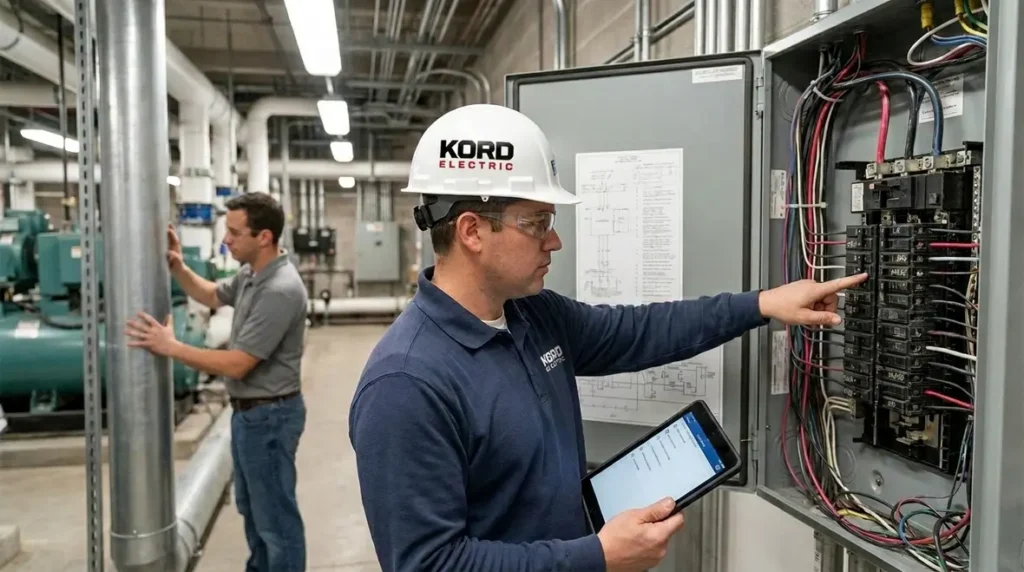
In practice, we emphasize the following control points when teams plan maintenance, equipment replacement, or upgrades in major property buildings.
- Verify the type of service and equipment layout before planning any disconnect action. We confirm what conductor functions are present and how the grounding system is arranged.
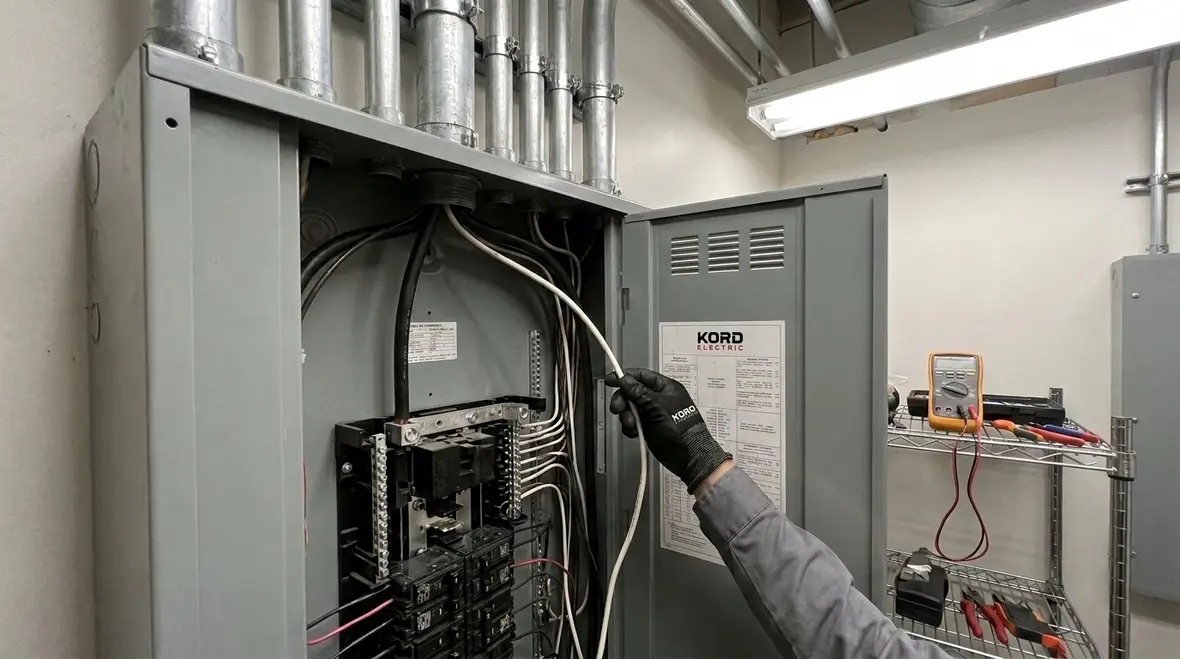
- Identify the grounded conductor path and how it ties into bonding and system reference points. Then we confirm which devices actually open the circuit and which devices leave the grounding reference intact.
- Confirm whether the planned operation matches the NEC allowance in the exact section requirements. We do not use “similar situation” reasoning.
- Maintain proper labeling and documentation so that the next person understands the sequence without guesswork. In a large facility, “I thought it was obvious” is not a plan.
Moreover, if a project involves service equipment modifications, Kord Electric supports commercial and industrial facilities with planning that aligns field work to the NEC grounded conductor disconnection rules. In other words, we help teams build the sequence so inspection staff and operations staff both recognize the same safe intent.
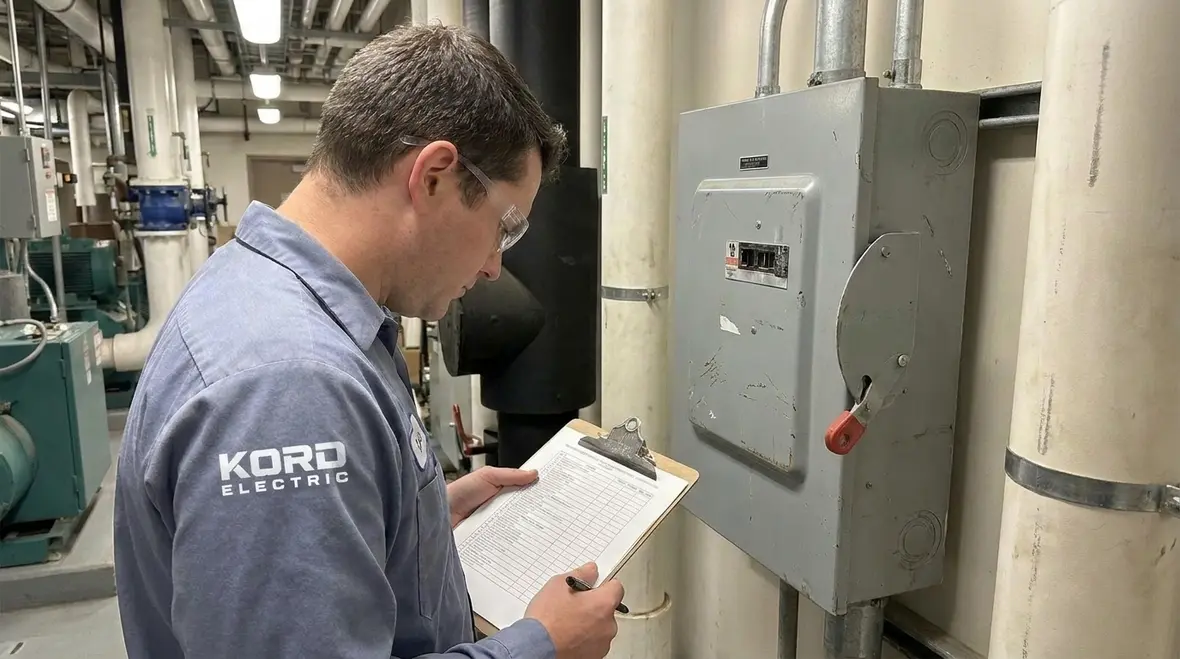
How we coordinate grounding, bonding, and switching so inspectors trust the plan
Grounding and bonding form the backbone of fault management and system stability. Because Section 230.75 connects to these ideas, we coordinate the whole picture, not just one device. So, our expert service staff reviews how bonding jumpers, grounded conductor connections, and disconnect mechanisms work together.
Then, before work starts, we plan the operational steps. We also plan how the facility staff will verify de energization, confirm proper re establishing of connections, and keep the sequence consistent across crews. That matters because commercial sites rarely run like labs. They run like real businesses with real schedules, where the first misstep can ripple through operations.
At times, a facility may use a procedure that is typical for other wiring tasks, and that is where problems happen. We guide teams away from “we always do it this way” routines and toward a code aligned approach that follows the grounded conductor disconnection criteria. In addition, we help teams keep service records so future maintenance stays consistent.
If you have ever watched a movie where the hero powers up the whole system with one wrong switch, you already understand the risk. We make sure your facility does not become that scene.
Common misconceptions we see at commercial and industrial buildings
We see a few repeat misunderstandings across major property buildings. And since repetition loves the spotlight, let us address it quickly and clearly.
Misconception one: “If the equipment disconnect opens, the grounded conductor is automatically safe to separate.” Not always. Transition from normal operation to a maintenance state must match the code rules for grounded conductor separation. Otherwise, protective and system reference behavior can shift.
Misconception two: “We can disconnect the neutral for convenience.” Convenience is not a code requirement. Therefore, if anyone proposes grounded conductor disconnection outside allowed conditions, we stop the plan and reassess.
Misconception three: “A quick test will prove it is fine.” Tests help, but they do not replace correct system configuration and code compliant design. We verify, measure, and inspect, and we document results so the facility and inspector both see the same story.
Misconception four: “This applies only to new installs.” No. Retrofit projects and service upgrades can trigger these rules as soon as conductors, disconnects, or bonding paths change. So we treat every service work scope with fresh eyes.
NEC grounded conductor disconnection and maintenance planning
Maintenance planning should not rely on memory or informal training. Instead, we build a repeatable method that keeps the grounded conductor stable unless the NEC allows a specific controlled disconnect. In commercial and industrial settings, that means we map the work scope, the sequence of steps, and the verification points before any cover is removed or any conductor is disturbed.
Furthermore, we coordinate with facility managers because operations matters. We schedule work to reduce impact to production and tenant activities, and we create clear communication so everyone understands what changes and what stays connected. Our goal is simple: keep systems safe, keep work predictable, and keep the lights on for the people who pay the bills.
Finally, when the job ends, we confirm the final grounded conductor configuration matches the design and code intent. Then, we provide documentation so next steps, troubleshooting, and future inspections run smoothly. If inspections are a test, we help you study the correct material, not the notes someone scribbled during a long day.
For facility teams that want a broader foundation in how the National Electrical Code shapes these decisions, Kord Electric’s guide Understanding NFPA 70: The National Electrical Code Explained for 2026 shows how service equipment and grounded conductor rules fit into the larger NEC picture for commercial and industrial buildings.
And when your project scope extends beyond a single disconnect or service cabinet, our Los Angeles County electrical services team can help you plan upgrades, renovations, and maintenance that align NEC grounded conductor disconnection requirements with practical scheduling and budget realities.
FAQ
Ready for code aligned service work that stands up under real conditions?
When your facility needs service equipment work, upgrades, or maintenance planning, we make sure the NEC grounded conductor disconnection rules stay consistent from design intent to field execution. Our technicians and expert service staff coordinate the sequence, verify the grounding and bonding setup, and document the results so your team and inspectors see the same clear story. If you want help assessing your project scope before anyone pulls a conductor, contact Kord Electric today and let us handle the electrical details with calm confidence.
And if your project involves broader NEC interpretation beyond Section 230.75, our in depth coverage of topics like multiwire branch circuits, calculated load determination, space heating loads, and GFCI protection can help you connect this rule to the bigger NEC framework your facility relies on every day.